Last updated November 18, 2026



Free written scope consultation - allowances, timeline, and change-order rules on paper before a single trade is scheduled
Construction Emergency Preparedness Guide for Mesquite Homes
A haboob can drop visibility to near zero in Mesquite in under three minutes and throw wind gusts strong enough to peel sheathing off a half-framed wall. Here’s the part most homeowners miss: if you have an active construction project on your property, your responsibility for what happens on that site doesn’t pause for the weather. Most Mesquite homeowners have no written plan for a storm that hits mid-build, a flash flood that cuts off access, or a heat event that warps fresh materials. This guide builds that plan before you need it, covering haboob protocol, flood zones near the Virgin River, liability during active projects, a 48-hour inspection checklist, and who to call when something structural goes wrong.
Quick Answer
Construction emergency preparedness in Mesquite means having a written plan for the three weather threats that actually hit this valley – haboobs, flash flooding from the Virgin River watershed, and extreme heat – plus a clear chain of command for structural emergencies and a documented inspection routine after every major storm. The plan protects your investment, your insurance claim, and your legal standing during an active build.
Styles & brands we work with
- Kitchen remodeling
- Bathroom remodeling
- Home additions & ADU
- Roofing
- Windows & doors
- Driveway & pavers
- Fence
Table of Contents
- What Weather Emergencies Actually Threaten Mesquite Construction?
- How Do You Prepare an Active Job Site for a Haboob?
- Where Does Flash Flooding Hit Mesquite, and How Do You Protect a Build?
- How Does Extreme Heat Damage Construction Materials in Mesquite?
- Who Is Liable for Storm Damage During an Active Project?
- The 48-Hour Post-Storm Inspection Checklist
- How to Document Construction Emergency Damage
- Structural Emergencies: Who to Call and in What Order
What Weather Emergencies Actually Threaten Mesquite Construction?
Mesquite sits in a specific geographic pocket that produces three distinct construction threats, and they don’t behave like the weather in Las Vegas or St. George even though both are within an hour’s drive. The Virgin River runs along the north edge of the valley, the Mormon Mesa and the surrounding ridges funnel wind, and summer temperatures routinely push past 110°F. Each threat hits different phases of a build in different ways.
The three threats, ranked by how often we see them disrupt active projects:
- Haboobs (dust storms) – Typically May through September. Winds can exceed 60 mph, visibility drops fast, and airborne sand abrades fresh paint, stucco, and window seals. Loose materials become projectiles.
- Flash flooding – Monsoon season, roughly July through September, plus any winter atmospheric river event. The Virgin River watershed and the washes that drain the mesas can send water through low-lying areas with almost no warning.
- Extreme heat – May through October. Sustained 110°F-plus days affect curing concrete, adhesives, sealants, roofing membranes, and the crews installing them.
What makes Mesquite different from a generic desert town is the combination. A haboob often arrives ahead of a monsoon storm cell that then dumps rain on the same site within the hour. Wind strips the protection, then water gets into what the wind exposed. That sequence is what turns a manageable weather event into a construction emergency. If you’re mid-project on a kitchen or bath remodel, the interior work is largely sheltered, but roofing, windows, and additions are exposed. For projects that extend your footprint, see our guide to Home Additions & ADU in Mesquite, since additions carry the most exposure to weather during construction.
How Do You Prepare an Active Job Site for a Haboob?
A haboob protocol is a written set of steps your contractor follows the moment wind warnings appear, and it should be in your contract before the first nail is driven. The single most important item: nothing loose stays outside. In our experience, most haboob damage isn’t structural – it’s the sheet of OSB, the stack of shingles, or the loose scaffolding plank that becomes a missile and either damages your property or a neighbor’s.
A proper haboob protocol, in order of execution:
- Secure or remove loose materials. Stack and strap lumber, sheathing, and roofing bundles. Move anything lightweight into the garage or a locked container.
- Brace scaffolding and temporary structures. Portable toilets, dumpsters, and material pods get anchored or relocated. Scaffolding gets tied off or partially dismantled.
- Cover exposed openings. Windows not yet installed get plywood or house wrap. Roof decking gets temporary underlayment if the finish roof isn’t on.
- Tarp and weight down vulnerable finishes. Fresh stucco, unpainted drywall, and open framing get covered. Sealed tarps with sandbags beat loose plastic that flaps and tears.
- Document the pre-storm condition. Photos of the site before the wind arrives establish the baseline for any subsequent insurance or warranty discussion.
Ask your contractor, in writing, what their haboob protocol is and who executes it. A crew that finds out about a wind warning on the evening news is already behind. In Mesquite, the warning window can be 20 minutes. Calls answered by a live person 24/7 matter here – when wind is bearing down, you want to reach someone who can act, not a voicemail box.
Where Does Flash Flooding Hit Mesquite, and How Do You Protect a Build?
Flash flooding in Mesquite comes from two directions: the Virgin River itself swelling from upstream rain, and fast-moving water sheeting off the mesas into the washes and low spots that run through and around town. The river corridor along the north side and the drainages feeding it are the highest-risk zones. If your lot sits near a wash, at the bottom of a slope, or in one of the older neighborhoods where drainage was built for a smaller town, a monsoon cell ten miles away can put water against your foundation before the rain reaches you.
Protecting an active build from flood water is mostly about grading and barriers, done before the storm:
- Ensure site grading directs water away from the foundation and toward a defined drainage path, not into the excavation.
- Keep the footing trenches pumped and clear; a flooded trench can undermine fresh concrete.
- Install silt fence and sandbag barriers on the uphill side of any low grade.
- Store materials that water ruins – drywall, insulation, cabinets, and interior finishes – off the ground on pallets and under cover.
- Know the elevation of your finished floor relative to the nearest wash; your contractor should have this on the site plan.
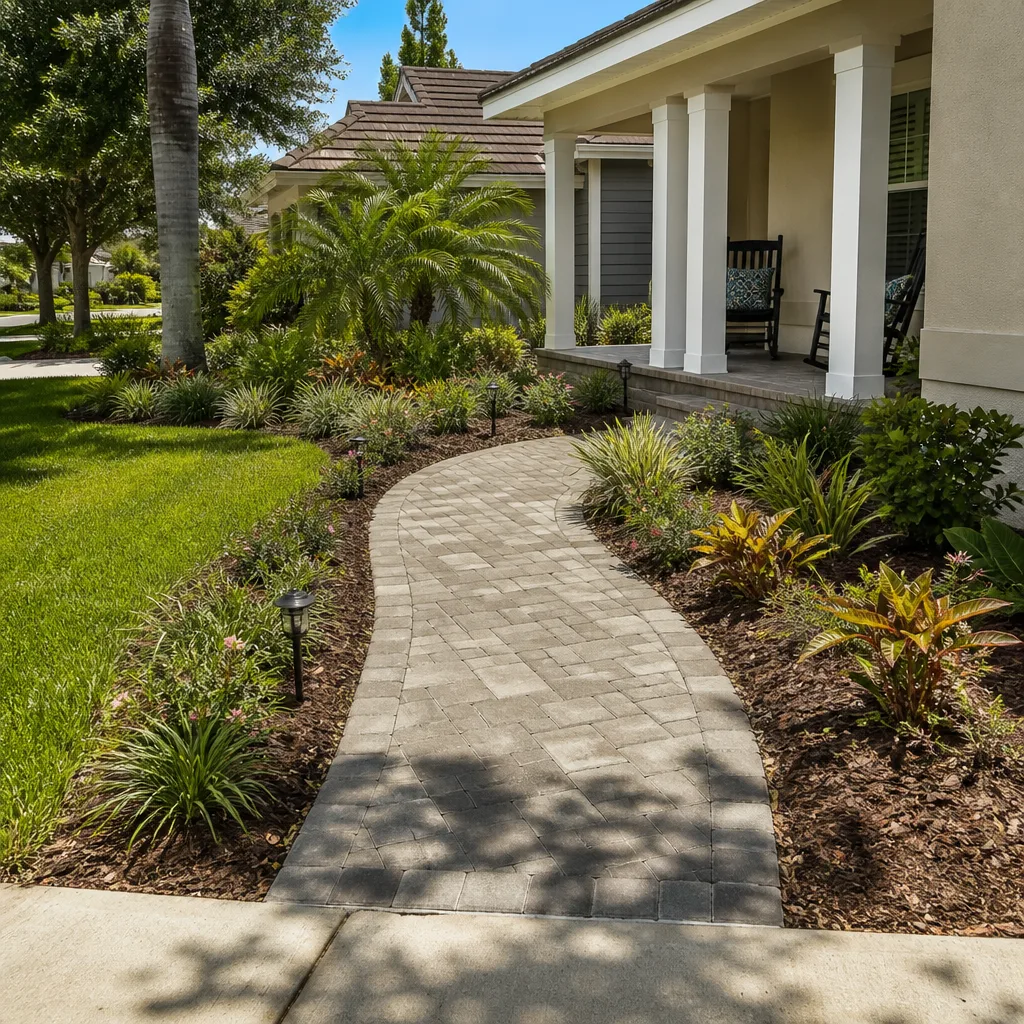
After any flood event, water intrusion into framing or a crawlspace needs to be dried and assessed within 48 hours to prevent mold and rot. A build that takes on water isn’t automatically a loss, but the response speed decides whether it becomes one. Driveway and paver work also takes a beating from runoff; the grades and base prep we describe in Driveway & Pavers in Mesquite are chosen partly for how they shed water.
How Does Extreme Heat Damage Construction Materials in Mesquite?
Heat is the quiet construction emergency. It rarely produces a dramatic photo, but sustained 110°F days in Mesquite cause material failures that show up months later as cracks, delamination, and callbacks. Concrete poured in direct afternoon sun can cure too fast, losing strength and cracking. Roofing shingles applied above their rated temperature soften and don’t seal properly. Adhesives for flooring and tile lose grip. Exterior paint and stucco applied in extreme heat can flash-dry and fail to bond.
A heat-management plan for a Mesquite build should include:
- Scheduling concrete pours and roof work for early morning, before the surface temperature climbs.
- Keeping materials shaded and covered until the moment of installation – GAF and CertainTeed roofing products have temperature application limits that matter here.
- Using heat-rated sealants and adhesives, not the standard-grade versions.
- Providing crew hydration and shade; heat-stressed workers make mistakes, and mistakes on a structural build are expensive.
If your project involves an exterior door or window install in high summer, the sealant cure time in Mesquite heat is shorter than the label suggests. Ask the contractor how they’re adjusting the schedule. Experienced technicians know the local calendar and build around it. Our technicians have up to 12 years of experience with desert construction conditions, and the good ones schedule the exposed work for dawn.
Who Is Liable for Storm Damage During an Active Project?
Liability for weather damage during an active project is decided by your contract, and the default – if your contract is silent – is often not in your favor. Most homeowners assume the contractor’s insurance covers everything on site until the job is done. That’s not how it works. The contractor’s general liability typically covers their own work and their own negligence. Your homeowner’s policy usually covers the structure, and a builder’s risk policy, if one exists, covers the project while it’s under construction. Who holds the builder’s risk policy is the question you need answered before work starts.
What your contract should spell out clearly:
- Who carries builder’s risk insurance for the project, and for how much.
- The definition of “substantial completion” – the point at which responsibility shifts back to you.
- Who repairs storm damage and who pays, whether it’s treated as a change order or a covered loss.
- The haboob and flood protocol, so responsibility for securing the site is documented in advance.
- What happens to schedule and price if a weather event delays the build.
Most homeowners’ policies cover wind and hail damage to the structure but exclude damage from faulty workmanship and, in some cases, flood – which is a separate policy, usually through the National Flood Insurance Program. If your lot is near the Virgin River or a wash, confirm flood coverage before you break ground. A contractor with a written workmanship guarantee removes a lot of the ambiguity here. Our 730-Day Done Right Promise means if something we built fails because it wasn’t done right, we make it right, and that’s in writing. Upfront pricing, no surprises, applies to the repair conversation too.
The 48-Hour Post-Storm Inspection Checklist
What you do in the first 48 hours after a storm decides the size of the eventual repair bill and the strength of any insurance claim. This checklist applies to both a finished home and an active job site. Do the walkthrough in daylight, take photos before you move anything, and don’t cover up damage before it’s documented.
For an active job site:
- Check the perimeter for displaced materials, damaged scaffolding, or anything the wind moved into a neighbor’s lot.
- Inspect exposed framing for water intrusion, especially at wall bottoms and around openings.
- Look at temporary roof coverings and underlayment for tears, ponding, or lifting.
- Check footings and trenches for undermining or standing water.
- Confirm the site is still secure – fence intact, containers locked, no safety hazards left exposed.
For a finished home:
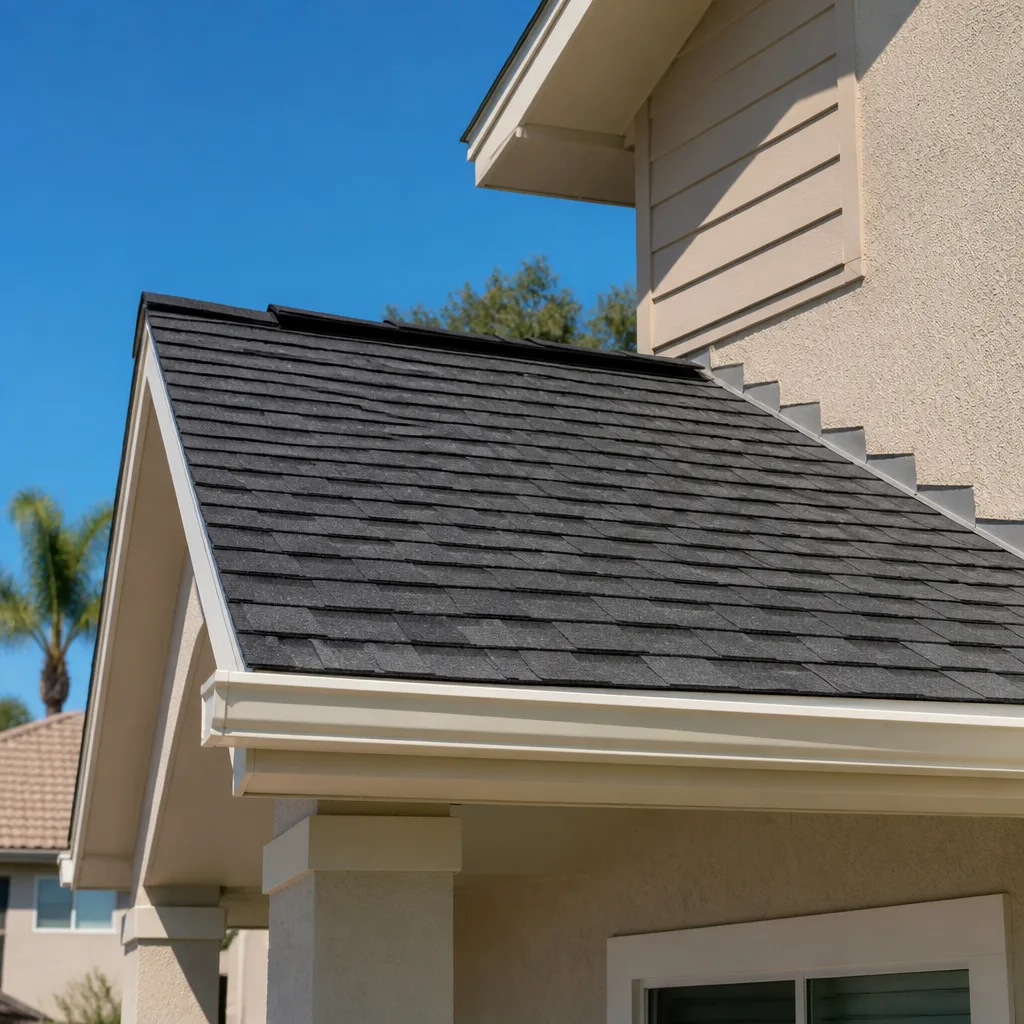
- Walk the roof edges and look for lifted, missing, or creased shingles.
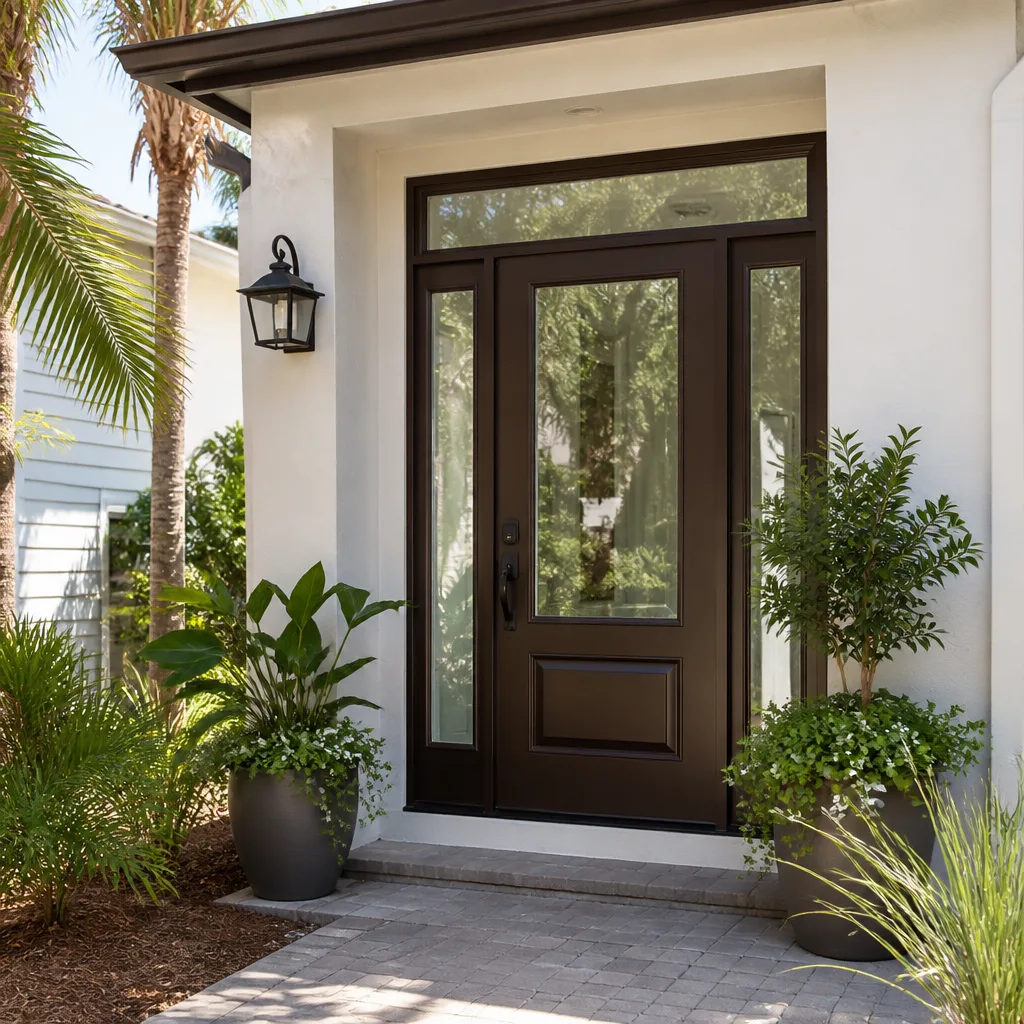
- Check window and door seals, especially on the windward side of the house.
- Look for stucco cracks, paint blistering, and caulk failures.
- Inspect the foundation for new cracks or water staining.
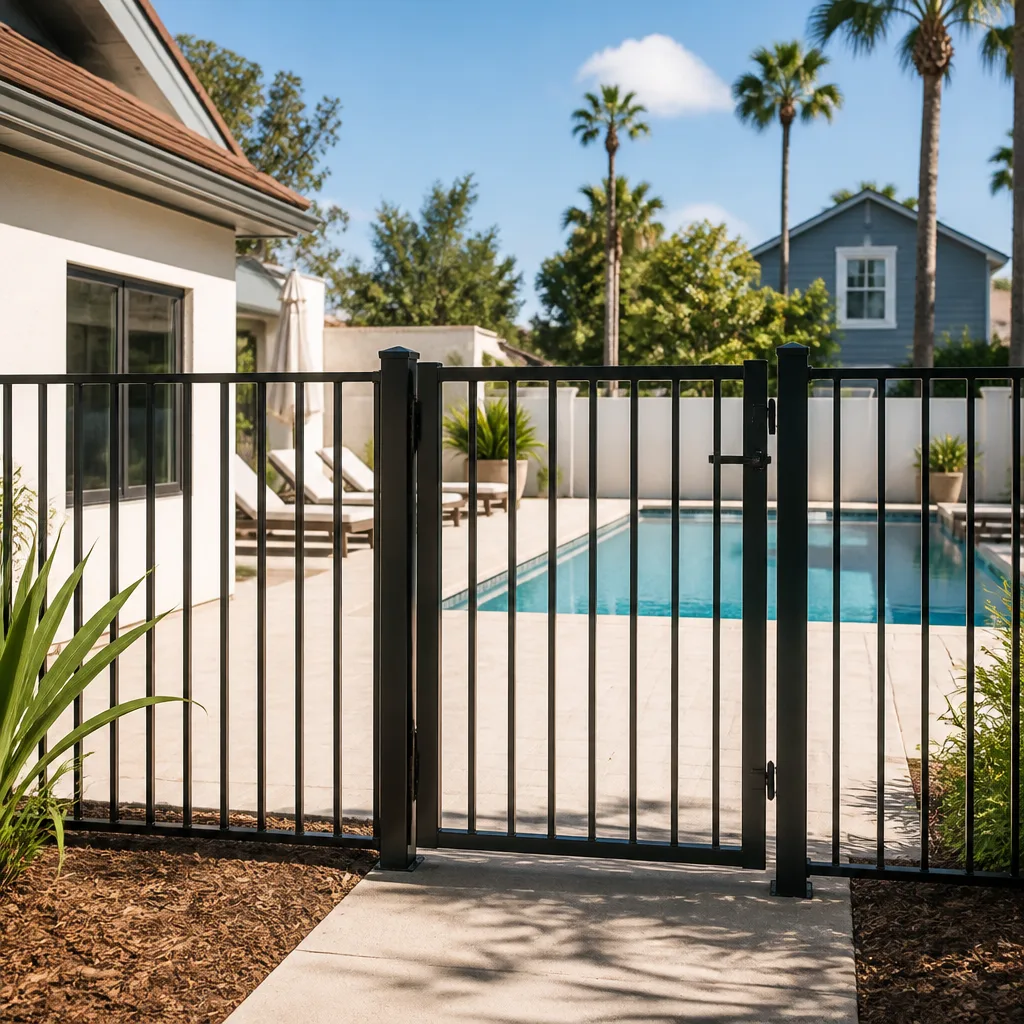
- Check fences and gates for leaning posts and damaged panels after wind events.
Anything that looks structural – a bowed wall, a cracked beam, a sagging roofline, or a foundation crack wider than a hairline – gets flagged and photographed, not touched. We’ll cover who to call next. Fence damage after a haboob is common and usually repaired fast; see Fence Installation in Mesquite for how posts are set to survive our wind loads.
How to Document Construction Emergency Damage
Documentation is the difference between an insurance claim that pays and one that gets denied, and it’s the difference between a warranty conversation that goes well and one that drags. The standard is thorough, timestamped, and unaltered. Photograph everything before anyone cleans up. Insurers and contractors both lose trust when damage has been “tidied” before it’s recorded.
How to document correctly:
- Photograph wide, then close. Take a wide shot of each affected area for context, then move in tight on the damage. Include something for scale.
- Timestamp everything. Phone photos carry metadata; also note the date and time in a written log.
- Write a short narrative of what happened, when, and what you observed first. Keep it factual.
- Save the pre-storm photos your contractor took during the haboob protocol; those are your baseline.
- Keep all receipts for emergency mitigation – tarps, pumps, temporary repairs – even if you did them yourself.
- Get a written assessment from the contractor before permanent repairs begin.
File the insurance claim promptly but don’t authorize permanent repairs until the assessment is done. A contractor who documents well and a homeowner who documents well together make a strong claim. That’s part of why we treat documentation as a non-negotiable step, not paperwork to get to later.
Structural Emergencies: Who to Call and in What Order
When something structural fails or looks like it’s about to, the escalation order matters, and getting it wrong wastes time you may not have. Here’s the sequence we recommend for Mesquite homeowners.
- Life safety first. If anyone is in danger, a wall is visibly moving, or there’s a gas smell, evacuate and call 911. For a gas leak, also call Southwest Gas from a safe location.
- Secure the site. If it’s safe to do so, keep people and vehicles away from the affected area and shut off utilities at the main if there’s water intrusion near electrical.
- Call the city. The City of Mesquite handles building permits and inspections. If the emergency involves a permitted structure, a collapsed element, or a safety hazard to the public, the city’s building department needs to know, and any repair on a permitted structure will require a permit and inspection.
- Call a structural engineer if the damage is to load-bearing elements – beams, columns, foundations, or the roof structure. An engineer’s report tells you whether the structure is safe and what repair is required. This is not a DIY judgment call.
- Call your contractor to assess, document, and quote the repair. For anything load-bearing or foundation-related, do not proceed without the engineer’s report in hand.
- Call your insurance company to open the claim once you have documentation.
The rule of thumb: a cosmetic issue is a contractor call; a structural issue is an engineer first, then a contractor. High-wind events routinely test roofs and windows, and window failures on a load-bearing wall are a structural question, not just a glazing replacement. If your damage involves windows or doors, our Groundwork Construction Co. of Mesquite home page lays out every service line, or reach us directly and we’ll point you in the right direction.
Common Mistakes to Avoid
- No builder’s risk policy. Assuming the contractor’s insurance covers the whole project during construction leaves you exposed when a haboob hits. Confirm who holds builder’s risk before work begins.
- Cleaning up before documenting. Sweeping up the debris before you photograph it can weaken an insurance claim. Photograph first, clean up second.
- Storing finish materials in the open. A stack of drywall or a box of cabinets left in a Mesquite driveway overnight during monsoon season can be ruined by a single storm. Materials that water ruins stay inside or on pallets under cover.
- Ignoring a small foundation crack. A hairline crack can be cosmetic; a widening one near a wash after a flood event is not. Get it looked at before you build on top of it.
- Skipping permits on emergency repairs. The temptation to fix a storm-damaged structure fast and skip the permit is real. Unpermitted repairs can void insurance and create problems at resale. The city will want to inspect structural repairs.
- Assuming flood coverage is included. Standard homeowner’s policies often exclude flood. Near the Virgin River, that exclusion matters, and flood insurance is a separate policy.
- Letting a haboob take an urgent call to voicemail. If your contractor’s phone goes to a recording when wind is bearing down, you can’t coordinate a response in time. Live-person contact, any hour, is a real advantage when a storm is minutes out.
See the difference
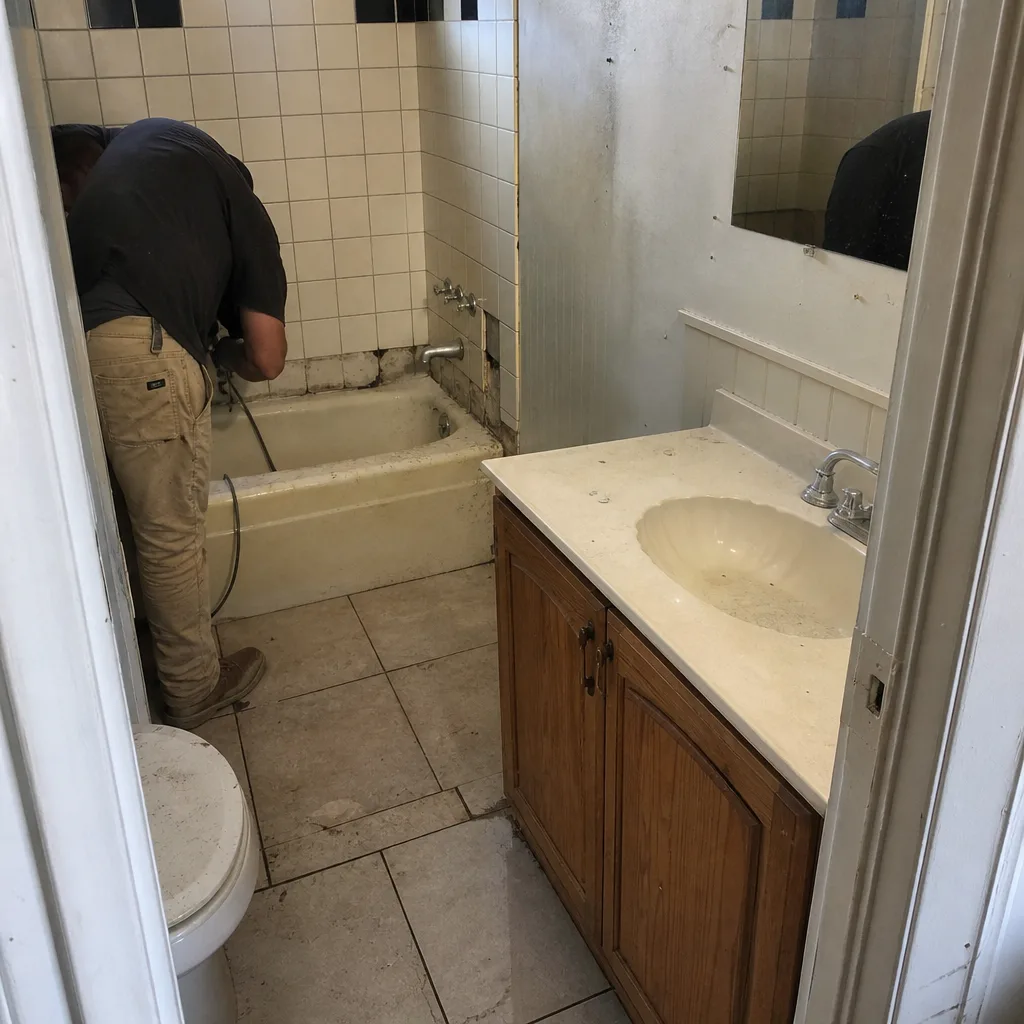 Before
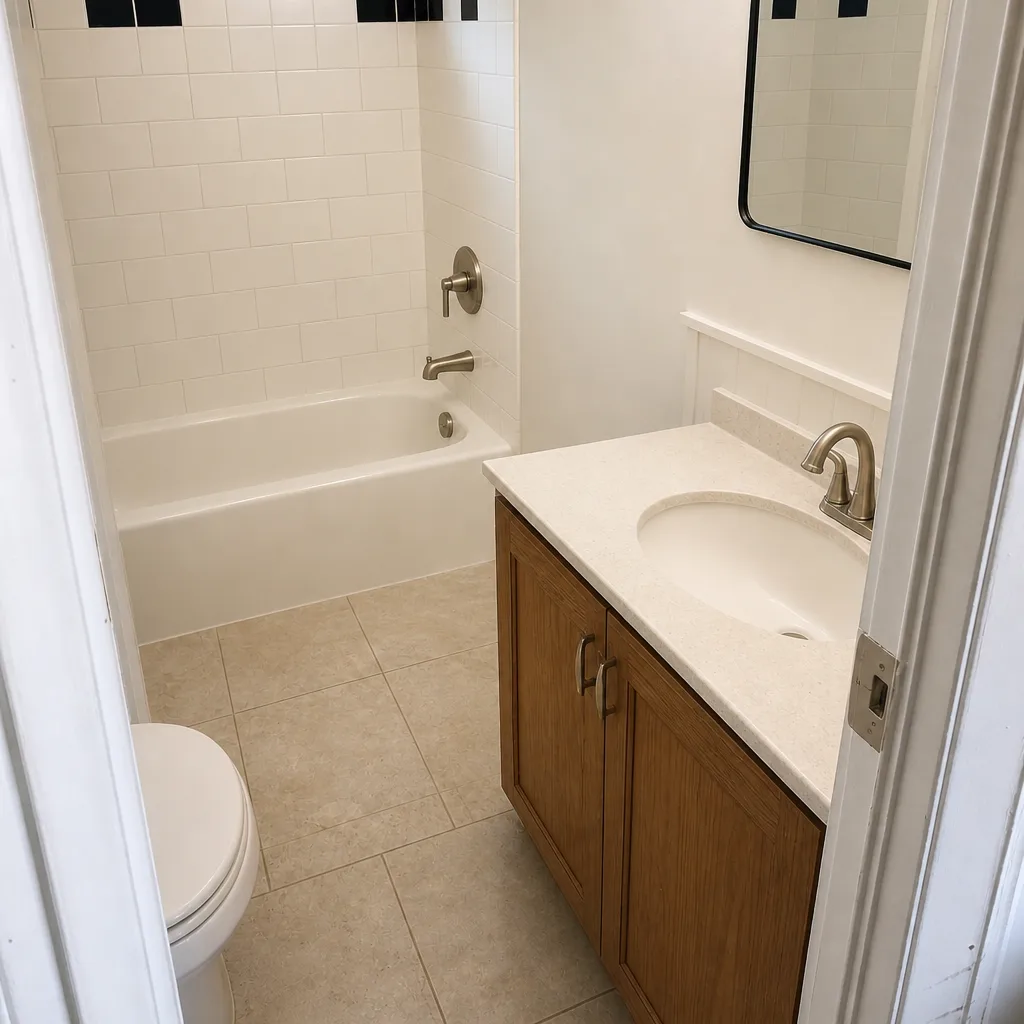 After
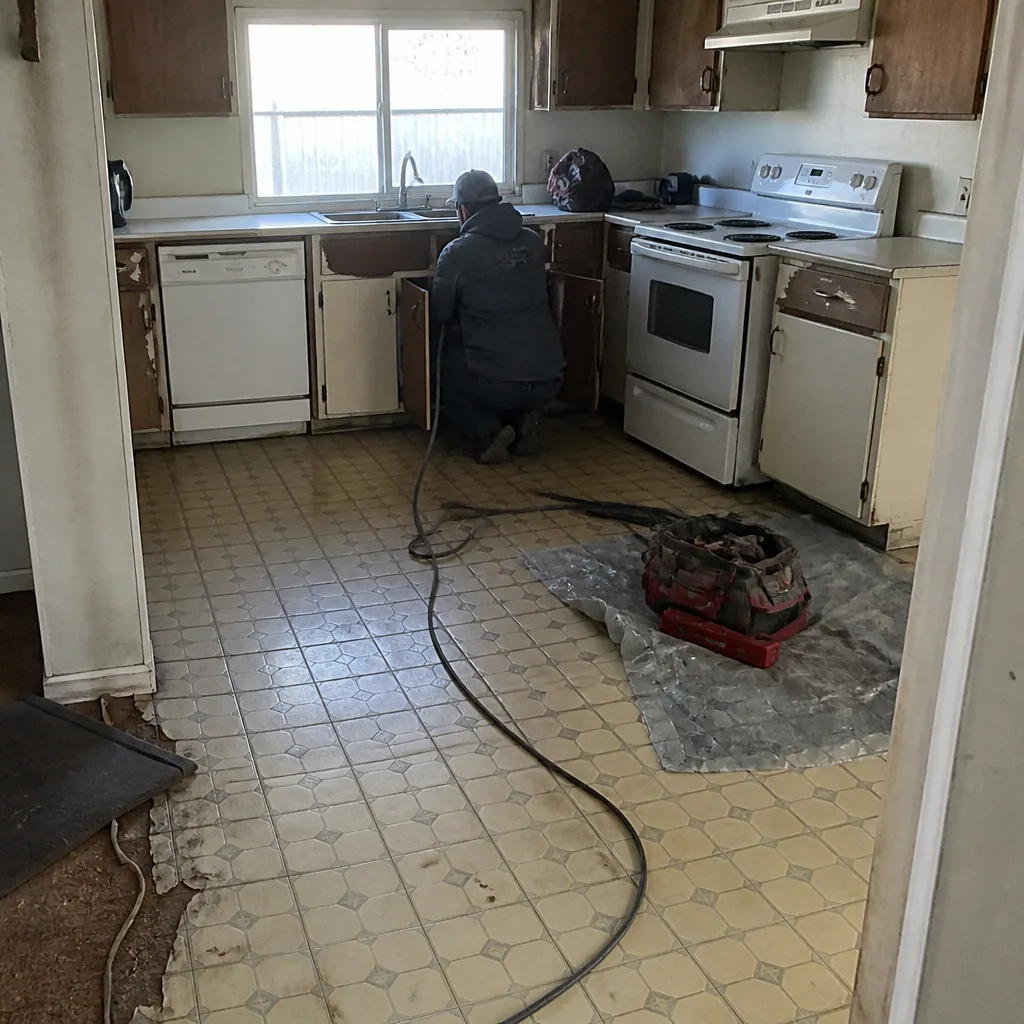 Before
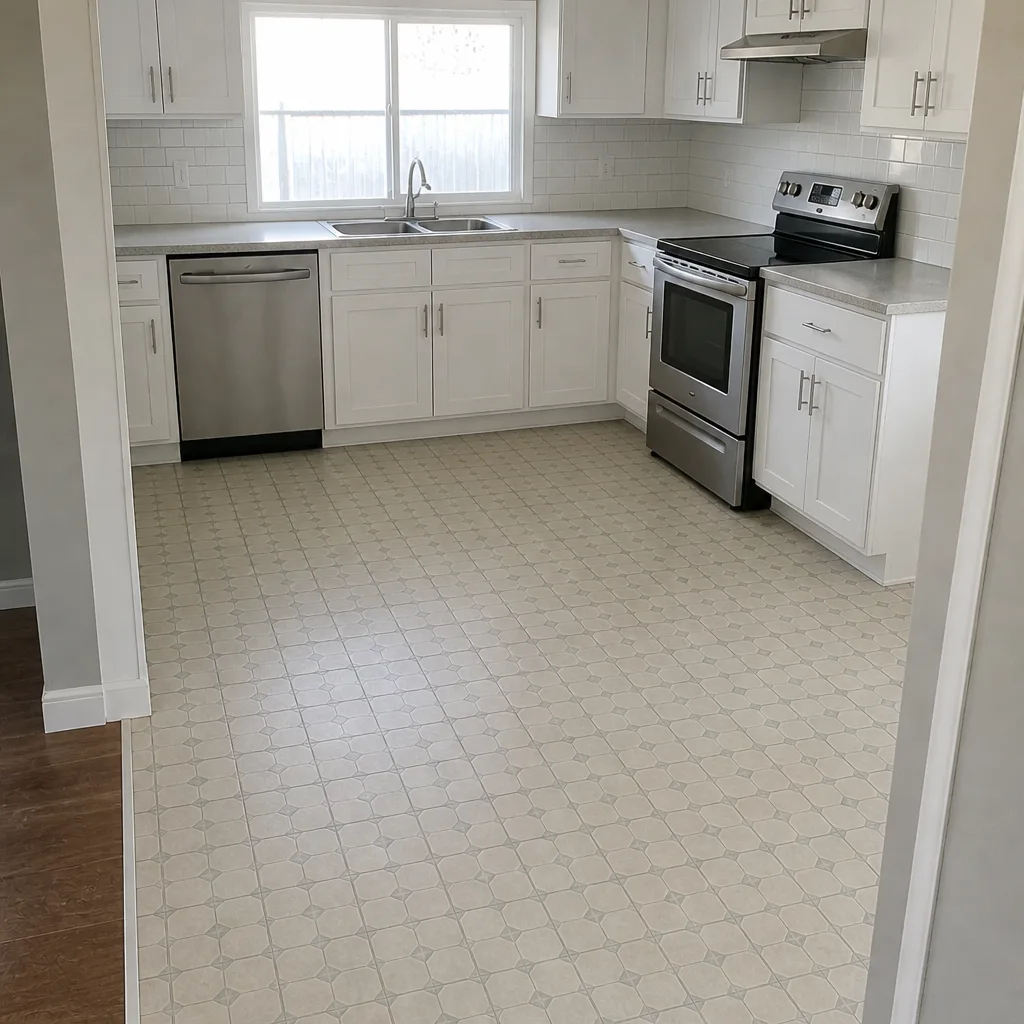 After
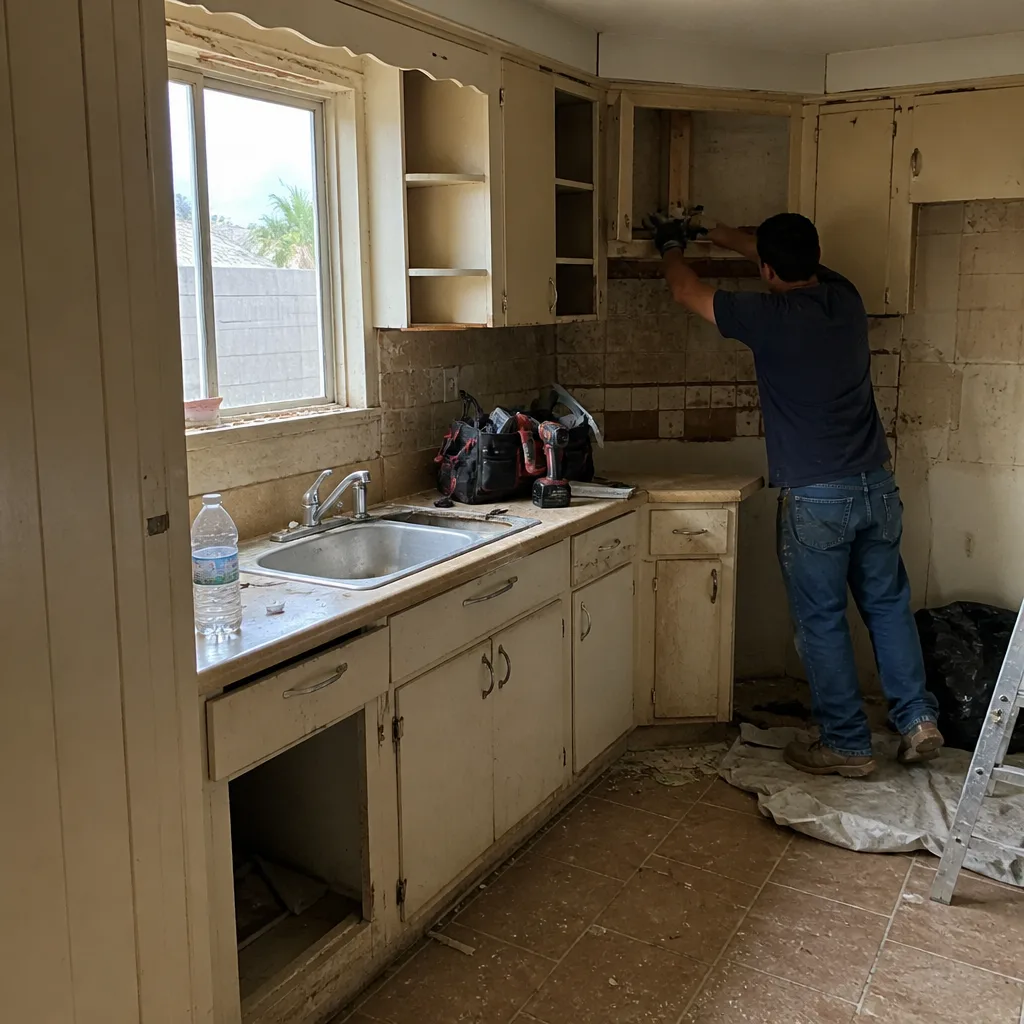 Before
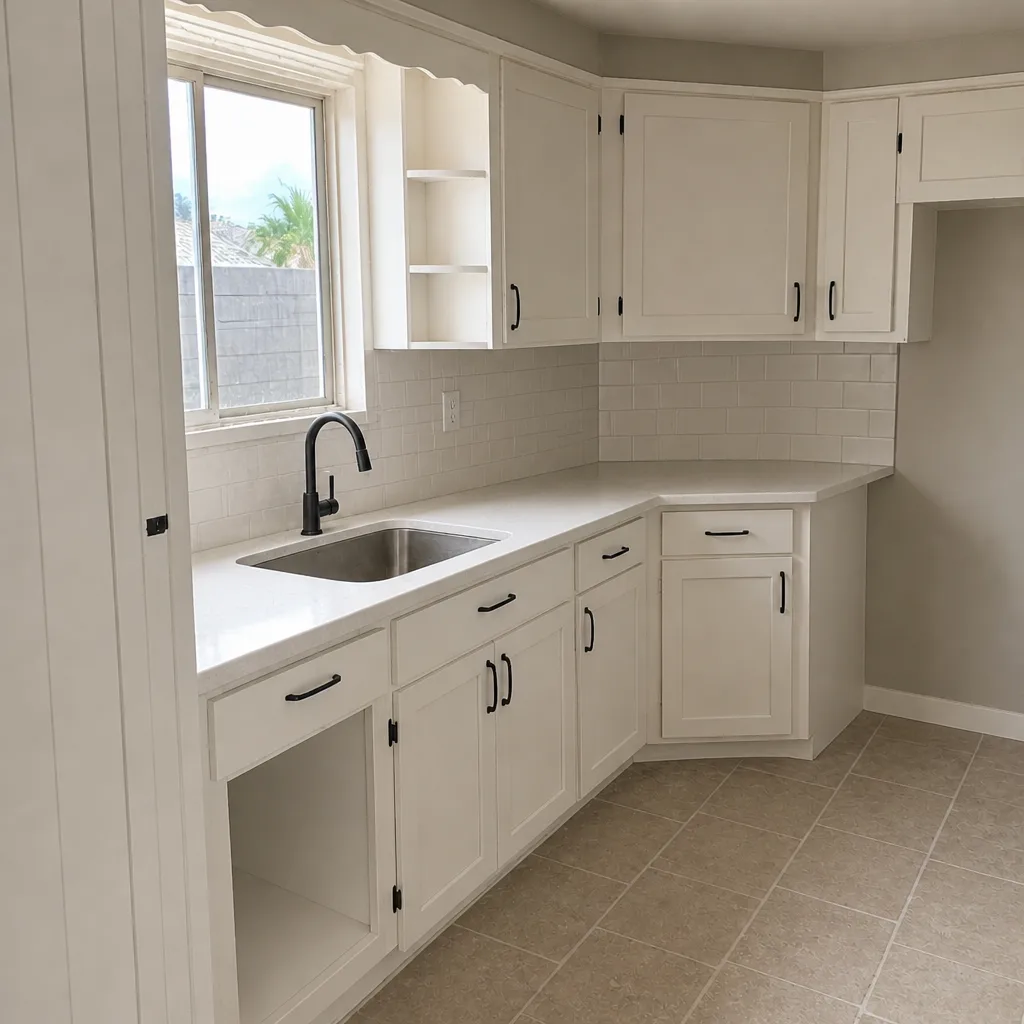 After
When to Call a Professional
Call a professional when the damage involves anything load-bearing, when a permitted structure has failed, when water has entered framing or a crawlspace, or when a repair needs a permit and inspection to be done legally. Cosmetic fixes – a leaning fence, a scuffed stucco patch – are manageable; a bowed wall, a foundation crack that’s widening, a sagging roofline, or a flooded trench around footing are not. In Mesquite, our technicians have up to 12 years of experience assessing storm damage and structural repairs, and every project is backed by the 730-Day Done Right Promise. Groundwork Construction Co. of Mesquite offers free estimates in Mesquite – call (888) 413-6358. Calls are answered by a live person, 24/7.
Frequently Asked Questions

Habooobs combined with the monsoon storms that follow them, because wind strips protective coverings and then rain gets into what the wind exposed, all within a short window. That one-two sequence causes more damage than either event alone. If you’re mid-build, a written haboob protocol is the single most valuable prep step.
Liability is determined by your contract, and the key question is who carries builder’s risk insurance for the project. The contractor’s insurance typically covers their own work and negligence; your homeowner’s policy usually covers the structure. Spell out builder’s risk, substantial completion, and storm-repair responsibility in the contract before work starts.
Usually not. Standard homeowner’s policies cover wind and hail but often exclude flood, which requires a separate policy, typically through the National Flood Insurance Program. If your lot sits near the Virgin River or a drainage wash, confirm flood coverage before you break ground.
Within 48 hours. Water intrusion into framing, drywall, or a crawlspace needs to be dried and assessed quickly to prevent mold and rot, and documenting damage before cleanup protects your insurance claim. Do the walkthrough in daylight, photograph first, and flag anything that looks structural.
No, not for a permitted or load-bearing structure. The City of Mesquite’s building department needs to be involved, and structural repairs require a permit and inspection to be done legally and to remain safe and insurable. Unpermitted repairs can void insurance and cause problems at resale.
When the damage touches load-bearing elements – beams, columns, foundations, or the roof structure. An engineer’s report tells you whether the structure is safe and what repair is required. Call the engineer first, then the contractor, for anything structural; a contractor call is fine for cosmetic or non-structural damage.
The Bottom Line
Construction emergencies in Mesquite are predictable, and that’s the good news. Haboobs, flash flooding from the Virgin River watershed, and extreme heat each hit the same phases of a build in the same ways, year after year. Build the plan before the storm: a written site protocol in your contract, confirmed builder’s risk and flood coverage, a documented 48-hour inspection routine, and a clear escalation order for structural damage. Do that and a weather event becomes a repair, not a catastrophe. Do that and your insurance claim holds, your warranty conversation stays clean, and your project lands from foundation to finish line.
Contact

If a storm has already tested your project, or you want a written plan in place before the next one, call Groundwork Construction Co. of Mesquite at (888) 413-6358 for a free estimate. Calls are answered by a live person around the clock, no voicemail black holes. We’ll walk the site, document what we find, and put an upfront number in writing – the number you see is the number you pay. No-hassle upfront pricing, no surprises, and the 730-Day Done Right Promise on every project: if it’s not done right, we make it right.
Written by the team at Groundwork Construction Co. of Mesquite.