Free written scope consultation - allowances, timeline, and change-order rules on paper before a single trade is scheduled
Styles & brands we work with
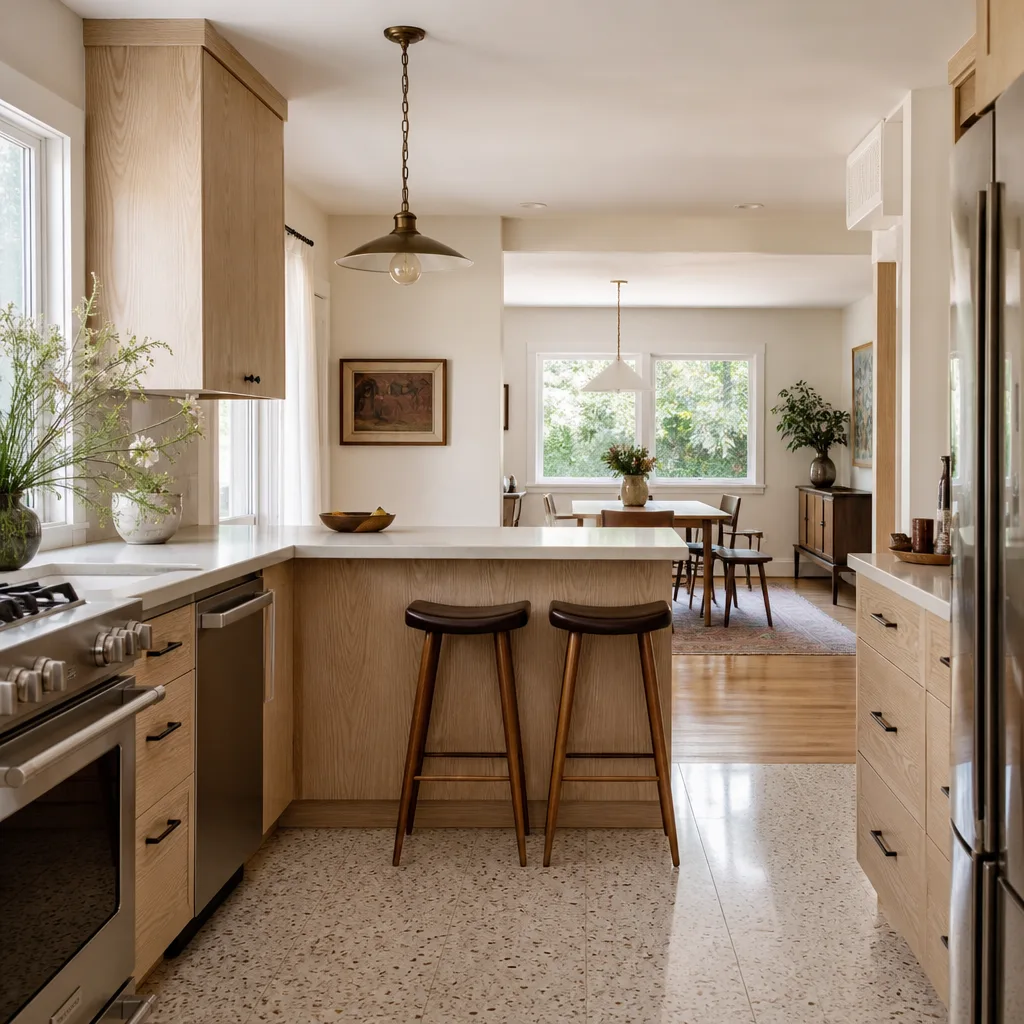
- Kitchen remodeling
- Bathroom remodeling
- Home additions & ADU
- Roofing
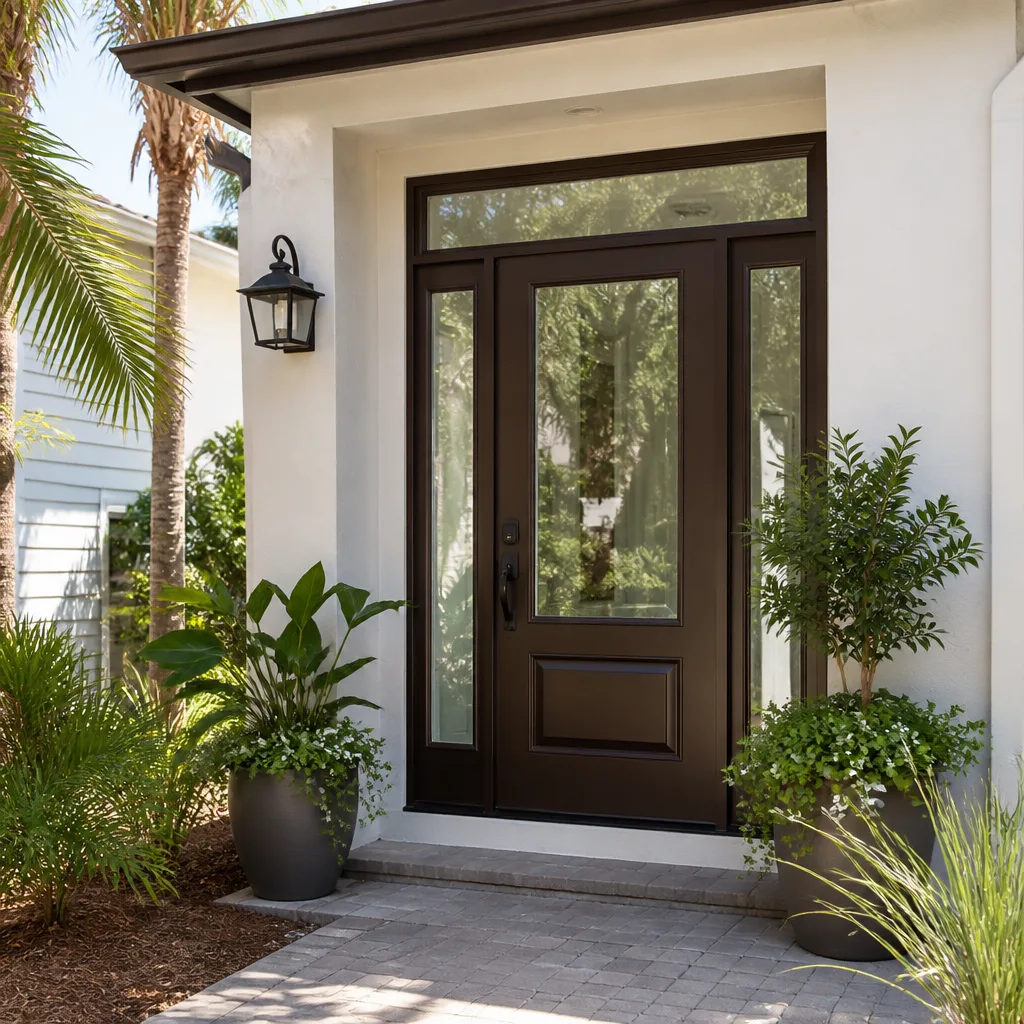
- Windows & doors
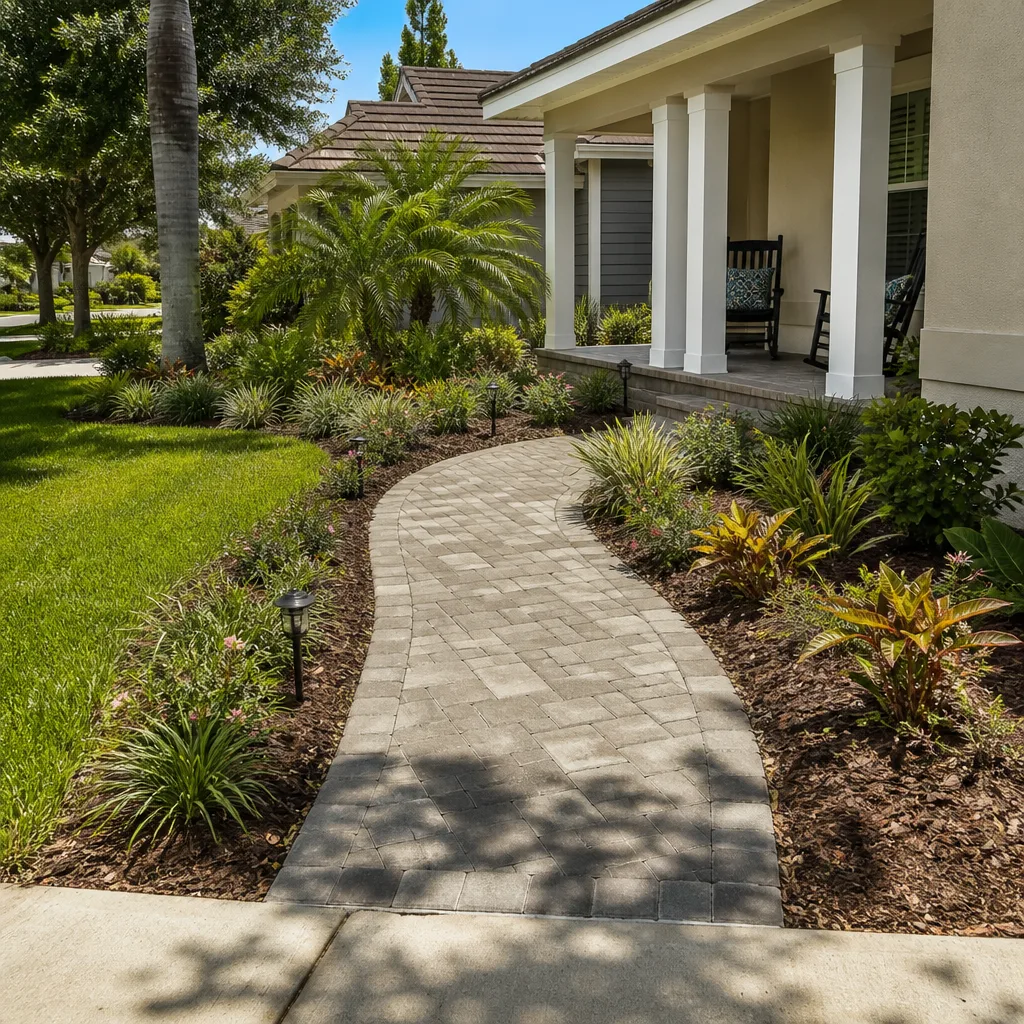
- Driveway & pavers
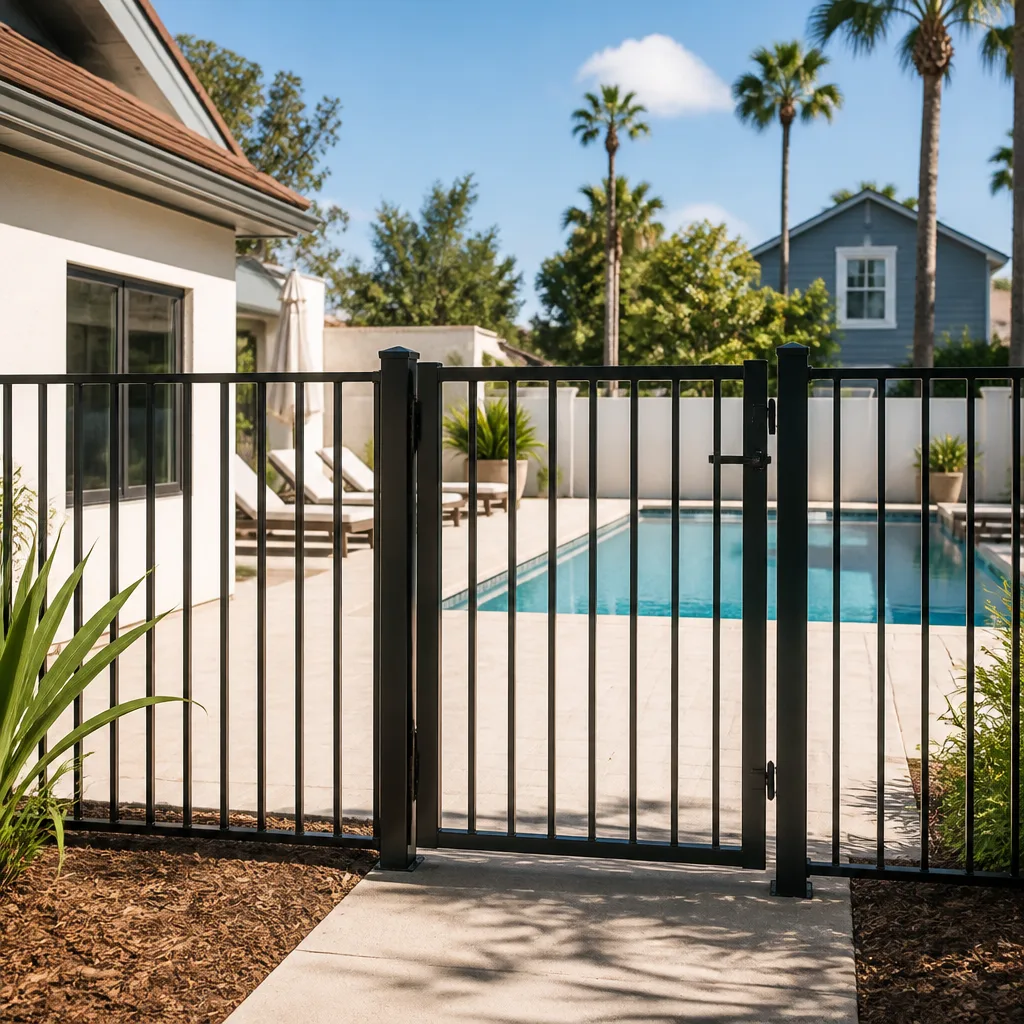
- Fence
See the difference
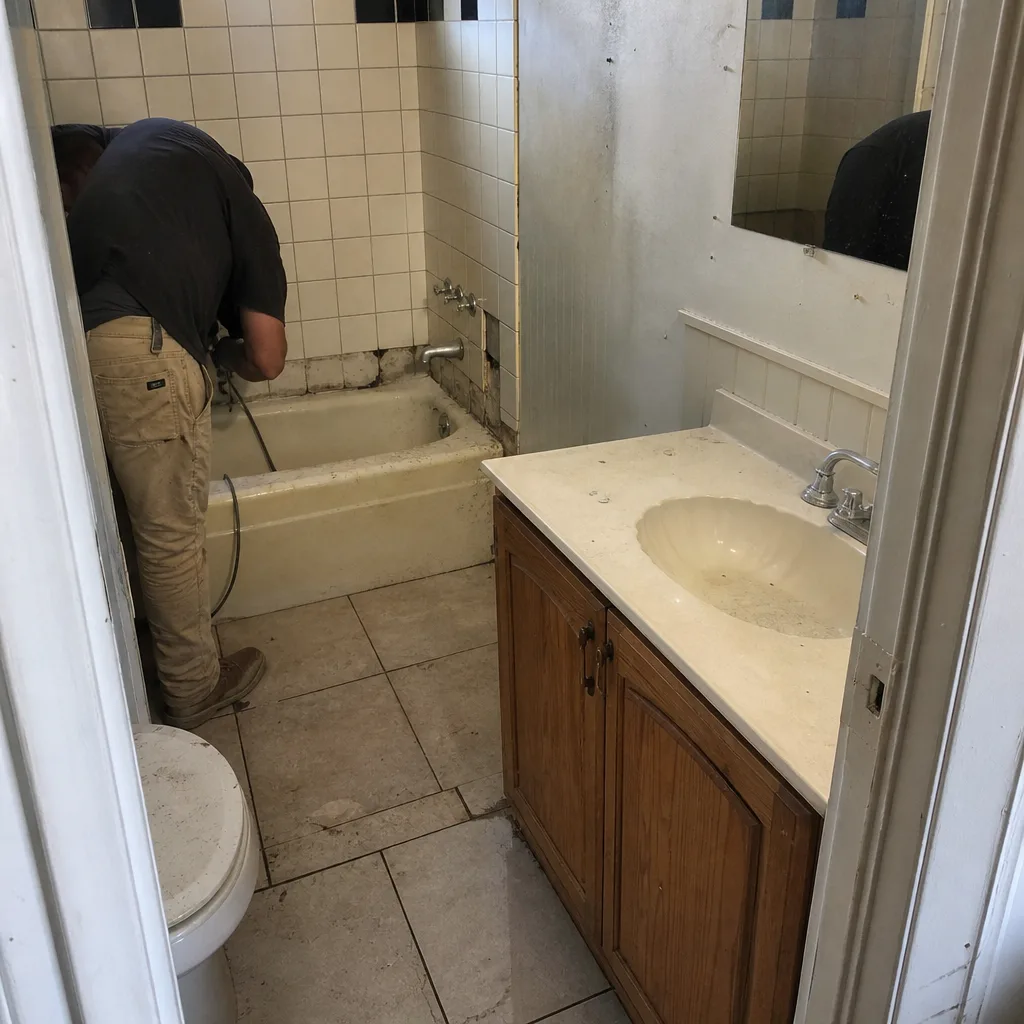 Before
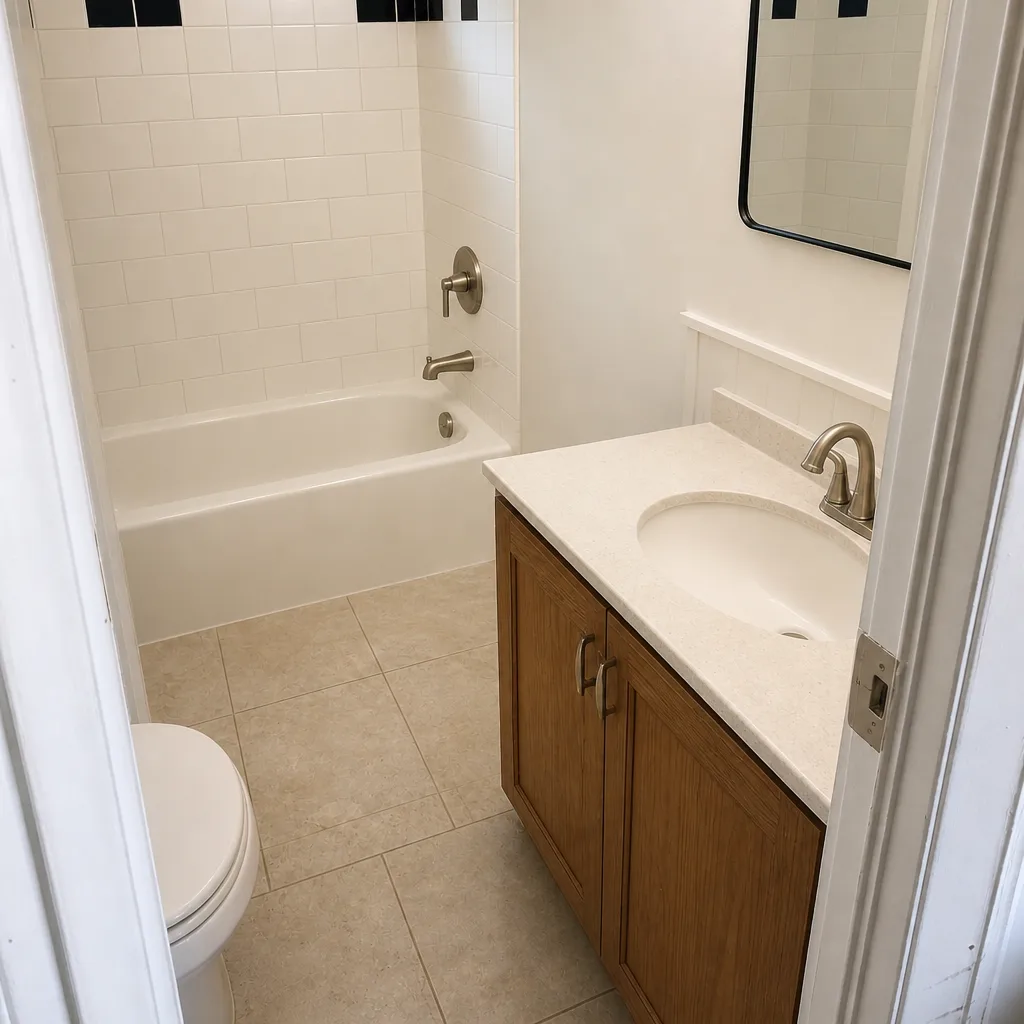 After
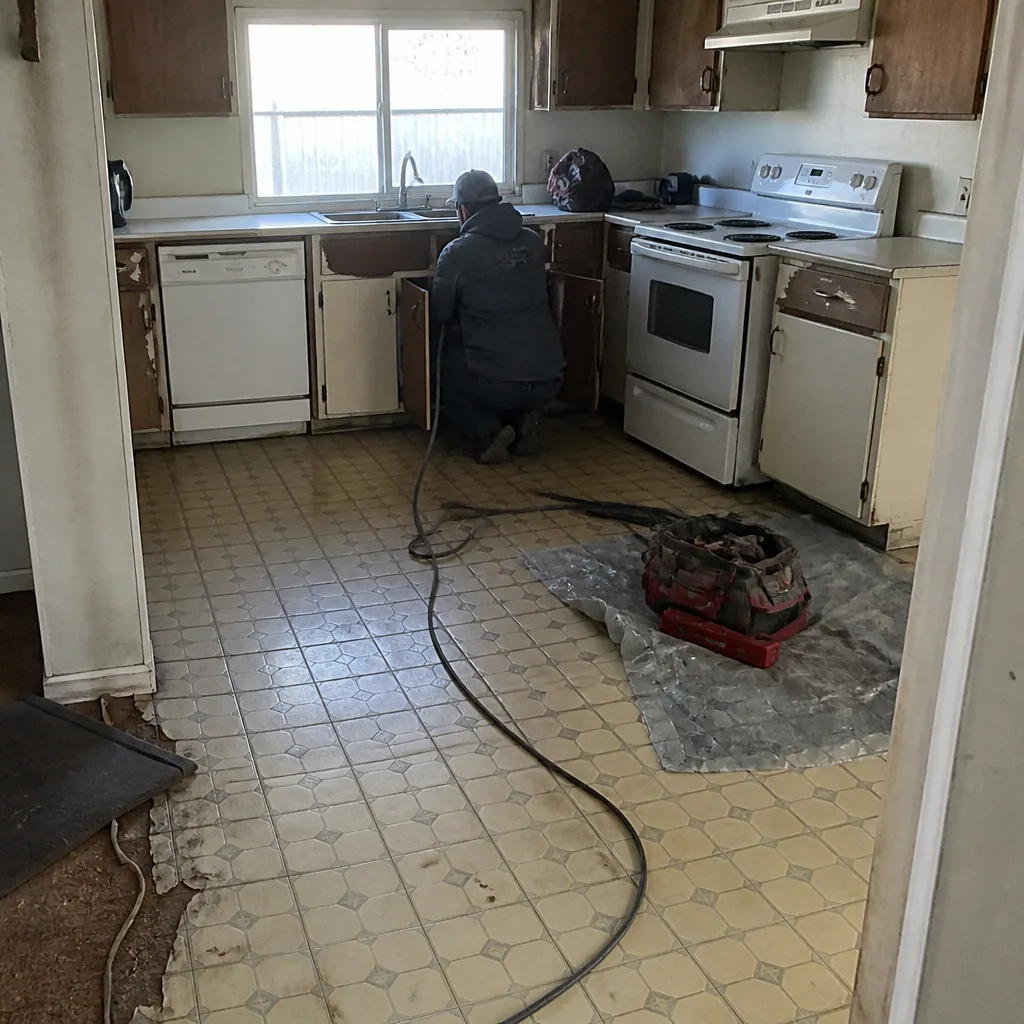 Before
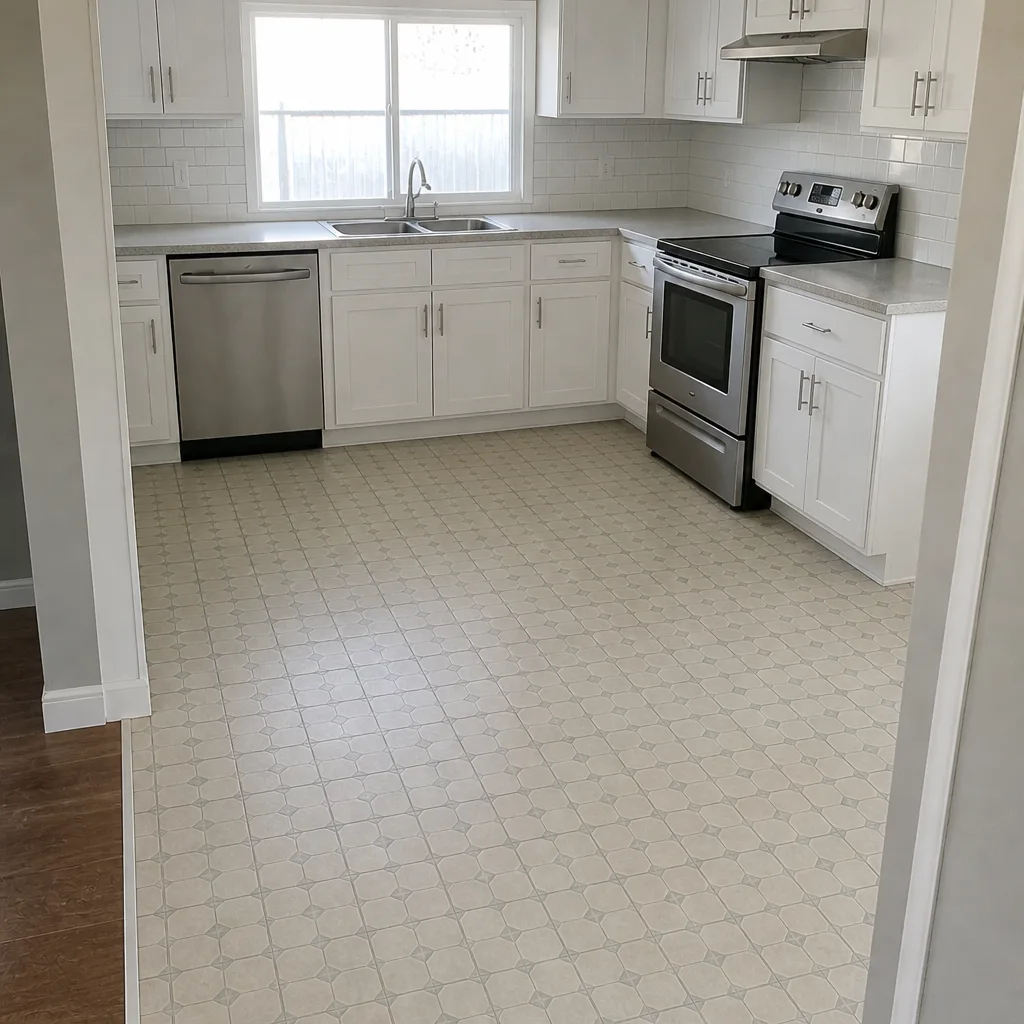 After
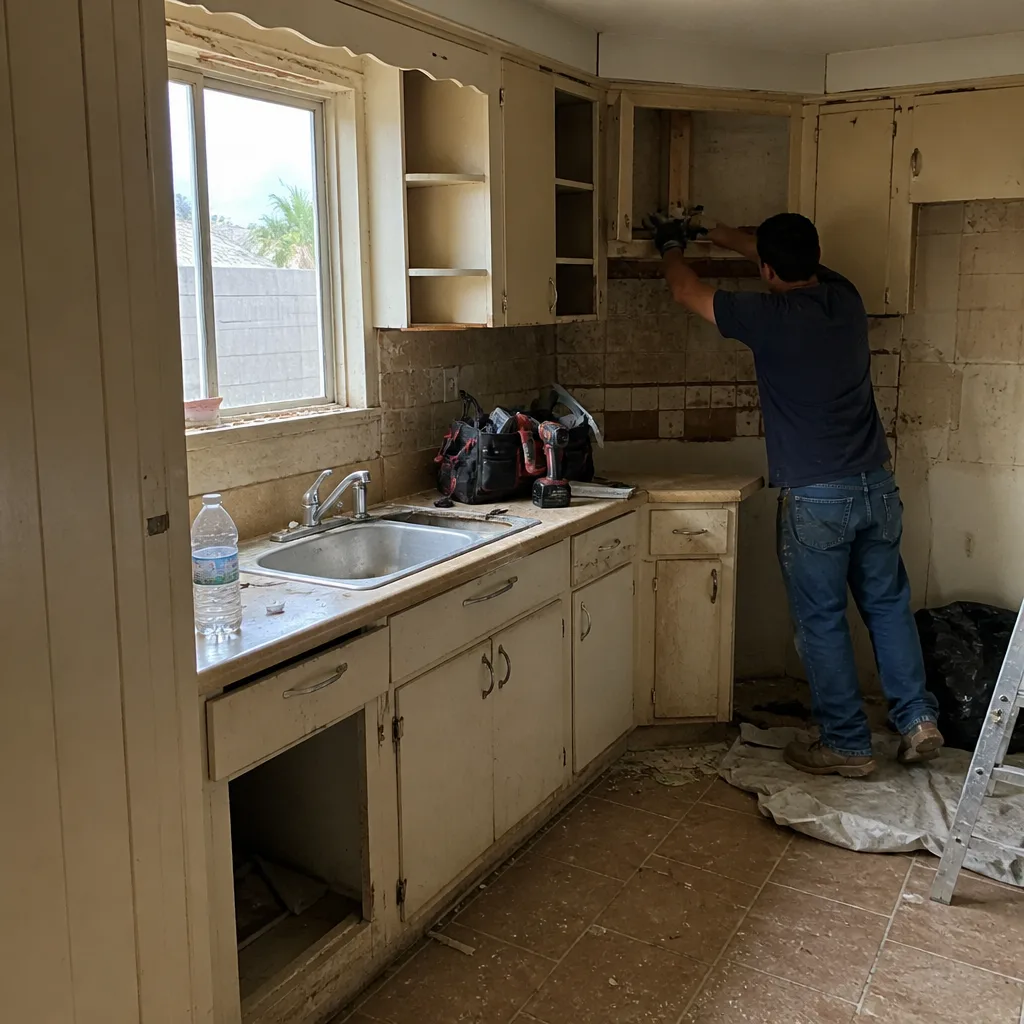 Before
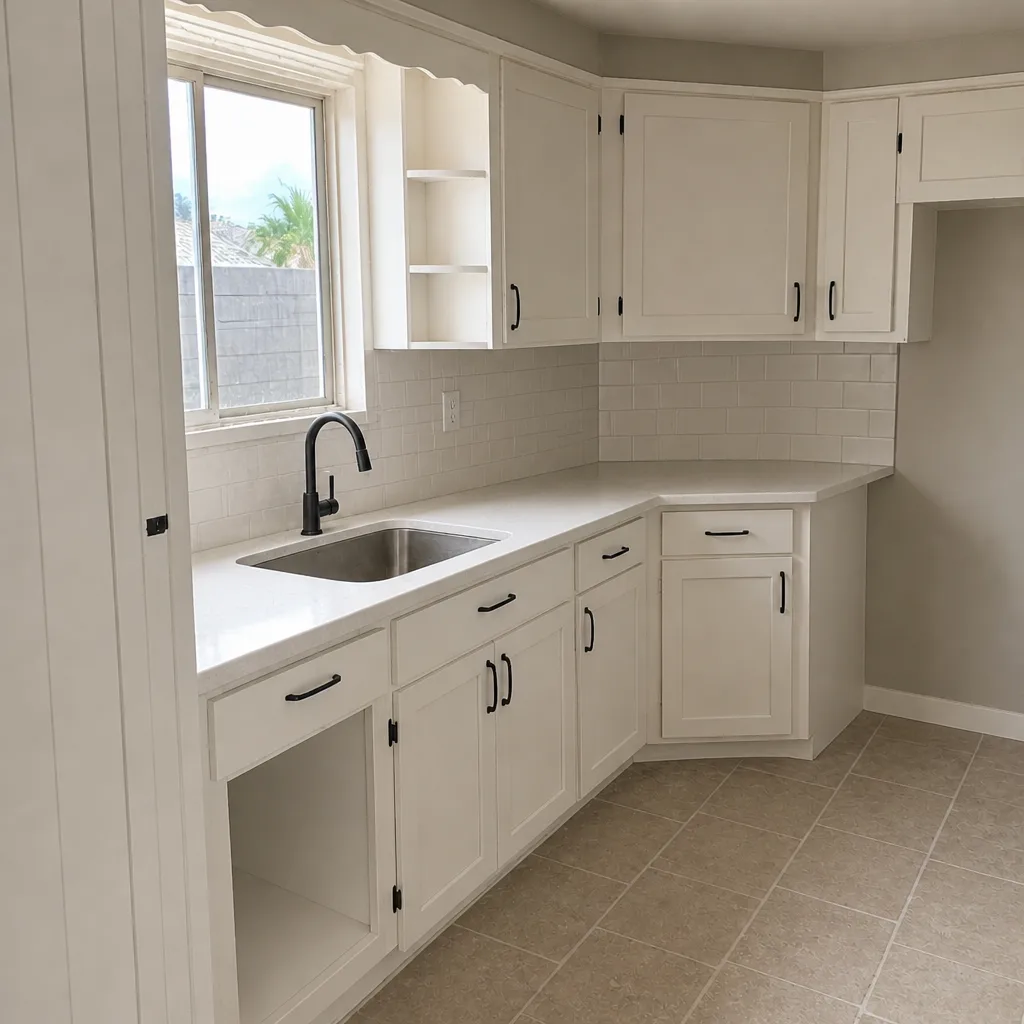 After
Home Addition vs. ADU in Mesquite, NV: Which One Fits Your Lot?
Choose an attached home addition unless your lot has a confirmed, compliant detached footprint and your HOA allows long-term rentals – and in Mesquite, that second condition is where most ADU plans quietly die. Before you price out a detached unit, check the buildable footprint. Many Sun City and Highland Hills parcels are too narrow or too rocky to place a detached structure inside Clark County setbacks, which ends the comparison before budget even enters the conversation. Our team at Groundwork Construction Co. of Mesquite runs that feasibility check first, at no cost, so you’re deciding between two real options instead of two hypothetical ones. Call (888) 413-6358 and we’ll tell you which path your lot actually supports.
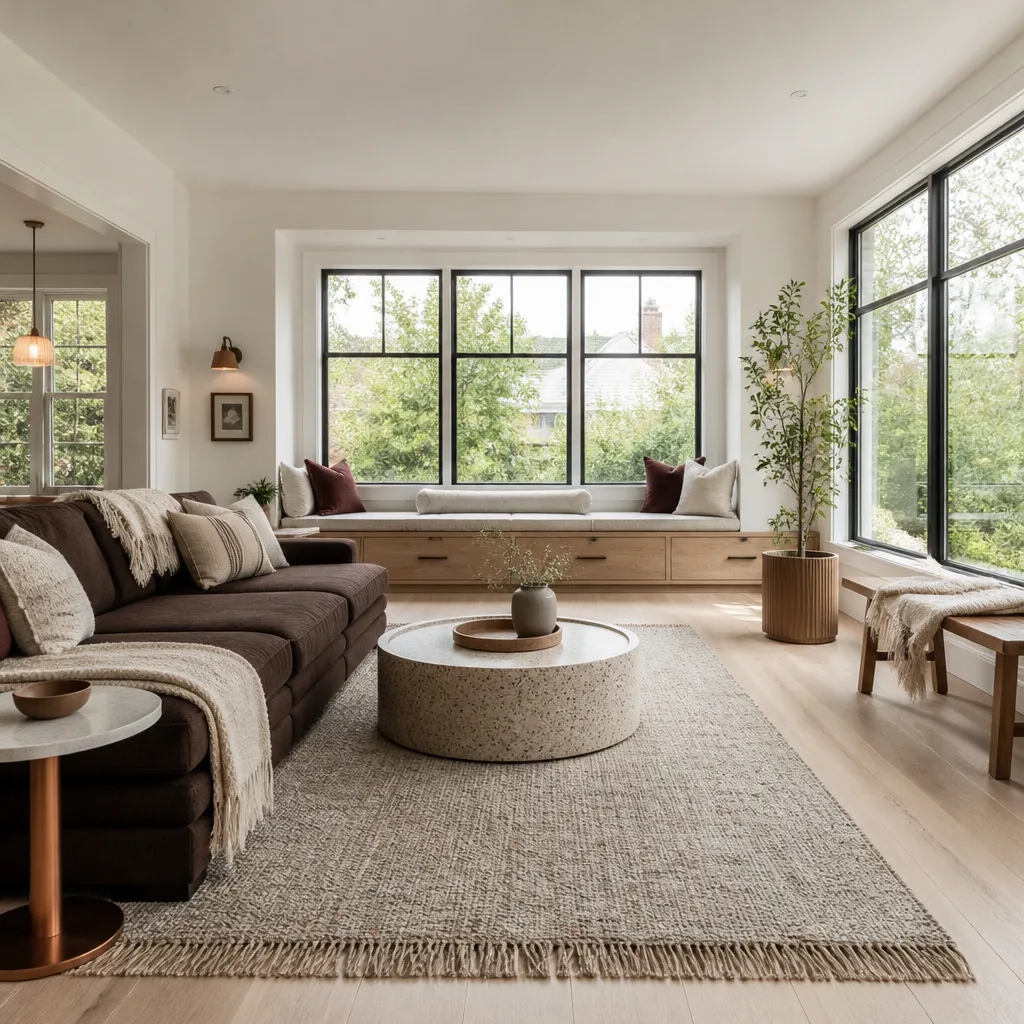
Why the Lot Decides Before the Budget Does in Mesquite
Mesquite sits in the Virgin River gorge, and that geography shows up in every parcel. The housing stock splits between 1980s-2000s stucco-on-frame single-family homes in the golf-course communities and a newer wave of 2010s-2020s custom builds and townhomes. The newer builds often sit on tight, irregular lots carved around fairways and washes. A detached ADU needs its own footprint with full setback clearance on all sides, its own utility trench, and its own drainage plan. An attached addition borrows the existing structure’s footprint and, in most cases, its drainage grade.
On some Sun City parcels we’ve walked, the only flat, buildable ground is already occupied by the main house, the driveway, and the AC pad. There is no honest place to put a detached unit that stays code-compliant. That’s not a sales pitch for additions – it’s simply what the lot says when you measure it.
What we look at during a lot-feasibility review
- Setback clearance on all four sides for a detached structure
- Slope and rock – how much excavation a detached footing actually requires
- Floodplain position relative to the Virgin River wash (more on this below)
- Existing utility capacity and where a new line would run
- HOA governing documents, specifically rental restrictions
- Whether lateral load for an attached addition can tie into the existing frame cleanly
The Utility Math: Why an Addition Skips a 6-10 Week Detour
An attached addition doesn’t require a separate utility connection. In Mesquite, that means skipping Virgin Valley Water District capacity review and NV Energy service review for a new meter – a process that can add 6-10 weeks to your timeline and $5,000-$15,000 in connection fees to a detached ADU. Those numbers are connection cost, separate from construction. On a $45,000-$130,000 addition, a few thousand dollars in avoided fees matters less than the two and a half months you get back. On a tighter schedule – say you’re building for a parent moving in this winter – it can matter a great deal.
An ADU’s standalone utilities also mean a standalone trench, a separate panel, and a separate meter that someone has to read and bill. That’s not a dealbreaker, but it should be in the spreadsheet before you start, not after.

HOA Rules Can End the ADU Income Case Overnight
ADUs generate rental income potential that attached additions do not – on paper. But Mesquite’s HOA communities frequently prohibit short-term rentals like Airbnb and VRBO. If you’re counting on weekly vacation-rental income to justify a $90,000-$220,000 ADU, read your CC&Rs before you read a single floor plan. In several Sun City and Highland Hills associations, the income thesis for a detached unit is eliminated by the governing documents, and what’s left is a very expensive mother-in-law suite.
An attached addition doesn’t promise rental income either, but it also doesn’t trigger those short-term-rental clauses. If your actual goal is housing family, see our Home Additions & ADU page for the full build picture on both paths. If your goal is genuine monthly income, be honest with yourself about what your HOA permits first.
How Each Path Appraises – and Why That Changes the Decision
An addition increases the main home’s appraised square footage directly. An ADU adds value differently – it’s appraised as an income-property component, valued on its own merits rather than as more of the house. That distinction matters depending on why you’re building. If you’re building equity to sell, an addition folds straight into the comparable-sales math your appraiser and buyer will use. If you’re building a living arrangement for family – a parent, an adult child, a long-term guest – the ADU’s separate entrance and separate kitchen often serve that purpose better than any addition can, and resale is a secondary concern.
Code Reality: Both Paths Are Hard, but For Different Reasons
Clark County seismic and wind codes apply to both project types. Here’s where they diverge: an addition tied to an existing structure requires a lateral load analysis of the whole building, because the new square footage changes how the original frame resists wind and seismic forces. An ADU is evaluated as a standalone structure, which sometimes makes it structurally simpler to permit – no analysis of what the existing house does under new load. Simpler to permit, not simpler to build. Detached units in this gorge still deal with the same high-wind funneling, the same 105°F-plus summers, and the same desert-adaptive detailing.
And there’s a drainage wrinkle specific to this corner of Mesquite: Clark County’s floodplain rules for the Virgin River wash mean even small additions on the north side often trigger a drainage study. Builders here also know a slab poured in July can crack from heat gain within hours unless evaporation retarders and shade are used on the pour. None of that changes between the two paths – it just changes where the cost lands.
Side-by-side: addition vs. ADU in Mesquite
| Factor | Attached Addition | Detached ADU |
|---|---|---|
| Typical Mesquite cost | $45,000-$130,000 | $90,000-$220,000 |
| New utility connection | None – uses existing service | Yes – 6-10 weeks, $5,000-$15,000 in fees |
| Appraisal treatment | Adds to main home’s square footage | Valued as income-property component |
| Structural review | Lateral load analysis of whole building | Evaluated as standalone structure |
| Rental income | No separate rental unit | Possible – but check HOA short-term rental rules |
| Lot requirement | Fits most Mesquite parcels | Needs compliant detached footprint |
Where Groundwork Fits In
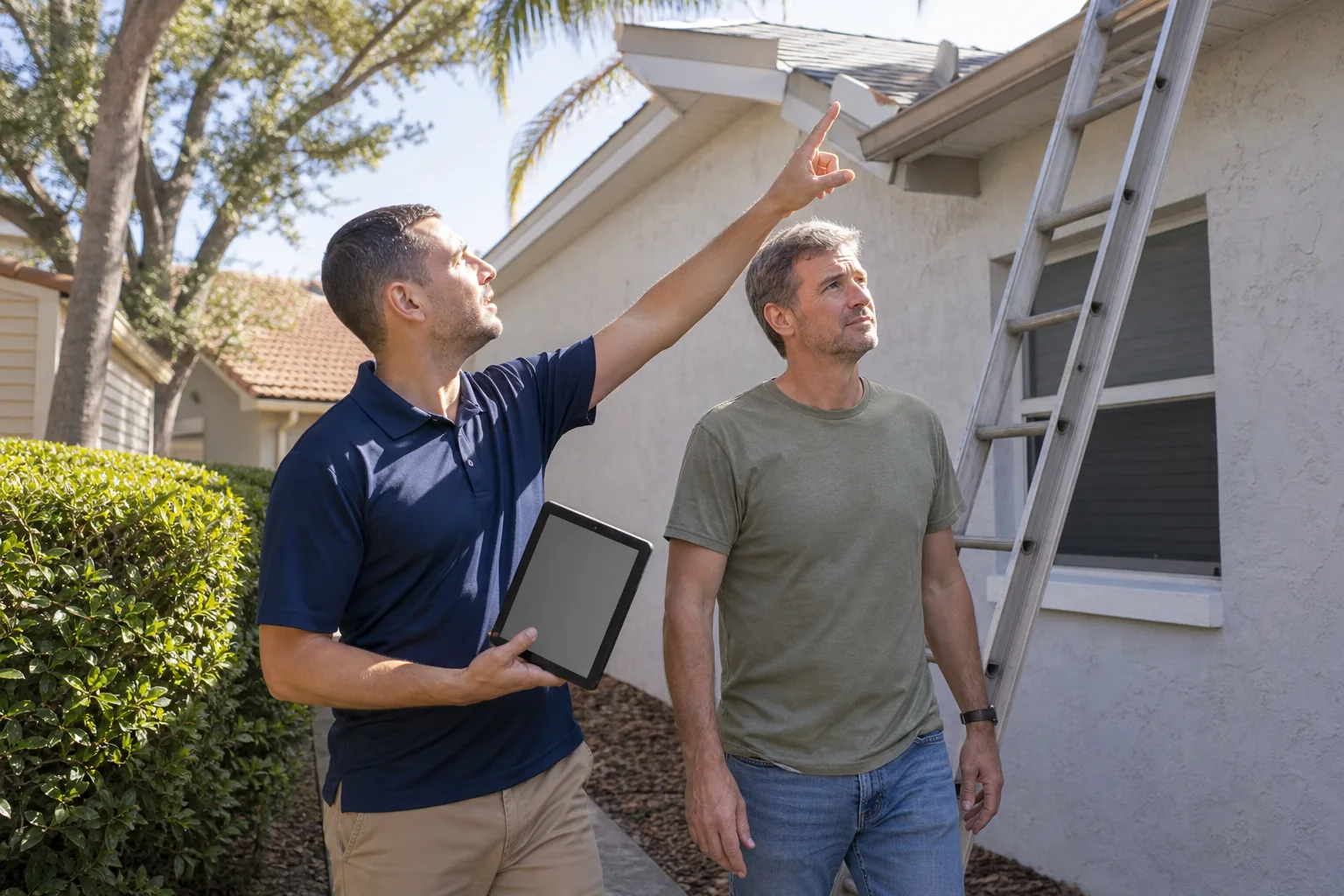
We offer a no-cost lot-feasibility review before quoting either path, and we do it because in Mesquite the land itself often makes the decision. It’s better to tell you the truth upfront than to design something we can’t permit. From there, both project types fall under our 730-Day Done Right Promise – one of the longest workmanship guarantees in residential construction. You’ll work from a single scope, a single budget, and a single point of contact from foundation to finish. Our technicians have up to 12 years of experience, and every crew is background-checked and arrives in uniform. We handle the full scope, from the structural package through finishes on Mr-Glass windows and Therma-Tru doors. Start with our home page to see the full range of work we take on.
FAQs
An attached home addition is almost always cheaper in Mesquite, typically running $45,000-$130,000 against $90,000-$220,000 for a detached ADU. The gap comes from separate utility connections, a separate foundation and structure, and the 6-10 weeks of capacity review a new meter requires. Call (888) 413-6358 for a free lot-feasibility check – estimates are free and we’ll give you an honest number for both paths.
Maybe – it depends entirely on whether your parcel has a buildable footprint with full setback clearance on all sides. Many lots in those communities are too narrow or too rocky for a compliant detached unit, and the floodplain rules for the Virgin River wash can add a drainage study on north-side parcels. We measure before we quote. Call (888) 413-6358 and we’ll look at your lot first.
Most Mesquite HOA communities restrict or prohibit short-term rentals like Airbnb and VRBO, so the rental-income case for a detached ADU often disappears before you break ground. Long-term rental rules vary by association and should be read in your CC&Rs before you commit to a design. If rental income is the goal, call (888) 413-6358 and we’ll walk through what your HOA actually permits before we draw anything.
An attached addition usually adds more reliable resale value because it increases the main home’s appraised square footage directly and folds into comparable-sales math. An ADU is appraised as an income-property component, which can work in your favor or against you depending on the market and the buyer. If you’re building for resale, call (888) 413-6358 and we’ll help you weigh the two against your actual neighborhood.
If you’d rather have it looked at, Groundwork Construction Co. of Mesquite offers a no-pressure assessment in Mesquite – call (888) 413-6358, and we’ll start with your lot, not a sales quote. Every project is backed by our 730-Day Done Right Promise, and our estimate includes 0% financing for 18 months plus $1,000 off projects over $10,000.
Written by the team at Groundwork Construction Co. of Mesquite, serving Mesquite, NV.