

Free written scope consultation - allowances, timeline, and change-order rules on paper before a single trade is scheduled
Styles & brands we work with
- Kitchen remodeling
- Bathroom remodeling
- Home additions & ADU
- Roofing
- Windows & doors
- Driveway & pavers
- Fence
See the difference
 Before
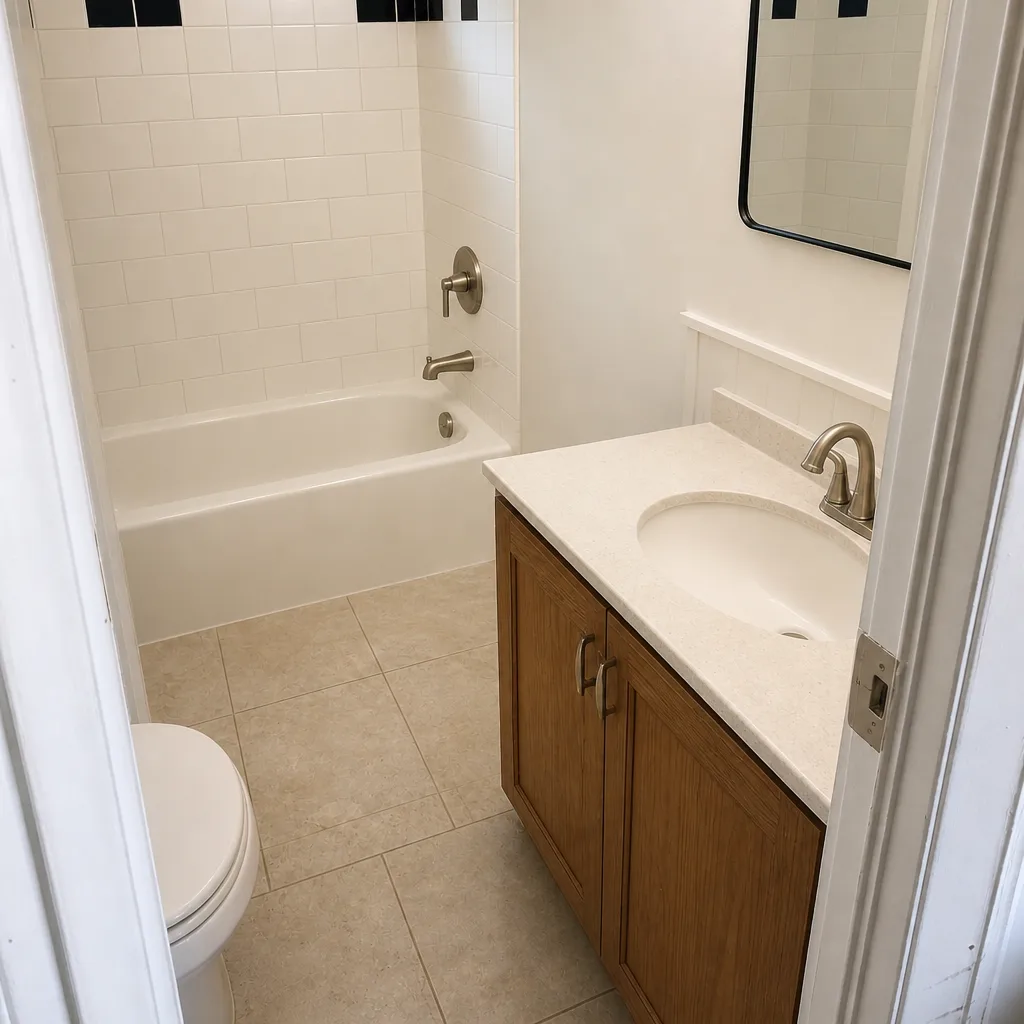 After
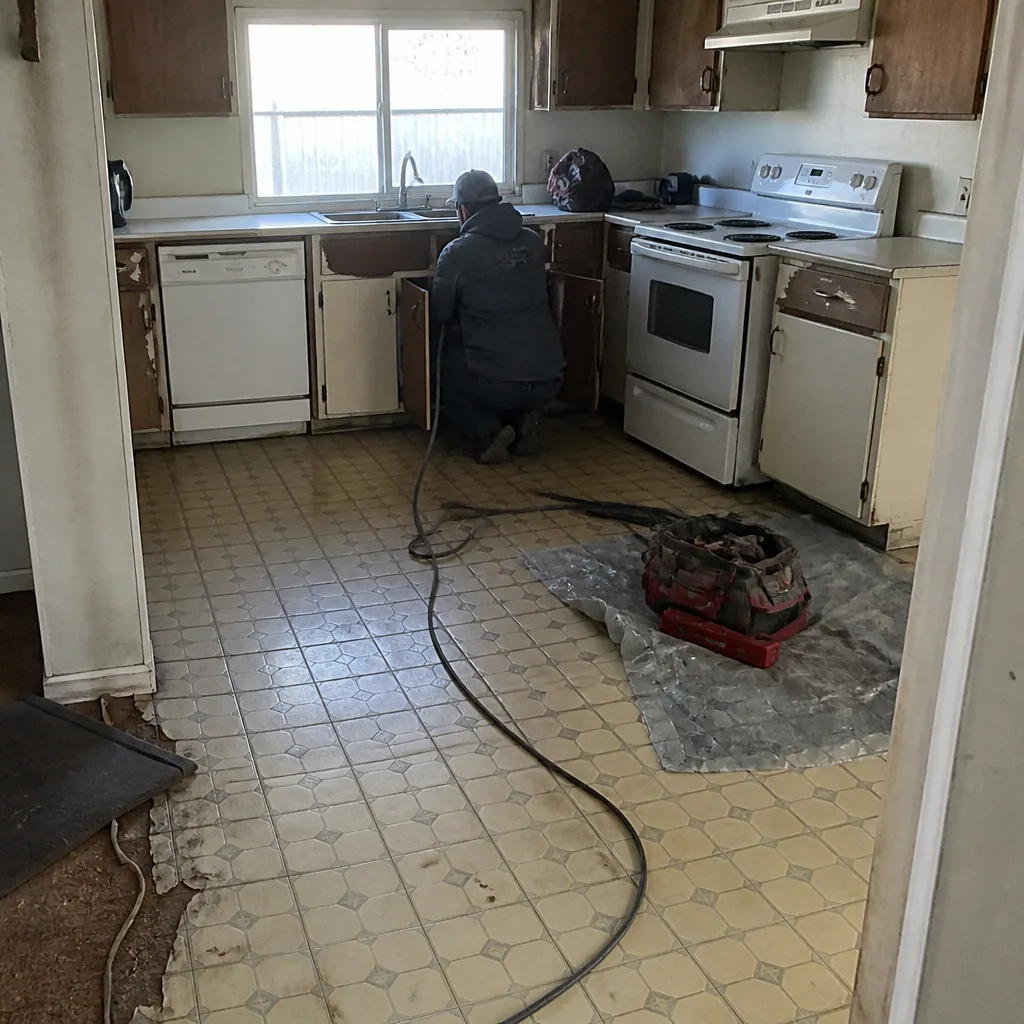 Before
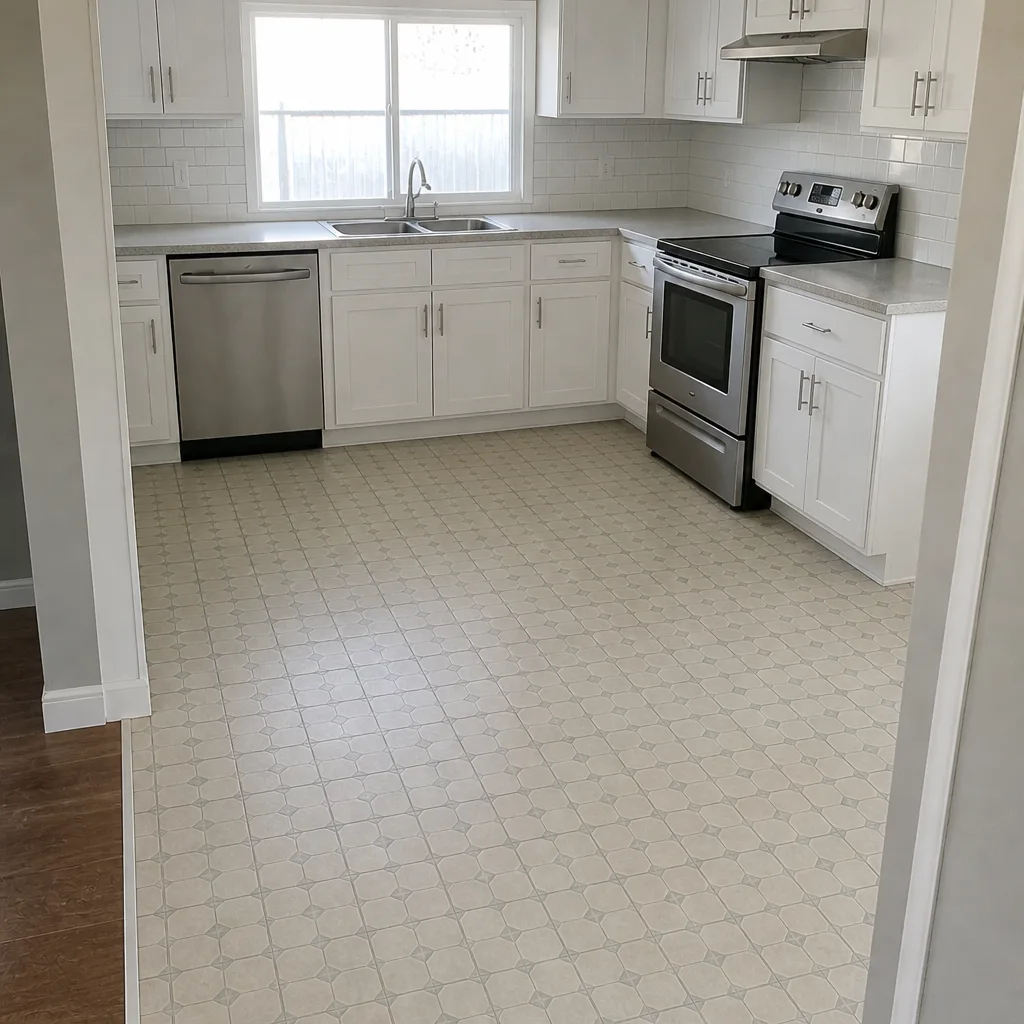 After
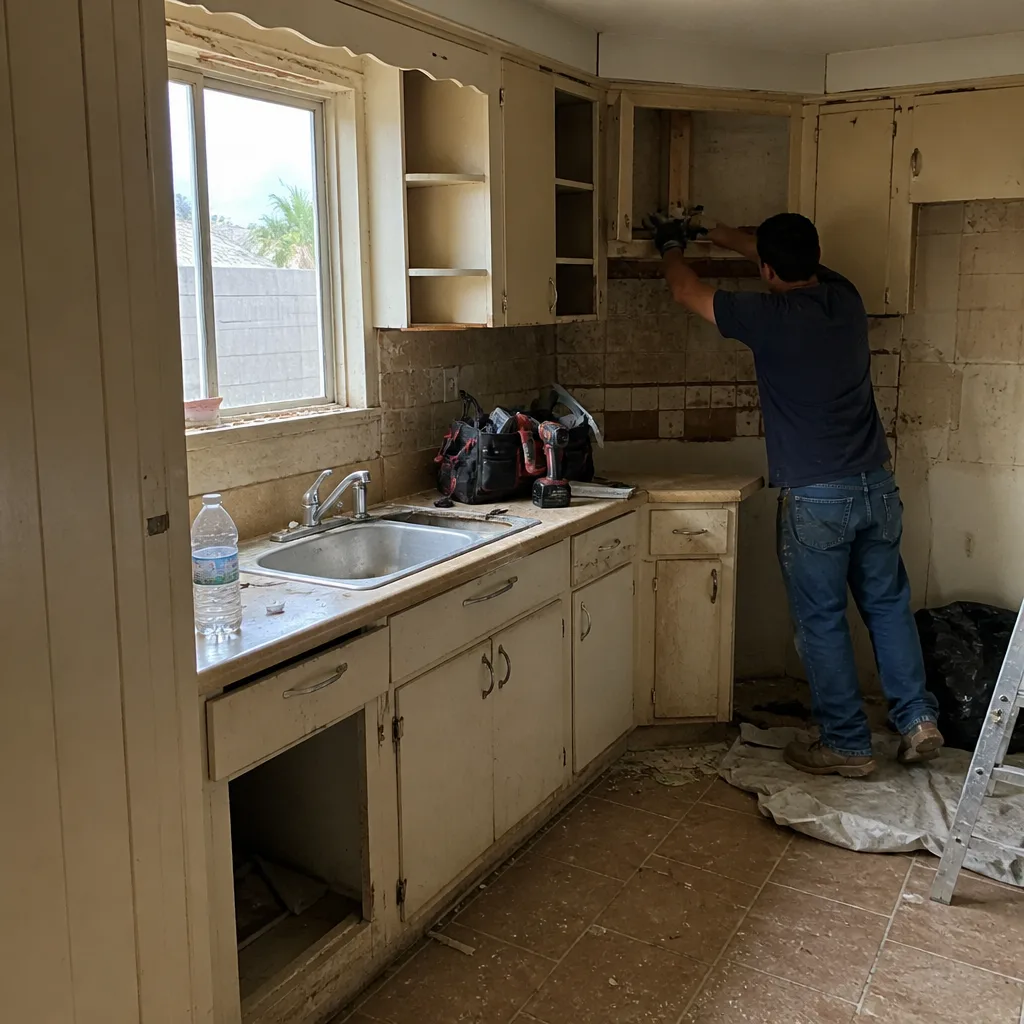 Before
 After
Storm Damage Roof Repair in Mesquite, NV: What Actually Fails Here
Storm damage roof repair in Mesquite almost never looks like the hail-dented shingles you see on insurance company websites. It looks like lifted clay tile on a Sun City roof, failed flashing around a valley, and water entry that only shows up during a 45-minute August monsoon. If you’re searching “storm damage roof repair near me” in Mesquite right now, call (888) 413-6358. We answer live, 24/7, and we can get a background-checked technician out to document what the wind actually did before the next storm finds the same weak point.
Mesquite sits inside the Virgin River gorge, and that geography decides how roofs fail. Wind funnels through the gorge and accelerates as it hits the ridgelines of the golf-course communities, then monsoon rain arrives in short, violent bursts that overwhelm flashings before the water has anywhere else to go. Repairing that kind of damage is a different job than running a hail-and-wind insurance template.
Why Mesquite Roofs Fail Differently Than the Rest of Nevada
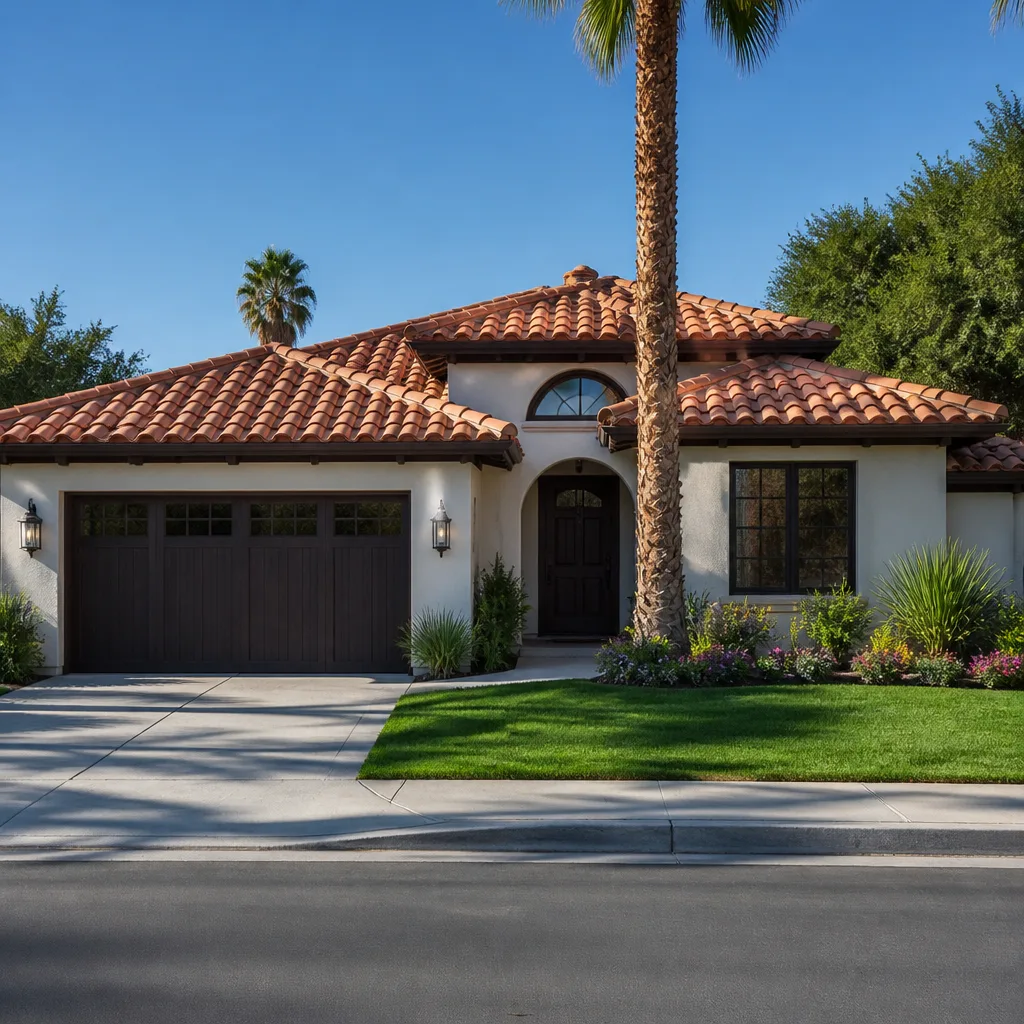
The local housing stock explains a lot. Sun City and Highland Hills are full of 1980s-2000s stucco-on-frame homes with tile roofs that have been baking under summer highs above 105°F for decades. UV exposure dries out the underlayment and makes the sealant under ridge cap tile brittle. When a high-wind event rolls through the gorge, that brittle sealant is the first thing to let go.
On the 2010s-2020s custom builds and townhomes, the failure pattern shifts. These are mostly slab-on-grade with tile roofs, and the roof itself is newer, but the valleys and flashings still take the full monsoon volume. A flashing that was installed correctly in dry weather can still get tested beyond its design limits when a wash behind the house flash-floods and the wind drives rain horizontally under the tile field.
Here’s the part most homeowners don’t hear until it’s too late: the damage is often delayed. Attic insulation can absorb a meaningful amount of moisture for weeks before a ceiling stain shows up. By the time you see brown rings on drywall, the decking and insulation behind it have usually been wet for a while. That’s why we document every inspection with photos and a written report on the day we’re out, not a verbal “looks like you’ve got some damage.”
How We Assess Storm Damage (and Why Documentation Matters for Insurance)
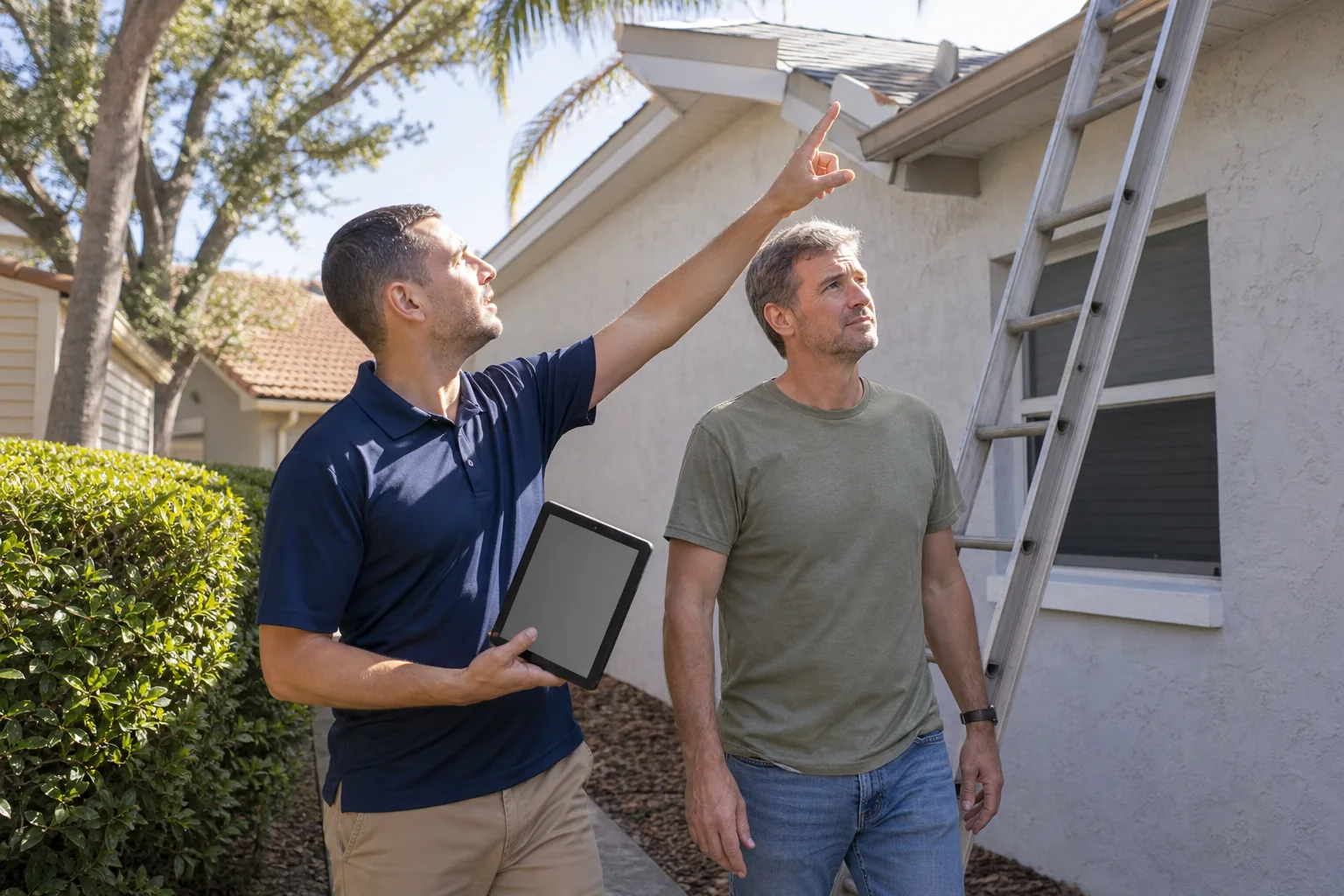
An insurance adjuster can’t do anything with “the roofer said it’s storm damage.” They need a written, photo-documented report that separates pre-existing wear from storm-caused damage. Our technicians produce that as a formal deliverable on every storm inspection, because it’s what the claim actually requires. Many local crews hand you a verbal estimate and leave you to reconstruct the story later.
What that report covers:
- Wind-displaced tile and shingle edges: Ridge cap tile, hip and ridge caps, and shingle tabs that lifted during the gorge wind event, photographed with close-ups and a diagram of where on the roof they sit.
- Flashing and valley failures: The monsoon intrusion points, marked and photographed before any repair begins so the adjuster sees the original condition.
- Attic-side moisture readings: Decking and insulation condition, because this is where the delayed-damage pattern shows up before the ceiling does.
- Pre-existing wear, flagged separately: Sun-cracked underlayment and aged sealant get documented as wear, not storm damage. That honesty is what makes the storm-damage portion of the report hold up.
If you’ve already had a storm and want a second look before you file, our Roofing team can walk the roof and give you the written report you need. We’re a full-scope construction company, so if the inspection turns up something beyond the roof, you’re not hunting for a second contractor.
Why Out-of-State Storm Chasers Don’t Belong on a Mesquite Roof
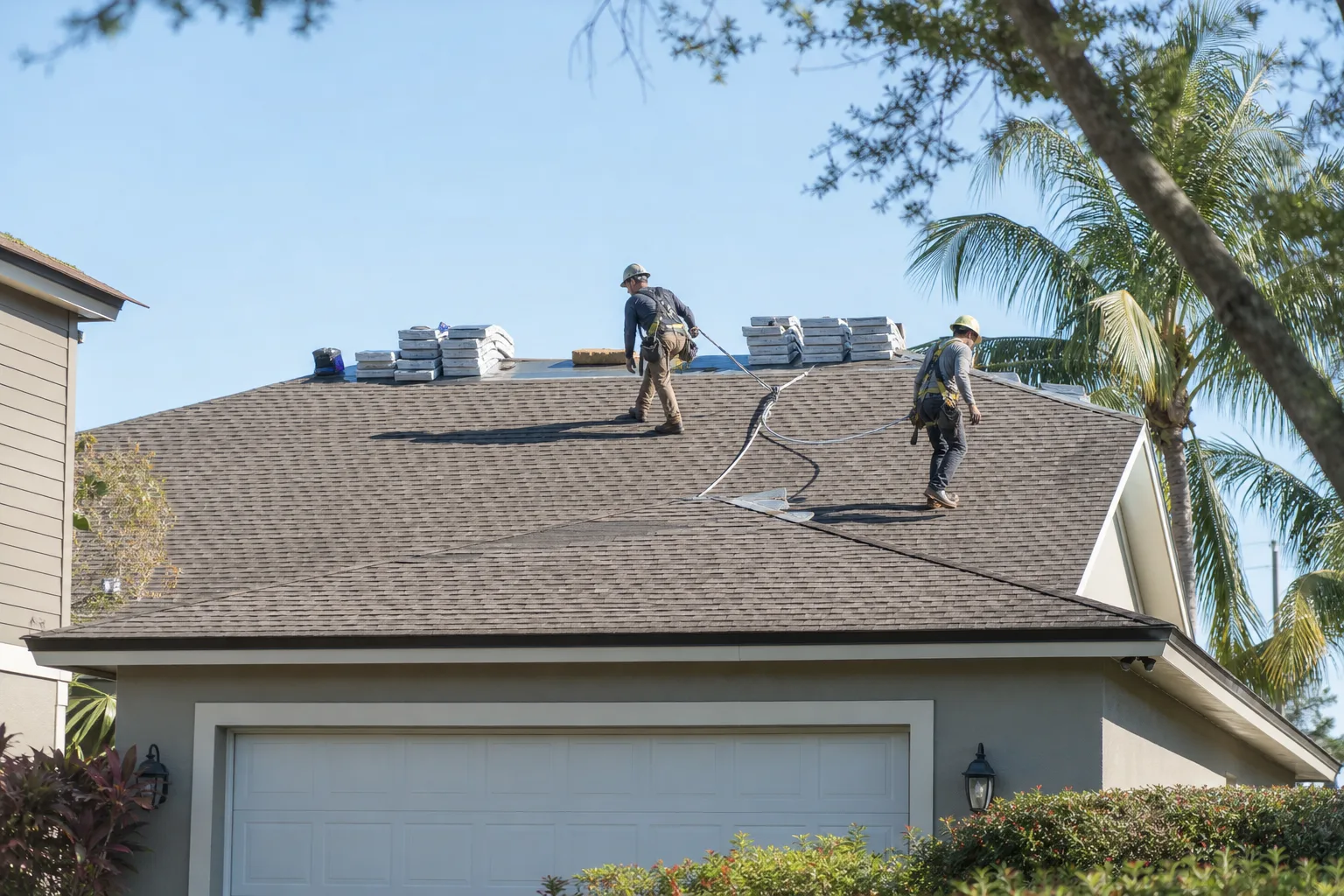
After a big wind or monsoon event, out-of-state roofing crews show up in Mesquite fast. They don’t know Clark County code. They don’t have supplier relationships here, so materials get trucked in at a premium. And when a repair fails two monsoons later, they’re gone.
Groundwork Construction Co. of Mesquite has been in business since 2014 and proudly serves local communities across its markets. Our technicians have up to 12 years of experience. That local standing matters in a very practical way: if a repaired flashing fails during the next monsoon season, you can reach us. Our Mesquite service area is not a seasonal stop for us.
We back storm repairs with the 730-Day Done Right Promise. If it isn’t done right, we make it right - including a repair done under post-storm pressure. If that same flashing leaks during the next August storm, we return and fix it. No renegotiation, no fine print. That’s one of the longest workmanship guarantees in the residential construction space, and it applies to storm repairs the same as it does to full replacements.
A Complication Specific to North-Side Homes and the Virgin River Wash
Clark County’s floodplain rules for the Virgin River wash mean that even small additions on the north side of town often trigger a drainage study. That has a direct effect on storm damage repair: if a repair requires a permit and the property is in or near the floodplain, the permit may require civil engineering sign-off before work can be approved. A storm-chaser crew that skips this step can leave you holding a permit problem that grows over time.
We navigate this upfront. On north-side homes and older properties near the wash, we flag the drainage study question at the inspection stage, not after the repair is underway. It’s a slower start to the job, but it’s the difference between a repair that closes cleanly and one that stalls at the county.
What Storm Damage Roof Repair Costs in This Market
Storm damage repair in Mesquite typically falls between $400 and $1,800 for targeted repairs like displaced tile, flashing, and valley work. Tile roof repair specifically runs $600-$2,500 depending on the extent of the displacement and whether underlayment needs replacing. If the storm exposed enough damage that a full replacement makes more sense, roof replacement in this market runs $8,000-$20,000, and metal roof installation runs $15,000-$40,000.
| Repair Type | Typical Range |
|---|---|
| Roof repair (targeted storm work) | $400-$1,800 |
| Tile roof repair | $600-$2,500 |
| Roof replacement (if storm damage is widespread) | $8,000-$20,000 |
| Metal roof installation | $15,000-$40,000 |
Upfront pricing, no surprises: the number you see is the number you pay. We also apply $1,000 off projects over $10,000 and offer 0% financing for 18 months, so a larger storm-driven replacement doesn’t have to land all at once. If you’re weighing repair against replacement, our free project estimate and design consult gives you the honest read on which makes sense for your roof and your claim.
When the repair calls for new components, we work with GAF and CertainTeed roofing materials, and matching interior finishes from Moen and Delta where water got far enough inside to reach a bathroom. Quality you can choose, not just availability.
FAQs
Storm damage roof repair in Mesquite usually runs $400-$1,800 for targeted work, with tile roof repair landing at $600-$2,500 depending on the tile type and how much underlayment got wet. If the storm damage is widespread enough that a replacement makes more sense, roof replacement here runs $8,000-$20,000. Call (888) 413-6358 for an exact quote - estimates are free.
Yes, we take storm calls live, 24/7, and can typically get a technician out the same day or next morning. Monsoon damage moves fast, and getting photos and a written report on the day of the event protects your insurance claim. Call (888) 413-6358 and we’ll lock in an inspection time.
No, and that’s the most common thing Mesquite homeowners miss. Wind-lifted tile and failed flashing often leak during a monsoon event without showing a ceiling stain for weeks, because attic insulation absorbs the moisture first. If you saw horizontal rain or heard wind-driven debris hit the roof, get an inspection even if the ceiling looks fine. Call (888) 413-6358 and we’ll check the attic side, not just the visible surface.
Repair is almost always cheaper when the damage is contained to a section, a ridge line, or specific flashings, and the rest of the roof still has years left. Full replacement only makes sense when the storm exposed widespread underlayment failure or when the roof was already near the end of its life. Our written inspection report tells you which side of that line you’re on, with the actual price ranges next to it. Call (888) 413-6358 for a free estimate.
Get Your Roof Documented Before the Next Storm
Every Mesquite storm season, the same pattern plays out: the first monsoon exposes damage the wind did weeks earlier, and the homeowner only finds out when a ceiling stains. Don’t wait for that. Call Groundwork Construction Co. of Mesquite at (888) 413-6358 for a free storm inspection and written estimate. We answer live 24/7, technicians arrive background-checked and in uniform, and every repair is backed in writing by the 730-Day Done Right Promise.
Written by the team at Groundwork Construction Co. of Mesquite, serving Mesquite, NV.
What Our Customers Say
"We lived in the house through the whole thing. He kept the dust wall up, cleaned every Friday, and made sure we always had a working bathroom."
- Craig Whitaker"He told me one part of what I wanted was a bad idea structurally and offered an alternative instead of just taking the money."
- Angela Wong"Change orders were written down and priced before the work happened, every single time. No surprise at the end."
- Keisha Robinson