

Free written scope consultation - allowances, timeline, and change-order rules on paper before a single trade is scheduled
Styles & brands we work with
- Kitchen remodeling
- Bathroom remodeling
- Home additions & ADU
- Roofing
- Windows & doors
- Driveway & pavers
- Fence
See the difference
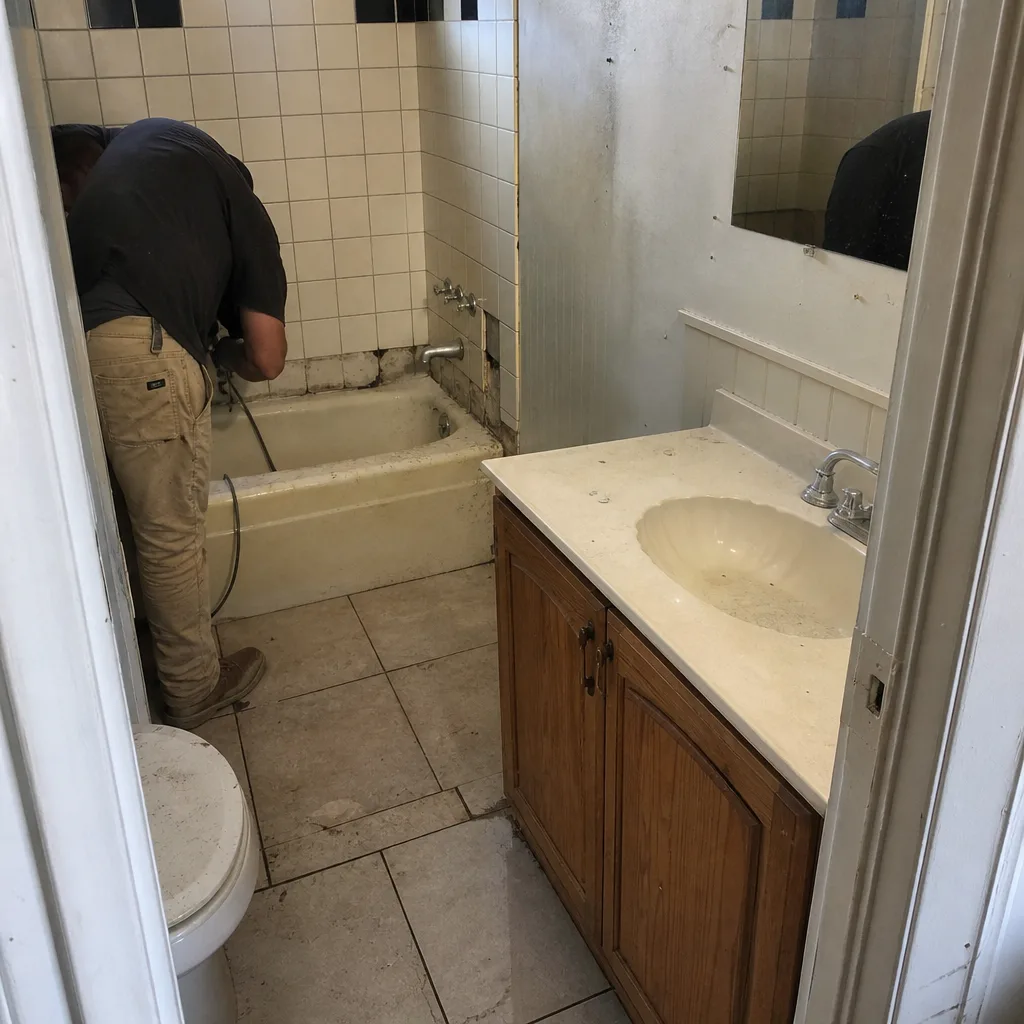 Before
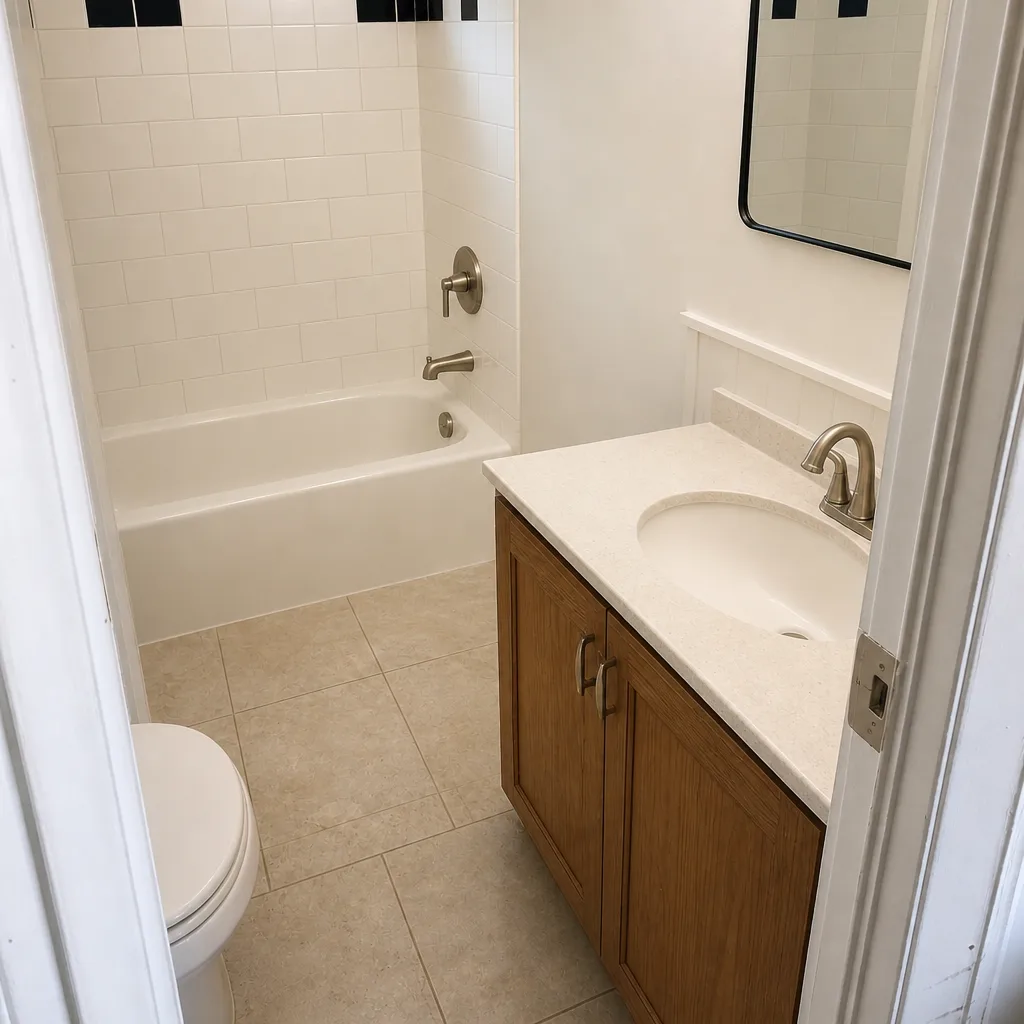 After
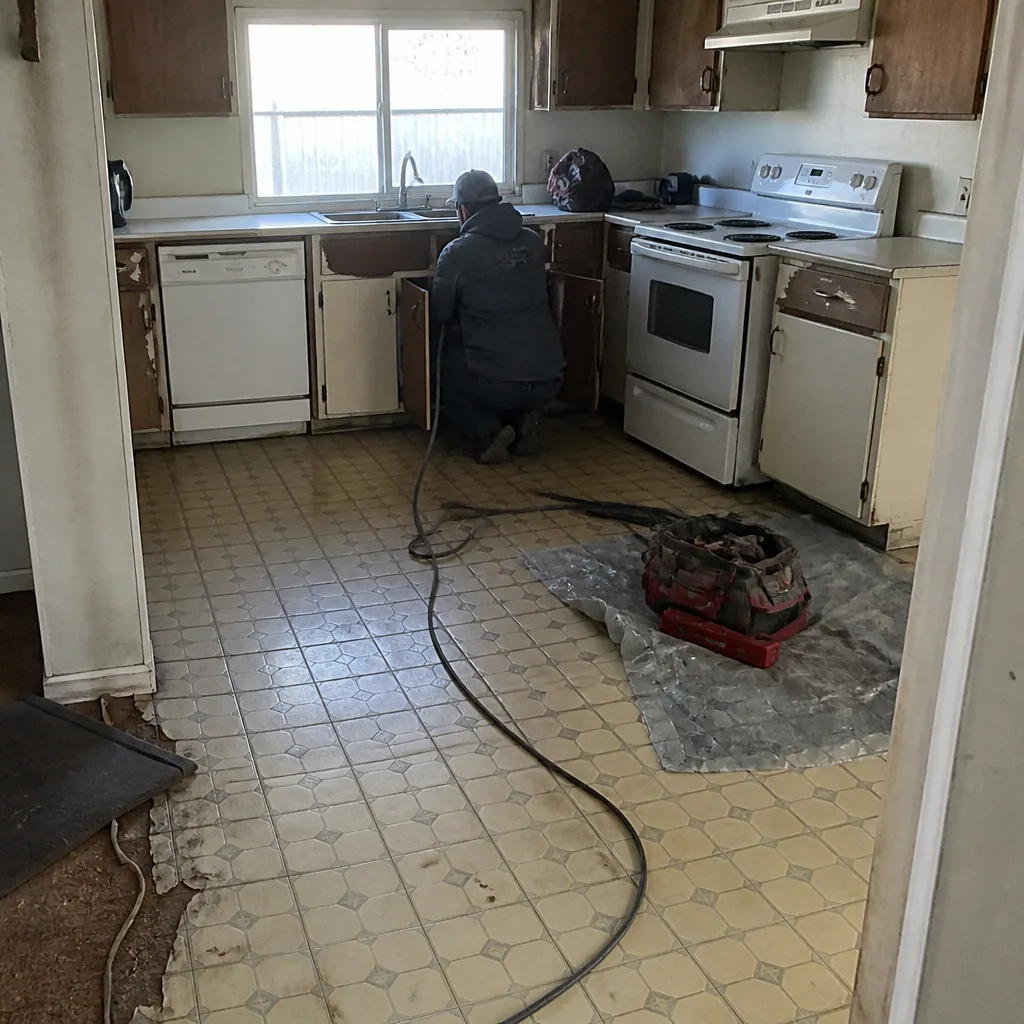 Before
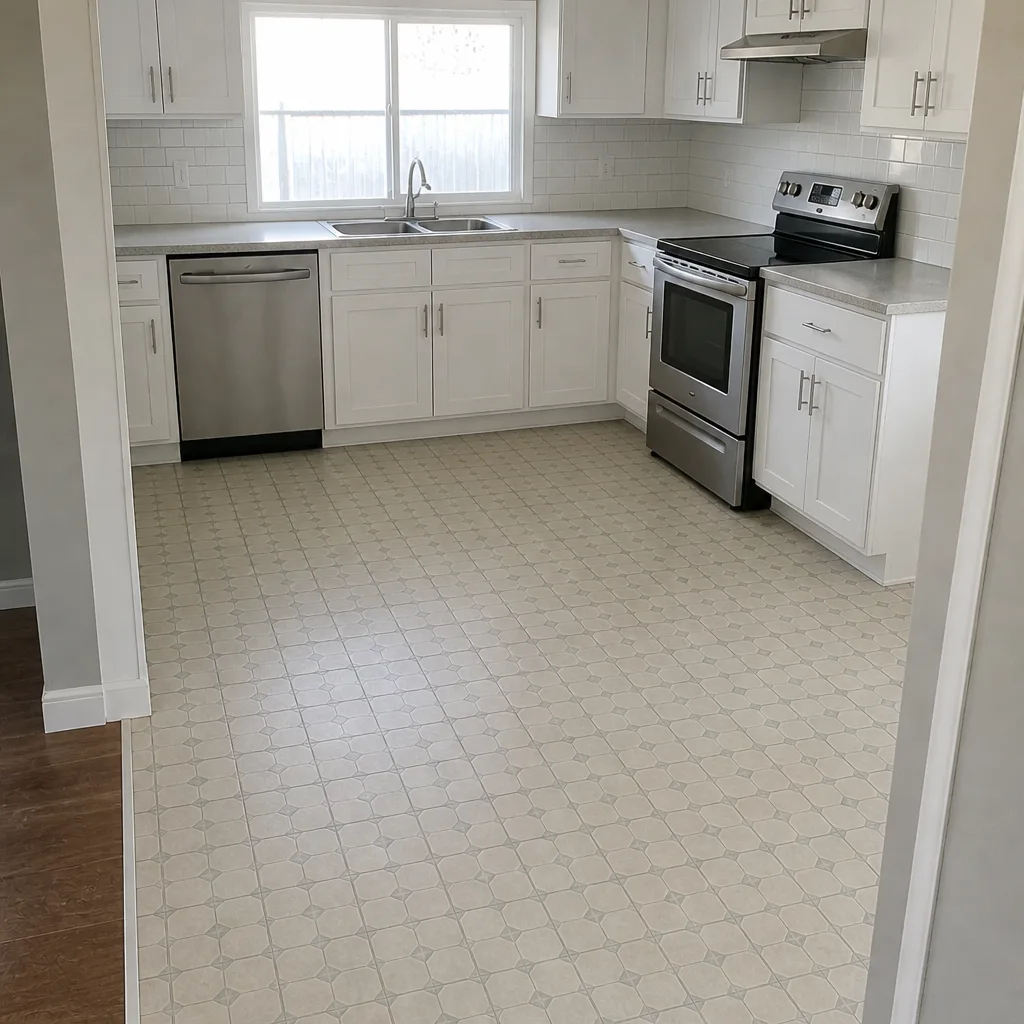 After
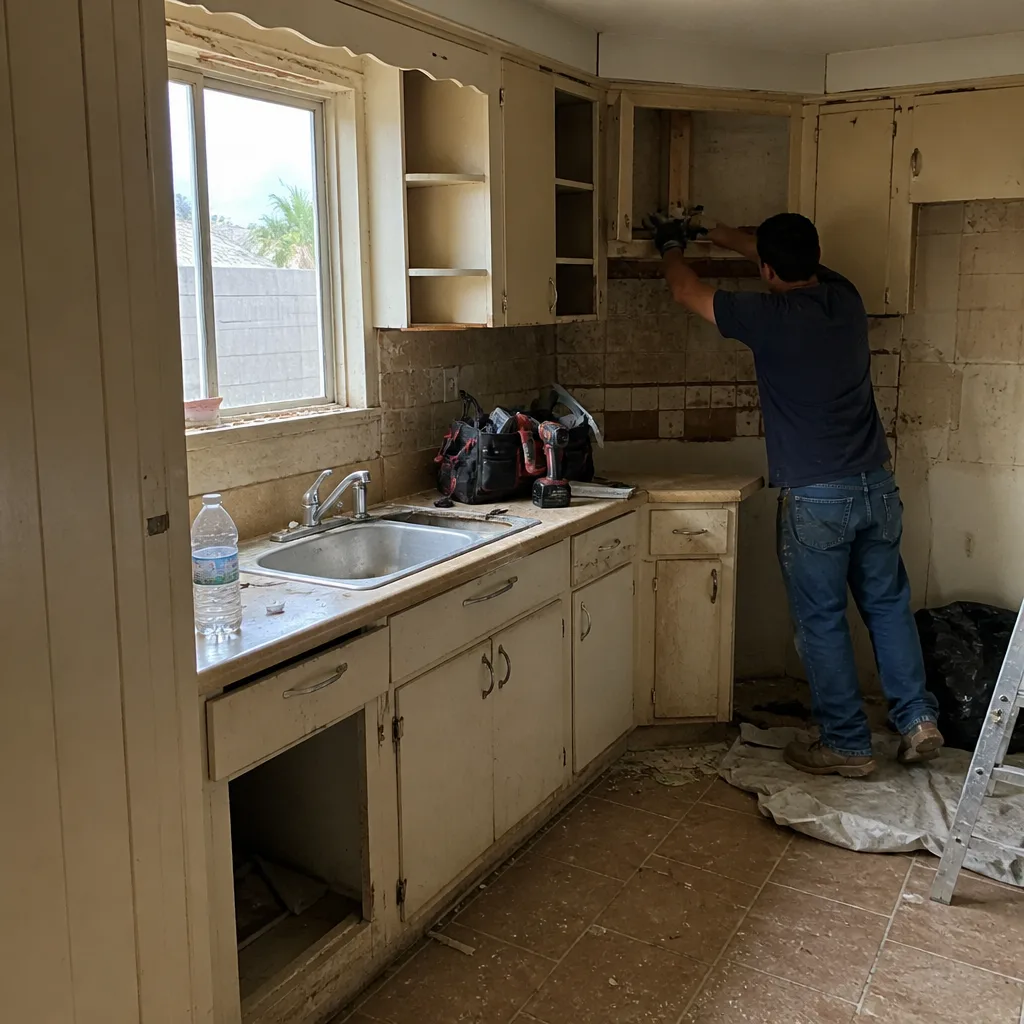 Before
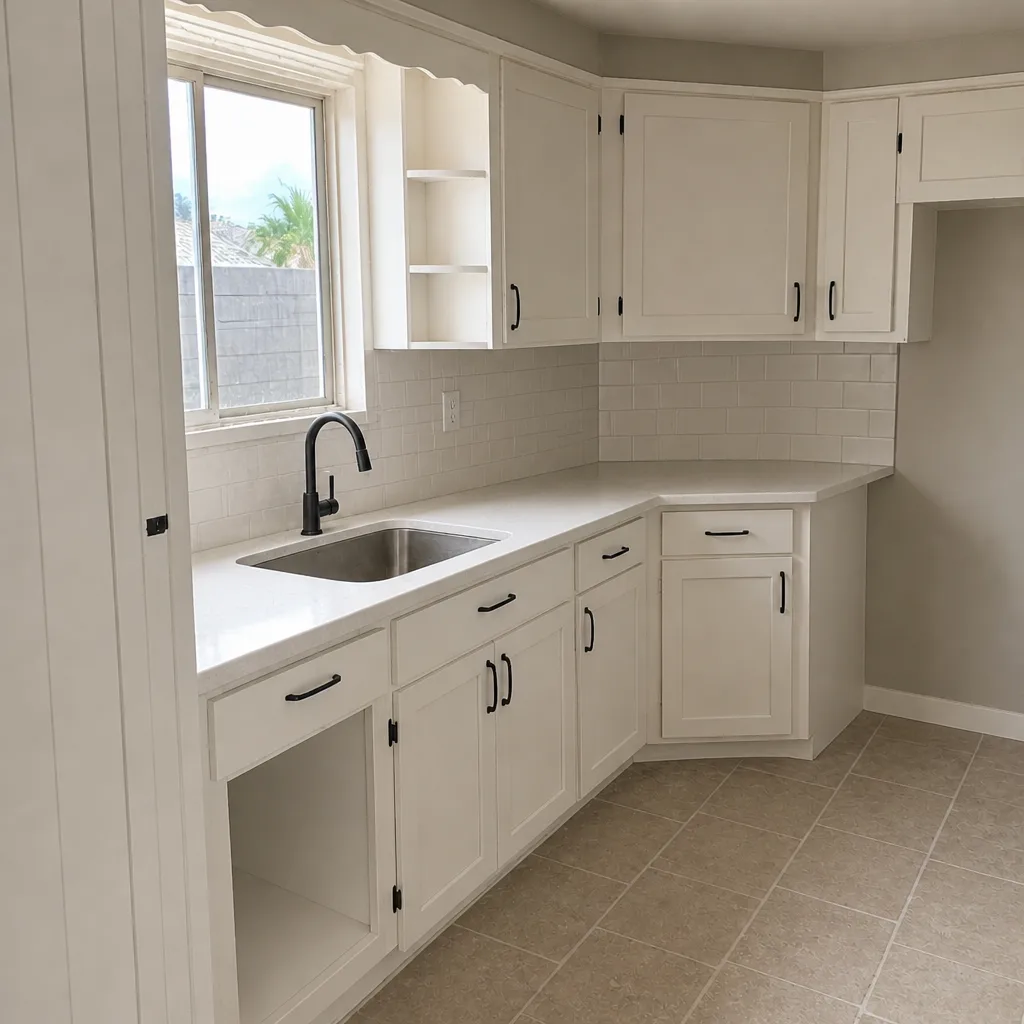 After
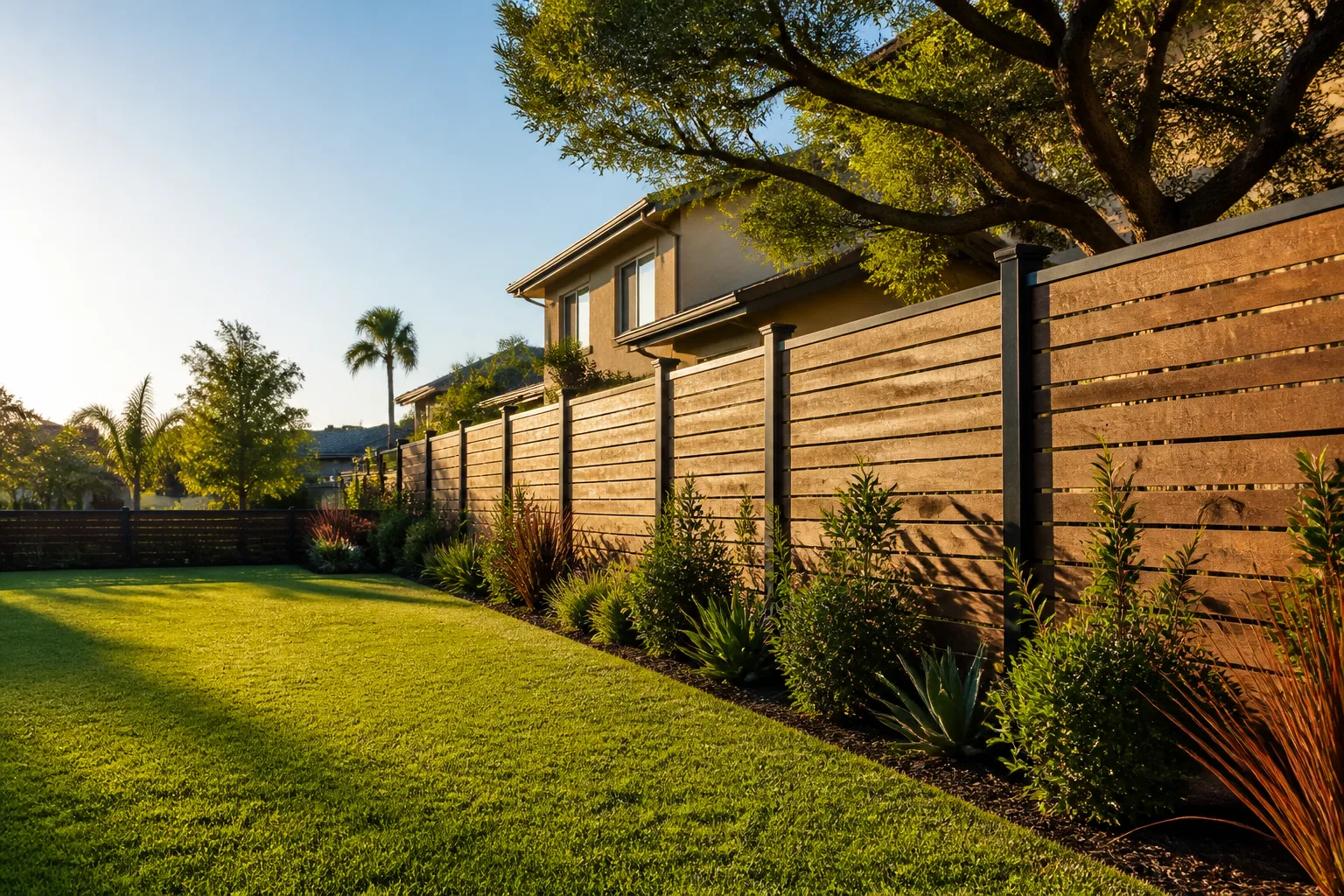
How Long Does a Wood Fence Last in Mesquite, NV? The Honest Answer Is Shorter Than the National Average
A wood fence in Mesquite typically lasts 7 to 10 years if it’s left unprotected, and 15 to 20 years when it’s built with the right species, properly sealed, and re-coated on a desert maintenance schedule. The national “15 to 20 year” figure you’ll find on most fencing sites assumes a temperate climate. Mesquite isn’t that. Our summers push past 105°F with relentless UV, and monsoon-season runoff races through the washes on the north side of town. A cedar fence installed here in June and left bare can start surface checking by September, an issue that’s covered under the 730-Day Done Right Promise for our customers. If you want a straight read on your specific fence line, call (888) 413-6358 and we’ll walk it with you.
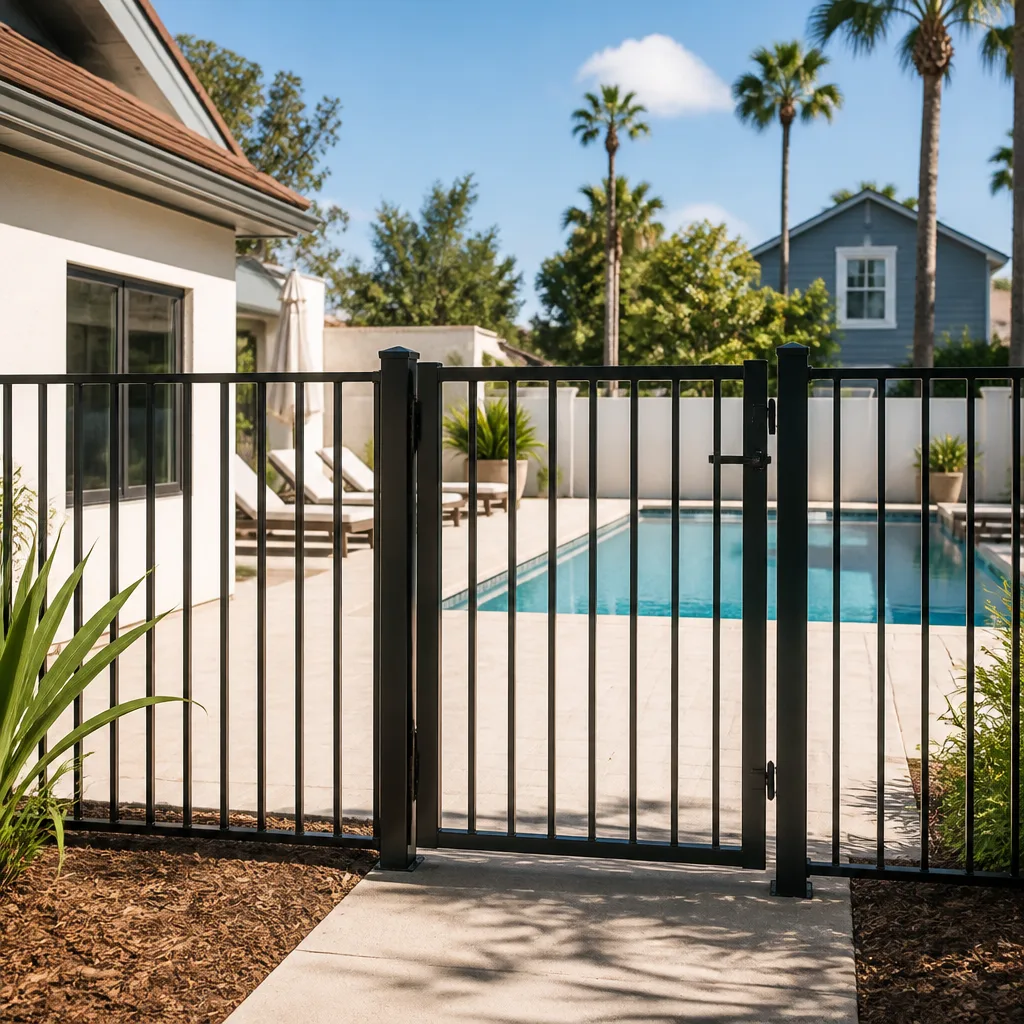
Why Desert UV Cuts a Wood Fence’s Life Short
Sun damage on wood isn’t cosmetic. It’s structural. Intense UV radiation breaks down lignin, the natural polymer that holds wood fibers together. Once lignin degrades, the grain starts to separate and crack. That’s the surface checking you see on an unprotected board after a single desert summer.
The daily cycle makes it worse. In Mesquite, the sun pulls moisture out of the wood surface each day, and cooler overnight air lets it stabilize. Expand, contract, expand, contract, every single day. That micro-movement opens hairline cracks that let water in deeper the next time. In a temperate climate like Portland’s, wood stays closer to a moisture equilibrium year-round and this cycle is far gentler. Here, it runs fast.
If your existing fence looks chalky, gray, and cracked, you’re already past the point where a coat of sealer fixes what’s broken. A Fence Installation contractor can tell you in ten minutes whether you’re looking at refinishing or replacement. We’ve walked fences in Sun City and Highland Hills where the rails are sound but the boards are spent, and we’ve walked others where the whole thing has to come down.
Bottom-Rail Rot: The Failure Point Nobody Warns You About
UV gets the blame, but in Mesquite the most common killer of a wood fence is rot at the bottom rail and post base. Monsoon season sends flash floods down the Virgin River and through the washes, and low-lying fence lines hold standing water for hours after the storm moves on. Wood sitting in pooled water rots from the bottom up.
What to look for before you decide your fence has years left:
- Bottom rail sponginess. Press a screwdriver into the bottom rail at several points. If it sinks easily, the rail’s compromised, regardless of how the upper boards look.
- Post bases underground. A post set in soil with no gravel or concrete collar is a moisture sponge. Check for softness at soil level after the first monsoon.
- Ground clearance. Bottom rails should sit at least 2 inches above grade. Close-to-ground rails wick water faster.
- Greenery against the wood. Irrigation hitting fence boards keeps them wet. Drip lines routed against a fence accelerate rot in this climate.
- Base treatment. Rails that were dipped or end-cut treated before installation last noticeably longer than untreated cuts.
Builders here already work around the conditions. The Virgin River gorge funnels high winds through Mesquite, and Clark County’s floodplain rules for the wash mean even small site changes often trigger a drainage review. That same wind and water exposure is what hits your fence, and it shapes every material decision we make on a new install.
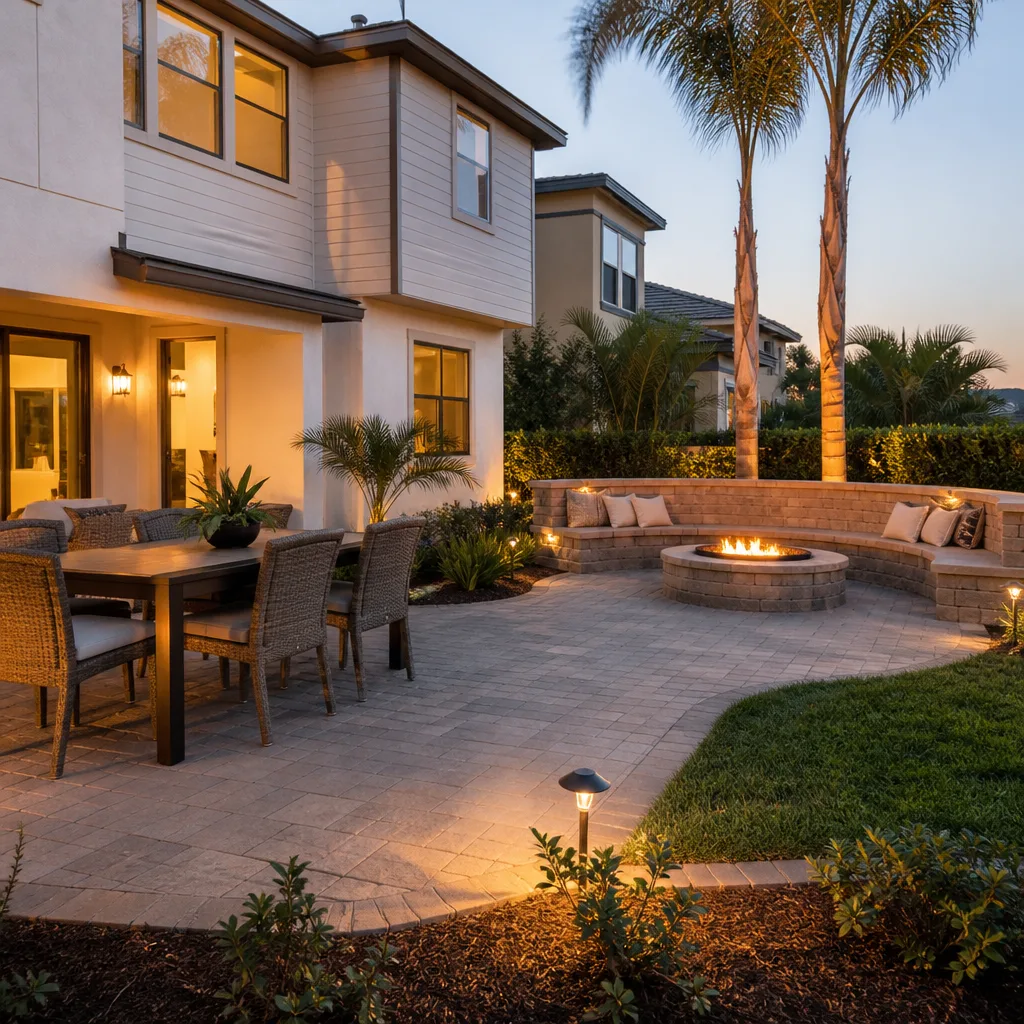
Pressure-Treated Pine vs. Cedar vs. Redwood in Mesquite
The species question flips in the desert. In a humid climate, cedar and redwood are the gold standard because their natural oils resist rot. In Mesquite’s low humidity, those natural oils dry out faster than the tree can replenish them. Cedar that’s never re-oiled gets crunchy and brittle under the UV load here.
Pressure-treated pine, properly sealed and maintained, performs better in Mesquite than most homeowners expect. It’s already chemically protected against rot, so the maintenance burden falls on the coating rather than on the wood’s own oil supply, which happens to be the right tradeoff in dry desert air. Quikrete and Sakrete post-setting mixes are what we reach for when setting posts, because a solid concrete collar at the base is what stops bottom-rail rot before it starts.
| Material | Expected Lifespan (Mesquite) | Best Use |
|---|---|---|
| Pressure-treated pine, sealed | 15-20 years | Most residential installs |
| Cedar, sealed and re-oiled | 12-18 years | Homeowners who want the look and will do the upkeep |
| Redwood, sealed | 12-18 years | Visible front-yard fencing |
| Untreated pine or cedar, no seal | 7-10 years | Not recommended in this climate |
Typical Fence Installation in Mesquite projects run $3,500-$9,000 depending on linear footage, material selection, and gate complexity. Vinyl runs $3,500-$9,000 and aluminum $4,000-$10,000 if you’re weighing wood against other materials. For a like-for-like comparison, ask your contractor to show you the total cost over 20 years, including re-coats and repairs. Wood usually wins on total cost, but only if it’s maintained on the desert schedule below.
The Mesquite Maintenance Timeline
Here’s the schedule we give every homeowner we install for in this city. Skipping any step is what moves a fence from the “15-year” column into the “7-year” one.
- Initial stain within 60 days of install. Fresh wood needs to dry out, but don’t wait past 60 days. After that, the UV gets a foothold.
- Re-coat every 2-3 years. Cooler climates can stretch to 4-5. Mesquite can’t. Our 105°F summers burn through a coating in half that time.
- Annual inspection after monsoon season. Every post base, every bottom rail. Push a screwdriver in. If it’s soft, fix it before next season.
- Re-oil cedar and redwood every 18 months. Skip this and you may as well have gone with untreated pine.
What does the 730-Day Done Right Promise actually cover? It covers our workmanship, installation, and setup. If a post we set rolls or a gate we hung doesn’t swing right, we make it right. It doesn’t cover the sun. That’s why material selection and the sealing schedule matter as much as the install itself. The guarantee protects your investment from our errors, not from the desert’s. Get the material choice right upfront and the guarantee is the safety net, not the plan.
Groundwork Construction Co. of Mesquite has been working here since 2014, and our technicians have up to 12 years of experience on projects across Clark County. We offer a free project estimate and design consult, and we answer calls live, 24/7, so you’re not leaving a message in a black hole. If you’re evaluating our work against another estimate, ask what species they’re proposing, what stain they’re using, and what they’d predict for a maintenance schedule. The answer tells you a lot about whether you’ll see 15 years or 8.
FAQs
Roughly 7 to 10 years in Mesquite, versus 15 to 20 in a temperate climate. The desert UV breaks down lignin in the wood surface and cracks the grain fast, and bottom-rail rot from monsoon moisture finishes the job. If your fence is bare, sealing it this season is the single cheapest way to extend its life. Call (888) 413-6358 for a free assessment of where your fence actually stands.
Pressure-treated pine, properly sealed, outperforms cedar in Mesquite’s low humidity. Cedar’s natural oils dry out faster than they can replenish in desert air, which is the opposite of how cedar behaves in wetter climates. Both work if you maintain them, but PT pine is the material we recommend for most installs here. Call (888) 413-6358 to talk through your specific fence line and budget.
Every 2 to 3 years in Mesquite, versus 4 to 5 in cooler parts of the country. The 105°F+ summers and daily UV load burn off a coating fast, and skipping the re-coat is what turns a 15-year fence into a 9-year one. Budget the re-coat as part of the ongoing cost, not a one-time job. Call (888) 413-6358 if you’d like us to look at what your fence needs this season.
Usually a repair, if the posts are sound and the rot is limited to a few rails or boards. In Mesquite, bottom rails and post bases fail first, so a fence that looks bad from the street often has plenty of life left in everything above the rails. We replace sections rather than whole fence lines whenever that’s the right call. Call (888) 413-6358 for a free estimate and we’ll tell you straight.
If you’d rather have it looked at than guess, Groundwork Construction Co. of Mesquite offers a no-pressure assessment anywhere in Mesquite. We’ll tell you what species you have, how much life it’s got, and what it would cost to extend it or replace it – upfront pricing, no surprises. Call (888) 413-6358 and a live person picks up.
Written by the team at Groundwork Construction Co. of Mesquite, serving Mesquite, NV.