

Free written scope consultation - allowances, timeline, and change-order rules on paper before a single trade is scheduled
Styles & brands we work with
- Kitchen remodeling
- Bathroom remodeling
- Home additions & ADU
- Roofing
- Windows & doors
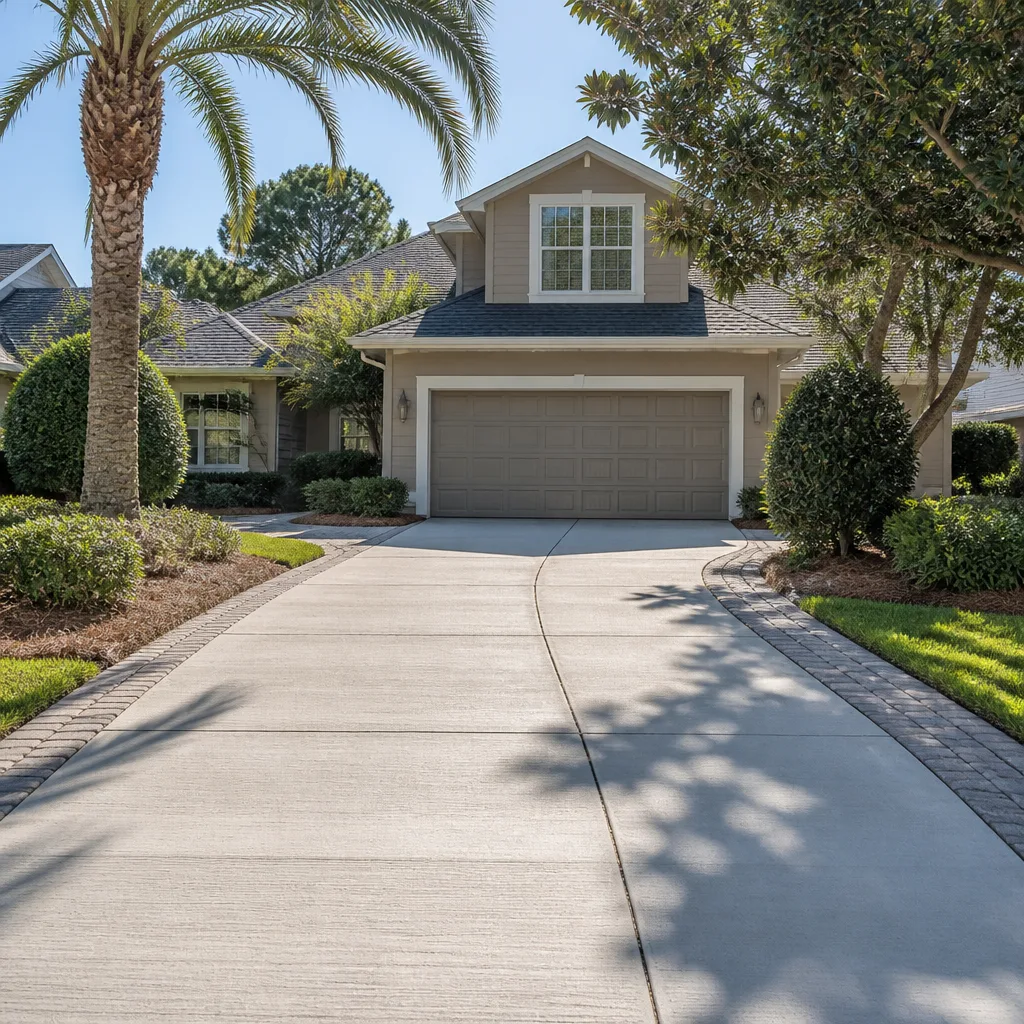
- Driveway & pavers
- Fence
See the difference
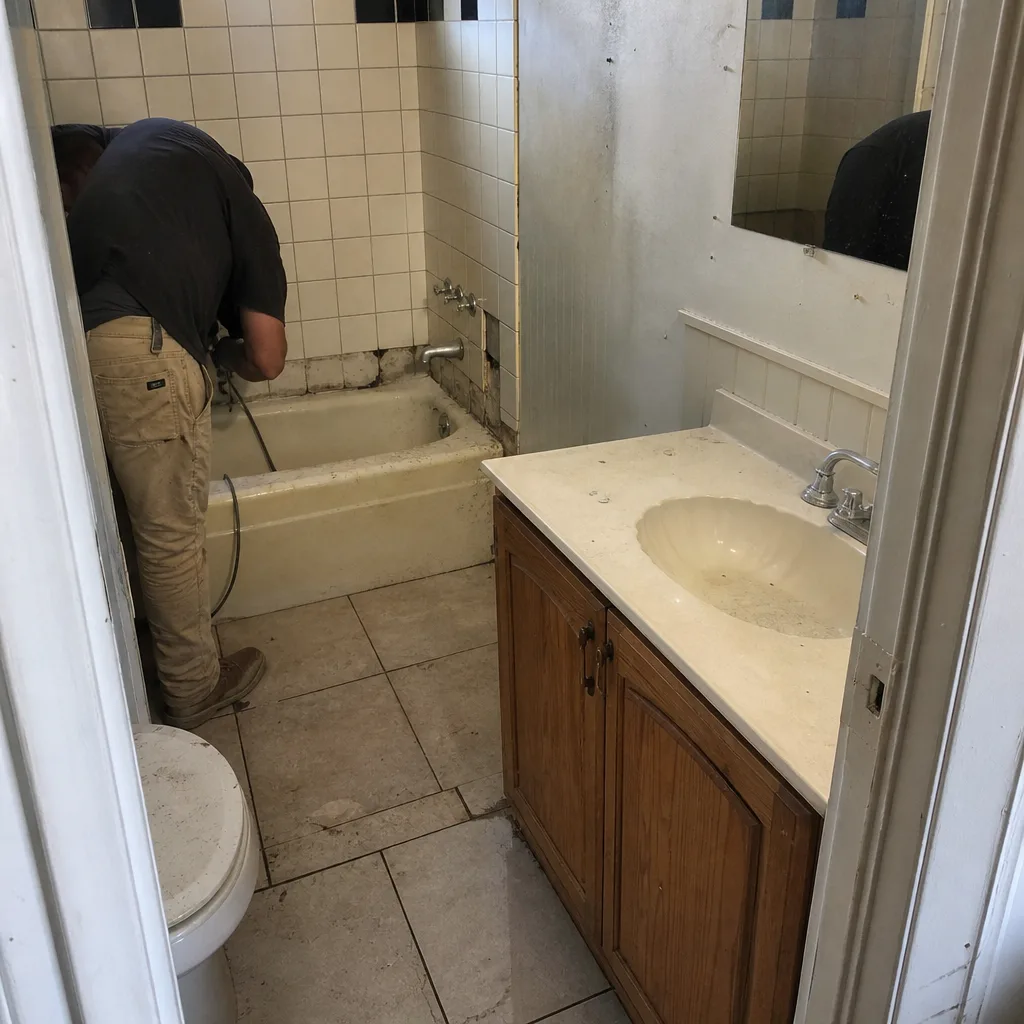 Before
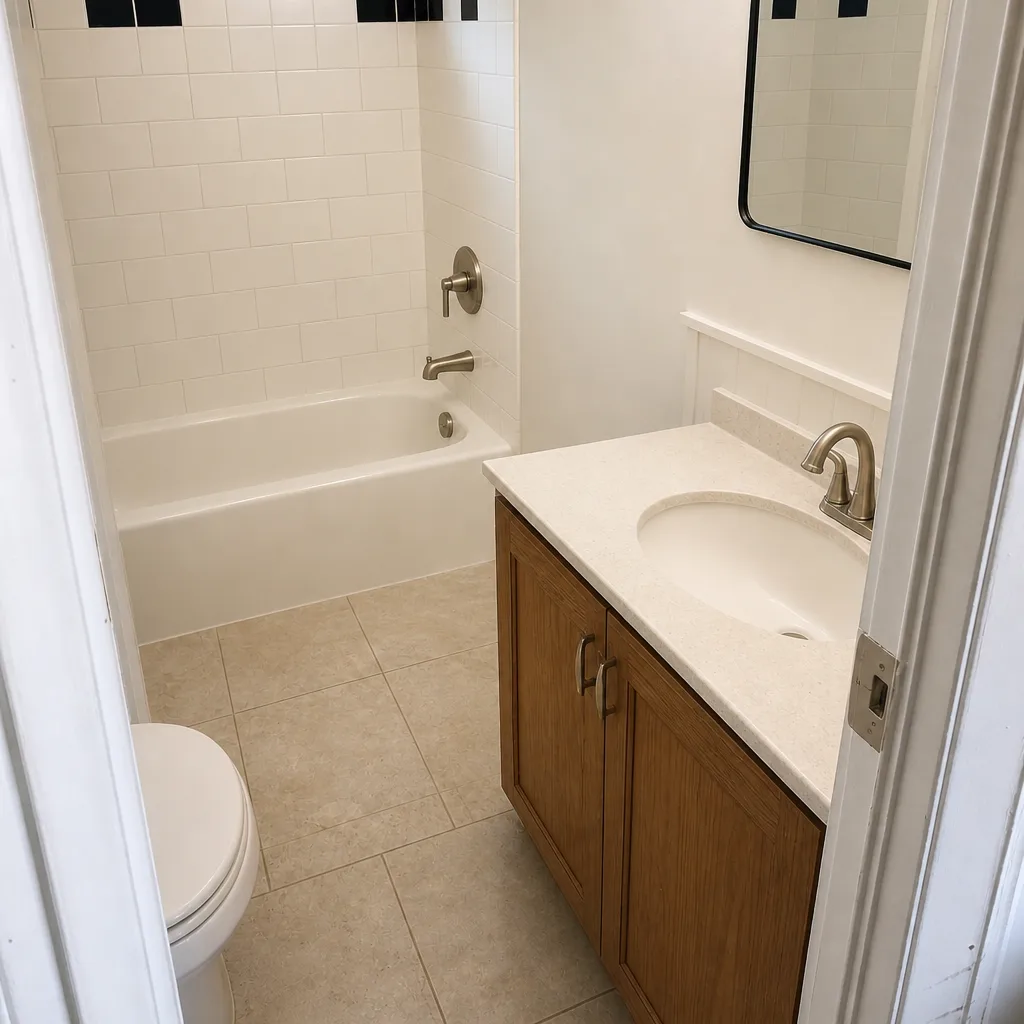 After
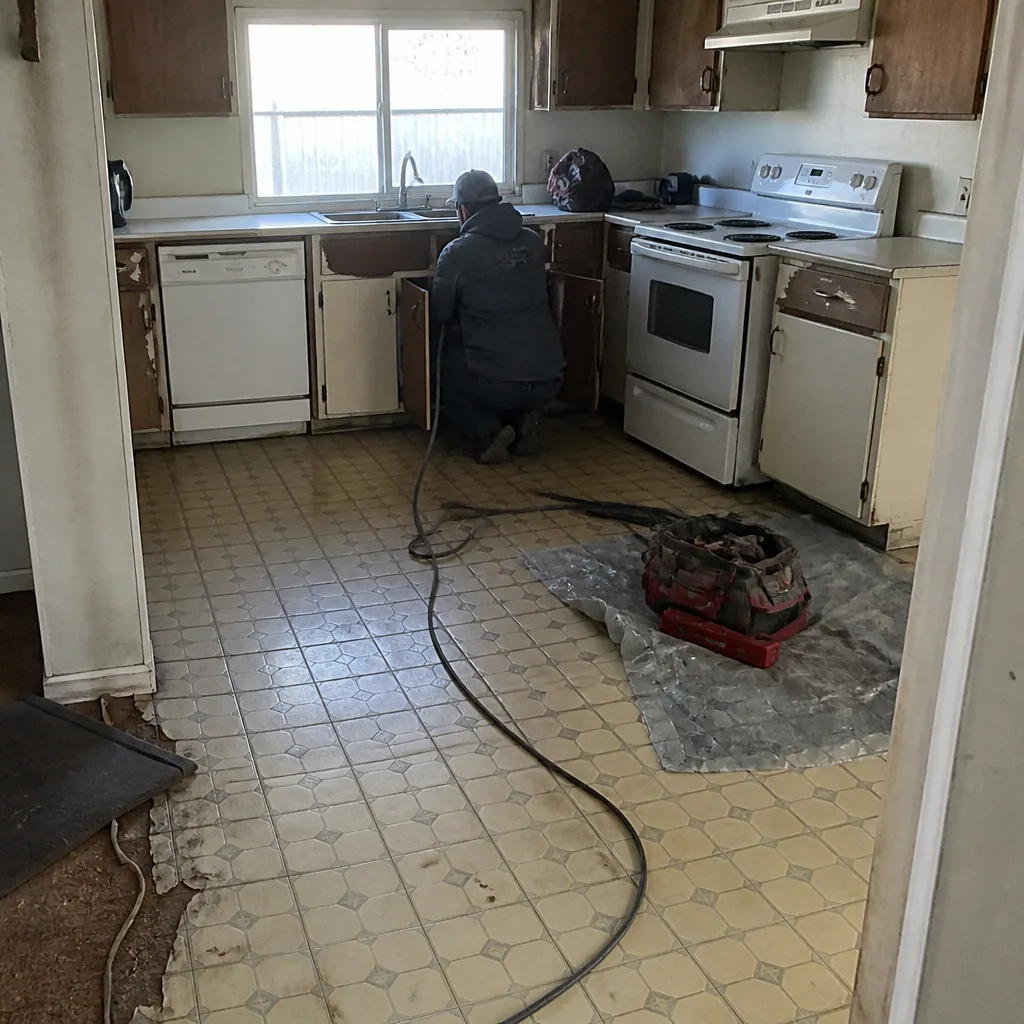 Before
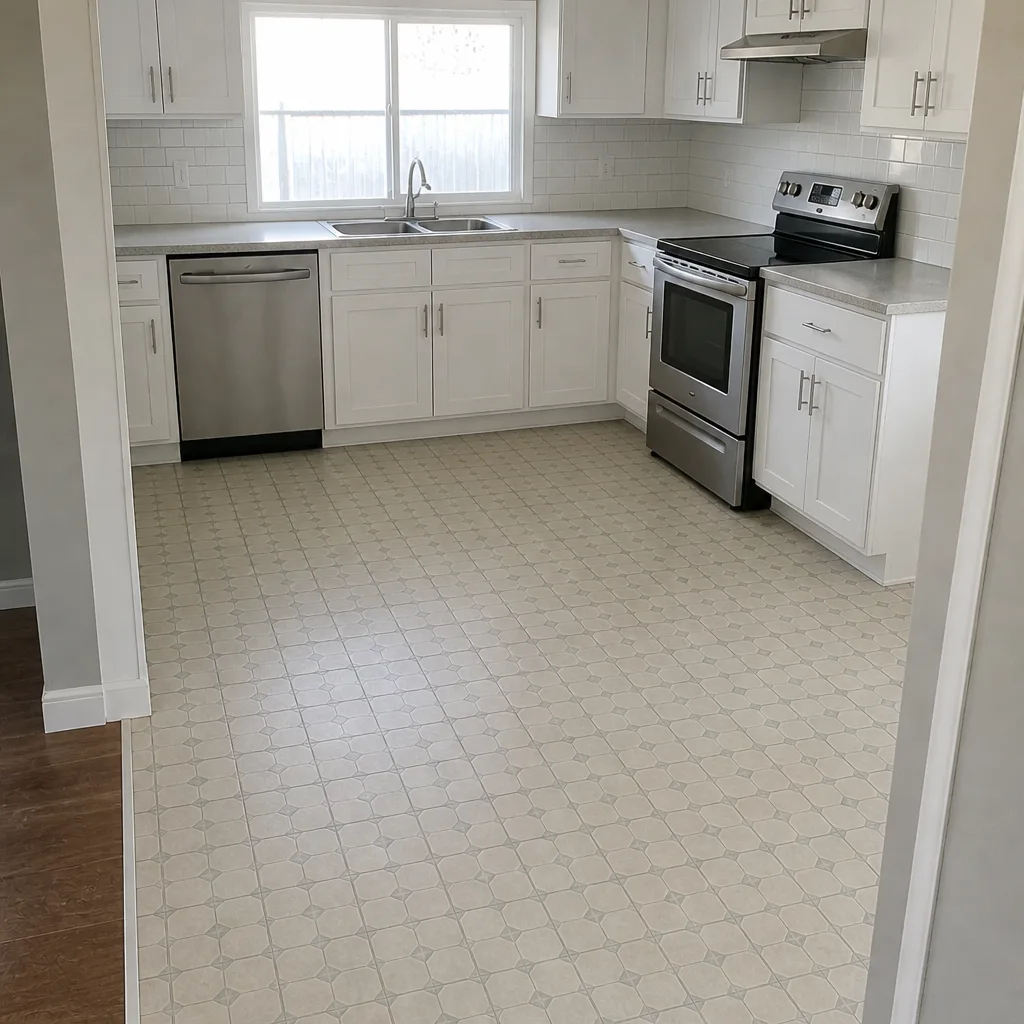 After
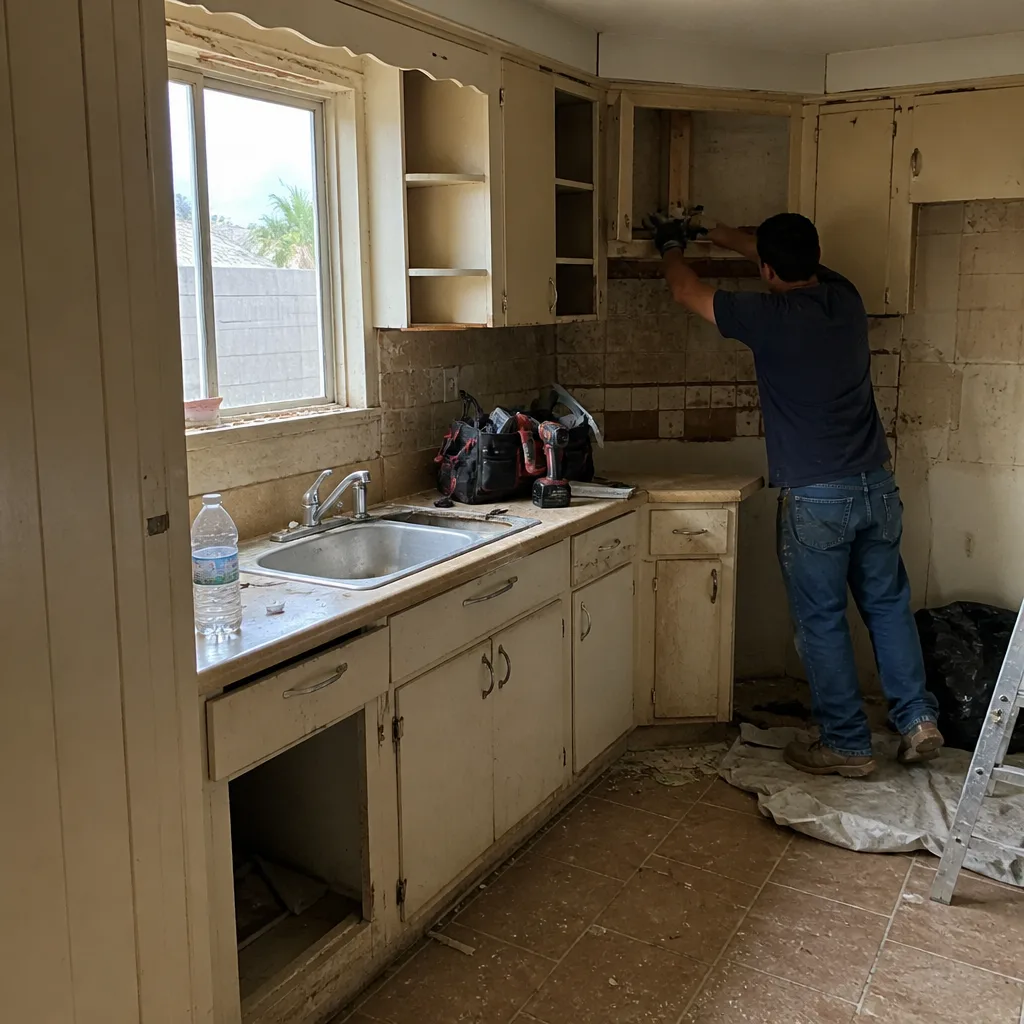 Before
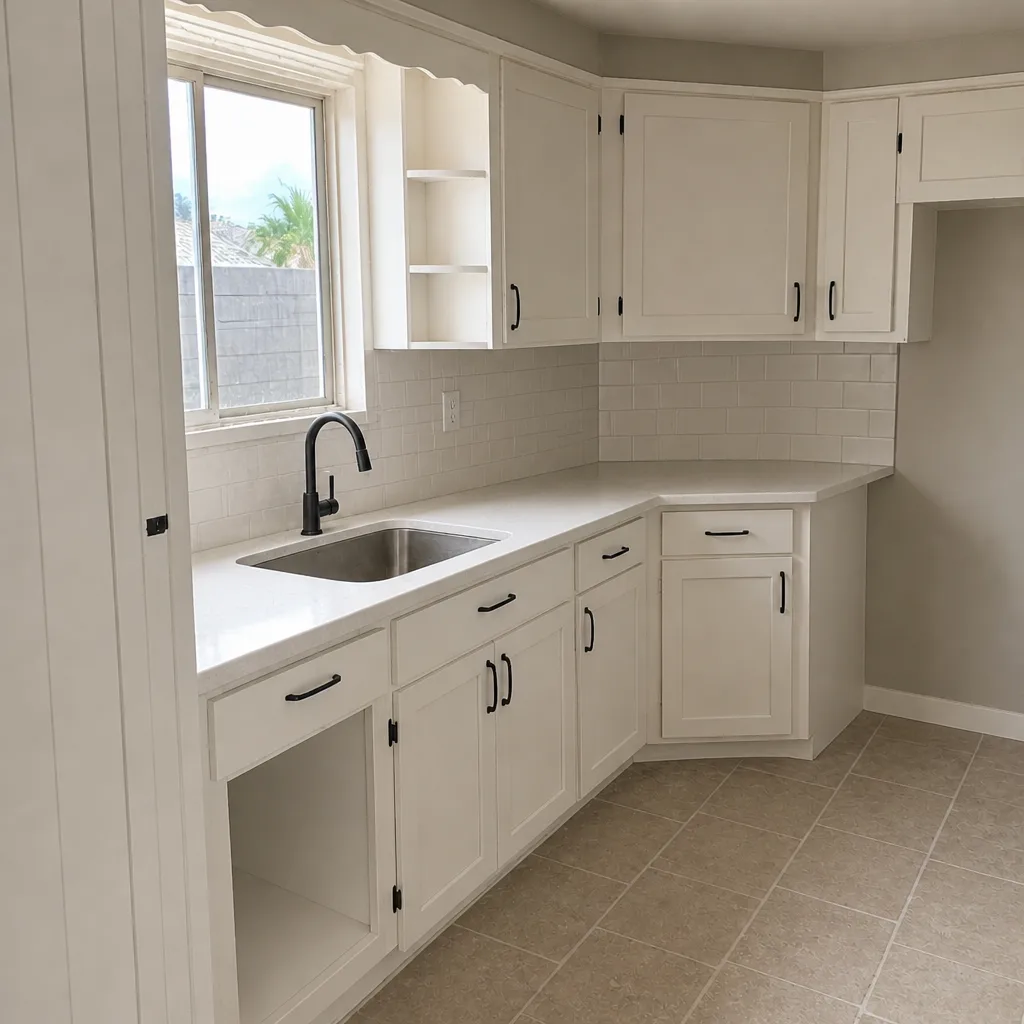 After
How to Fix a Sinking Driveway in Mesquite, NV
The short answer: find and fix the void under the slab, not the slab itself. Most sinking driveways in Mesquite start with a failed caliche layer or washed-out soil beneath the concrete, and lifting or patching the surface without addressing that void is a repair that fails within a season or two. If your driveway is dropping near the garage apron or along a wash-side edge, call Groundwork Construction Co. of Mesquite at (888) 413-6358 for a no-pressure assessment – we diagnose the subsurface before we quote a fix.
Why Mesquite driveways sink where they do
Picture the soil under a typical Mesquite slab-on-grade lot: a hard, cemented caliche layer sitting on top of sandy loam. That caliche is rigid and stable right up until water gets under it. Once it does – from a monsoon-season downpour funneled through the Virgin River gorge, from a wash that runs higher than it used to, from a downspout dumping at the slab edge – the caliche dissolves and erodes unevenly instead of settling gradually. The result is voids, and voids let individual slab sections drop independently. You don’t get a gentle uniform slope. You get one panel near the garage that’s two inches low and the panel beside it sitting fine.
This is why a sinking driveway in Mesquite rarely means “bad concrete.” The concrete did its job. The ground underneath gave out, and that’s a different repair with a different price tag.
Newer construction makes this sharper. Mesquite is a fast-growing retirement and resort community, and a lot of the housing stock is 2010s-2020s custom builds and townhomes, almost entirely slab-on-grade with tile roofs. Those slabs went in over native soil that was compacted to code at the time, but code doesn’t stop a flash flood from carving out a channel under a driveway edge five years later. Homes in Sun City and Highland Hills that date to the 1980s-2000s have their own version of the problem: older drainage patterns, mature landscaping that reroutes runoff, and thirty-plus years of freeze-free but brutally hot thermal cycling on the slab.
What actually fixes it – and what doesn’t
Two techniques do the real work: mudjacking (also called slabjacking) and polyurethane foam lifting. Both pump material under a sunken slab to fill the void and lift it back to grade. Both work – if the material is matched to Mesquite’s heat.
- Mudjacking uses a cement-and-soil slurry. It’s the lower-cost option, but in Mesquite’s summer heat, where highs routinely top 105°F, the injected mix has to be blended with a low water content or it dries and cracks before it cures. A crew that pours the same slurry recipe they’d use in a cooler climate is setting up a second failure.
- Polyurethane foam is usually the better long-term answer in this climate. It cures fast, doesn’t rely on water content, and it’s lighter, so it doesn’t add load to already-compromised soil. It costs more up front and it’s worth it on wash-side lots where the void is deep.
What doesn’t fix it: patching the visible crack, pouring a skim coat over the low spot, or sealing the surface and calling it handled. Those hide the symptom for a year. If the void is still open, the next big rain event finds it again.
Typical line-item pricing in the Mesquite market:
| Repair or replacement | Typical price range |
|---|---|
| Driveway sealing (maintenance, not a sink fix) | $250 – $700 |
| Driveway replacement (full or partial) | $5,000 – $14,000 |
| Concrete driveway installation (new) | $4,500 – $12,000 |
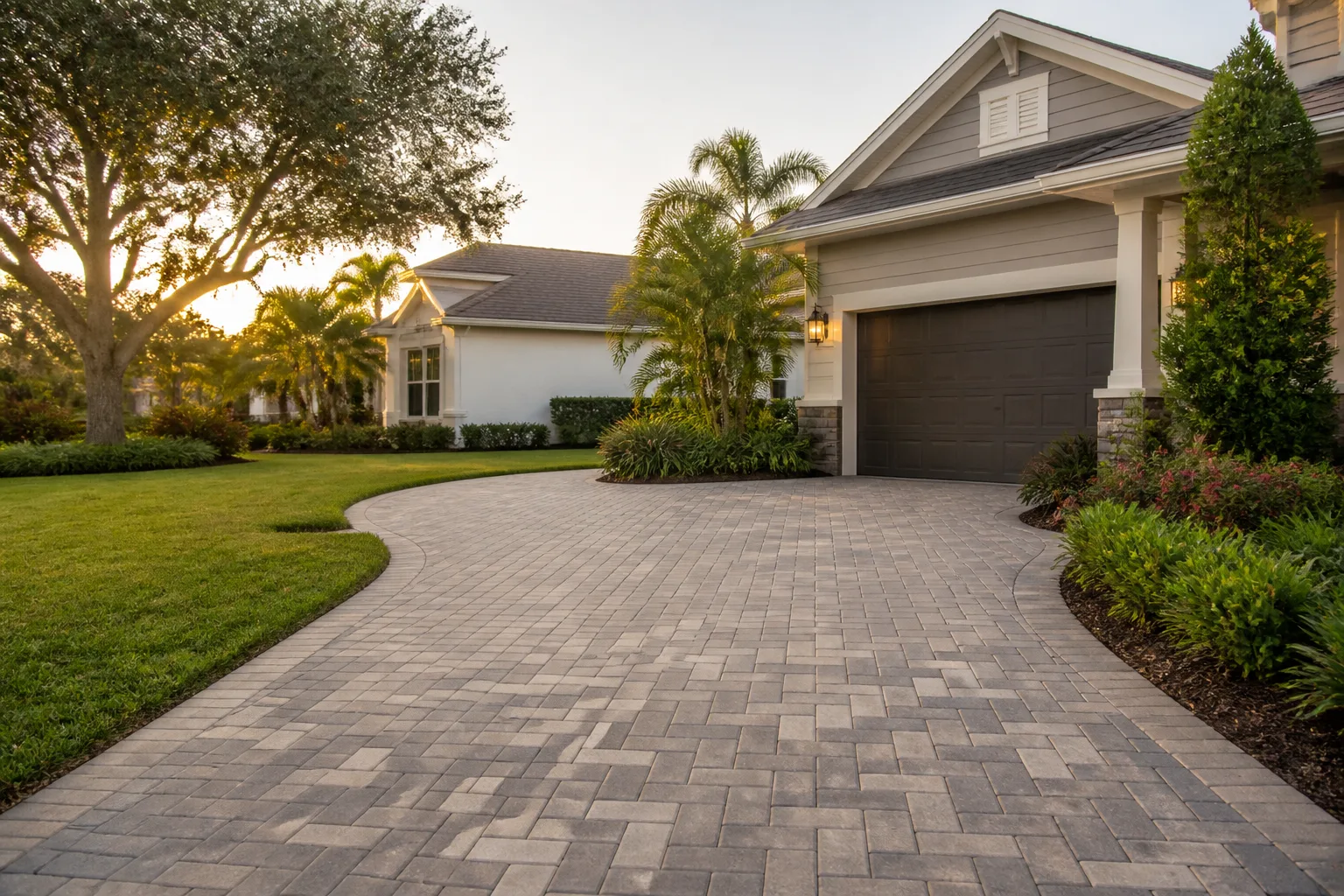
| Paver driveway installation | $7,000 – $18,000 |
| Asphalt driveway paving | $3,500 – $9,000 |
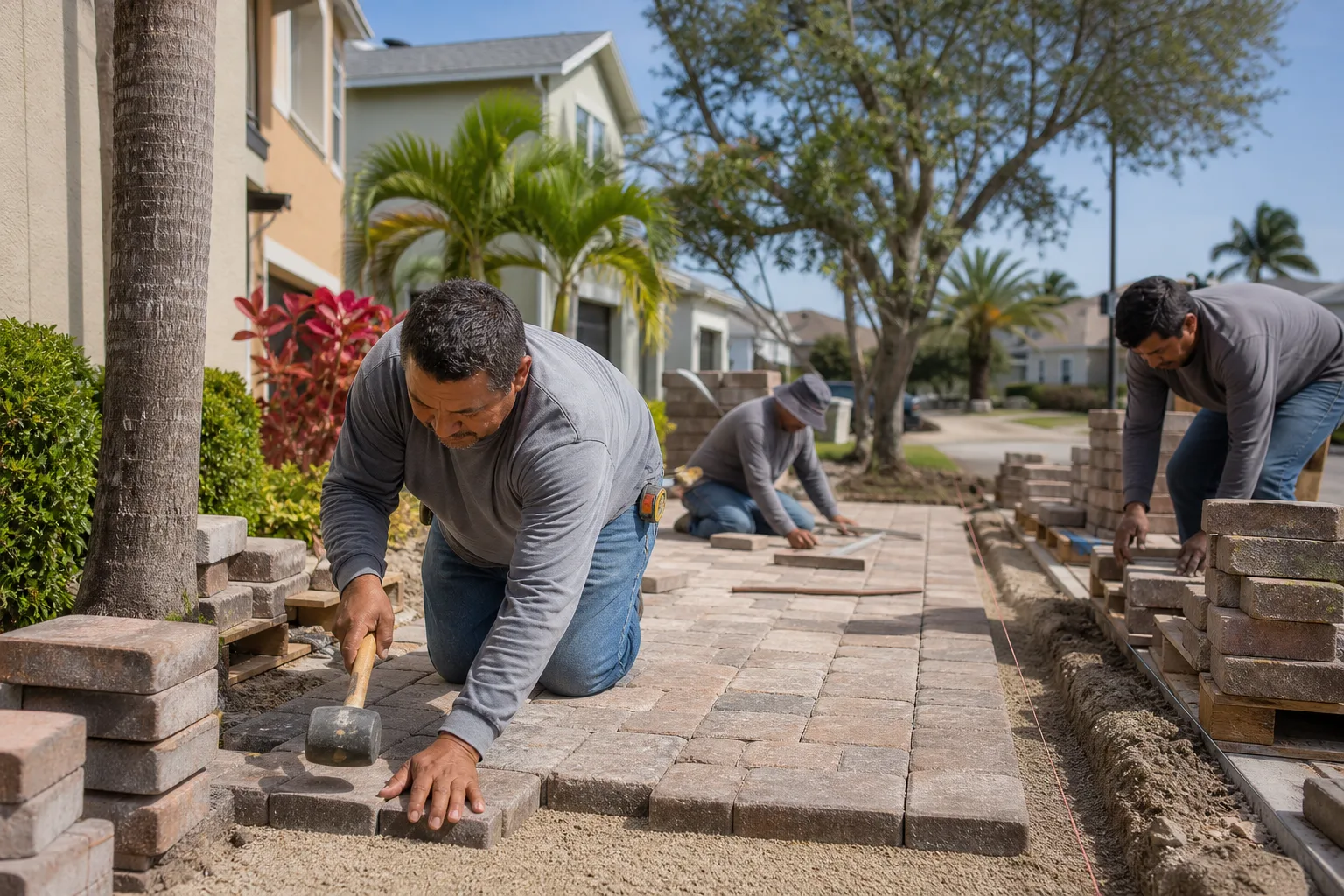
Slab lifting itself is usually priced by the section, and the honest number depends on how much void there is – which is exactly why a site assessment matters before anyone quotes you. When a driveway is too far gone to lift, we walk through what replacement looks like in Driveway & Pavers. If the end goal is a paver surface instead of concrete, our Driveway & Pavers in Mesquite page covers how Tremron and Techo-Bloc systems sit on a prepared base that won’t sink the way a compromised slab does.

The Mesquite floodplain wrinkle nobody mentions
On lots near the north-side washes, Clark County floodplain rules apply once a repair disturbs drainage patterns. That means a driveway fix that redirects runoff – a new grade, a raised edge, a redirected swale – can trigger a required drainage study before the work is signed off. Skipping it isn’t a shortcut; it’s a problem that surfaces at resale or after the next flood. Every Mesquite homeowner near a wash should know this going into a project, and no generic DIY guide will tell you.
The same heat and water logic applies across the whole property here. A slab poured in July can crack from heat gain within hours without evaporation retarders and shade, which is why exterior work on tight, rocky lots around Mesquite needs crews who build for extreme heat and flash flooding as a default, not an afterthought. That lesson carries straight over to the driveway.
Common Mesquite scenarios we see
The garage apron drop. A low spot right where the driveway meets the garage, usually with a crack running out from the corner. Water off the roof has been hitting that seam for years. Often an isolated void, and lifting fixes it cleanly.
The wash-side edge. The outside edge of the driveway is sinking where runoff crosses the lot during monsoon season. This one is a drainage failure, not just settling. We look at where the water is coming from before we lift anything, because filling the void without rerouting the flow just resets the clock.
The independent section drop. One panel down, neighbors flat. Classic uneven caliche erosion. Polyurethane lifting is usually the right call.
The “we sealed it last year” call. A homeowner paid for sealing, the dip came back, and now there’s a patch failing too. We start from the void and work up.
When to call a pro instead of digging in yourself
If you’re weighing whether to tackle this yourself, be honest about what’s under the slab. Diagnosing a caliche failure means reading the soil, the drainage, and the crack pattern together, and lifting a slab means working with injected material under pressure. That’s not a weekend task. Groundwork Construction Co. of Mesquite sends background-checked, uniformed technicians who assess whether the void is isolated or the first sign of a broader drainage problem before recommending anything – our technicians have up to 12 years of experience, and they aren’t there to patch a symptom.
Whatever we recommend is covered by the 730-Day Done Right Promise: if the repaired section drops again within two years, we come back and correct it at no charge. That’s the piece most sinkhole repairs leave out, and it’s why we put it in writing. Upfront pricing means the number you see is the number you pay, and 0% financing for 18 months plus $1,000 off projects over $10,000 helps when the fix turns out to be a full replacement rather than a lift. Calls are answered by a live person 24/7, so you’re not leaving a voicemail at 9 p.m. wondering when someone will get back to you.
FAQs
Slab lifting in the Mesquite market typically runs a few hundred to a couple thousand dollars depending on how many sections are involved, while a full driveway replacement runs $5,000 – $14,000 and new paver installation runs $7,000 – $18,000. The exact number depends on void depth and whether drainage has to be corrected, so an on-site look is the only way to quote it honestly. Call (888) 413-6358 for a free estimate.
Yes, in most cases – if the concrete itself is still sound and the problem is a void underneath, mudjacking or polyurethane foam lifting restores the slab to grade without tearing it out. Replacement becomes the right call when the slab is badly cracked, heaved, or too far gone to lift. A technician can tell you which category you’re in within minutes of walking the driveway.
Because caliche dissolves unevenly when water gets under it, creating voids under individual sections rather than settling the whole slab evenly. That’s why one panel near the garage apron can drop while the panel beside it stays flat. If you’re seeing that pattern, it’s a subsurface issue and worth assessing before it spreads. Call (888) 413-6358 to get it looked at.
It can – Clark County floodplain rules mean driveway work on wash-adjacent lots that changes drainage patterns may require a drainage study. Whether your lot triggers it depends on the specific grade and runoff changes involved. We assess that before quoting so there are no surprises mid-project; call (888) 413-6358 and we’ll walk you through it.
If you’d rather have it looked at, Groundwork Construction Co. of Mesquite offers a no-pressure assessment in Mesquite – we’ll tell you whether it’s a lift or a replacement, and why. Call (888) 413-6358 to schedule your free estimate and design consult.
Written by the team at Groundwork Construction Co. of Mesquite, serving Mesquite, NV.