Last updated November 18, 2026



Free written scope consultation - allowances, timeline, and change-order rules on paper before a single trade is scheduled
The Complete Fence Installation Guide for Mesquite Homeowners
Most fence guides tell you to dig a hole two feet deep and set your posts in concrete. In Mesquite, that advice can fail the first time a spring wind event rolls off the desert and pushes sustained 40+ mph gusts across open ground with nothing to slow them down. A post set to the standard depth in that environment isn’t a fence, it’s a pending insurance claim. This guide front-loads the parts most homeowners skip: the Mesquite permits, the HOA approval, the property line survey, and the caliche that will stop a shovel cold. Get those right before you buy a single board, and the build holds for years. Skip them, and you’ll likely tear out work and start over.
Quick Answer
Fence installation in Mesquite requires a city permit and, in most planned communities, HOA architectural approval before any materials are purchased or ground is broken. Posts need to be set deeper than the national two-foot standard because of Mesquite’s high-wind exposure, and caliche soil often requires pneumatic breaking equipment to excavate. Plan the permit, HOA packet, and property line verification first; the material and build decisions come after.
Styles & brands we work with
- Kitchen remodeling
- Bathroom remodeling
- Home additions & ADU
- Roofing
- Windows & doors
- Driveway & pavers
- Fence
Table of Contents
- Do You Need a Permit to Build a Fence in Mesquite?
- Why HOA Approval Comes Before You Buy Materials
- Building in Desert Caliche: What Changes About Post Depth
- Wind Load Ratings and Which Fence Styles Hold Up
- Property Line Verification: Surveyor vs. Assumed Boundaries
- Material Performance Under Mojave UV and Temperature Cycling
- What Fence Installation Costs in Mesquite
- How the Permit-to-Completion Timeline Actually Runs
Do You Need a Permit to Build a Fence in Mesquite?
Yes, in most cases. The City of Mesquite regulates fence height, placement, and materials through its building and zoning departments, and a fence above the typical residential height threshold or one that sits in a front or corner side yard almost always requires a permit. The exact requirements depend on your zoning district and the fence’s location on the lot, so the first step is a call to the city to confirm what applies to your address. Do that before you sketch a design, not after.
Here’s the part homeowners underestimate. A permit isn’t a rubber stamp. It’s a review of height limits, setback from the property line, sight-distance triangles at corners and driveways, and structural specs for anything over a certain height. If your fence plan pushes past the allowed height or crosses into a sight triangle, the city will send it back, and you’ll be redrawing instead of building. In our experience working across Mesquite, the homeowners who lose the most time are the ones who bought materials first and discovered the code issue second.
Three things to confirm with the city before you buy anything:
- Height limit for your specific zoning district, and whether it changes between the backyard and the street-facing side.
- Setback and property line rules, including how close the fence can sit to the line and any easement restrictions.
- Sight-distance requirements at driveways, corners, and intersections, especially in the communities near the golf courses and along the main corridors.
Pull the permit, keep the inspection card, and build to the approved plan. When you eventually sell, an unpermitted fence can become a disclosure headache and a negotiating chip the buyer uses against you. Mesquite’s dry climate is forgiving on a lot of things, but a code compliance problem doesn’t weather away.
Why HOA Approval Comes Before You Buy Materials
In the planned communities that make up much of Mesquite’s residential base, the HOA is often stricter than the city. An architectural review committee can reject a fence material, style, color, or height that the city would approve without blinking. That means the HOA packet goes in first, before the permit and well before the material order. Get a written approval in hand before a single post is dug.
The HOA process usually looks like this:
- Get the current design guidelines from your association. These list approved materials, colors, and maximum heights, and they change.
- Submit a full application with a site plan, a drawing of the fence style, material samples, and color swatches.
- Wait for the architectural review committee decision. This can take a few weeks, and a rejection means resubmitting.
- Keep the written approval on file and build exactly what was approved. A last-minute change on site can trigger a violation notice.
Resubmitting costs you weeks you don’t get back, and loaded material sitting in the yard during the delay is money tied up doing nothing. We’ve seen homeowners in Mesquite order a full vinyl panel kit before the committee met, only to learn the neighborhood only allows block or wrought iron on street-facing walls. That’s a return-shipping bill and a restart. Confirm the rules in writing before the order goes out.
Building in Desert Caliche: What Changes About Post Depth
Mesquite sits on desert ground where caliche, the cemented layer of calcium carbonate that forms under the surface, is common. Caliche can be soft in one spot and rock-hard a few feet away. A standard post-hole digger and a shovel often won’t get through it. The practical result is that post excavation in Mesquite frequently needs a rented auger or pneumatic breaking equipment, and sometimes a handheld breaker to get through a stubborn layer. Plan for that in your budget and timeline.
Caliche isn’t just a digging inconvenience. It changes how you set the post. Shallow caliche layers can trick a crew into stopping early because they hit hard ground, leaving a post far too shallow to resist wind. The hard layer needs to be broken through so the post reaches an adequate below-grade depth into stable soil, then backfilled and set with concrete to hold it. Skipping that step is how a fence starts leaning two summers later. If you’re loading a full tool list to price the job, factor in equipment rental for the breaking and augering, not just the concrete and lumber.
On the ground, caliche drives three decisions:
- Breaking equipment to get through the cemented layer to adequate post depth.
- Auger rental for consistent hole diameter and depth on a longer run.
- Concrete backfill to set the posts once the depth is right, because desert soil alone will not lock a post against wind.
The national two-foot depth standard was never written for caliche on an open desert. In Mesquite, treat it as a starting point and go deeper, especially on any run that takes the full force of the wind.
Wind Load Ratings and Which Fence Styles Hold Up
Wind is the decision that separates a fence that lasts from a fence that wiggles. Mesquite has high-wind events that push sustained gusts across open desert, and those gusts work on a fence like a sail. A solid, closed-panel fence catches that force across its whole surface, while an open design lets it pass through. The taller and more solid the fence, the more the load matters, and the more the post spacing, depth, and bracing need to be up to it. This is the single biggest reason a fence built to a generic depth in Mesquite loosens over time.
How to think about wind ratings for common styles:
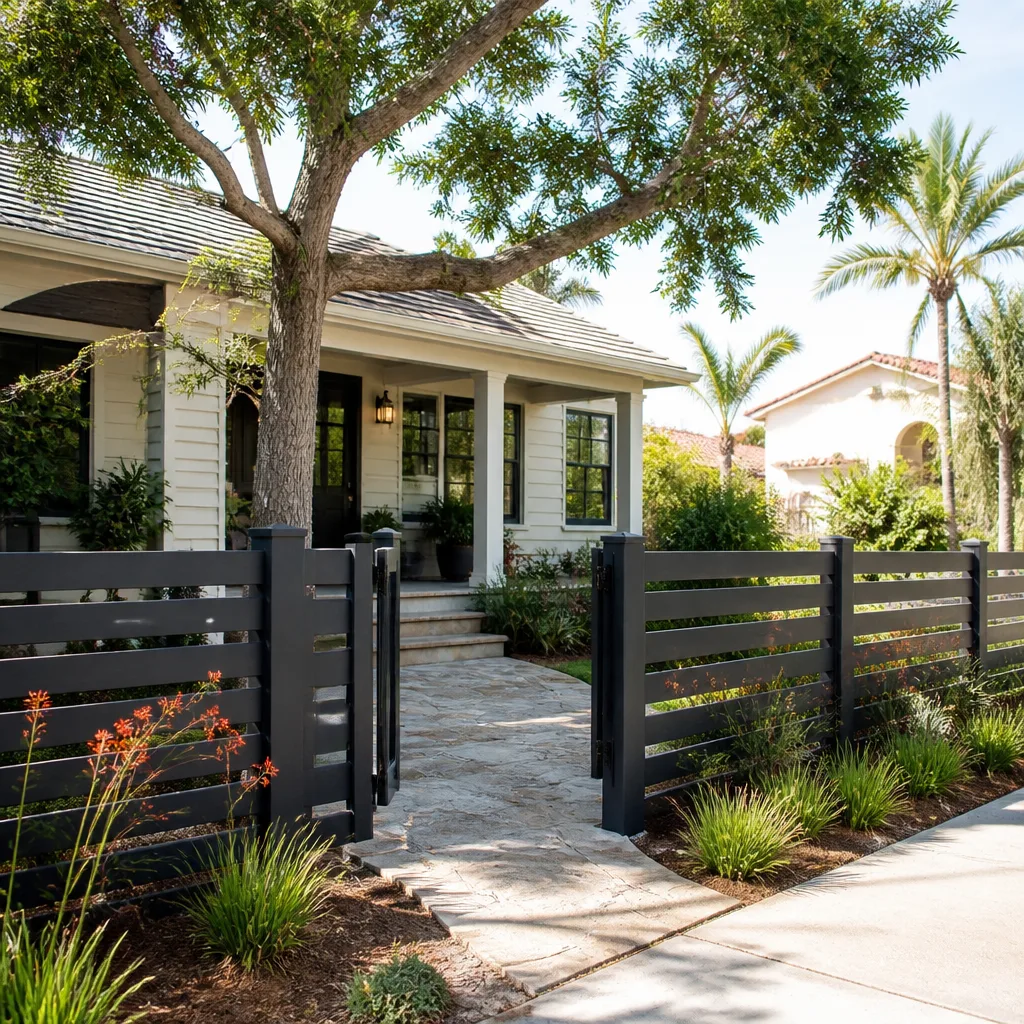
- Wrought iron and tubular steel let wind through the open pickets, so they carry far less load and are the steadiest of the metal styles. They also shed UV and heat well.
- CMU block and masonry walls carry the most load but are engineered to take it, with proper footing and reinforcement. Done right, they hold up to wind and time.
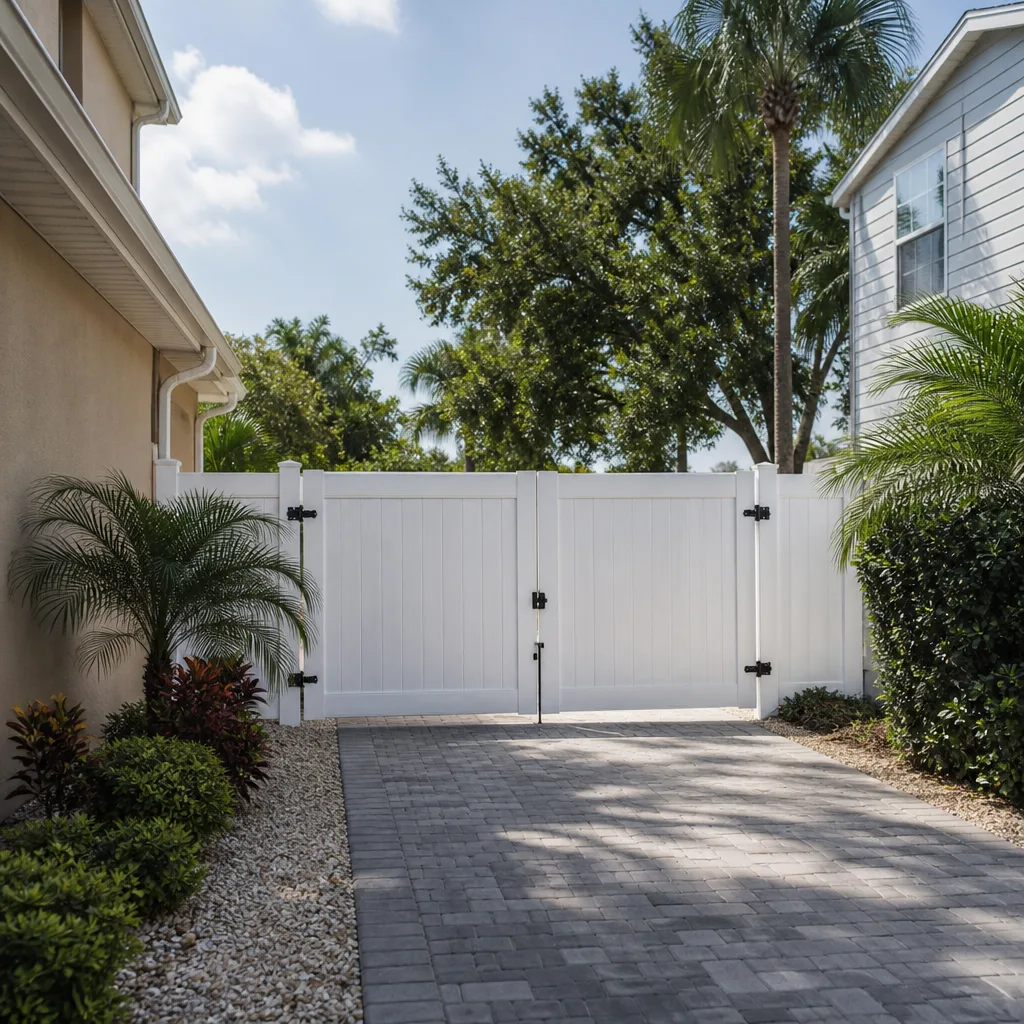
- Vinyl can hold up well, but a solid privacy vinyl panel catches the full gust load. Choose a grade built for wind tolerance and don’t skimp on post depth.
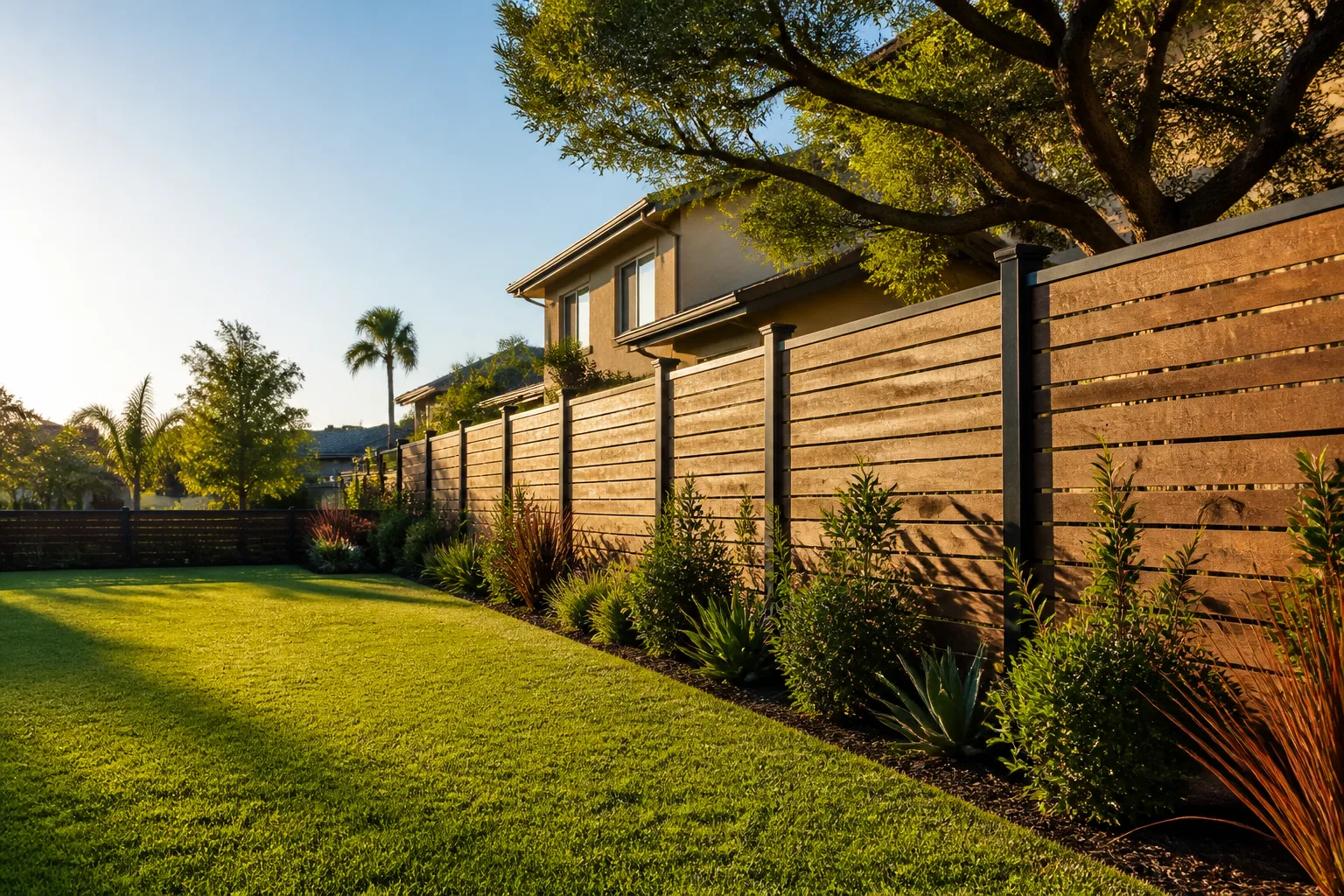
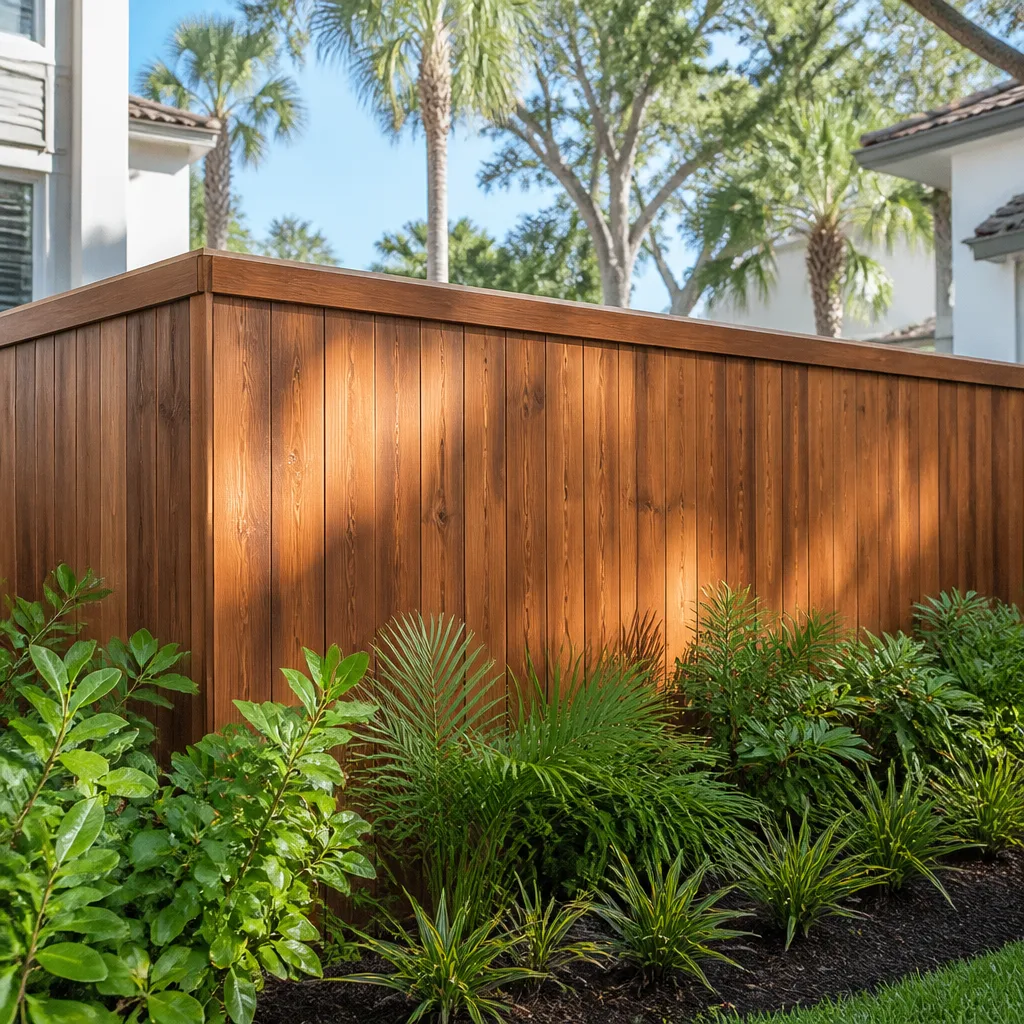
- Wood is the most wind-sensitive if it isn’t set deep. Solid wood privacy fencing catches a gust across its whole face, and a shallow post is where the loosening starts.
The pattern we see again and again: a fence loosens progressively. One post works loose during a wind event, the load shifts to its neighbors, and within a season or two the whole run is leaning. Setting the posts deeper, tightening spacing, and matching the style to the wind exposure is what stops that chain reaction before it starts.
Property Line Verification: Surveyor vs. Assumed Boundaries
Never build a fence on a boundary you assume is correct. That old wrought iron fence, that line the previous owner pointed to, or the line that just “looks right” against the neighbor’s house is not a legal property line. A licensed surveyor confirms the actual boundary and flags easements. On a fence project, that confirmation is the cheapest insurance you can buy.
The steps we walk through before a fence goes up:
- Pull the plat and any survey of record to see what’s documented for your lot.
- Hire a licensed surveyor to stake the actual property line and check for easements.
- Talk to the adjoining neighbor before the build, so the line and the fence placement are agreed to in advance.
- Document the boundary and any agreement in writing, then build strictly inside it.
Getting it wrong is expensive. A fence built over the line can mean a legal dispute, a forced relocation, and a neighbor relationship that costs thousands to repair in more ways than one. In a Mesquite neighborhood where lots sit close together, a few inches of encroachment on an easement is enough to trigger a complaint. Survey first. It sets the whole project up to be finished once, not fought over.
Material Performance Under Mojave UV and Temperature Cycling
The Mojave climate stresses fencing in ways that national guides rarely account for. UV exposure is relentless, and Mesquite’s day-to-night temperature swings work a fence through hundreds of expansion-and-contraction cycles a year. Material choice is really a long-term maintenance decision, not just a style preference. Here’s how the major options hold up in a Mesquite yard.
- Wood looks warm and natural but needs ongoing care here. UV breaks down the finish, and the temperature cycling causes movement, checking, and warping over time. Plan on regular staining and inspection to keep it tight and stable.
- Vinyl handles UV and moisture well and won’t rot, which makes it a strong fit for the desert. A wind-rated grade is worth the upgrade, since the sun won’t be what fails it.
- Block, CMU, and masonry are the most durable against UV, heat, and wind when built with proper footing. They’re the longest-lived option and the most permanent look.
- Wrought iron sheds UV and heat well and needs little upkeep beyond occasional refinishing. The open pickets also cut wind load.
One thing to check on any metal option: powder coating or quality paint. Bare or poorly finished metal in the desert sun will fade and oxidize, and the finish is what protects it. When you’re weighing brands for a whole home project, we hold to the same standard we apply on roofs and windows, which is to specify materials from makers with a real track record. The short list for a fence run is usually a decision between how long a material lasts and how much upkeep you’re willing to sign up for. Pick your material for the next twenty years, not the next photo.
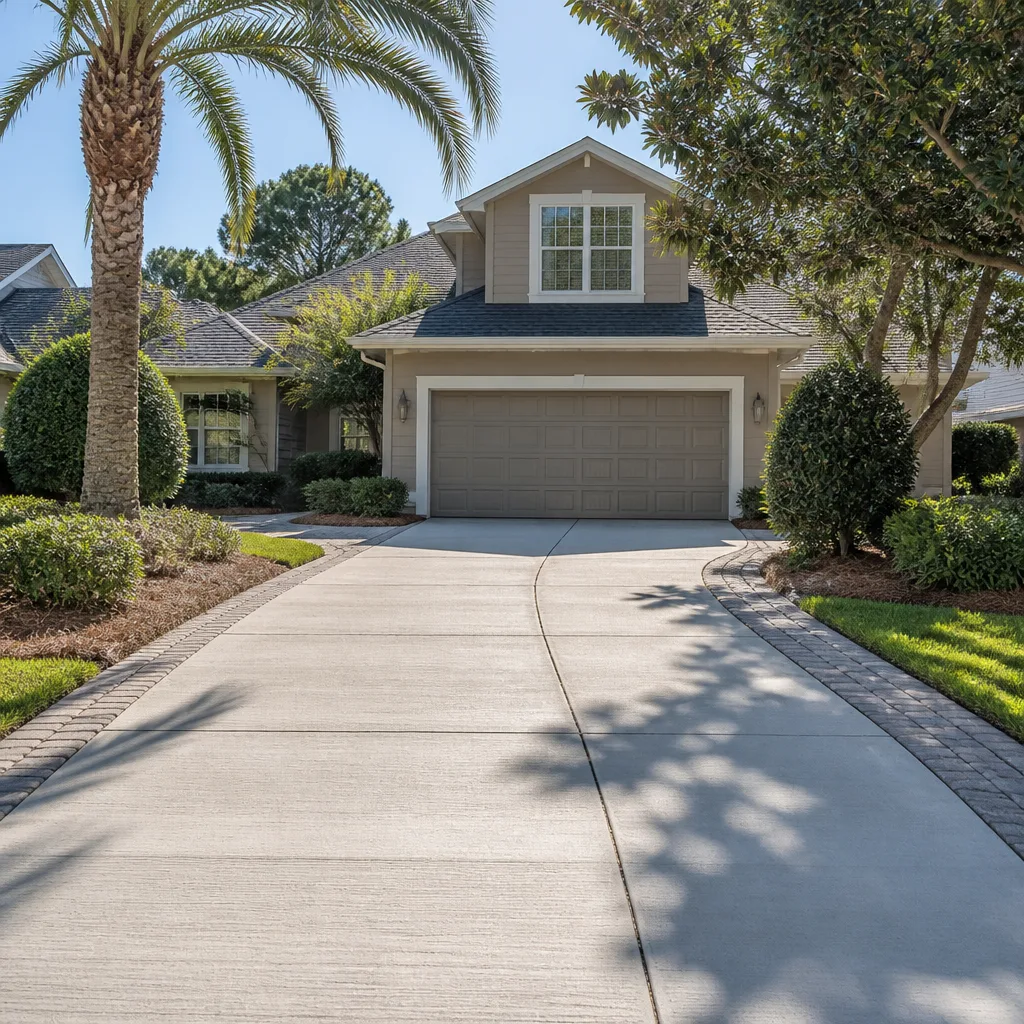
If you’re also rethinking the hardscape that meets the fence line, our guide to Driveway & Pavers in Mesquite covers how pavers and low walls handle the same desert conditions without the wind exposure.
What Fence Installation Costs in Mesquite
Fence installation in Mesquite typically runs from a few thousand dollars for a short run of wood on a standard lot to well over ten thousand for a long stretch of block or masonry wall. The real number depends on materials, linear feet, the caliche and depth you hit, and permit and HOA work. Here’s the line-item breakdown we use when we price a job, so you can see where the money goes.
- Permit and HOA fees: city permit and any association application fees are separate line items, and they vary by the scope of the fence.
- Survey: a licensed surveyor staking the property line is a real cost, and the one that protects everything else.
- Excavation and caliche breaking: equipment rental and labor scale with how hard the ground is and how deep the posts go.
- Posts and concrete: deeper wind-rated posts and concrete backfill cost more than a shallow run, and they’re what keeps the fence standing.
- Panels and finish: wood, vinyl, wrought iron, and block all land at different price points, with maintenance cost trailing each one.
The wind-safe upgrade is where homeowners are tempted to trim. Don’t. The extra dollars in post depth and spacing are what turn a one-season fence into a decade-plus fence. We quote the whole job up front, with the number you see being the number you pay, and we never come back with change orders once the ground is open. A written, line-item quote is the only way to compare bids honestly. If the hardscape around the fence is part of the project, some homeowners add low walls or a paver apron at the same time to keep it a single project from foundation to finish line.
How the Permit-to-Completion Timeline Actually Runs
The build itself is often a few days. The permit, HOA, and survey steps are what stretch the calendar. Homeowners who plan for the approvals first, before a single board is ordered, finish faster than the ones who build now and fix the paperwork later. Here’s the realistic sequence.
- Design and site walk, week one. Decide style, materials, and run, and confirm height and setback against your zoning.
- HOA application, weeks one to three. Submit the full packet and wait for written architectural approval.
- City permit, submitted after HOA approval. Build the city process around the approved HOA plan.
- Survey, run in parallel with approvals. Get the line staked and any agreements documented before the crew mobilizes.
- Material order, only after approvals are in hand. Confirm wind-rated specs and caliche equipment needs.
- Build and inspection, then completion. Excavate, set posts, run panels, and pass the final inspection.
Do the design, HOA, permit, and survey steps in order, and the build lands clean. Cross them up, and you’re the homeowner who pulls a permit the HOA rejects, or orders materials the city height limit won’t allow. The Mesquite climate will forgive a lot over the life of a fence, but it won’t forgive a foundation built on a wrong assumption. If you want a single partner to walk from permit to final inspection, that’s what Fence Installation in Mesquite is set up to do.
Common Mistakes to Avoid
- Buying materials before the permit and HOA approval are in writing. It’s the most expensive shortcut in this guide, and the one a change in height or material rules turns into a full reorder.
- Setting posts to the national two-foot depth in the desert. Mesquite’s wind events push sustained gusts across open ground, and a shallow post starts the progressive loosening that takes down a run.
- Stopping at the first hard caliche layer. Treating hard ground as bedrock leaves posts far too shallow; break through and go to adequate depth.
- Building on an assumed property line. Presumed boundaries are not legal boundaries, and a few inches of encroachment becomes a surveyor bill, a fight, and a rebuild.
- Skipping the HOA committee and building from the city code alone. The HOA can be stricter, and its rules on height, material, and color can override what the city allows.
- Choosing a solid privacy style with no wind allowance. A tall closed panel catches the full gust load, so match the style and the post depth to the exposure.
- Treating a fence as a permanent build with no maintenance plan. Even in Mesquite’s dry climate, UV and temperature cycling wear on wood and finishes over time.
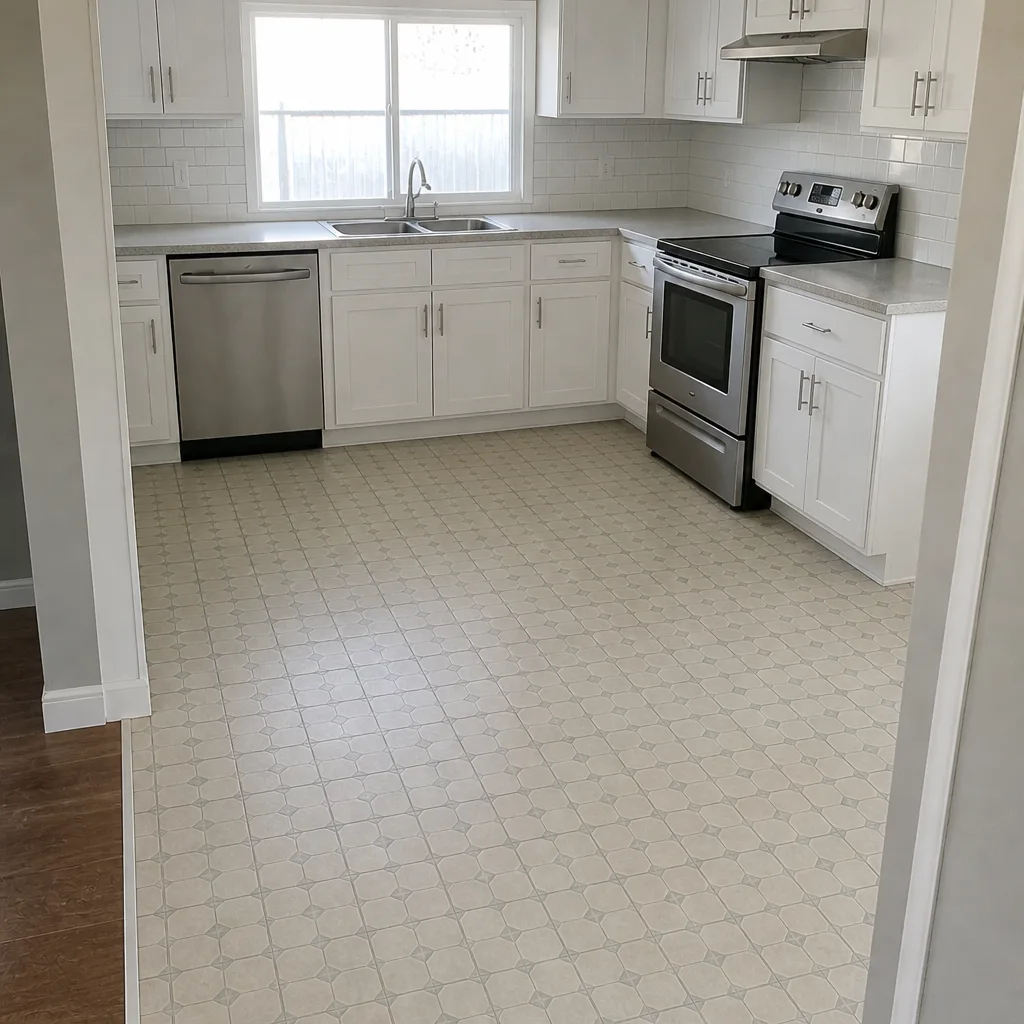
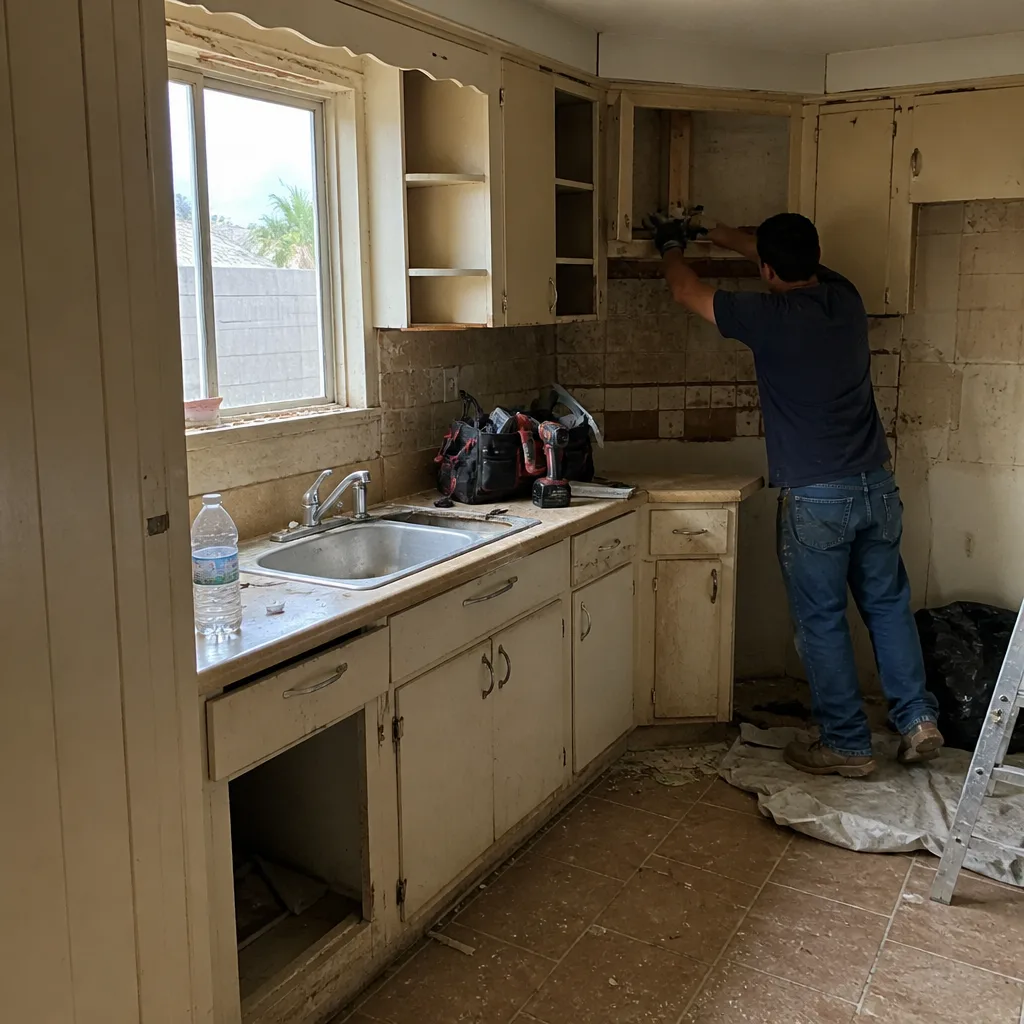
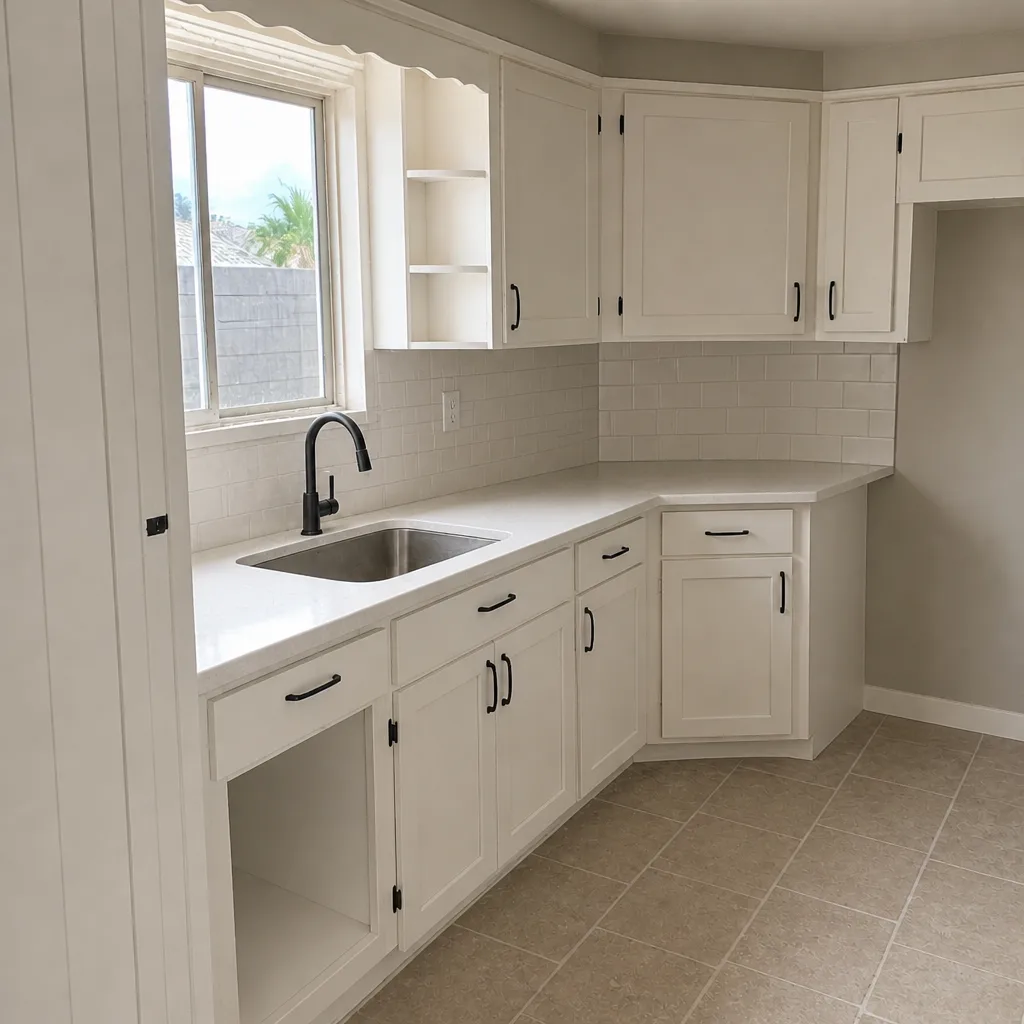
See the difference
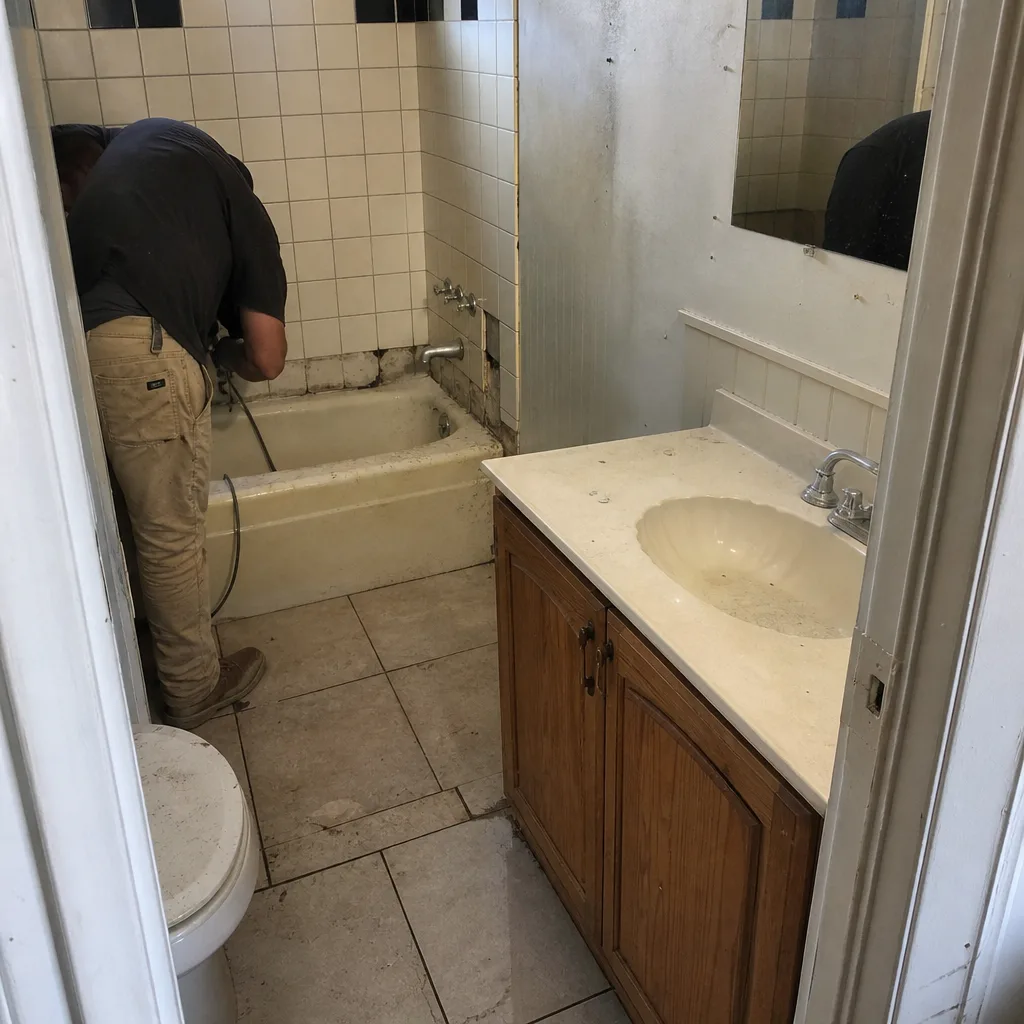 Before
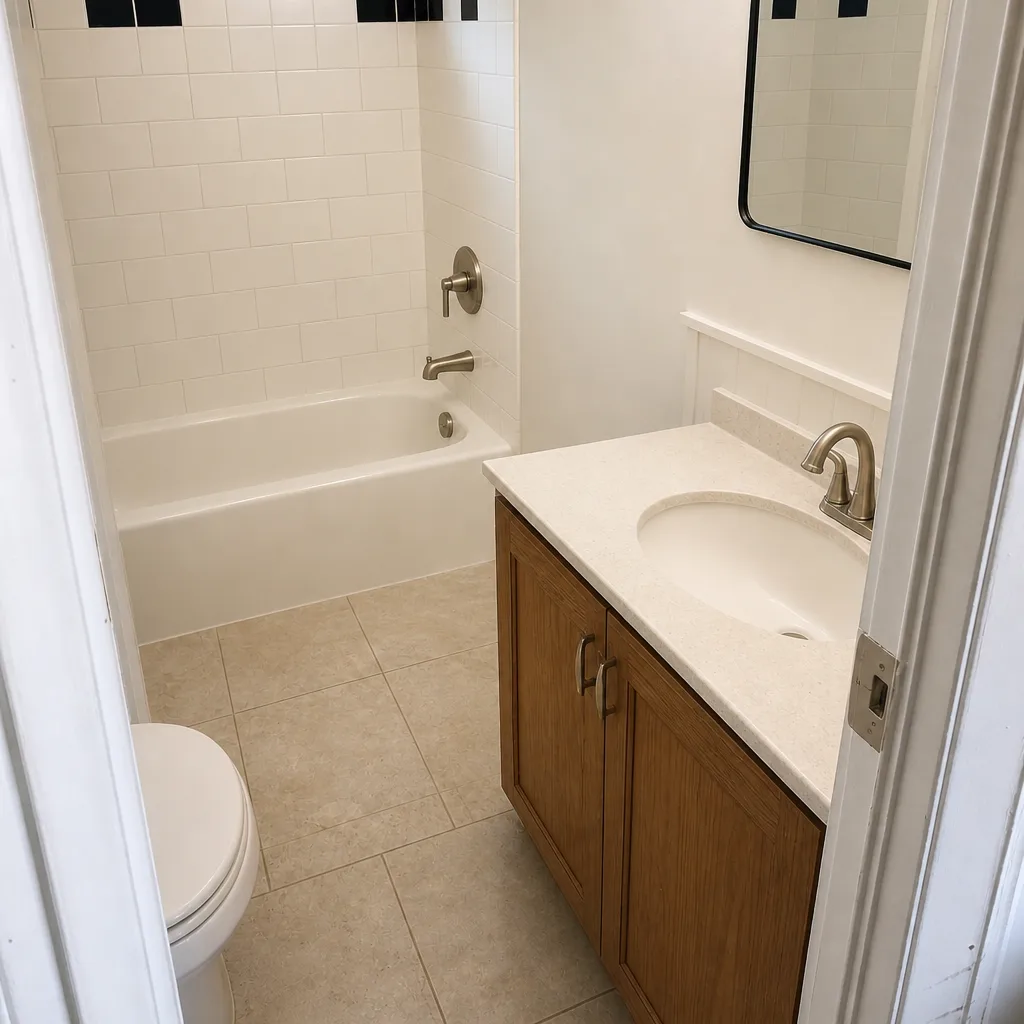 After
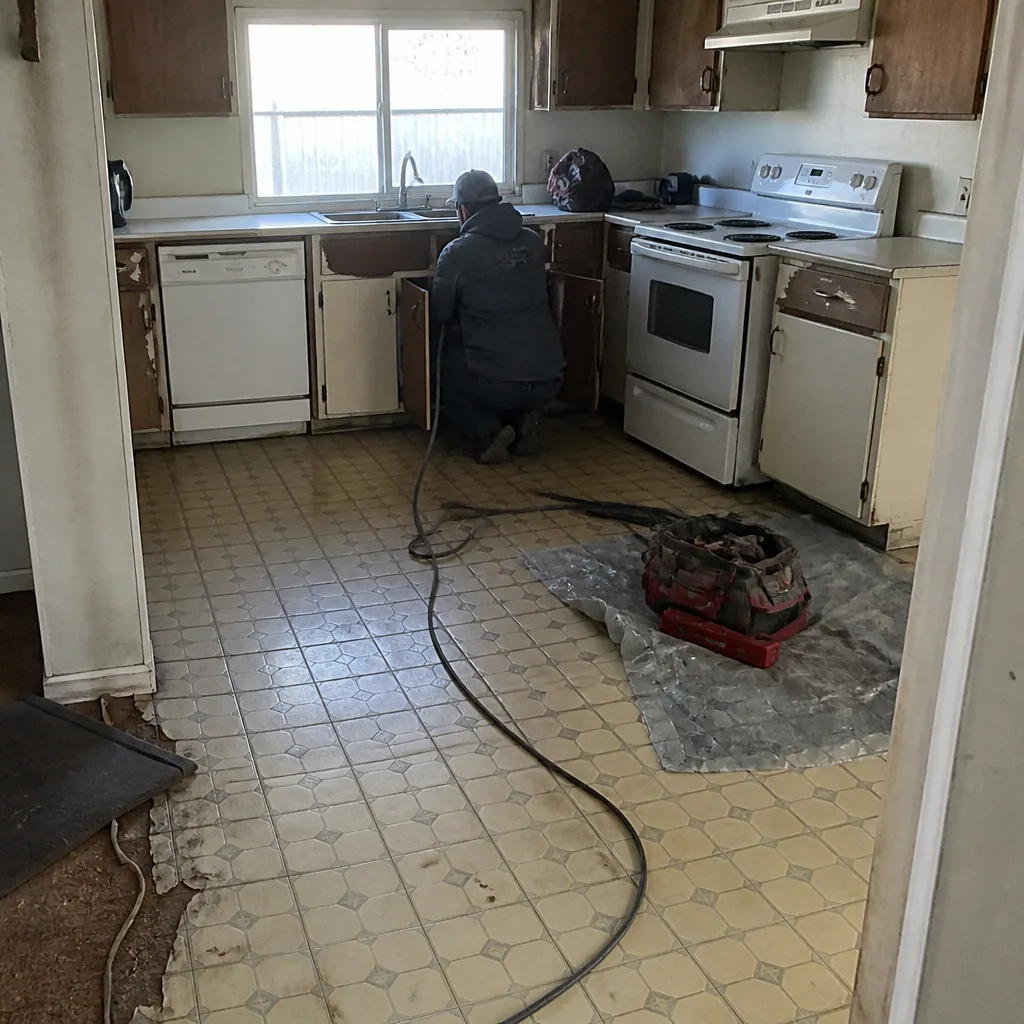 Before
 After
 Before
 After
When to Call a Professional
Some fence work is genuinely doable yourself, but a few situations call for a pro. If your property line is unverified, if the ground is heavy caliche, if the run is a long stretch of block or masonry wall, or if your HOA packet is complex, a professional keeps you out of the expensive redo. This is also true on any fence that has to carry wind load across a long, exposed side of the lot. Getting post depth, spacing, and footing right the first time is where the real value sits, and it’s the part a national DIY guide can’t size to your yard.
Groundwork Construction Co. of Mesquite offers free estimates in Mesquite – call (888) 413-6358. We walk the site, confirm the permit and HOA path, and quote the full job up front with no surprises. Our technicians have up to 12 years of experience, and every project is backed by our 730-Day Done Right Promise. The local professional we connect you with is licensed and insured as the state requires, and the quote is yours to keep whether or not you build.
Frequently Asked Questions
In most cases, yes. The City of Mesquite regulates fence height, placement, and materials, and many residential fences require a permit, so confirm the rules for your zoning district and lot before buying anything. The city reviews height limits, setbacks, and sight-distance at driveways and corners. Skipping the permit can mean a failed inspection and a redo later. Call (888) 413-6358 for a free estimate and we’ll walk you through the permit path for your address.
Deeper than the national two-foot standard. Mesquite’s high-wind events push sustained gusts across open desert, and shallow posts are where a fence begins to loosen. The right depth depends on the fence style, height, and wind exposure, and posts need to break through any caliche layer to reach stable soil. Call (888) 413-6358 for a free site estimate and we’ll confirm the depth for your run.
You should always confirm the property line with a licensed surveyor before building. An assumed boundary, or an old fence line, is not a legal boundary, and building past the line can trigger a dispute and a forced relocation. A survey also flags easements that affect where the fence can sit. The cost is small next to a rebuild. Call (888) 413-6358 to talk through the survey-and-build sequence.
Block, CMU, and masonry hold their finish best under relentless UV and temperature cycling, and wrought iron does well because it sheds heat and cuts wind load through open pickets. Vinyl handles UV and moisture well if it’s a wind-rated grade. Wood needs more upkeep here to stay tight and stable. The best choice depends on your wind exposure and how much maintenance you’re willing to sign up for. Call (888) 413-6358 for a free estimate and we’ll match material to your yard.
No, not in most planned communities. The HOA architectural review can be stricter than the city on height, material, and color, and building without written approval risks a violation notice and a redo. Submit the full packet with your site plan and material samples, get the written approval, then build to it. The process takes a few weeks, so front-load it. Call (888) 413-6358 and we’ll help you coordinate the HOA and permit steps together.
The build itself is often a few days, but the full timeline from first decision to final inspection stretches over the permit, HOA, and survey steps. HOA review alone can take a few weeks, and the city permit runs after that. The homeowners who finish fastest plan the approvals first and order materials last. Call (888) 413-6358 for a free estimate and a realistic timeline for your Mesquite property.
The Bottom Line
A fence in Mesquite is a code compliance project before it’s a construction project. Get the city permit and HOA approval in writing before you buy anything, confirm the property line with a licensed surveyor, and set your posts deeper than the national standard to handle the desert wind and the caliche. Match the material to the UV and temperature cycling, and plan for the equipment the ground will demand. Do those steps first, and the fence holds for years; skip them, and you’ll rebuild. If you’re planning more than a fence, our Home Additions & ADU in Mesquite and Driveway & Pavers in Mesquite guides cover the same desert build decisions, and you can learn more about everything we do at our Groundwork Construction Co. of Mesquite home page.
Call (888) 413-6358 to schedule your free estimate. We answer with a live person 24/7, quote the whole job up front with the number you see being the number you pay, and back every project with the 730-Day Done Right Promise. Calls are free, estimates are free, and the plan is yours to keep.
Written by the team at Groundwork Construction Co. of Mesquite.