Last updated November 18, 2026


Free written scope consultation - allowances, timeline, and change-order rules on paper before a single trade is scheduled
Driveway & Pavers Maintenance Checklist for Mesquite Homeowners
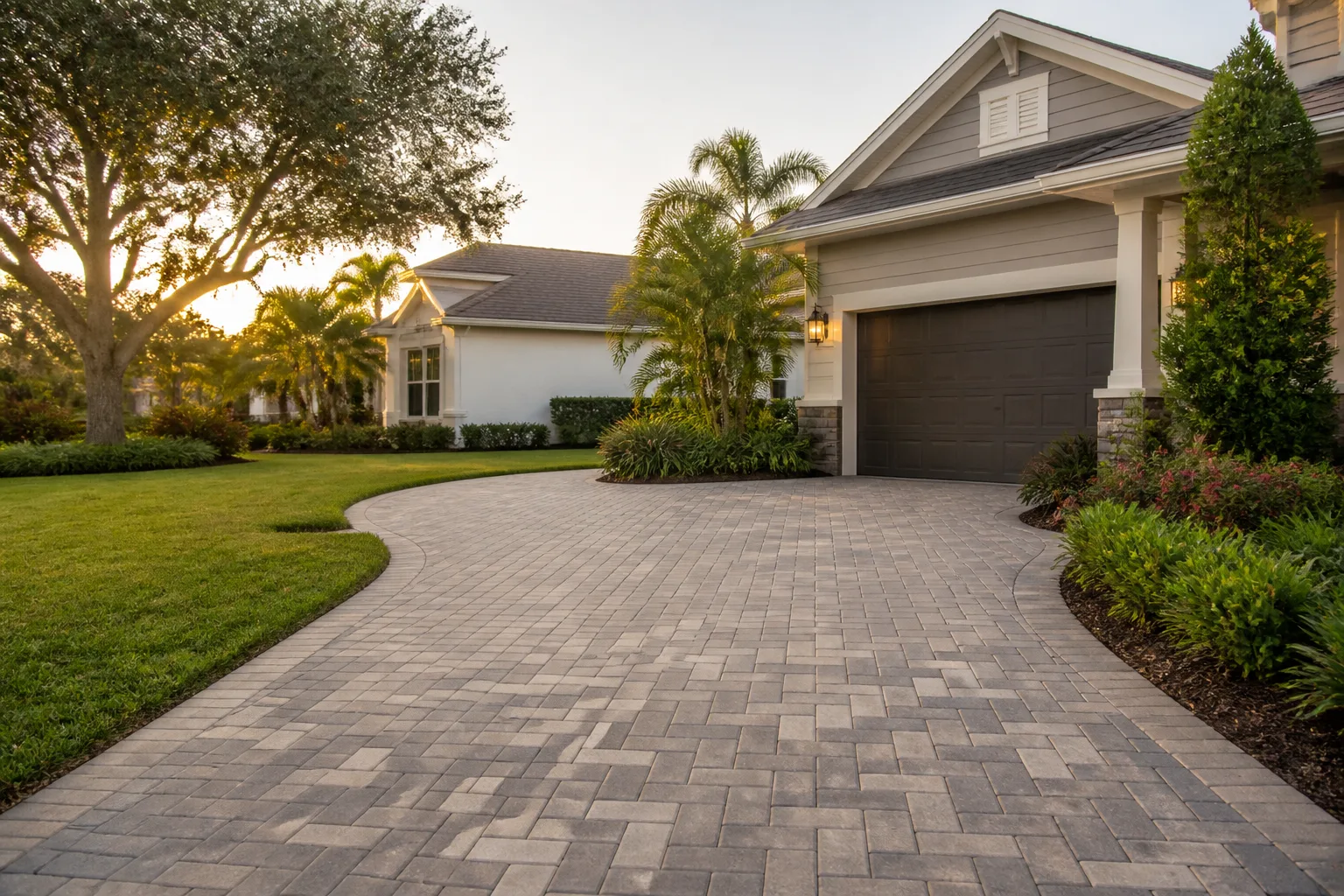
Caliche doesn’t move the way most people expect. That hard calcium-carbonate layer under a lot of Mesquite yards sits like a buried plate, and when moisture shifts underneath it, the plate tilts rather than sinks evenly. Most homeowners don’t learn this until a section of their paver driveway has already cracked or dropped an inch and the joint lines have started to fan. A well-built paver driveway in Mesquite should hold up for 25 years or more. A neglected one can fail in three to five, and the difference almost always comes down to a short seasonal checklist done at the right time of year. This guide gives you that sequence – what to check, when to seal, when to sand, and how to tell a cheap fix from a full reset before you spend a dollar on either.
Styles & brands we work with
- Kitchen remodeling
- Bathroom remodeling
- Home additions & ADU
- Roofing
- Windows & doors
- Driveway & pavers
- Fence
Quick Answer
A paver driveway in Mesquite lasts longest when you inspect it quarterly, refill joint sand before the windy spring, and reapply a UV-stable aliphatic polyurethane sealer every two to three years rather than the cheap acrylic most box stores sell. The single biggest failure driver here is caliche-driven base movement under the pavers, which shows up first in uneven joint lines and edge course misalignment – catching it at that stage is a few-hundred-dollar fix; catching it after full settlement is a section rebuild. Keep reading for the exact month-by-month sequence.
Table of Contents
- Quick Answer
- How Mesquite’s Caliche Soil Quietly Wrecks Paver Bases
- Early Warning Signs of Base Shift (Look for These First)
- Choosing the Right Sealer for Mesquite’s UV and Heat
- The Month-by-Month Mesquite Maintenance Calendar
- Joint Sand Replenishment: Timing and Why It Matters
- Fix vs. Re-Set: The Honest Cost Comparison
- What You Can Do Yourself and What You Shouldn’t
- Common Mistakes to Avoid
- When to Call a Professional
- Frequently Asked Questions
- The Bottom Line
How Mesquite’s Caliche Soil Quietly Wrecks Paver Bases
Caliche forms when calcium carbonate leaches down through desert soil and re-cements into a near-rock layer, sometimes inches below the surface and sometimes feet. In Mesquite, we regularly see it sitting at uneven depths across a single residential lot – shallow near the street where grading cut into it, deeper toward the back of the property. That inconsistency is the problem. A paver base is only as good as the layer beneath it, and when half a driveway rests on competent caliche and half rests on a pocket of softer fill, the two halves respond differently to moisture.
Here’s what actually happens across a Mesquite year. Summer monsoon rain dumps an inch in an hour, the caliche plate swells slightly at its edges, then bakes dry at 110°F surface temperatures the next day. Repeat that cycle a few dozen times and the base aggregate under one section compacts at a different rate than the section next to it. The pavers don’t crack – they’re too strong for that. They tilt. They settle into a shallow bowl. The joints open. And because the soil below is now uneven, the next rain sends water into those open joints and the process accelerates.
The reason this matters for maintenance is that caliche failure is progressive and mostly invisible until it isn’t. The pavers themselves are fine. It’s the 4 to 6 inches of compacted base and bedding sand underneath that’s quietly moving. Once you understand that, every maintenance decision on this page makes more sense.
Early Warning Signs of Base Shift (Look for These First)
The good news is that caliche-driven base movement telegraphs itself well before a section fails. You just have to know what to look for. Run this inspection every three to four months – it takes fifteen minutes with a hose and a level.
- Joint line fanning. Stand at one end of the driveway and sight down the joint lines. They should run perfectly parallel. If they start to converge or spread like a fan anywhere, the pavers in that area are rotating – a clear early sign of base movement underneath.
- Edge course misalignment. The border or soldier course should sit flush with the field pavers. If it’s creeping up or dropping below the main field, the restraint edge may be losing its grip on shifting base.
- Hollow sound underfoot. Tap a few pavers with a rubber mallet or the handle of a screwdriver. A solid paver sounds tight and dead; a hollow thunk means the bedding sand has washed out from under it.
- Ponding after rain. Small low spots that hold water for more than a few hours point to localized settlement. Water sitting in a low spot is also the fastest way to wreck the base in that exact location.
- Sand loss in one zone. If joint sand keeps disappearing from the same 10-foot stretch no matter how often you refill it, water or wind is channeling through that area. It’s a symptom, not a sand problem.
- Weeds in joints. Persistent weeds signal wide joints – wide joints signal movement. A paver driveway that’s tight shouldn’t give weeds much of a foothold.
If you spot one of these in a single small area, a targeted repair is usually all you need. If three or more show up across a whole section, that section is telling you the base has moved and it’s time for a professional look. For a deeper look at how a properly installed base should look from day one, see our full Driveway & Pavers in Mesquite service page.
Choosing the Right Sealer for Mesquite’s UV and Heat
Sealing matters more here than in almost any other climate, but the sealer type matters more than the sealing itself. Mesquite paver surfaces routinely hit 130°F or higher in July. Cheap acrylic sealers – the kind sold in big-box buckets for under $40 a gallon – break down under sustained heat and UV within a single season. They chalk, they peel, and worse, they can trap moisture in the pavers when they fail in patches, which accelerates the spalling they were supposed to prevent.
The sealer categories that actually hold up under Mesquite’s UV index are:
- Aliphatic polyurethane. Non-yellowing, UV-stable, and the standard for a desert climate. Expect $45 to $75 per gallon and coverage around 200 to 250 square feet per coat. Two coats minimum.
- Acrylic-modified polyurethane (higher-end). Slightly cheaper than pure aliphatic, still UV-stable, and a reasonable middle option when budget matters.
- Penetrating siloxane sealers. These soak in rather than film-form, which means no peeling and no trapped moisture. Great for the caliche problem. Less stain protection than a film-former. Many pros recommend a penetrant for desert paver driveways and skip film-formers entirely.
What to skip: any sealer labeled “wet look” acrylic, anything under $35 a gallon, anything that doesn’t explicitly state UV stabilization on the label. In our experience, the re-seal interval on a quality aliphatic polyurethane in Mesquite is two to three years, and penetrants last slightly longer but provide less visible protection. Test for re-seal by sprinkling water on the surface – if it soaks in instead of beading, it’s time.
The Month-by-Month Mesquite Maintenance Calendar
Generic spring/fall advice doesn’t fit Mesquite. Our seasons are heat, wind, and monsoon, in that order. Here’s the sequence that actually matches the calendar in this valley.
January – February: Deep Inspection
Cool weather is the best time to sight down joint lines and check for settlement you couldn’t see in summer glare. Walk the full driveway with a hose and look for ponding. Check the edge restraint. Book any professional repairs now, before spring demand.
March – April: Pre-Wind-Season Sand Refill
Mesquite’s wind season picks up in late spring. Before it does, inspect and top off joint sand. Wait until after can be too late – a single afternoon of 40 mph gusts will pull loose sand out of wide joints. Don’t overfill; the sand should sit about 1/8 inch below the paver chamfer.
May – June: Sealer Test and Touch-Up
Check whether the sealer is still beading water. If it’s not, schedule sealing before peak summer heat sets in – sealer applied above 90°F in direct sun can flash-cure and leave streaks. Early morning application is the norm here.
July – August: Monsoon Watch
Inspect after every significant monsoon storm. Look for ponding, jetting water at downspouts, and any new sand loss. This is the highest-stress period for the base layer, and catching problems within a week of a storm matters more than catching them a month later.
September – October: Post-Monsoon Repair Window
The best repair weather of the year. If any base shift showed up over the summer, this is when a section reset should happen – cool, dry, and stable. Sealing is also ideal this time of year.
November – December: End-of-Year Audit
Do a full walk-through and note anything to fix in January. Clean out winter-growing weeds. Check drain lines and slope away from the driveway edge.
Joint Sand Replenishment: Timing and Why It Matters
Joint sand does more structural work than most homeowners realize. It locks the pavers together laterally, which is what keeps them from rocking under tire load. When the joints open up – which happens faster in Mesquite’s dry, windy climate – the pavers lose that interlock and start to rub against each other and move individually. That rocking is the beginning of bedding sand loss, which is the beginning of base failure. It’s a chain reaction.
In Mesquite, expect to top off joint sand two to three times a year, not once. The wind pulls it out, the summer heat dries and shrinks the sand, and the wide-open joints that result speed everything up. Use a polymeric sand rated for wide joints if your joints are consistently opening – standard mason sand will just wash out again. Apply sand on a dry day, work it into the joints, then lightly mist and let it cure 24 hours.
One specific timing note for this climate: don’t wait until the joints are visibly wide before refilling. In a windy desert climate, waiting too long means the pavers have already started rocking, and once you’ve got rocking pavers, sanding the joints alone won’t fix it – you need to re-set them. Refill on schedule even if the driveway looks fine.
Fix vs. Re-Set: The Honest Cost Comparison
This is the question that actually costs Mesquite homeowners money – and doing it wrong costs the most. Here’s the honest comparison we’d give any neighbor asking.
- Joint sand refill, DIY: $30 to $80 in materials, half a day of your time. Addresses sand loss before base movement starts.
- Joint sand refill, professional: $150 to $350 for a typical 400 to 600 square foot driveway, including a proper polymeric sand that will hold up.
- Targeted paver re-set (small area, under 100 square feet): $400 to $900, including pulling pavers, re-compacting bedding, and re-setting. The right call when base movement is confined to a small zone.
- Full section reset (100 to 300 square feet, base rebuilt): $1,200 to $3,200, depending on base depth and whether caliche needs breaking out. This is the correct fix when caliche has shifted under a whole section.
- Full driveway rebuild: $9 to $18 per square foot installed. This is where you end up if base failure has gone untouched for several years across the whole surface.
The pattern that matters: a $300 repair done at the first sign of joint fanning saves the $1,200 to $3,200 section reset. And a $1,200 section reset done in the first year of settlement saves the $9 to $18 per square foot full rebuild. The maintenance checklist is what keeps you from climbing that ladder. When you’re pricing work across the property, our Groundwork Construction Co. of Mesquite home page has the full picture of what we do.
If your driveway borders a fence line, the same base movement that damages pavers tends to compromise fence posts too. Our Fence Installation in Mesquite page covers the deep-set concrete footing approach that holds up on caliche-heavy lots – and if you’re considering adding a paver patio as part of a larger backyard project, that conversation usually overlaps with a Home Additions & ADU in Mesquite consult.
What You Can Do Yourself and What You Shouldn’t
Some paver maintenance genuinely belongs in your hands, and doing it yourself saves real money. Other parts are a fast way to make an expensive problem worse.
Do-it-yourself friendly
- Quarterly walk-through inspections using the six-point check above
- Rinsing and sweeping the surface (avoid pressure washers above 1,500 PSI – they blow out joint sand)
- Spot weeds between pavers
- Pulling a light layer of joint sand and refilling
- Cleaning up spills and organic stains
Better left to a professional
- Re-setting settled pavers – it requires lifting, re-compacting the bedding sand to the right moisture, and re-establishing proper slope
- Breaking out caliche or rebuilding base under a section
- Re-sealing with a film-forming polyurethane (streaking risk in the heat is real and permanent)
- Any work near a utility line, gas line, or where you’re not certain what’s underneath
A hard safety note worth stating plainly: if the work involves digging near a gas line or any buried utility, stop and call the utility locator line first. Never dig blindly on a lot where a prior owner may have run irrigation or conduit. Paver re-setting near a buried gas line is a job for a trained professional, full stop.
Common Mistakes to Avoid
- Sealing a wet or dirty driveway. Sealer over trapped moisture and dust locks in the very problems it should prevent. Seal only after a full dry spell and a deep clean – in Mesquite, that usually means waiting for a stretch without monsoon activity.
- Using cheap acrylic sealer. Under Mesquite’s 110°F summer surface temps, low-end acrylic breaks down in a single season. It’s not a cost savings; it’s a redo.
- Pressure washing too hard. Anything over 1,500 PSI strips joint sand out from between the pavers and turns a tight driveway into a loose one in a single afternoon. Many homeowners don’t realize they did the damage themselves.
- Waiting until joints are visibly wide to refill sand. In a windy desert climate, this is when paver rocking has already started – you’ve waited past the point sand can help. Refill on schedule, not on symptom.
- Ignoring small joint fanning. A 3-foot section of fanning joints is a $300 visit. A 30-foot section of settled pavers is a $2,500 rebuild. Catch it early.
- Working against a caliche lot without proper base prep. If you’re adding pavers, not just maintaining existing ones, a base that skips the caliche investigation will fail in 3 to 5 years in this valley. Insist on a base depth that accounts for it.
- Skipping post-storm inspection. Most Mesquite paver damage shows up in the two weeks after a monsoon event. That inspection window matters more than any other single visit.
When to Call a Professional
Call a professional the moment you see any of these three things: joint fanning spread across more than one or two pavers, edge course settling below the field, or a low spot that holds water past the next morning. Those three point to base movement, and base movement doesn’t repair itself with more sand. A trained professional can lift the affected pavers, re-compact the bedding sand, re-establish slope, and re-set with proper joint sand in a single visit. Most jobs are completed in a single visit, which matters when you just want your driveway back.
Groundwork Construction Co. of Mesquite offers free estimates in Mesquite – call (888) 413-6358. We use quality brand partners like Belgard for paver materials and Barrette and Ameristar for fencing if the project runs along your property line. Our technicians have up to 12 years of experience on paver installs and re-sets in this climate, and every project is backed by our 730-Day Done Right Promise – if it’s not done right, we make it right.
Frequently Asked Questions
Every two to three years with a UV-stable aliphatic polyurethane or a penetrating siloxane sealer, not every year and not with cheap acrylic. Mesquite’s UV index and 110°F+ summer surface temperatures break down low-end sealers in a single season, so the type of sealer matters more than the frequency. Test with a water sprinkle – if it soaks in instead of beading, it’s time. Call (888) 413-6358 for a free sealant evaluation and estimate.
Look for uneven joint lines (fanning), edge course misalignment, hollow sounds underfoot, and recurring ponding in the same low spot. Caliche underneath shifts unevenly because it’s at varying depths across a single lot, so settlement is usually localized rather than across the entire driveway. When in doubt, get an on-site look – the fix is much cheaper before full base failure.
Targeted paver re-setting runs $400 to $900 for a small area under 100 square feet. A full section reset with base rebuild runs $1,200 to $3,200. A complete driveway rebuild is $9 to $18 per square foot installed. The earlier you catch it, the lower the number – joint sand refills at $150 to $350 catch most problems before they escalate. Call (888) 413-6358 for an exact quote – estimates are free.
Not on our projects. We quote upfront pricing – the number you see is the number you pay. If we discover something unexpected during the work (a deeper caliche shelf than visible, for instance), we stop, walk you through it, and re-quote before touching a paver. No change orders that show up after the fact.
Most paver driveway maintenance work doesn’t require a permit, but any work that changes the driveway footprint, alters drainage leaving the property, or intersects with a right-of-way does. We handle the permit question on the estimate so you’re not the one chasing the city. Call us and we’ll tell you in a couple minutes whether your specific project needs one.
March. Wind season is about to start, summer heat is close, and it’s the last window to refill joint sand and touch up sealer before the punishing stretch. If you only do one maintenance pass per year in Mesquite, make it March. Call (888) 413-6358 to schedule a spring inspection – most visits are completed in a single trip.
The Bottom Line
A paver driveway in Mesquite survives on three habits: quarterly inspections to catch base shift early, on-schedule joint sand refills before the wind strips them out, and a UV-stable sealer reapplied every two to three years. A quality install with proper caliche prep plus disciplined maintenance can last 25 years or more. Skip the checklist and even a well-built driveway starts failing inside 3 to 5. The single biggest cost decision you’ll make isn’t whether to maintain – it’s whether you catch joint fanning while it’s a $300 repair or wait until it’s a $3,200 rebuild. Do the inspection. Refill the sand. Seal with the right product. That’s the whole game in this valley.
If the inspection turns up something you don’t want to sort out on your own, call Groundwork Construction Co. of Mesquite at (888) 413-6358 for a free estimate. Upfront pricing, the 730-Day Done Right Promise on every project, and a live person answering the phone around the clock – no voicemail back-and-forth. From foundation to finish line, built to last and backed in writing.
Written by the team at Groundwork Construction Co. of Mesquite.
See the difference
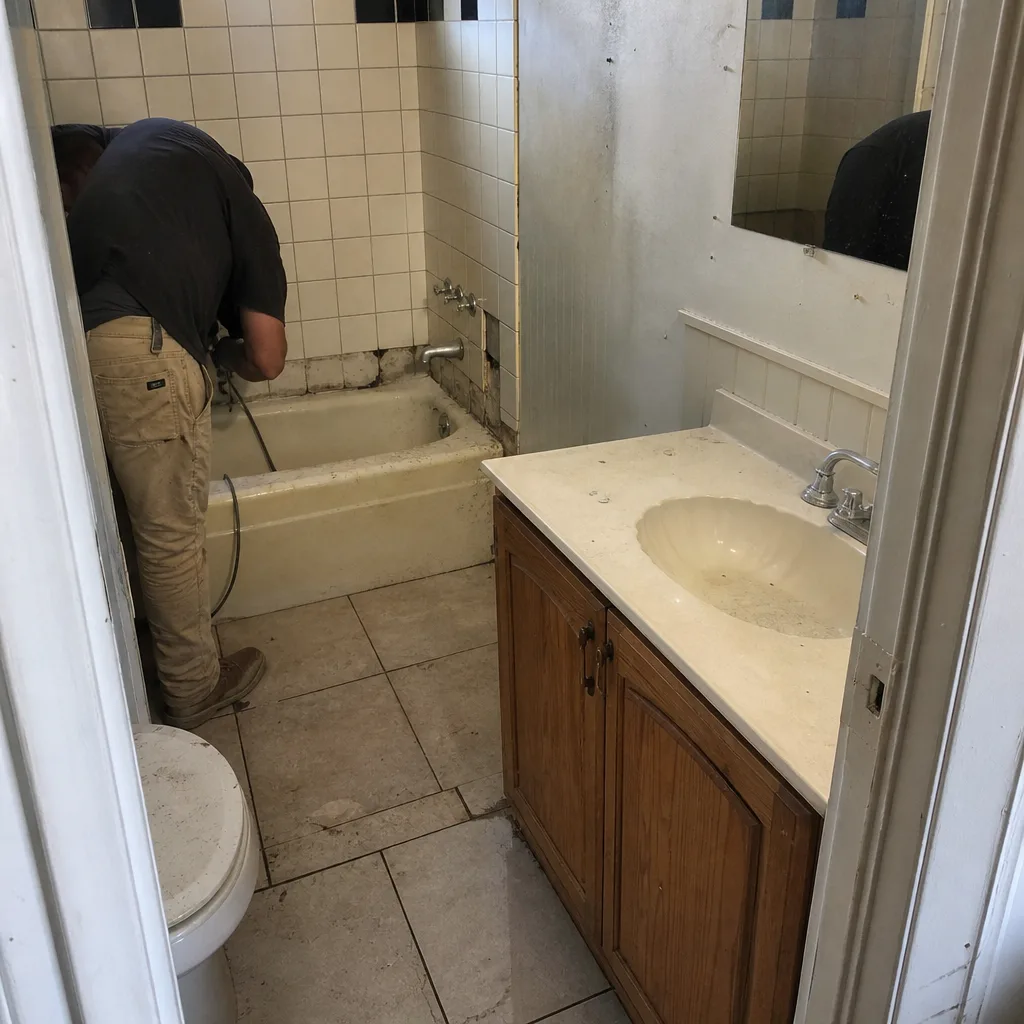 Before
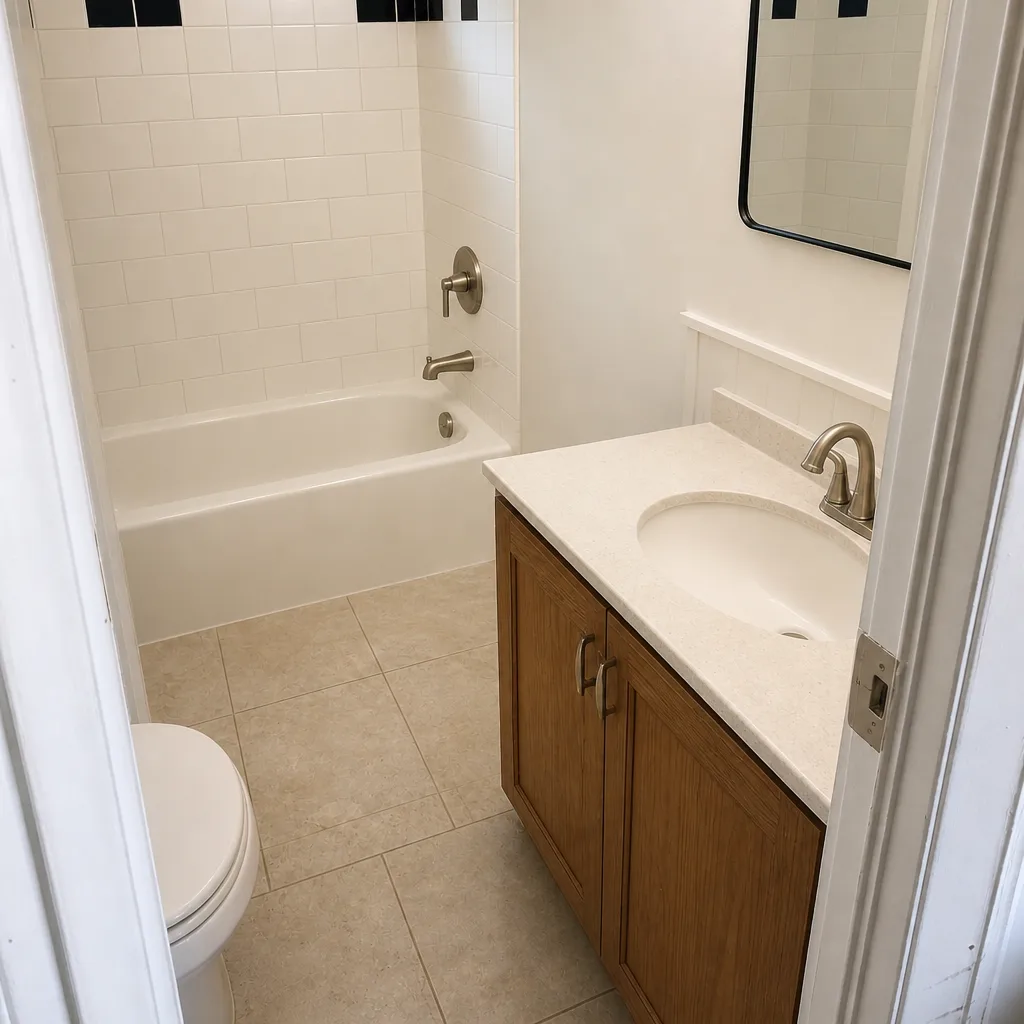 After
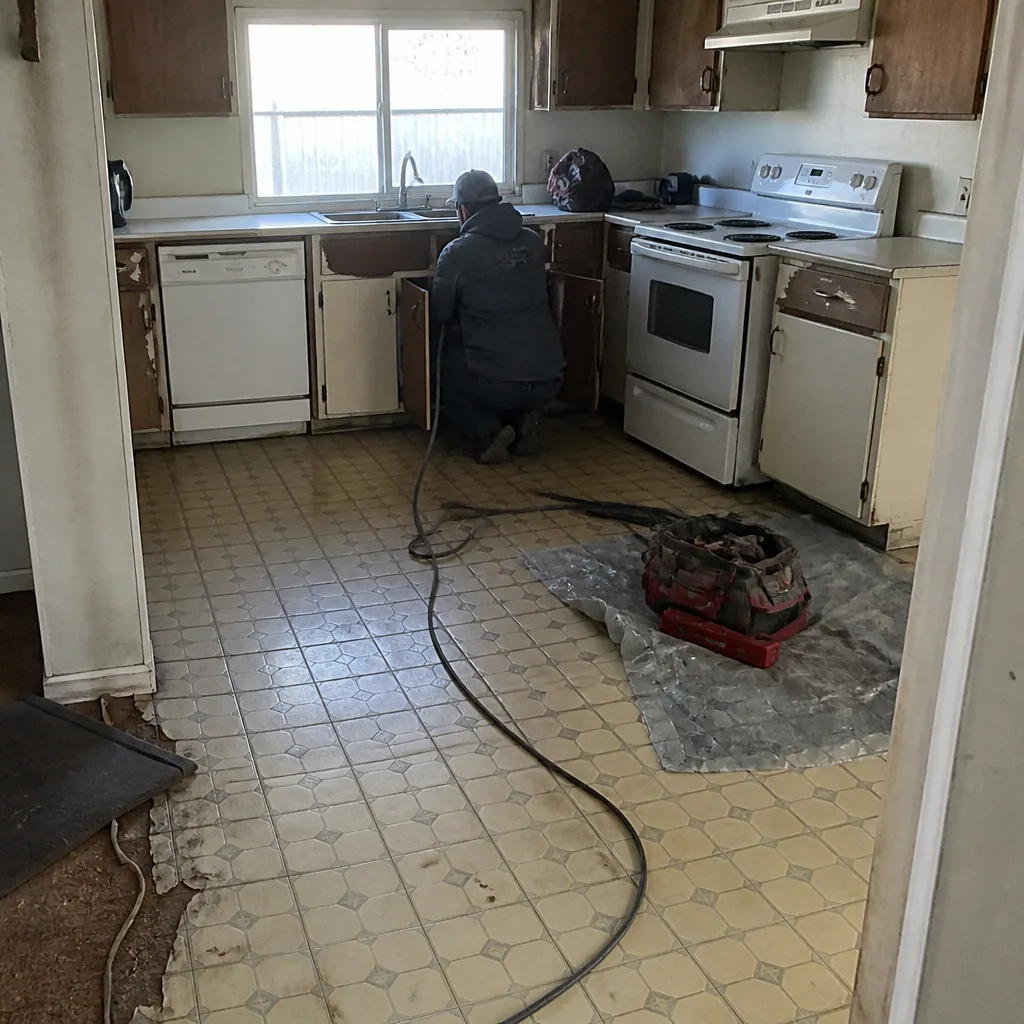 Before
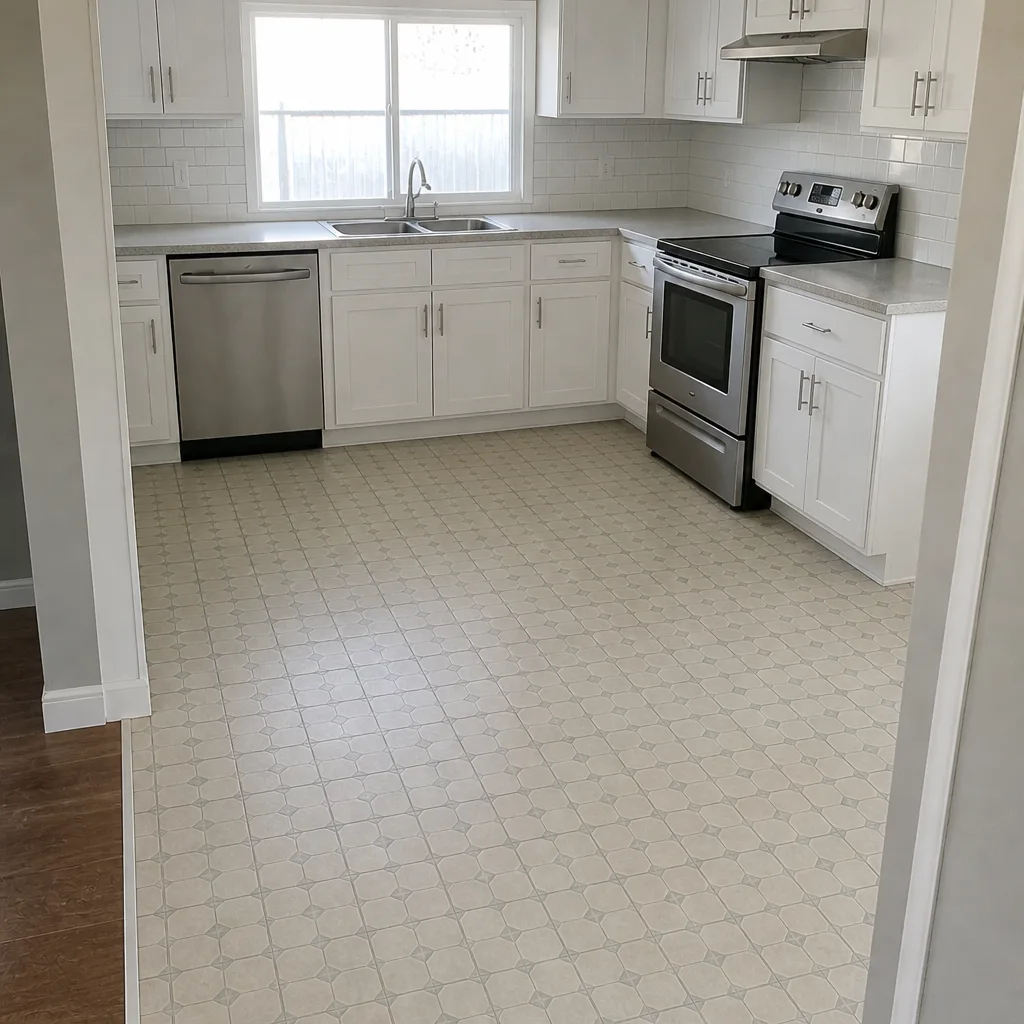 After
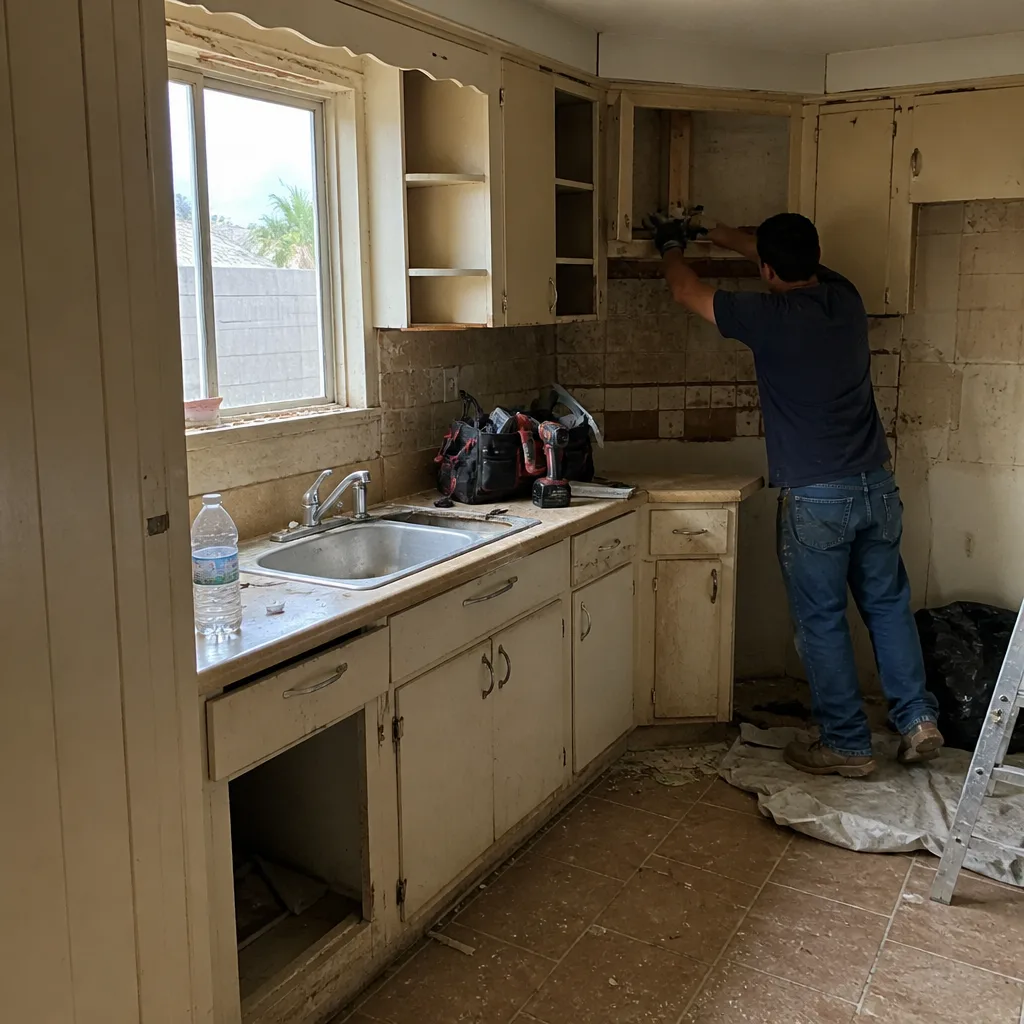 Before
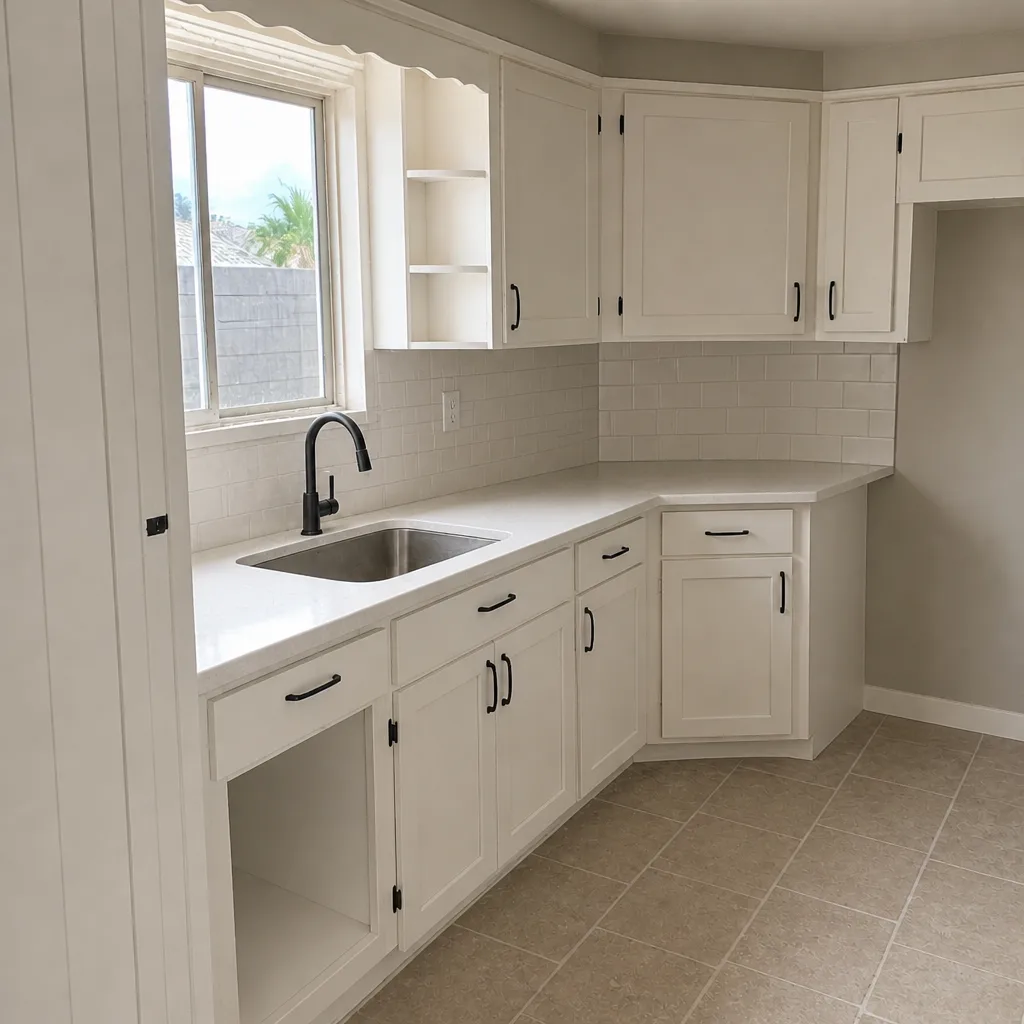 After