
Free written scope consultation - allowances, timeline, and change-order rules on paper before a single trade is scheduled
Styles & brands we work with
- Kitchen remodeling
- Bathroom remodeling
- Home additions & ADU
- Roofing
- Windows & doors
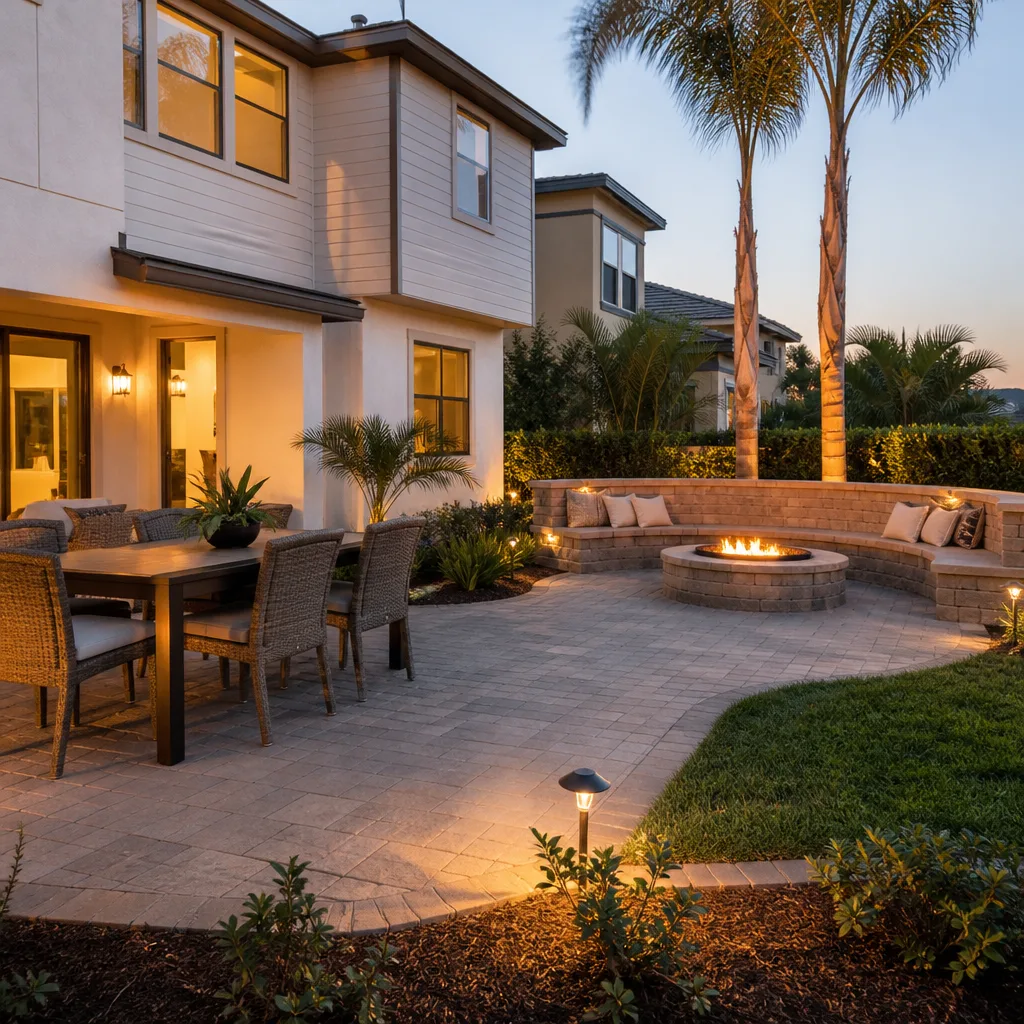
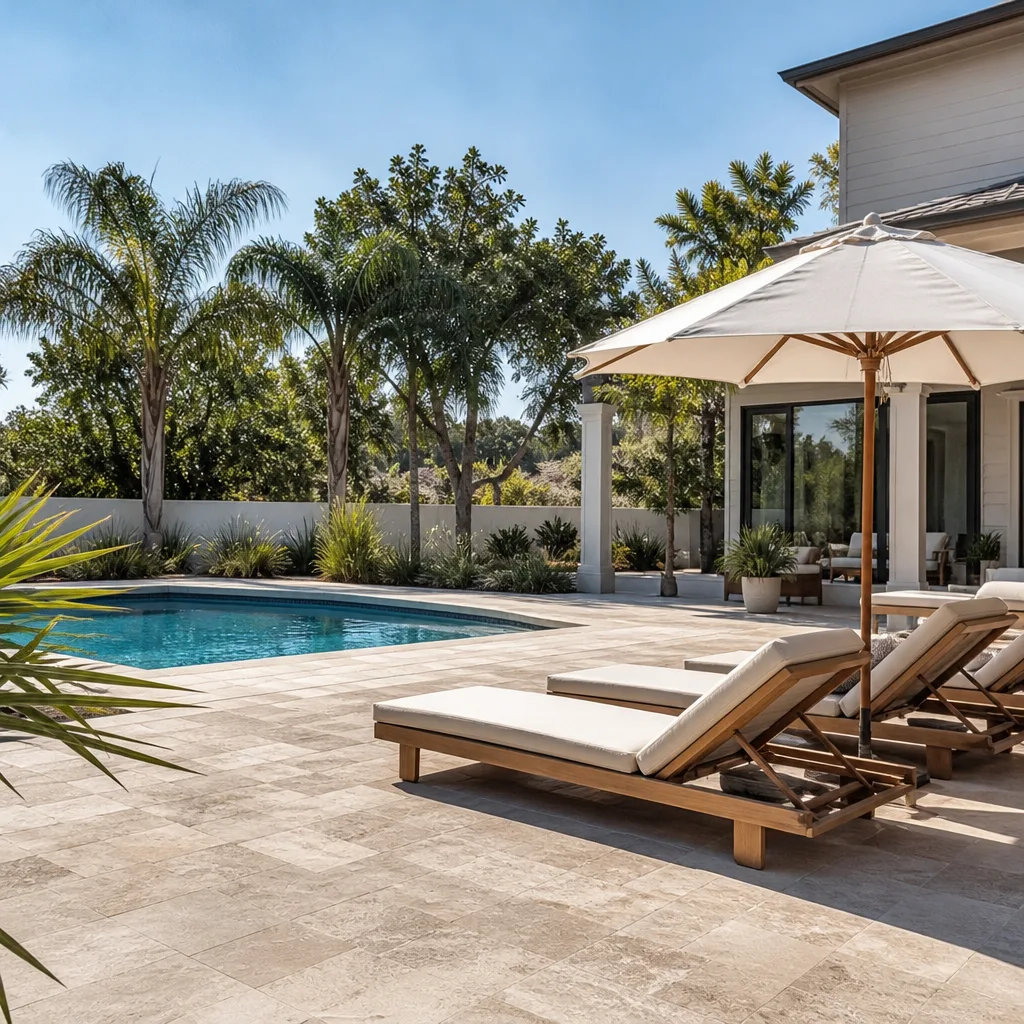
- Driveway & pavers
- Fence
See the difference
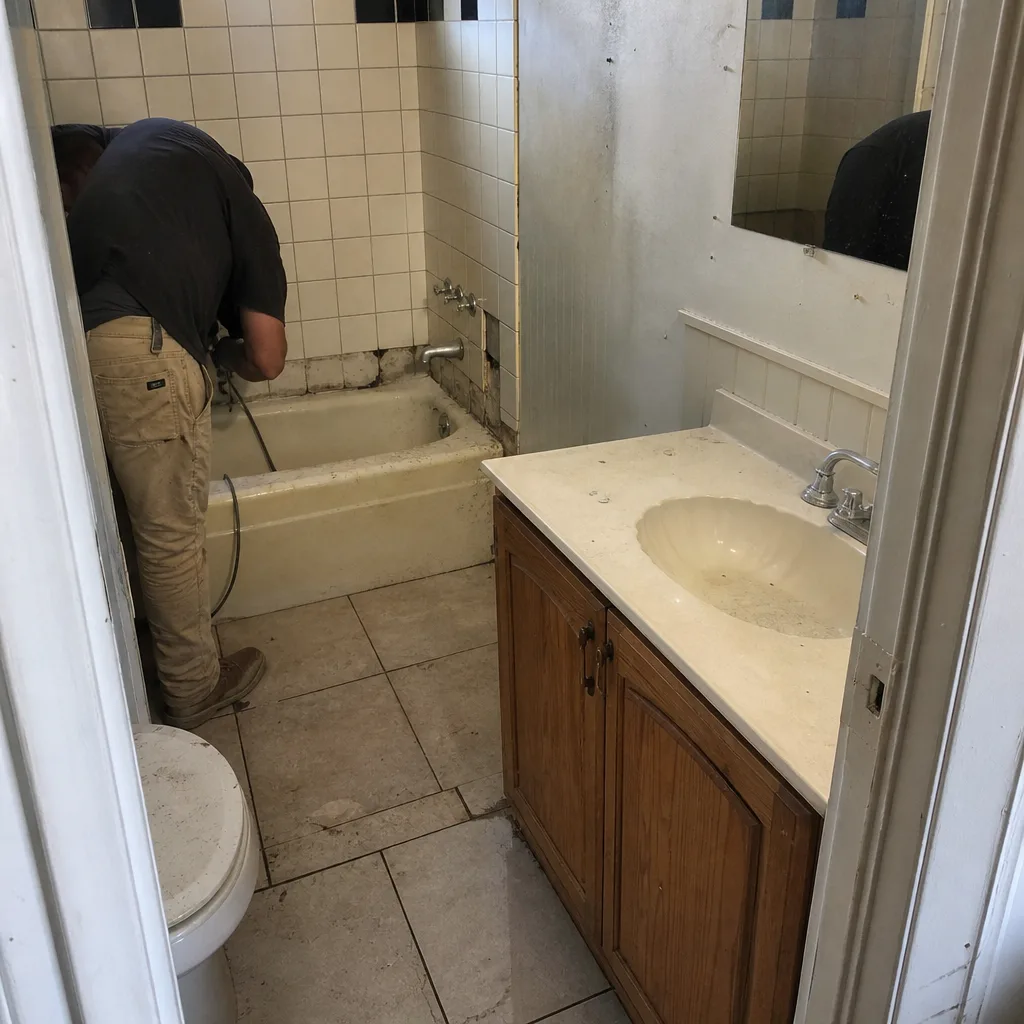 Before
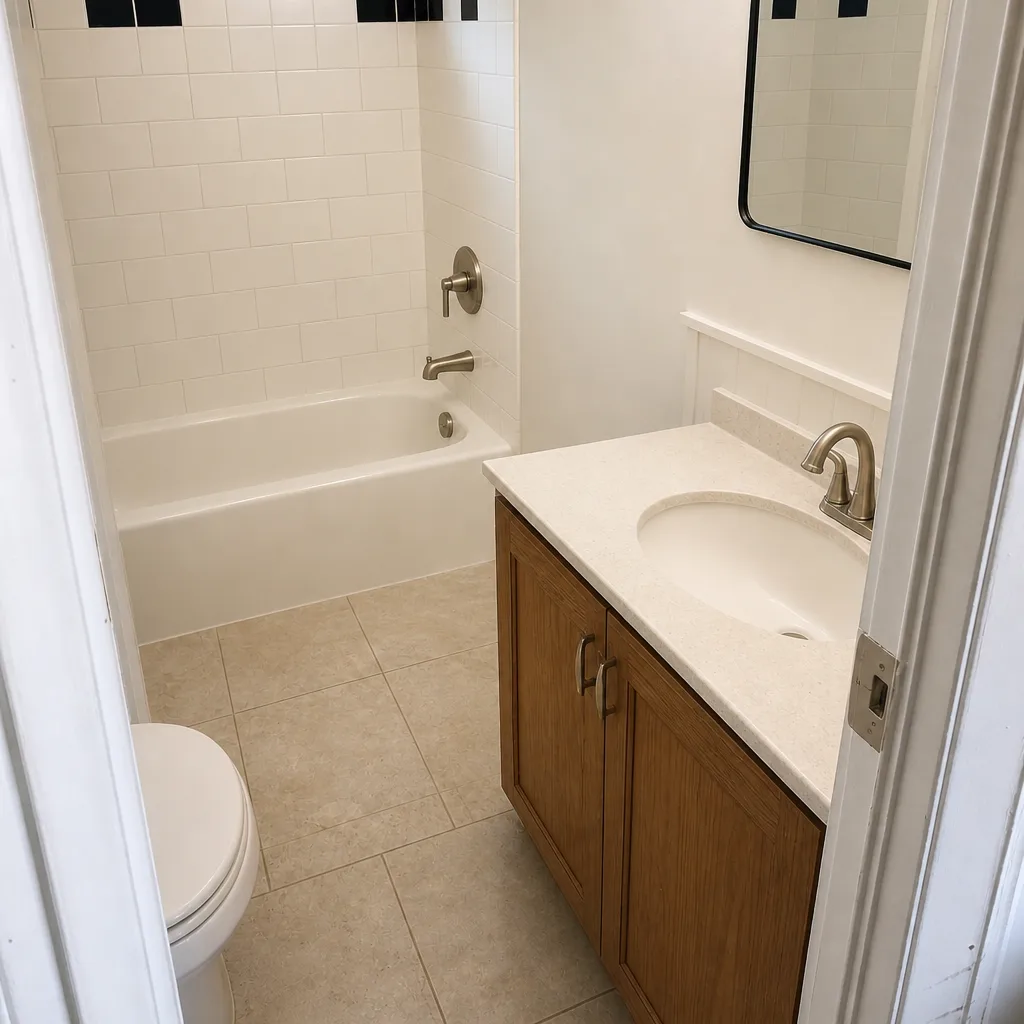 After
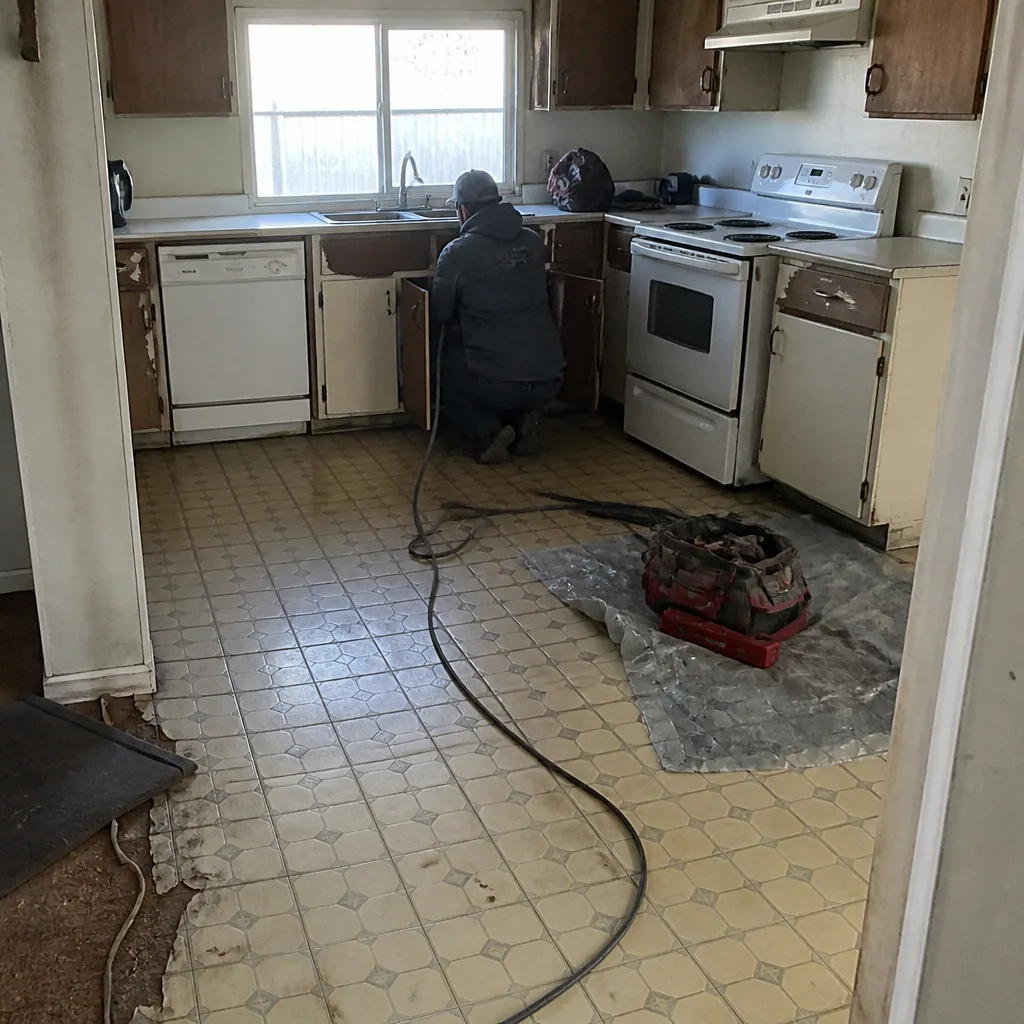 Before
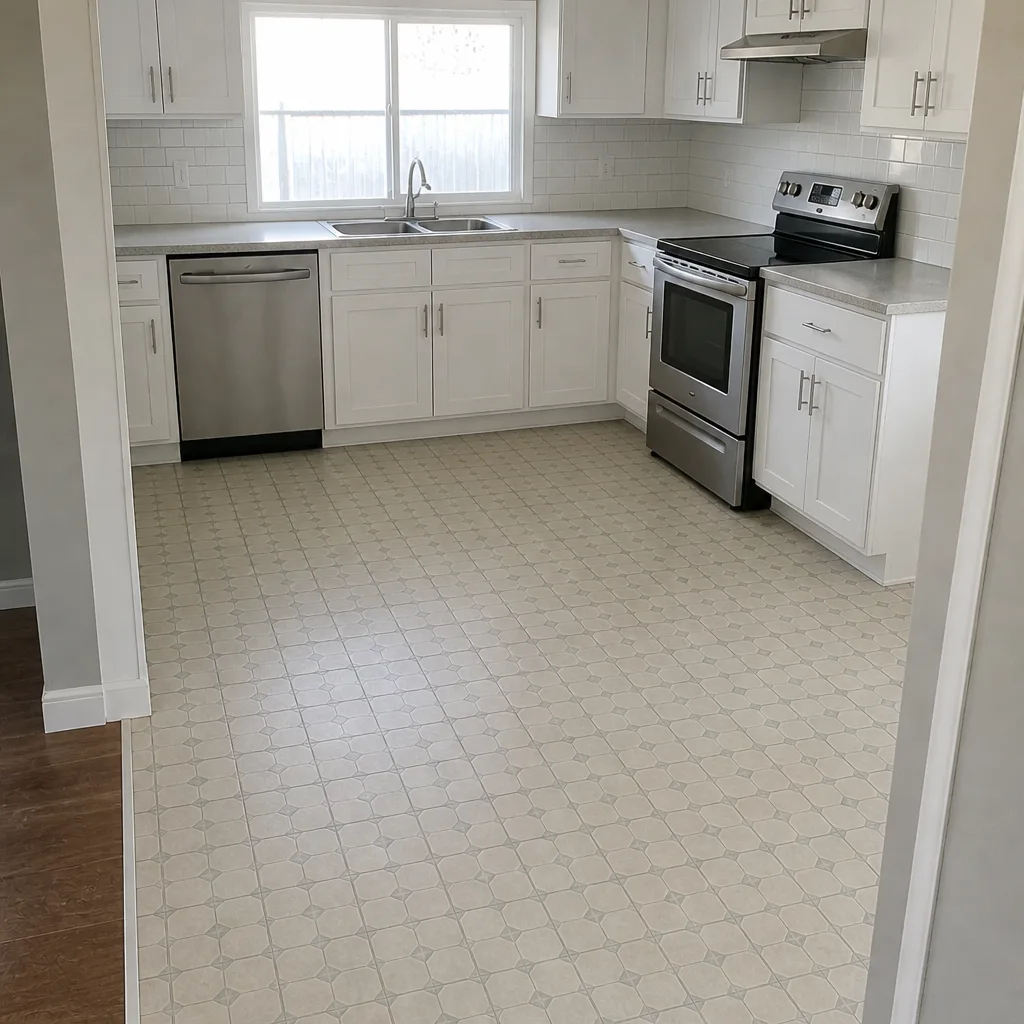 After
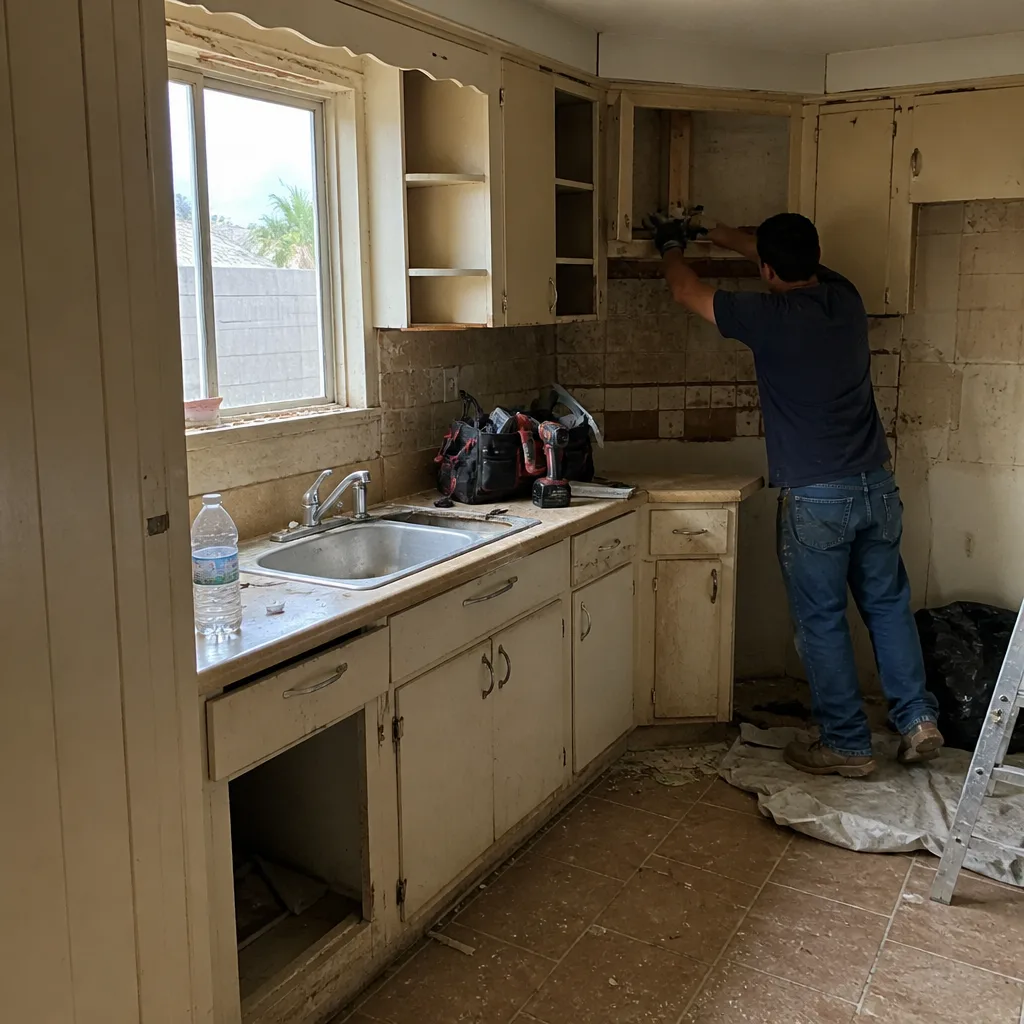 Before
 After
How Thick Should a Concrete Driveway Be in Mesquite, NV? 4 Inches Is the Minimum, 5-6 Is the Standard
For most Mesquite driveways that see daily vehicle traffic, the right slab is 5 to 6 inches thick with #3 rebar on 18-inch centers – not the 4-inch national minimum many bids quote. Four inches is a code floor written for general conditions, and Mesquite is not a general-condition town. Sandy desert subgrade over caliche, summer heat that pushes water off a pour within minutes, and monsoon runoff through the Virgin River gorge all conspire against a thin slab. A 4-inch driveway can pass inspection and still crack in year two. If you’re weighing a bid and something about the thickness spec feels thin, call Groundwork Construction Co. of Mesquite at (888) 413-6358 and we’ll walk you through what a proper desert pour actually looks like.
Key Takeaways
- Standard residential minimum is 4 inches; Mesquite desert conditions warrant 5-6 inches for any vehicle-bearing driveway.
- Rebar reinforces structural load. Fiber reinforces against plastic shrinkage. They are not interchangeable.
- Subgrade compaction matters as much as thickness – sandy soil hides voids that crack even thick slabs.
- Ask for the thickness, reinforcement spec, and mix design to be written into your contract.
Why 4 Inches Fails Here (and 5 Does Not)
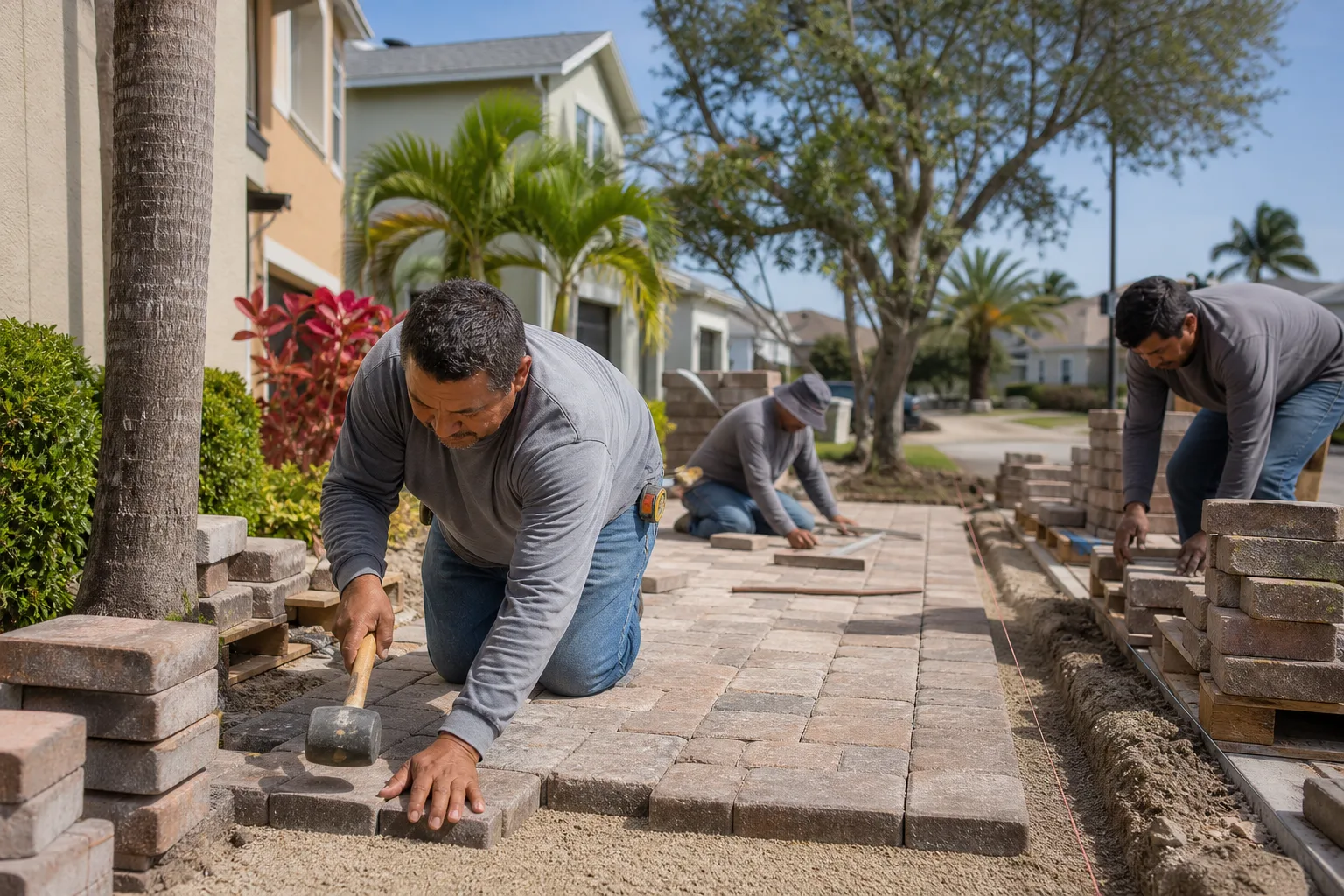
The national 4-inch spec assumes a fairly stable, well-draining subgrade and moderate temperature swings. Mesquite gives you neither. Local soil is sandy topsoil sitting over caliche – a cemented calcium carbonate layer that’s been compared to natural concrete. That combination makes compaction harder to get right than a clay or gravel base. When a crew skimps on a plate compactor pass, they leave voids that a correctly thick slab will still crack over, because the failure isn’t in the concrete mix – it’s in what’s underneath. That kind of crack looks like a bad batch to a homeowner. It isn’t. It’s subbase failure, and it’s one of the most common things we’re called out to assess on driveways installed by others.
Pushing the pour to 5 inches with rebar does two things: it thickens the cross-section so the slab spans minor subgrade unevenness without cracking, and it gives the rebar enough cover to do its job for the long haul. On driveways that see heavy vehicles, RVs, or repeated turn-around loading, 6 inches is the safer call. Either way, we spell the thickness out in the contract, not just in a verbal handshake, because a verbal spec is worth nothing when the crew’s already gone.
The Desert Thermal Argument for a Thicker Slab
Summer highs in Mesquite routinely push past 105°F. During a July pour, ambient heat pulls moisture off the surface fast enough that finishing can turn into a race – one reason we schedule desert pours early, use evaporation retarders, and shade the slab where we can. A thicker slab isn’t just stronger; it’s thermally heavier. It takes longer to heat through during the day and, just as importantly, holds its heat longer so the top cools closer to the bottom overnight. That matters because shrinkage cracking happens when the top of a slab cools much faster than the bottom. A 4-inch slab with a thin thermal mass can chase temperature swings that a 5 or 6-inch slab smooths out. In a place with 40-plus days above 100°F some summers, that extra thickness is a working spec, not a luxury.
Rebar vs. Fiber: What Each One Actually Does
We get asked constantly whether fiber “counts” as reinforcement in place of rebar. It depends on what you’re reinforcing against.
- Fiber (polypropylene) controls plastic shrinkage cracking – the fine surface cracks that form while concrete cures and loses moisture. Fiber does that job well. It does not carry structural load.
- Rebar (#3 on 18-inch centers) carries load across cracks and around edges where stresses concentrate. It’s what you want on a driveway that will see trucks, RVs, or heavy foot traffic from Mesquite’s active retirement community.
- Both together is common on quality desert pours – fiber for surface cracking, rebar for structure.
Some bids offer fiber as a substitute for rebar to save cost. On a light patio slab, fine. On a driveway in Mesquite, ask why. The cost gap between fiber-only and rebar isn’t large enough to justify the load capacity you give up.
What a Proper Mesquite Pour Includes
Thickness and reinforcement are half a spec. The other half is what we bring to every driveway job:
- Compacted subgrade – proof-rolled and compacted before any form goes in, especially over sandy topsoil.
- #3 rebar on 18-inch centers on a 5-inch pour for standard driveways, 6-inch for heavier loads.
- Specified mix design – a target water-cement ratio and slump, plus evaporation retarders for hot-weather pours.
- Proper curing – wet curing or curing compound, not just “let it dry.”
- Control joints at correct spacing so cracks go where you want them.
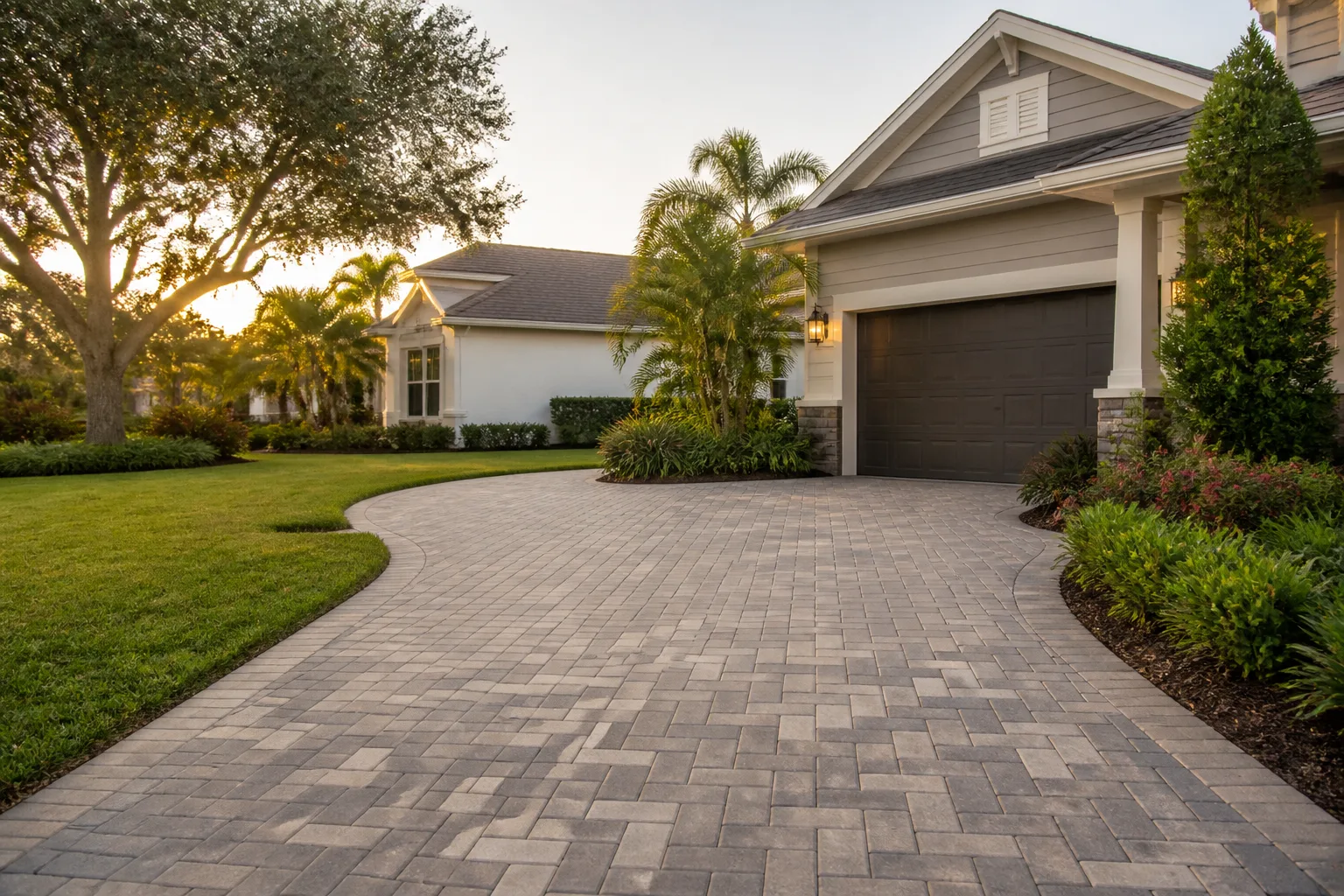
If you’re wondering about finish options – broom, exposed aggregate, or pavers over concrete – those discussions happen alongside the thickness conversation. Our Driveway & Pavers in Mesquite page covers what we install, and our home page outlines the full range of work across seven service lines, from roofing and windows to kitchens and home additions. For the driveway itself, the practical answer stays the same: 5 inches minimum with rebar, 6 if it takes heavy vehicles.
What a 5-Inch Rebar Driveway Costs in Mesquite
Concrete driveway installation in Mesquite typically runs $4,500-$12,000, and the cost of moving from 4 inches to 5 inches with rebar is usually a fraction of that total. The variation in price comes from square footage, removal of old concrete, and site access. Here’s how we outline it:
| Item | Typical Range (Mesquite) |
|---|---|
| Concrete driveway installation (new) | $4,500 - $12,000 |
| Driveway replacement (remove + repour) | $5,000 - $14,000 |
| Paver driveway installation | $7,000 - $18,000 |
| Driveway sealing (existing slab) | $250 - $700 |
The number you see is the number you pay. No change orders hidden behind a minimum-spec bid, no surprise upcharge when the crew decides the slab needs more concrete. If you’re comparing a 4-inch quote against a 5-inch one, compare the whole spec: subgrade prep, reinforcement, mix, curing, and what happens when a crack appears.
Why the Promise Matters on Flatwork
Concrete cracks. The real question is whether the crack happens in year two or year fifteen, and whether the installer will be there to do anything about it. Mesquite’s transient construction labor pool means a crew that pours your driveway in April might be working a different gorge project by autumn. The 730-Day Done Right Promise on our flatwork puts thickness, reinforcement, mix design, and joint spacing into an enforceable contract – not a verbal assurance from a foreman you’ll never see again. If a driveway we install develops a failure the spec should have prevented, we make it right. That’s the difference between a bid and a build.
And when it’s time to choose materials beyond concrete, we work with brand partners we can stand behind, from Techo-Bloc and Cambridge Pavers on the hardscape side to the full range of trusted names across every trade. Quality materials paired with written guarantees – built to last, backed in writing.
FAQs
For a standard residential driveway in Mesquite, 5 inches with #3 rebar on 18-inch centers is the professional standard; drop to 4 inches only for foot traffic or very light use, and move to 6 inches for RVs, trucks, or heavy loading. Four inches is a national minimum written for moderate conditions, and Mesquite’s sandy desert subgrade over caliche and 105°F+ summer heat are anything but moderate. Call (888) 413-6358 for a free in-person assessment – we’ll tell you what your specific site needs.
It’s the minimum, and minimum is not the same as prudent in a desert climate. A 4-inch slab can pass a Clark County inspection and still crack from thermal shrinkage or subgrade settlement within a couple of summers. Ask any bid you’re comparing to state the thickness, reinforcement, mix design, and joint spacing in writing – if those are vague, that’s your answer. And if you want a second opinion on a 4-inch bid, our team can look at it. Call (888) 413-6358.
Fiber controls plastic shrinkage cracking; it does not carry structural load. For a vehicle-bearing driveway in Mesquite, rebar is still the standard for load capacity, and many quality desert pours use both. On patios and foot-traffic-only slabs, fiber alone is fine. For a driveway, insist on rebar – and ask why if a bid says otherwise. We’ll gladly review any spec sheet with you.
Concrete driveway installation in Mesquite typically runs $4,500-$12,000 depending on square footage, site access, and whether existing concrete needs removal. Upgrading from a 4-inch fiber-only pour to a 5-inch rebar-reinforced pour is often a modest addition to the total, and it’s the difference between a slab that lasts and one that keeps your crack-repair guy in business. Get an upfront, no-hassle quote by calling (888) 413-6358 – estimates are free.
If you’d rather have it looked at, Groundwork Construction Co. of Mesquite offers a no-pressure assessment in Mesquite – we’ll review your site, your bid, and your options, and give you a straight answer on thickness, reinforcement, and cost. Call (888) 413-6358. Calls are answered by a live person 24 hours a day, seven days a week, so you won’t be stuck in a voicemail loop while your project waits.
Written by the team at Groundwork Construction Co. of Mesquite, serving Mesquite, NV.