




Free written scope consultation - allowances, timeline, and change-order rules on paper before a single trade is scheduled
Styles & brands we work with
- Kitchen remodeling
- Bathroom remodeling
- Home additions & ADU
- Roofing
- Windows & doors
- Driveway & pavers
- Fence
See the difference
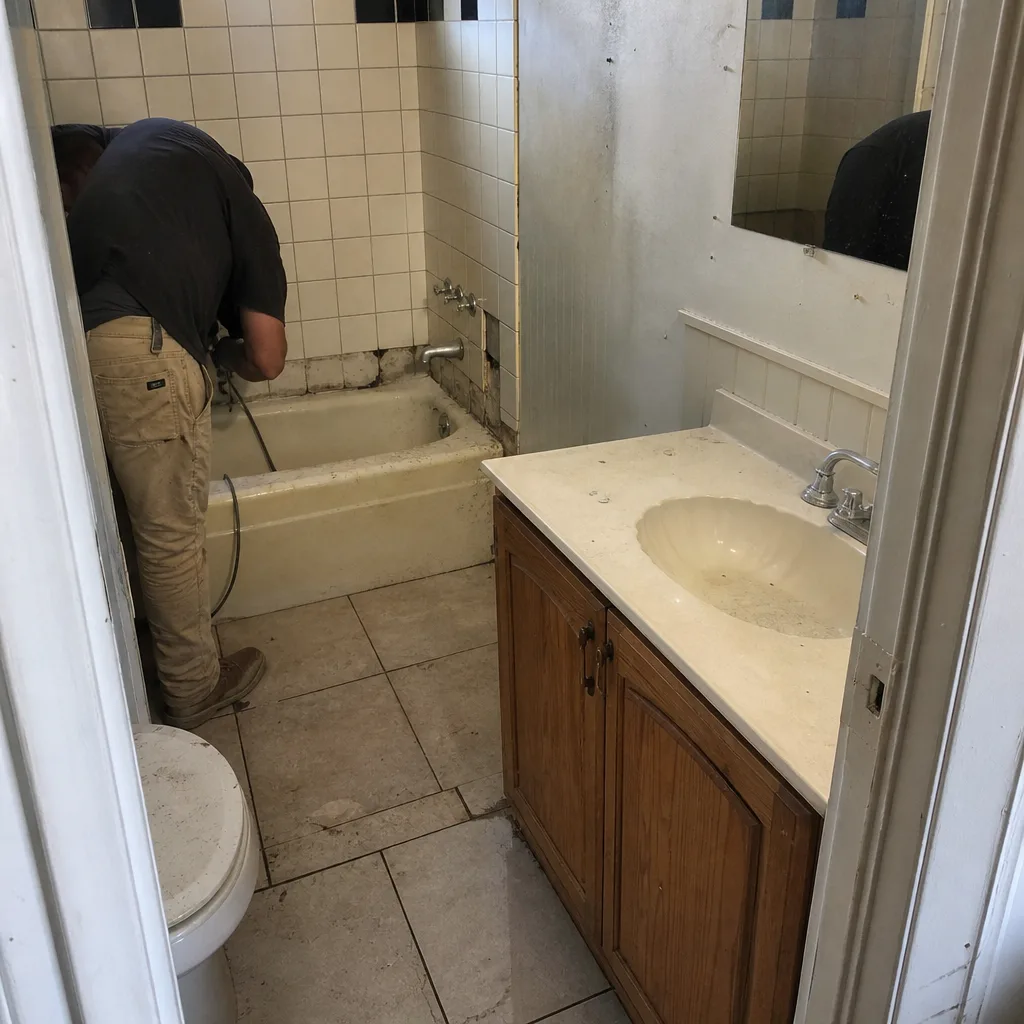 Before
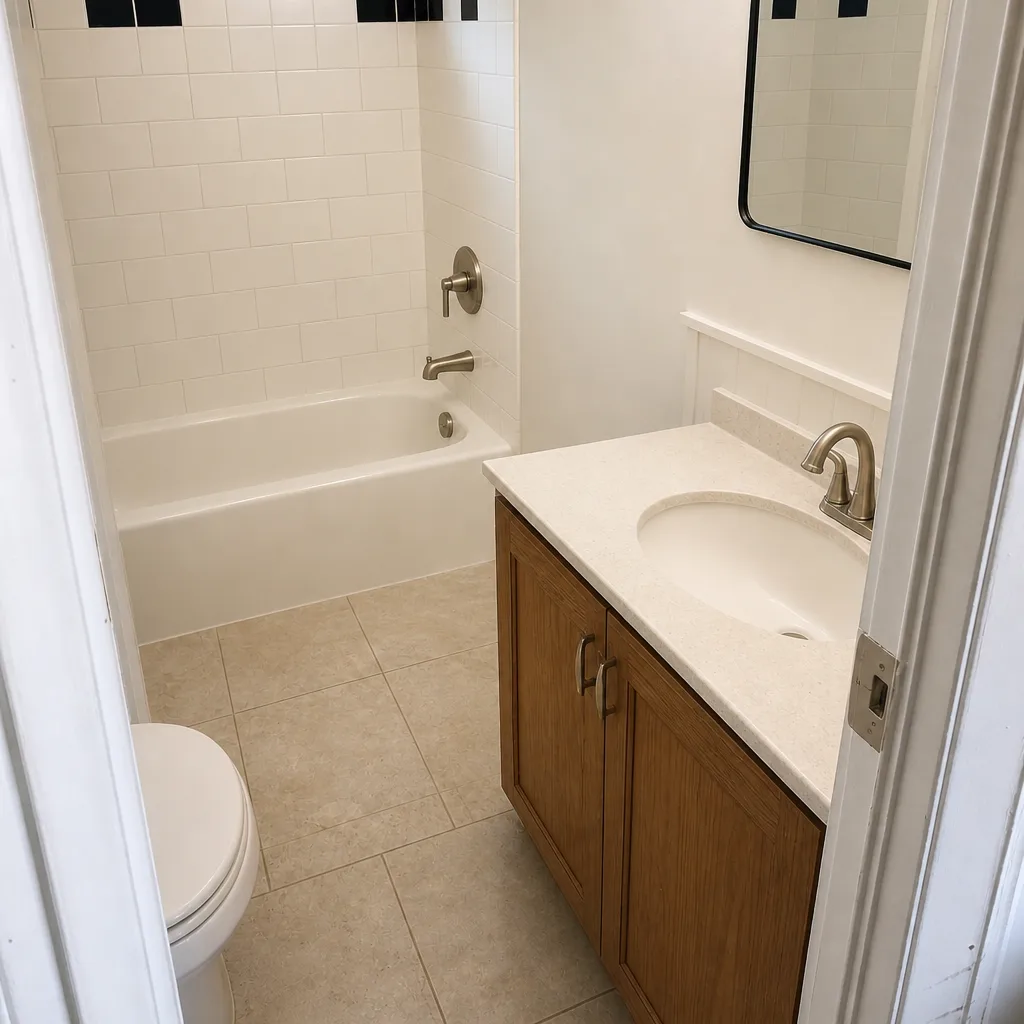 After
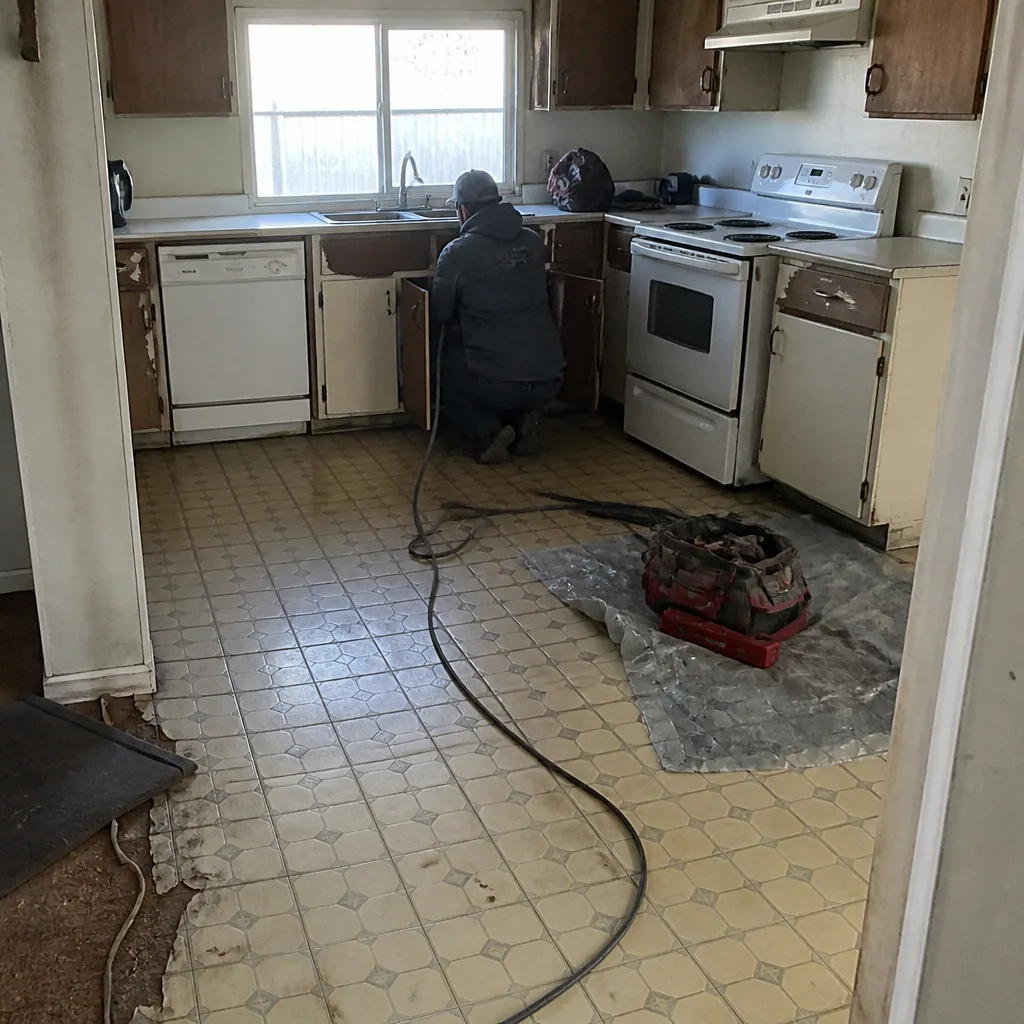 Before
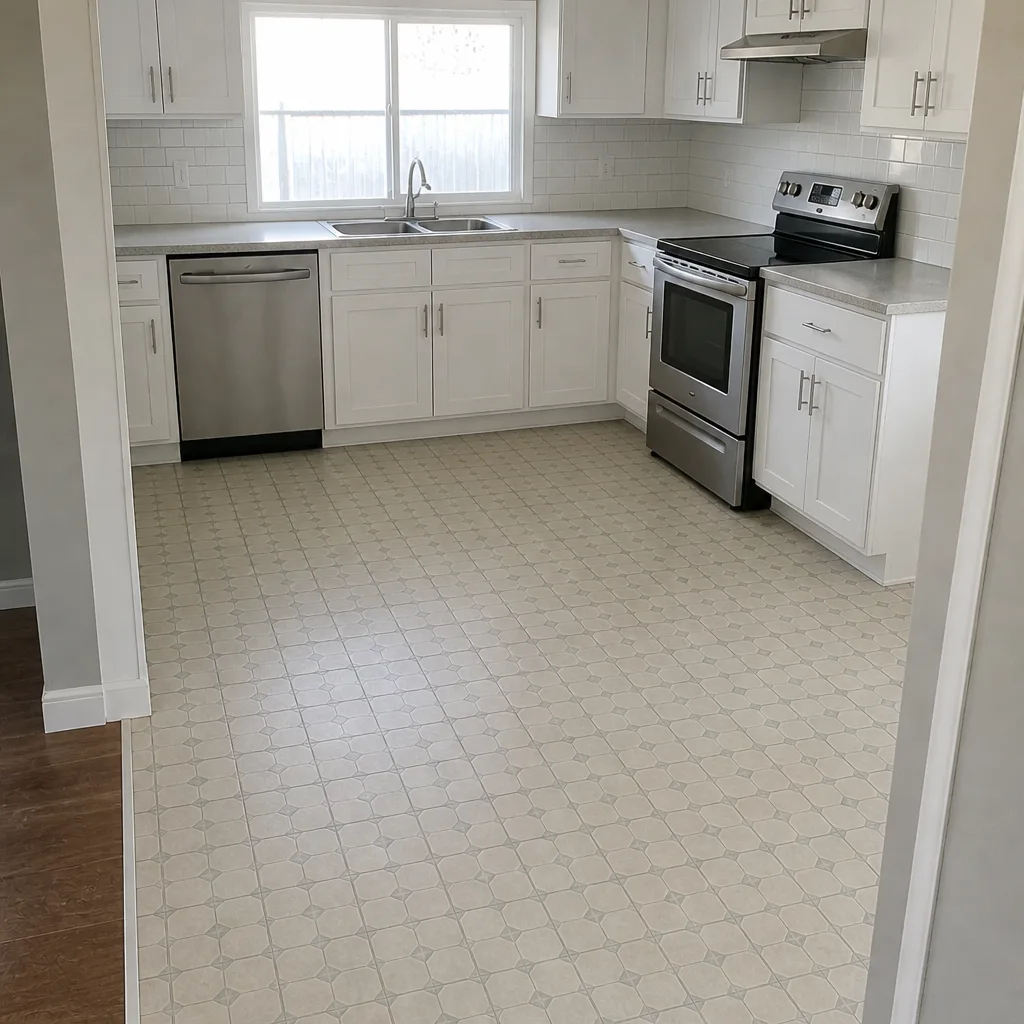 After
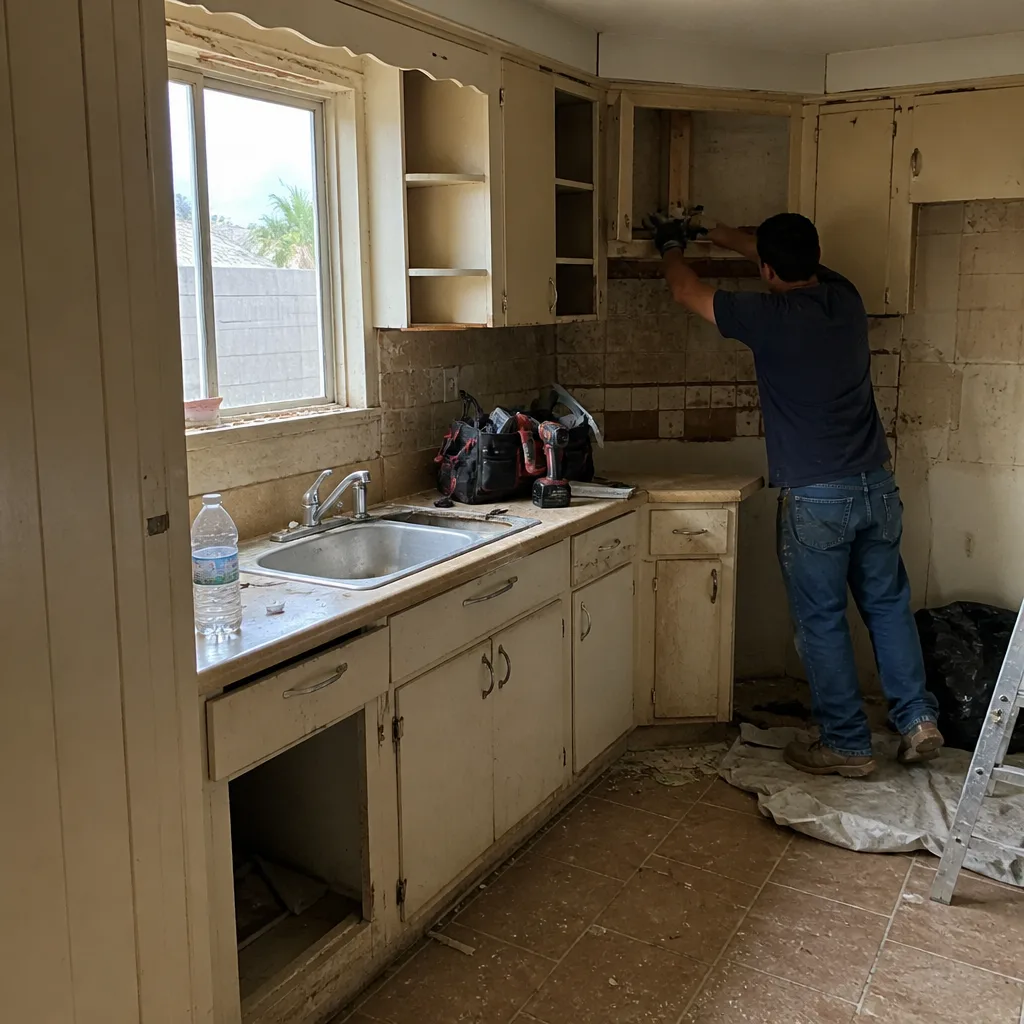 Before
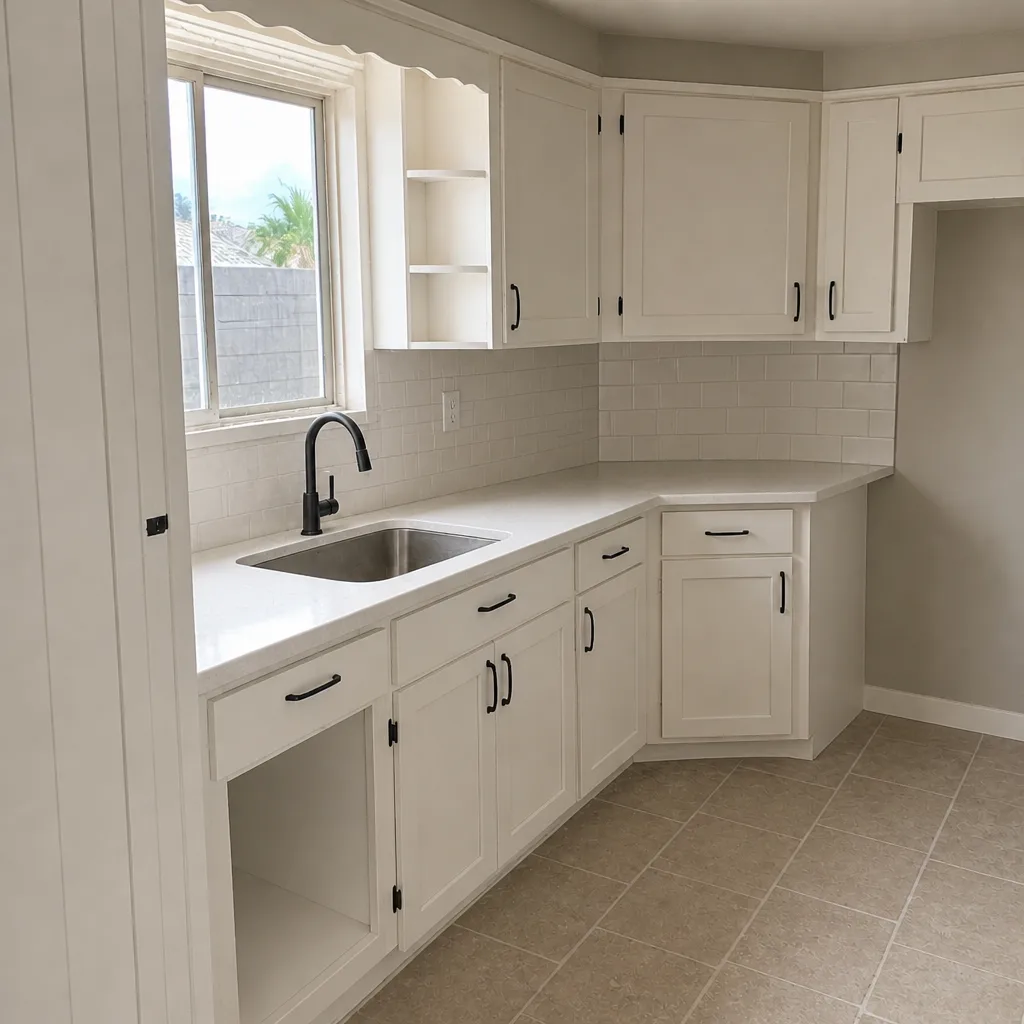 After
Roof Hail Damage Signs in Mesquite, NV: What Tile and Metal Actually Show After a Supercell
The most reliable roof hail damage signs are displaced granules or white chalky dust at your downspout outlets, spider-crack patterns across concrete tile that you can’t see from the ground, and broken seam engagement on standing seam metal. Mesquite doesn’t get hail often, but when a monsoon supercell pushes through the Virgin River gorge, it can deliver marble-to-golf-ball ice to a tile roof that looks untouched from your driveway while every underlayment penetration point has been compromised. If a storm just passed, call Groundwork Construction Co. of Mesquite at (888) 413-6358 and we’ll help you decide what’s urgent and what can wait.
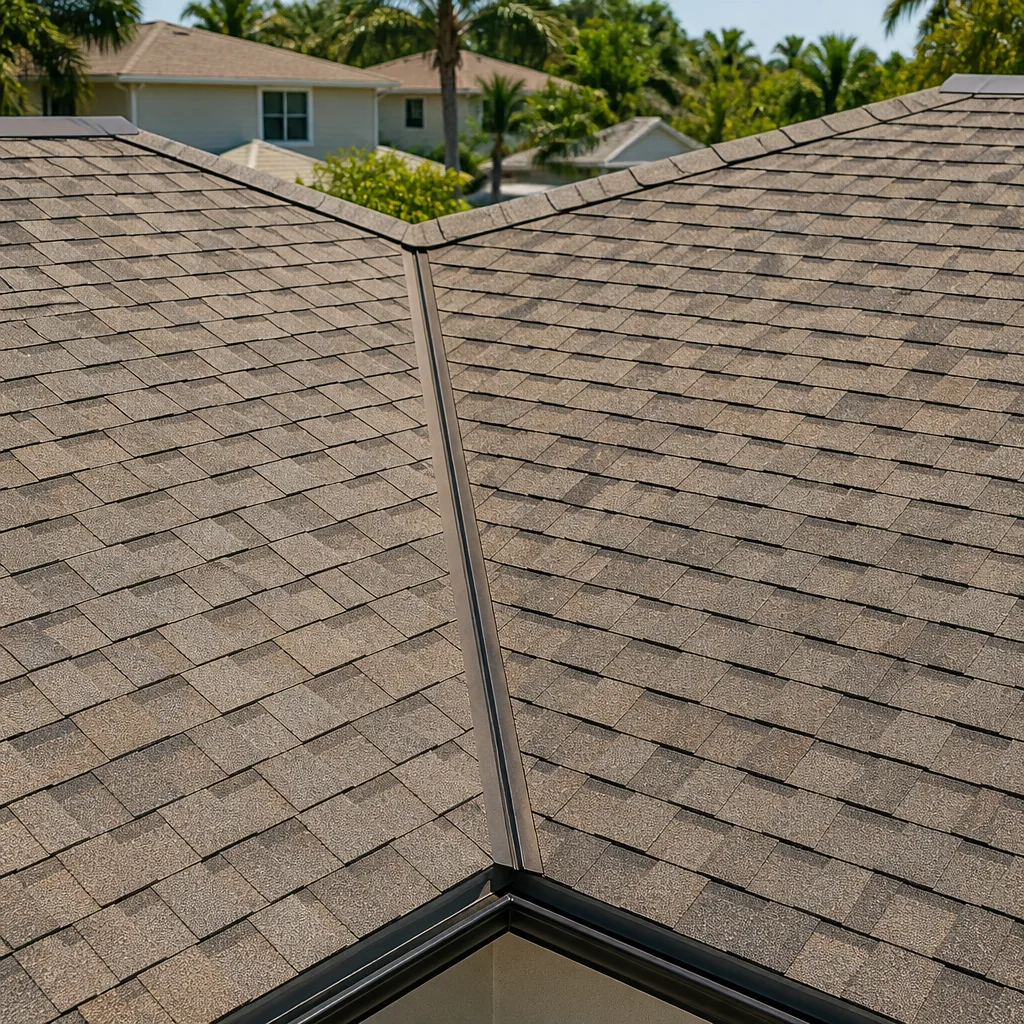
Why Mesquite Hail Damage Looks Nothing Like the Guides Online
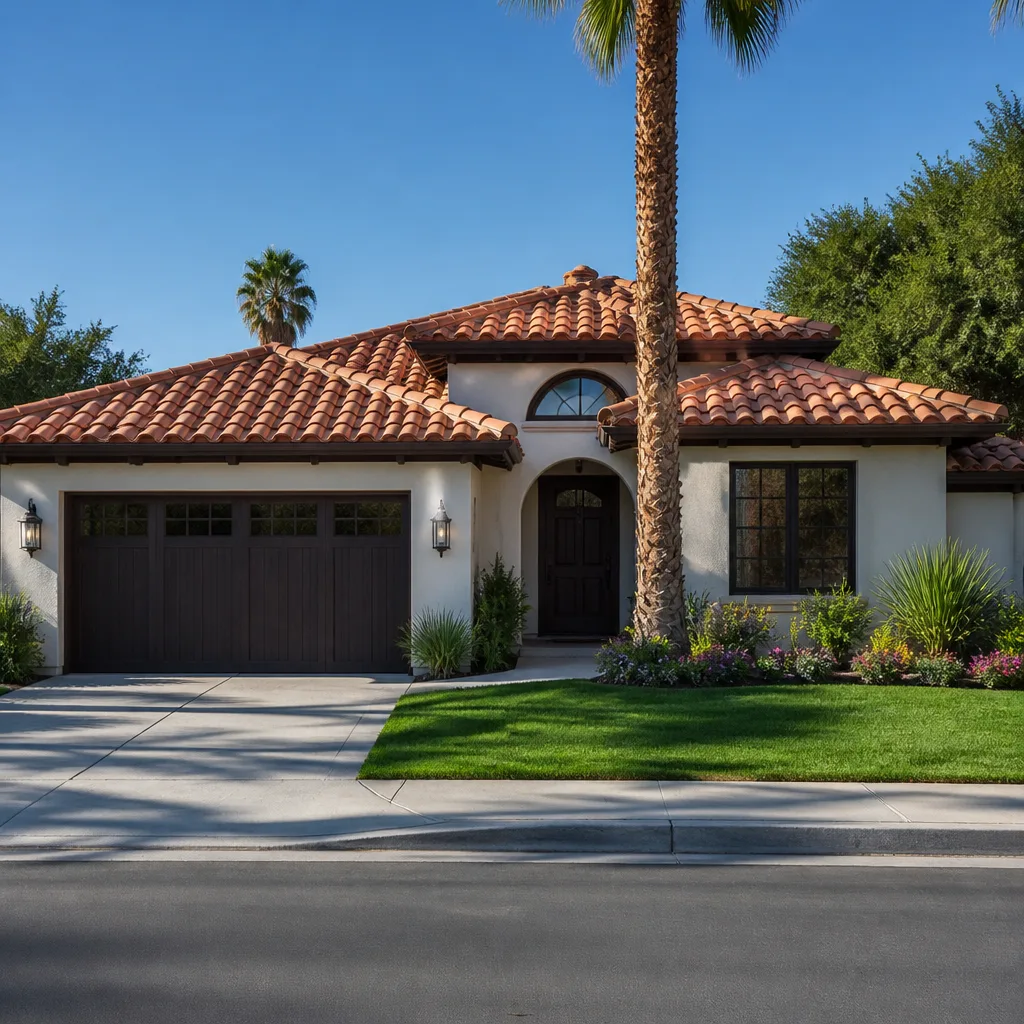
Search “roof hail damage signs” and you’ll get pages written for Texas and the Midwest: bruised shingles, granule loss, soft spots you can press with a thumb. Almost none of it applies here. The housing stock in Sun City and Highland Hills is stucco-on-frame with concrete tile roofs, and the newer custom builds and townhomes going up on the tight, rocky lots around the gorge are almost entirely slab-on-grade with tile as well. Shingles are the exception, not the rule.
That matters because concrete tile and standing seam metal fail differently under hail. A shingle bruises. A tile fractures at a microscopic level and holds its shape. The damage is real, and it’s the kind that hides until the next big rain.
The Concrete Tile Hail Diagnostic Nobody Publishes
Concrete tile is brittle. Hail impact doesn’t punch holes – it cracks. Here’s what our technicians look for when we’re up on a Mesquite roof after a hail event:
- Spider-crack patterns. A hailstone strike on a tile surface can leave a starburst of hairline cracks that don’t penetrate the tile. From the ground it’s invisible. Up close under raking light, it shows clearly. Those cracks weaken the tile’s resistance to wind uplift, which is a real problem in the gorge where wind funnels through and gets amplified between walls.
- Hairline fractures along the tile lug. The lug is the hook on the underside that engages the batten. Hail impact can fracture it even when the visible surface looks fine. A tile with a cracked lug is a tile waiting to slide off in the next wind event.
- Displaced tile without visible cracking. Impact force alone can nudge tile out of alignment. The tile isn’t broken – it’s just shifted. The underlayment beneath, which is the actual water barrier, may now be exposed at a lap and taking UV.
That last point is the one Mesquite homeowners underestimate most. Hail-fractured tile over dry-laid underlayment can admit water for 12 to 18 months before you see a stain on your ceiling. Why? Because we get maybe 5 inches of rain a year in the gorge. The compromised tile sits there getting baked by 105°F summer UV and never gets tested until the next monsoon pushes moisture sideways into a spot that shouldn’t be wet. By the time a brown ring shows up on your interior drywall, the damage has had a year and a half to work.
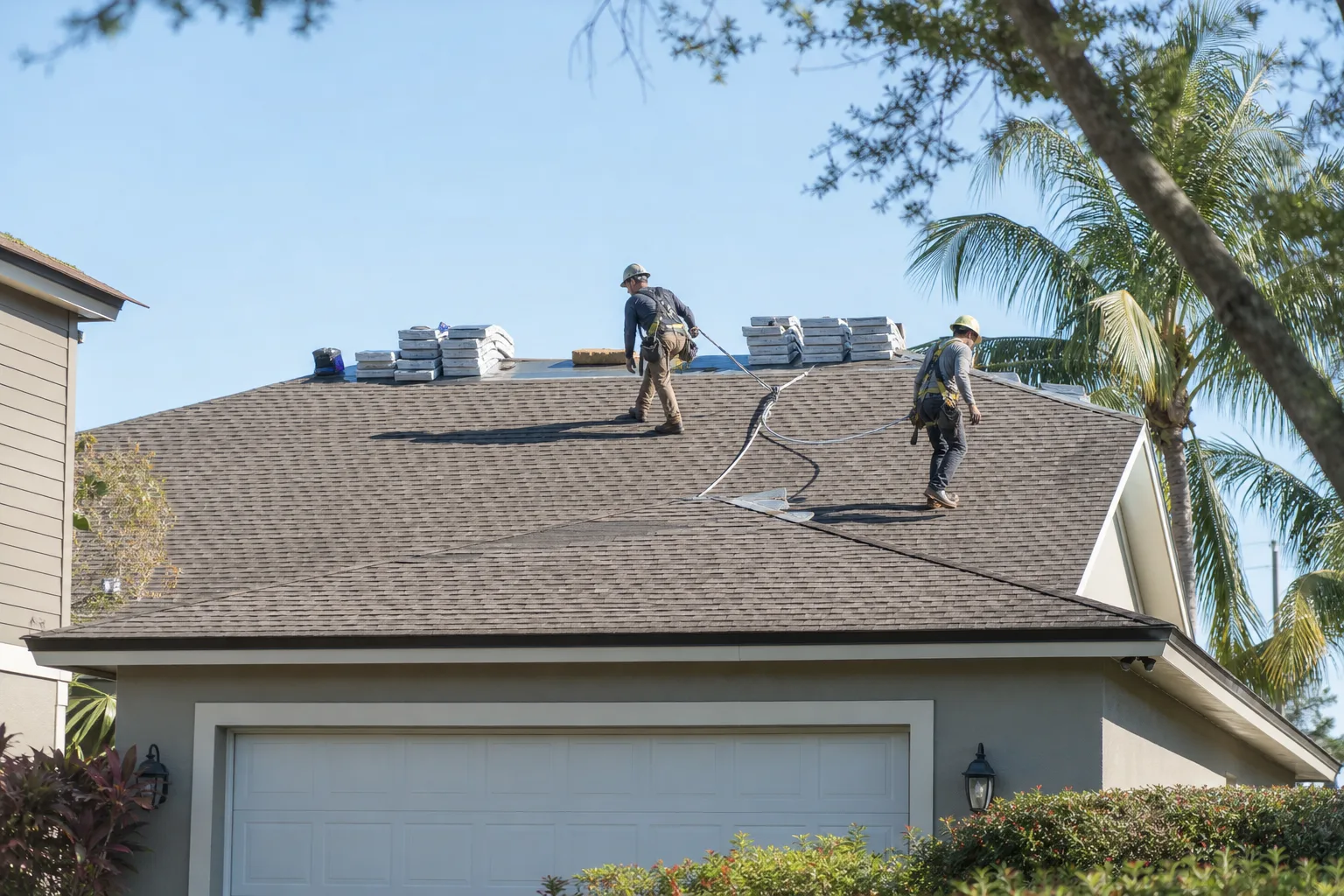
Standing Seam Metal: The Seam Lock Is What Matters
Metal roof owners tend to relax after hail because the panels don’t crack. Denting on a flat pan is usually cosmetic – it’s an eyesore, not a leak path. The structural sign is different and it’s the one generic guides skip entirely.
Standing seam panels are joined by a raised seam that’s mechanically double-locked. A hailstone strike directly on the seam can break that double-lock engagement. The panels look fine from a ladder. But a broken lock opens a capillary path – water wicks up the seam and gets under the panel from below. That’s not cosmetic. That’s a leak waiting for the first wind-driven rain, which in Mesquite means the next monsoon afternoon.
If your metal roof is newer, check what brand of panel was used. If it’s a GAF or CertainTeed system, we know exactly where the locks sit and how to check engagement without guessing. These are the same systems our Roofing crew installs, so the diagnostic is native to us, not something we’re learning as we go.
What You Can Check Today Without Getting on the Roof
You don’t need to climb anything. Do a ground-level sweep and look for two things:
- White chalky dust in your gutters and at the downspout outlet. This is concrete tile fracture material – the powdered aggregate that gets knocked loose when a tile cracks. If you see a fresh white residue concentrated at one downspout, that’s your first hail damage indicator pointing to one slope.
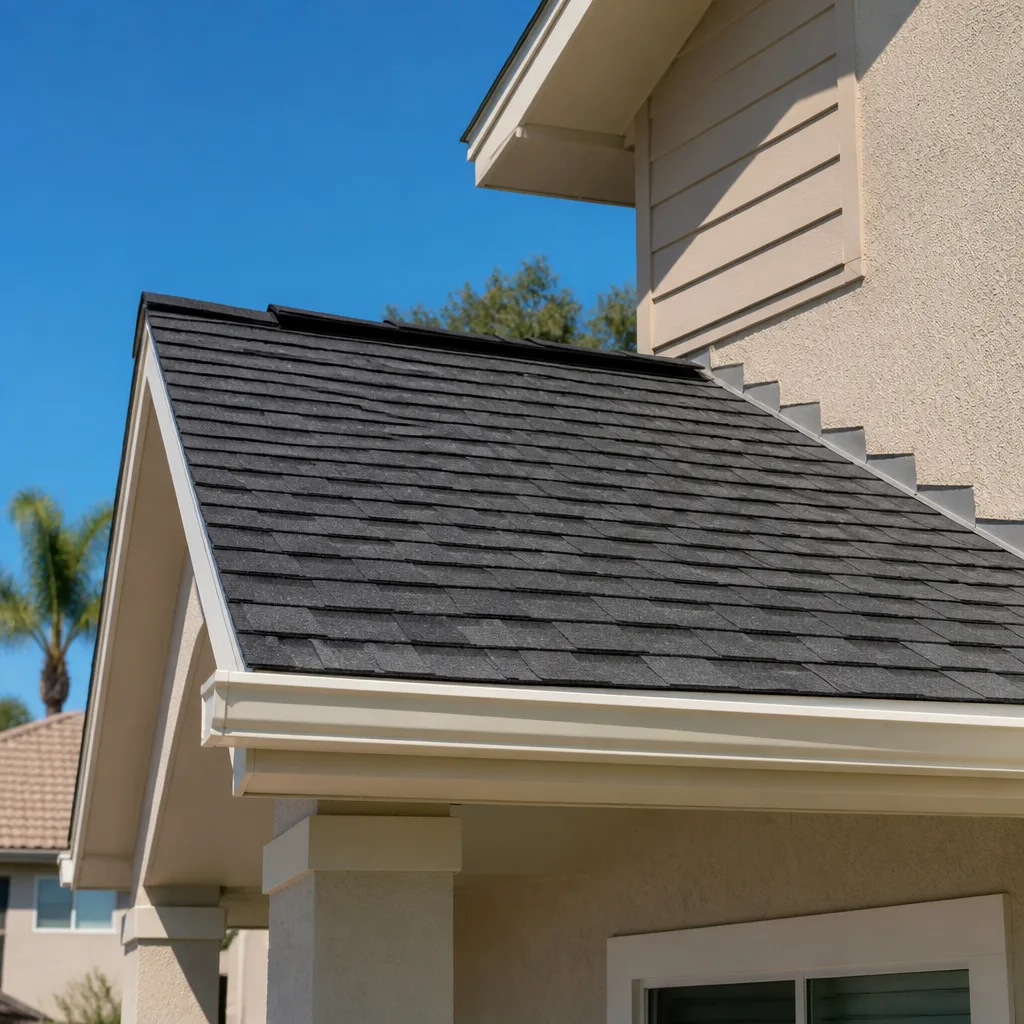
- Loose granules in gutters (if you have shingles). A handful of granules after a storm means something abraded the shingle surface. Dense granule loss on one slope means that slope took the brunt.
Walk the perimeter after a storm and look up. Displaced tiles will show as a slight ridge line disruption. You won’t see the spider-cracks from there – nobody can. But displaced tile is the easy visual that prompts a real inspection.
What the Fix Costs in Mesquite
Post-hail roofing work in the Virgin River gorge is priced differently than in Las Vegas because the local labor pool is smaller and the drive time is real. Here’s what you’re actually looking at for Mesquite roof repairs after a hail event:
| Scope | Typical Mesquite Range |
|---|---|
| Roof repair (localized hail damage, small area) | $400-$1,800 |
| Tile roof repair (cracked/displaced tile, spot underlayment) | $600-$2,500 |
| Full roof replacement (tile or shingle) | $8,000-$20,000 |
| Metal roof installation (if replacement is chosen) | $15,000-$40,000 |
Upfront pricing means the number we quote is the number you pay. No “we found more once we got up there” calls. And if the scope crosses $10,000, there’s $1,000 off plus 0% financing for 18 months. Every roof job carries the 730-Day Done Right Promise. If it’s not done right, we make it right – in writing, for two full years.
Common Local Scenarios After a Monsoon Event
Hail in Mesquite tends to arrive in late afternoon or evening, riding the monsoon flow off the high desert. That timing matters because it’s when you’re most likely to be home, most likely to see the storm, and least likely to get a contractor on the phone. We answer with a live person 24/7, which is why a call at 8 PM after a golf-ball event actually gets you somewhere instead of a voicemail box.
Three scenarios we see repeatedly:
- The tile roof that looks perfect. No visible damage from the ground, but the underlayment is compromised at the lap points. We find this most often on the south-facing slopes where tile has taken 15+ years of UV cycling and hail damage layered on top of heat degradation. That’s where the spider-cracks cluster.
- The newly built custom home with hail-pitted fascia and a micro-cracked ridge cap. New roofs aren’t immune – new tile fresh from the kiln is brittle, and newly installed underlayment is newly exposed. A hail event in year two is a real test.
- The metal roof that survived but has a broken seam. Dented panels are fine. Broken lock engagement isn’t. We check every seam on the impacted slope under raking light before we rule out damage.
On the north side of any home in the gorge, the drainage and erosion conditions from a storm can be as much a problem as the roof itself. When we do an assessment, we look at how water actually moved off the roof, not just what the shingles or tiles look like. Our technicians have up to 12 years of experience with desert construction and monsoon-driven damage patterns.
FAQs
Check your gutters and the ground at your downspout outlets for white chalky dust – that’s pulverized concrete from fractured tile. Fresh white residue concentrated at one downspout means the slope feeding that downspout took hail strikes, and you need an on-roof inspection. Call (888) 413-6358 for a free assessment; we’ll get up there and look at the lug and underlayment where you can’t.
Both, depending on where the strike landed. Dented flat panels are cosmetic and don’t affect performance. A strike on the seam lock that breaks double-lock engagement creates a capillary water path and that’s structural – water gets under the panel from the seam. Call us if you can see fresh denting concentrated along the raised seams; that’s the pattern that needs investigation.
In Mesquite, hidden tile fracture over dry-laid underlayment can sit undetected for 12 to 18 months because we only get a handful of real rain events per year. The damage isn’t waiting – it’s just not being tested until the next significant monsoon. Call (888) 413-6358 soon after a hail event rather than waiting for the stain on the ceiling.
We answer live 24/7, so a call the evening of a hail event gets a real person who can triage what needs same-day attention versus a next-morning visit. Hail events in Mesquite hit in the late afternoon and evening – exactly when a live answer matters most. Call (888) 413-6358 and we’ll set the timeline that fits the damage.
When to Call, and What Happens Next
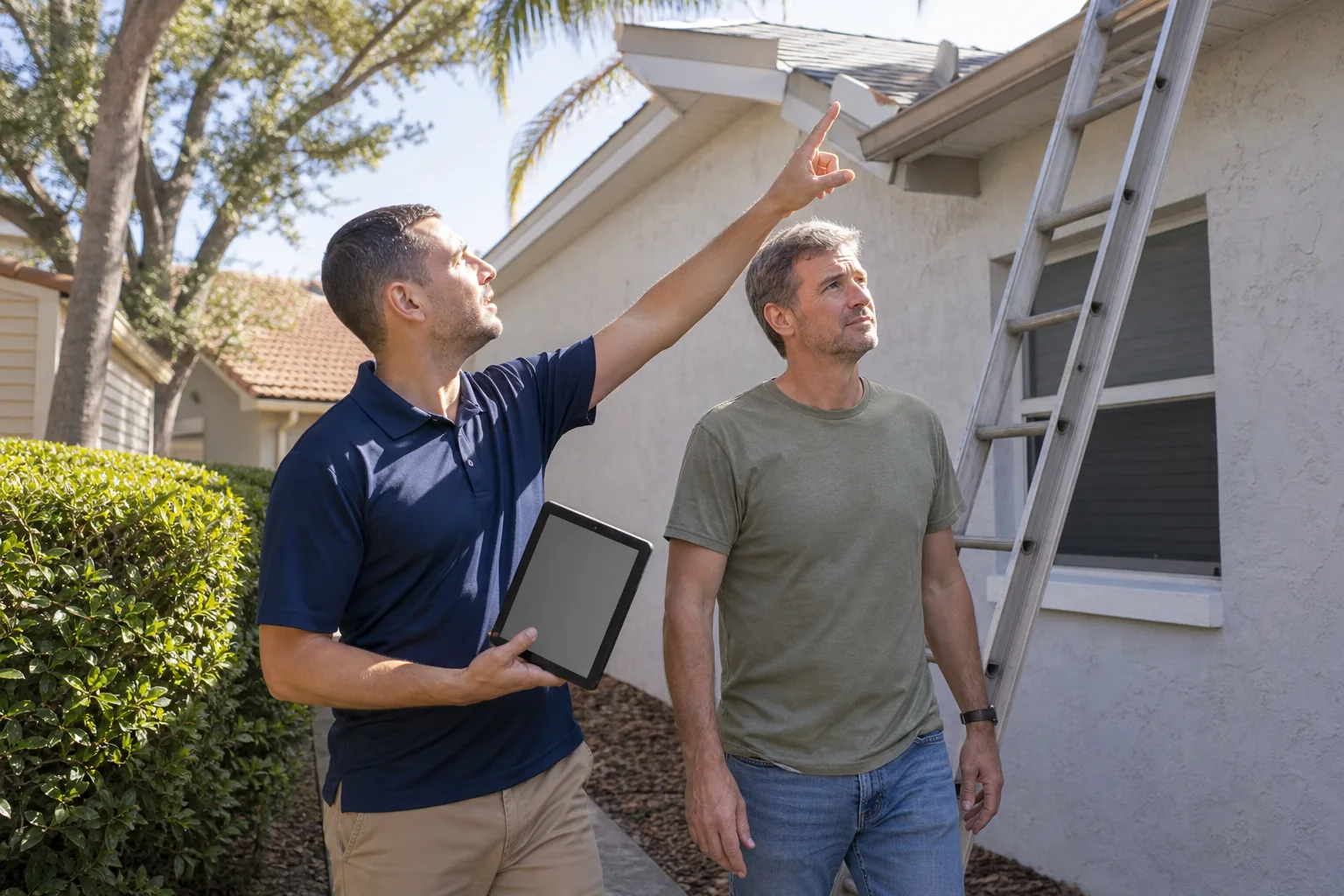
If a monsoon supercell put ice on your tile or metal roof, a free estimate from Groundwork Construction Co. of Mesquite costs you nothing and rules in or out the invisible stuff. We’re part of the home building and renovation picture in the Virgin River gorge and across the Mesquite service area, and roof work is core to what we do. If you’d rather have it looked at, we offer a no-pressure assessment in Mesquite – call (888) 413-6358 and we’ll come look at the roofline, the gutters, and the seams before anything decides to leak. Background-checked, uniformed technicians, upfront pricing, and the 730-Day Done Right Promise behind every job.
Written by the team at Groundwork Construction Co. of Mesquite, serving Mesquite, NV.