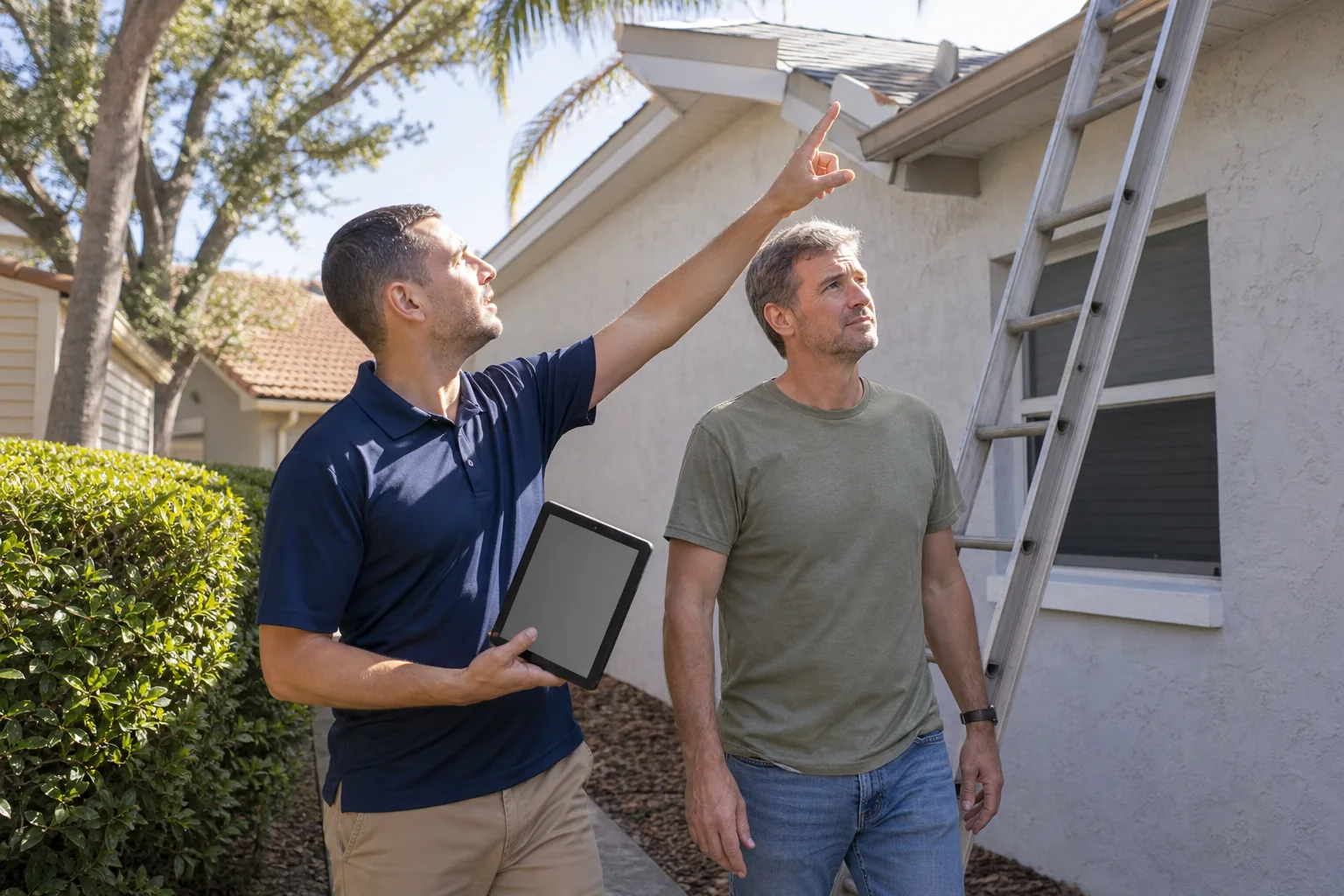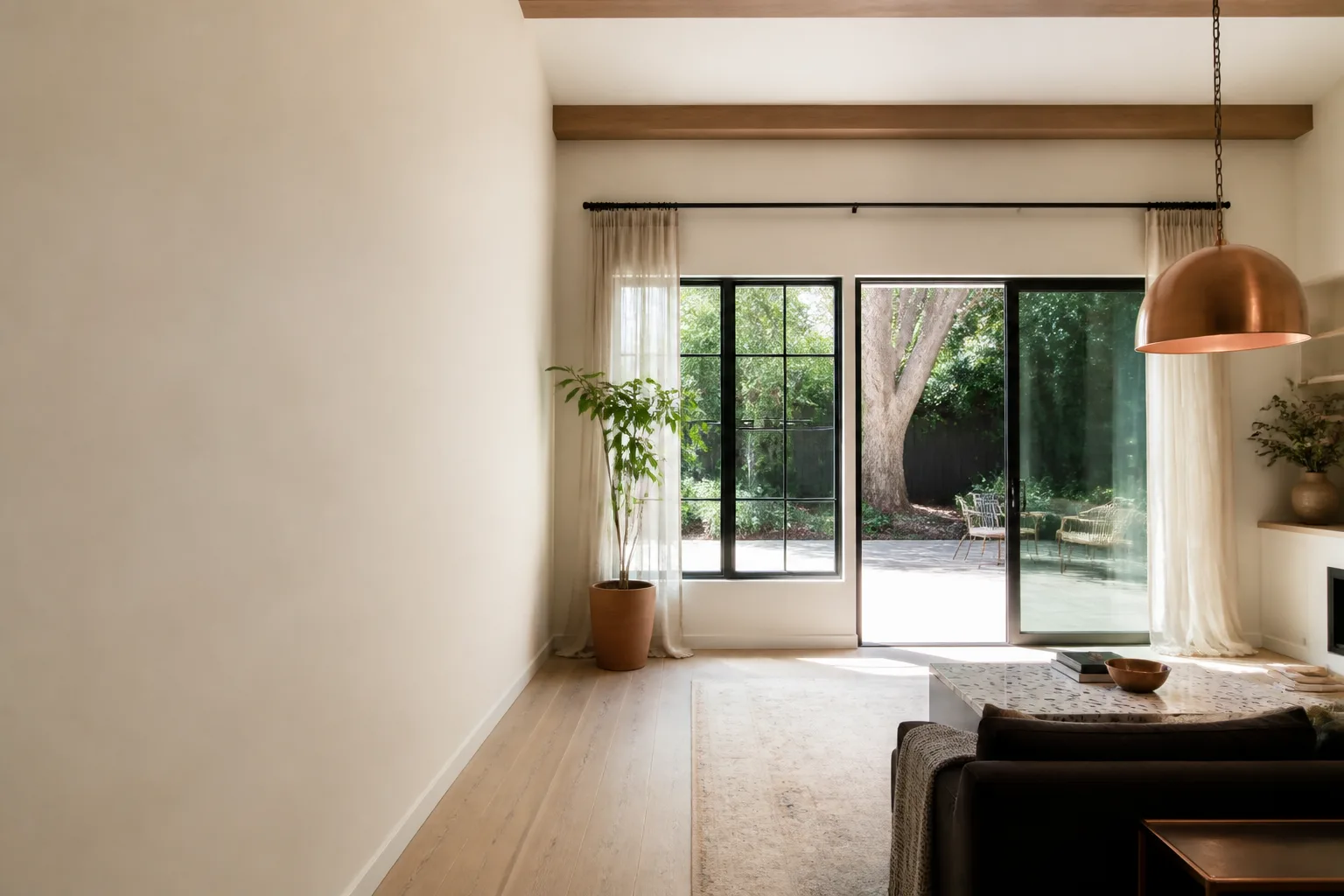
Free written scope consultation - allowances, timeline, and change-order rules on paper before a single trade is scheduled
Styles & brands we work with
- Kitchen remodeling
- Bathroom remodeling
- Home additions & ADU
- Roofing
- Windows & doors
- Driveway & pavers
- Fence
See the difference
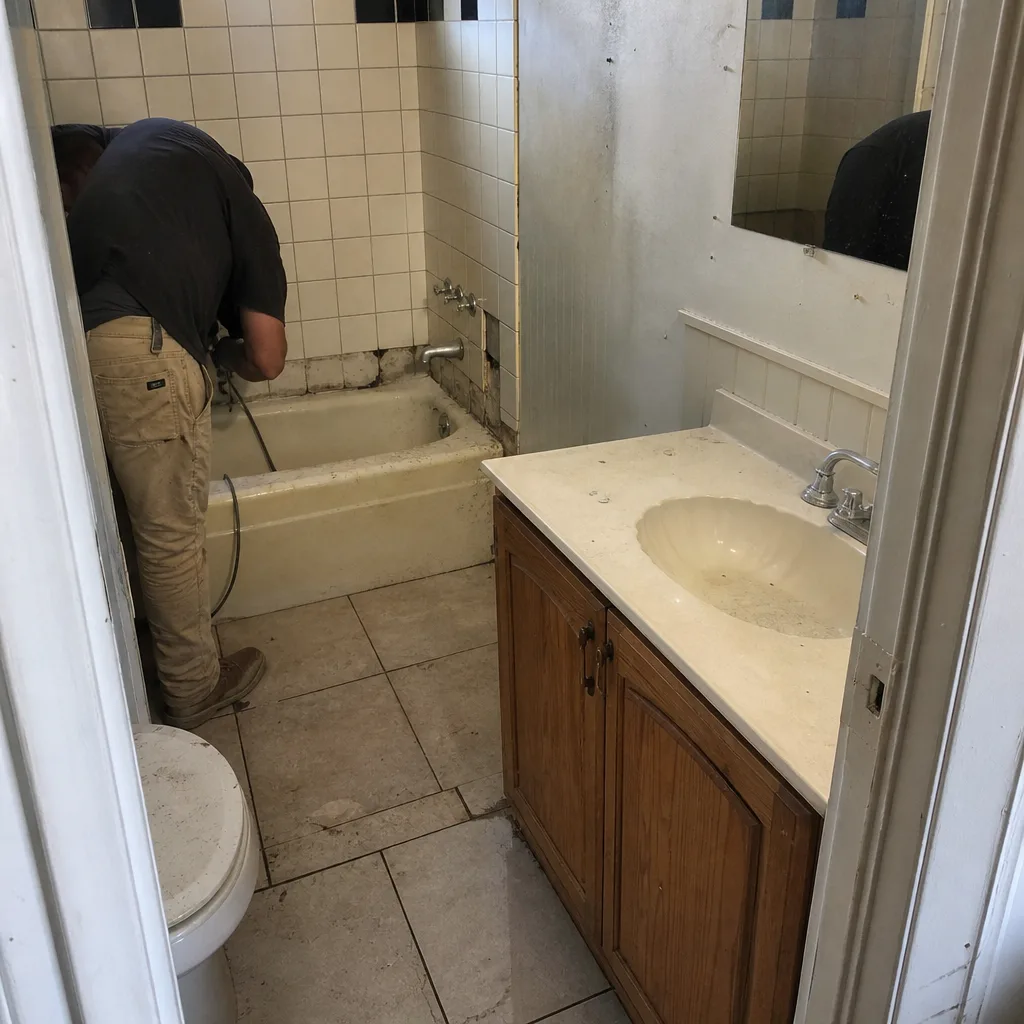 Before
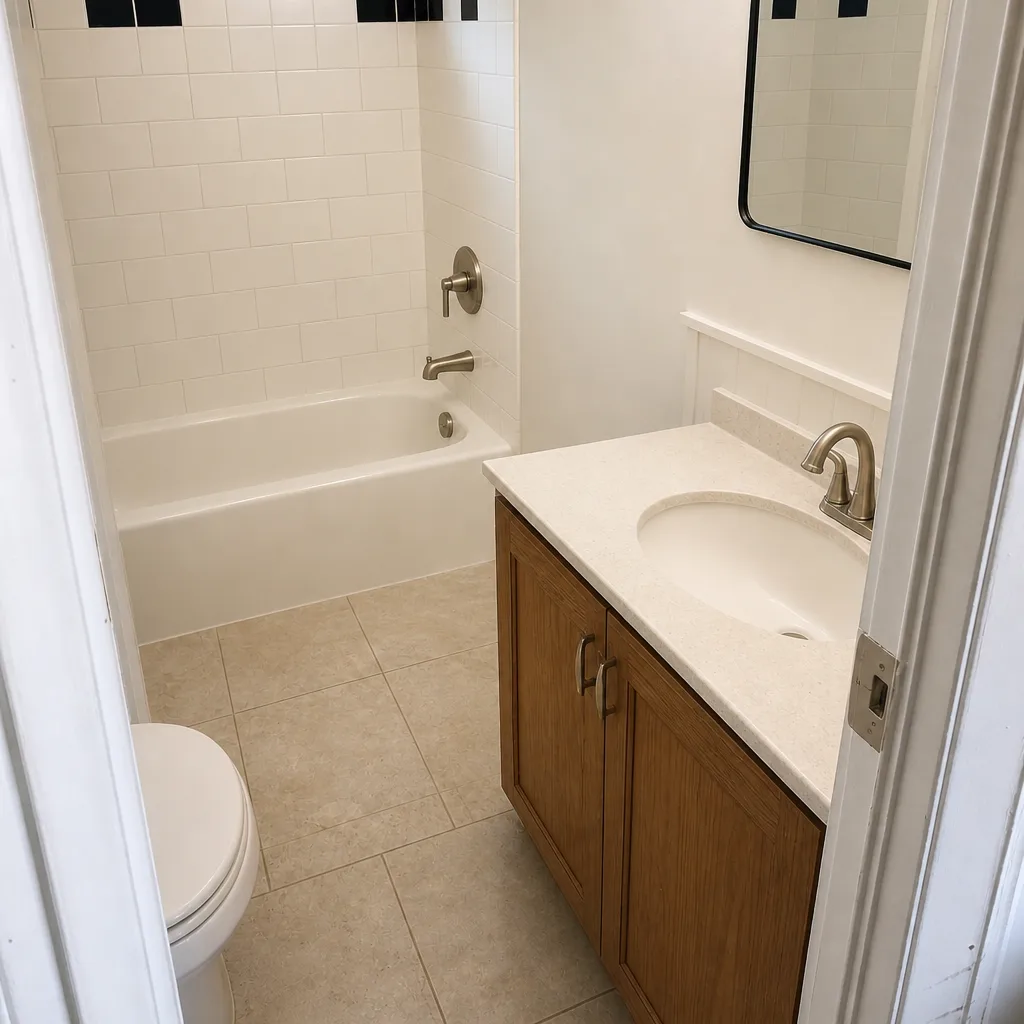 After
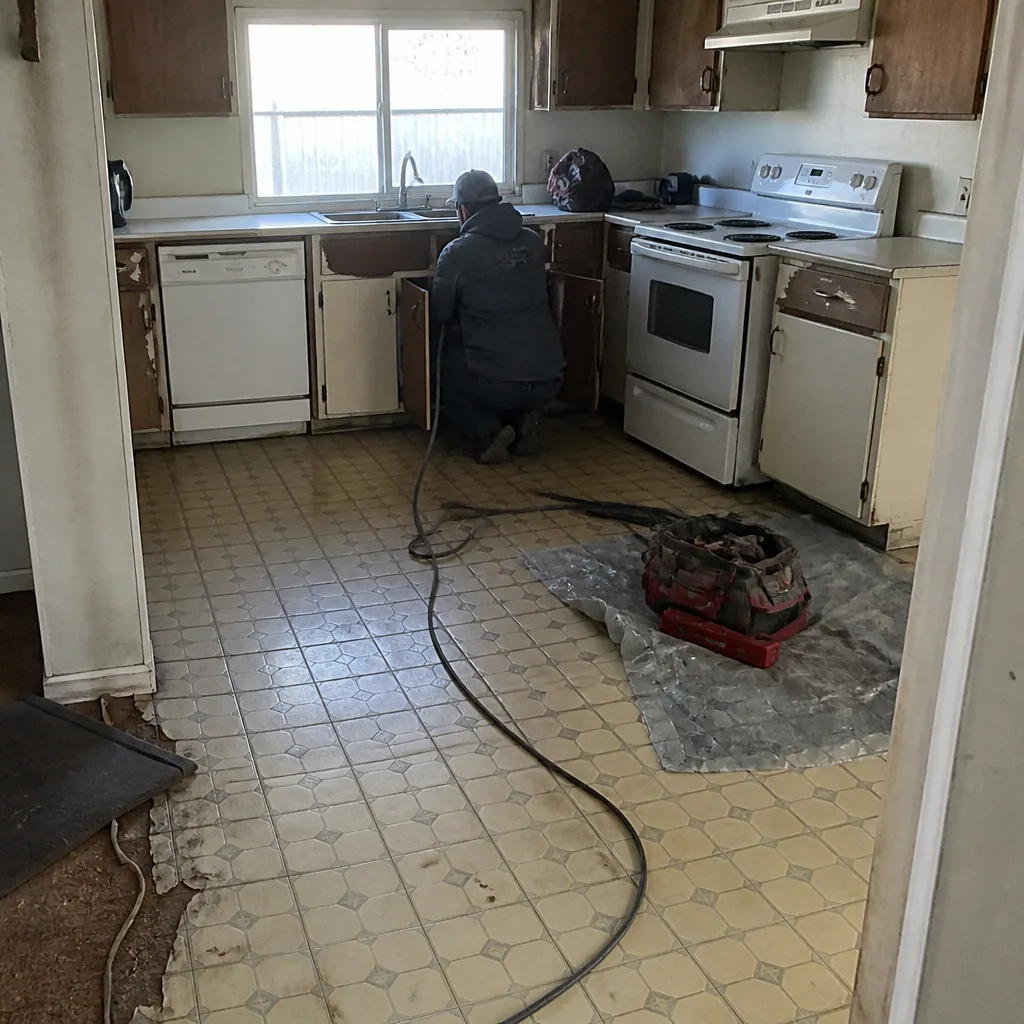 Before
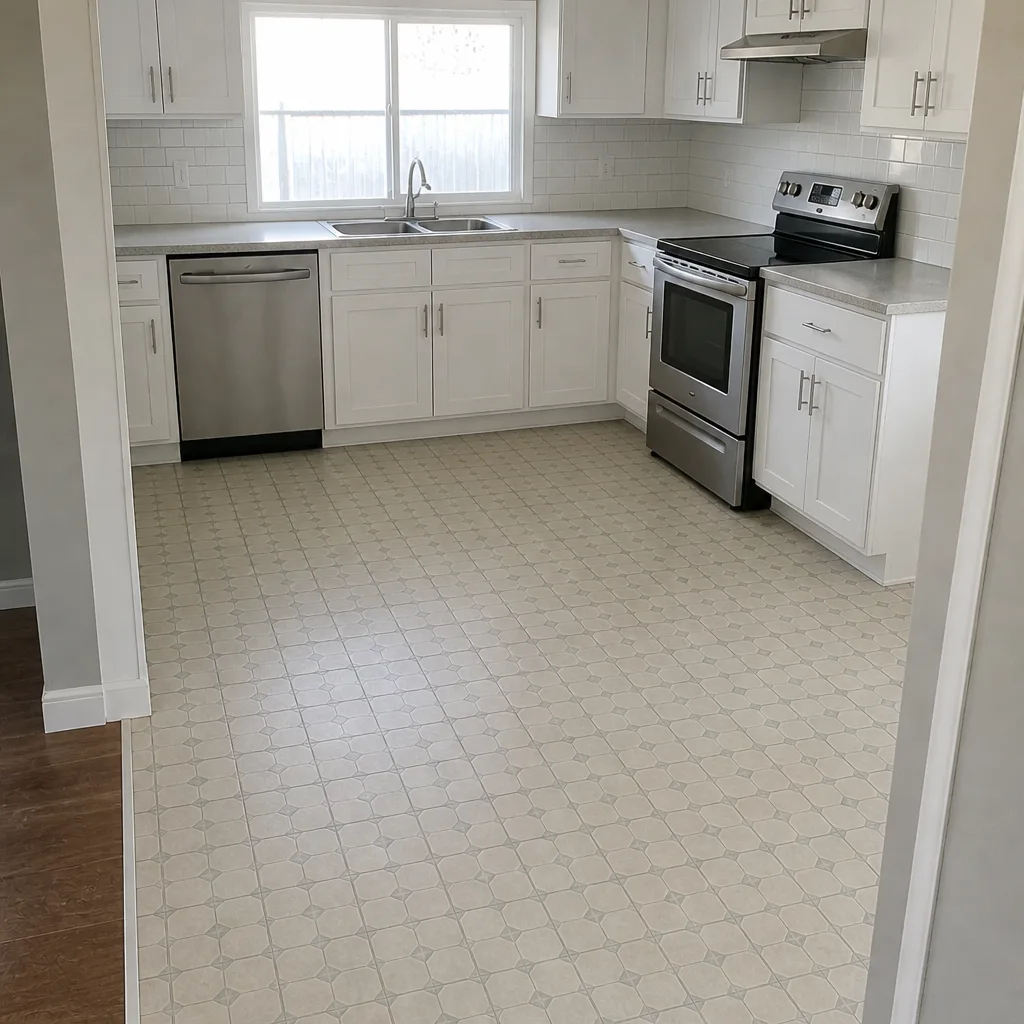 After
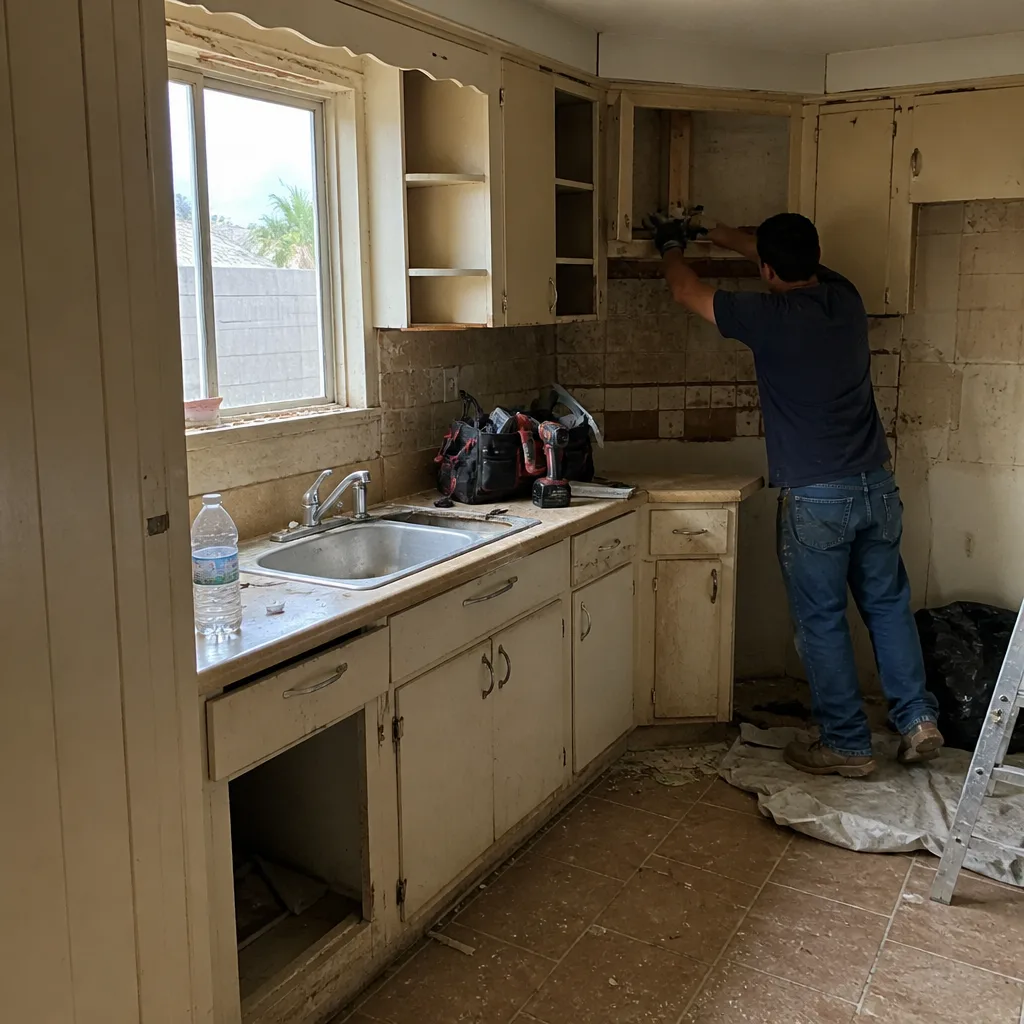 Before
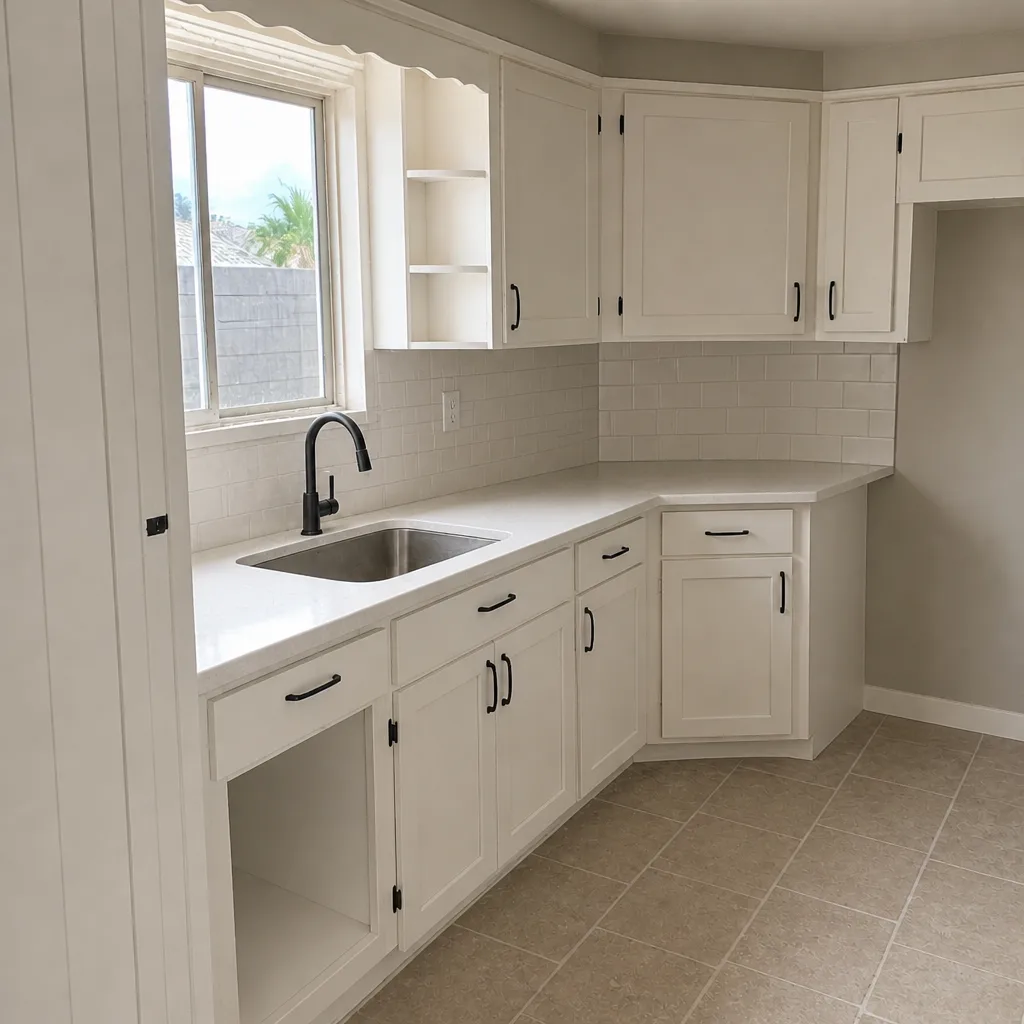 After
What Is Low-E Glass? A Mesquite Homeowner’s Guide to Getting the Right Coating for a Hot-Dry Climate
Low-E glass is ordinary window glass with an invisible metallic oxide coating that changes how heat moves across the pane. In a desert climate, the coating you want is a solar-control Low-E that rejects incoming heat rather than trapping it. The short version: Low-E isn’t one product, it’s a category with two opposing jobs, and putting the wrong one on a west-facing window in Mesquite can make that room hotter instead of cooler. For a specific recommendation on your home, call (888) 413-6358 and talk it through with our team.
Key Takeaways
- Low-E (low-emissivity) coatings reflect infrared energy; they don’t block visible light the way tint does.
- Passive Low-E is built to keep interior heat in. Solar-control Low-E is built to keep solar heat out.
- In Mesquite’s ASHRAE Zone 3B hot-dry climate, the target is a solar-control coating with an SHGC of 0.25 or lower and a U-factor of 0.30 or lower.
- The three numbers on a window label are U-factor, SHGC and VT. Which one matters most depends on which direction the window faces.
- Orientation-by-orientation specification, done during a scope walk, is what separates a real window plan from a parts order.
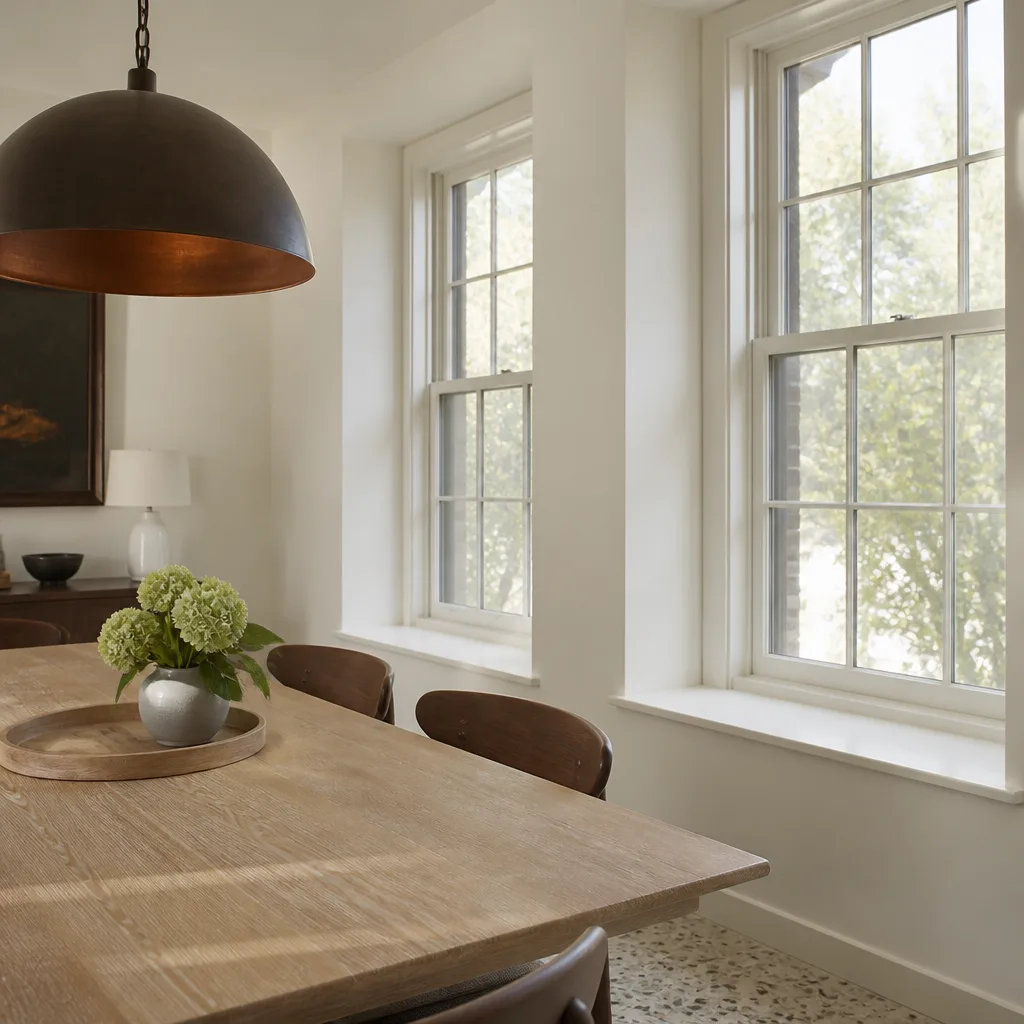
Why Mesquite Windows Live a Harder Life Than the Label Assumes
Mesquite sits down in the Virgin River gorge, and the gorge works on glass in ways a national window brochure doesn’t account for. Summer highs push past 105°F with UV intensity that chews through exposed sealants and degrades cheap edge construction over time. Then high-wind events funnel through the gorge, so the frames and seals have to hold. Most of the housing stock here is either 1980s-2000s stucco-on-frame in golf-course communities like Sun City and Highland Hills, or 2010s-2020s custom builds and townhomes. The older homes are often due for window work, and the new ones still need the right glazing package specified from the start. This is also a small, fast-growing retirement and resort community where new custom builds dominate, so window quality is a real decision, not a code checkbox.
Here’s the part that surprises people: that fast-build market means a lot of homes got whatever glazing was on the truck, not what the house’s orientation actually needed. That’s where the expensive mistakes happen.
The Two Families of Low-E, and Why One Is Wrong for Mesquite
Every explainer tells you Low-E reflects infrared energy. Almost none of them tell you that the products split into two families with opposite goals.
Passive Low-E is designed to let solar heat in and keep it there. It’s the right call in cold climates, where you want the sun’s warmth working for you in winter. Solar-control Low-E is designed to block incoming solar heat before it crosses the glass. That’s the family that belongs on a Mesquite home.
Install passive Low-E on a west-facing wall in Mesquite and you’ve built a solar collector instead of a solar shield. The room gains heat all afternoon and the coating holds it in. If your new windows made a room hotter, this is the first thing to check.
Hard-Coat vs. Soft-Coat: A Trade-Off That Matters in the Desert
Within those families, coatings are applied two ways, and the difference matters here more than in most places.
- Hard-coat (pyrolytic) is fused into the glass while it’s still molten. It’s tough, handles UV well, and survives desert exposure. The catch is that hard-coat tends to carry a higher SHGC, so you get durability at the cost of solar control.
- Soft-coat (sputtered) is deposited in a vacuum and delivers much better solar control. But it’s more fragile and depends entirely on the sealed insulating glass unit (IGU) keeping moisture out. In sustained extreme heat, seal quality becomes the whole ballgame.
This is why IGU construction separates premium window lines from budget ones. Andersen and Marvin build their units with dual-seal construction that keeps the cavity hermetic under sustained UV. That’s the feature that keeps a soft-coat Low-E performing at spec through a Mesquite summer instead of fogging from a failed seal a few years in. We lean on that when we spec windows for this kind of build.
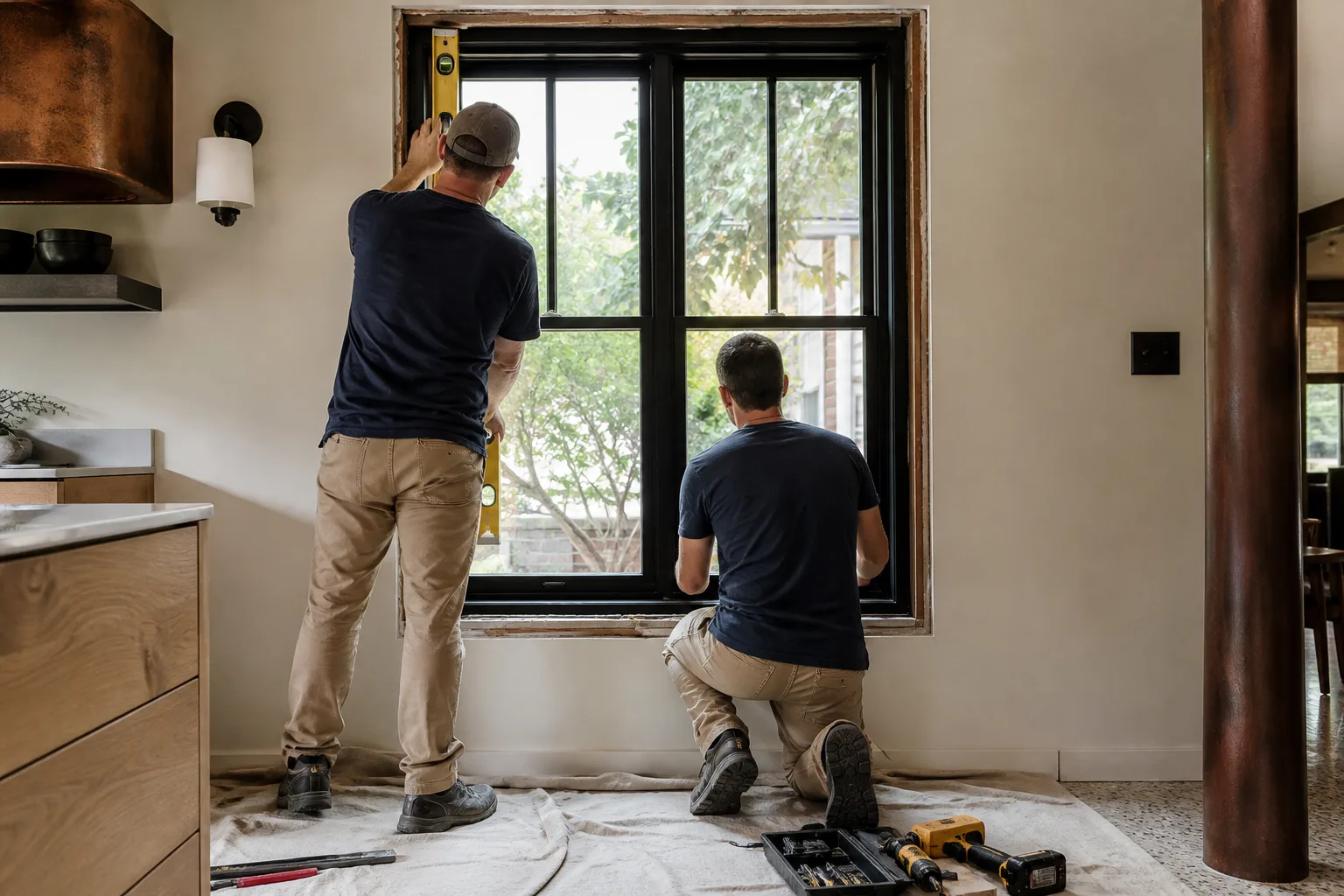
Reading the Three Numbers on a Window Label
The label is where all of this becomes a decision. Three values do the work, and knowing which one governs your window is the whole trick.
| Label value | What it measures | Target for Mesquite (Zone 3B, hot-dry) |
|---|---|---|
| U-factor | How fast heat moves through the whole assembly. Lower is better. | 0.30 or lower |
| SHGC (solar heat gain coefficient) | How much solar heat the window lets in, on a 0-1 scale. Lower means more rejection. | 0.25 or lower |
| VT (visible transmittance) | How much daylight comes through. Higher means brighter, but generally means more solar heat too. | Balance against orientation; don’t sacrifice SHGC to chase VT |
Notice those targets. National Energy Star marketing is full of 0.40 SHGC products built for mixed climates, because that’s what sells in most of the country. A 0.40 SHGC window in Mesquite is a compromise you don’t need to make. You can hit 0.25 or better here with the right solar-control coating, and you should insist on it.
Which Number Matters Most? It Depends on Which Way the Window Faces
SHGC is the number that matters most on west and south exposures, where afternoon sun drives the heat load. West is the worst offender in Mesquite because the sun is low and direct when it’s hottest. On north-facing glass, solar gain isn’t the problem, so U-factor and VT carry more weight. East windows catch morning sun, which is milder but adds up. That’s why we read the house rather than pull a single SKU for the whole job. A builder living in the home specifies orientation by orientation. A salesperson with inventory to move specifies one number across the whole house.
What Window Work Costs in Mesquite
Upfront pricing, no surprises is how we run every job, so here’s the honest range for Mesquite.
- Window replacement with solar-control Low-E glazing: $4,500-$15,000
- Impact window installation for storm and security-rated units: $8,000-$25,000
Cost tracks window count, the glazing spec you choose, and frame material. When you’re ready to plan, our Windows & Doors work is covered by the 730-Day Done Right Promise, which means if it’s not done right, we make it right. That’s one of the longest workmanship guarantees in residential construction, and it’s on the glass, the frame and the install.
FAQs About Low-E Glass in Mesquite
Low-E stands for low-emissivity, and it means the glass has an invisible metallic oxide coating that changes how it handles radiant heat. The coating reflects infrared energy rather than absorbing and passing it along, which keeps heat on the side of the glass you’d prefer. It doesn’t darken the glass the way a tint does, so you keep the daylight. In Mesquite, the coating choice matters more than the brand name on the frame, and we’re glad to walk through which spec fits your home.
Yes, solar-control Low-E is worth it in Mesquite because a west-facing window can reject a meaningful share of afternoon solar heat with the right coating. The benefit only shows up if the product family is correct; a passive Low-E unit on a sun-baked wall does the opposite. Put the coating on the right orientation with an SHGC at 0.25 or lower and you feel the difference in the room by mid-afternoon. Call (888) 413-6358 for an exact quote on your windows and an honest read on what your home actually needs.
Low-E glass does reduce UV transmission compared with clear glass, though the exact percentage depends on the coating and the manufacturer. It’s a welcome side benefit, since UV does more than fade upholstery: in the gorge’s intense sunlight, it also stresses exposed edge sealants. That’s the reason durable IGU construction matters alongside the coating. If fade protection is a priority, we can spec a coating that preserves it while hitting your solar-control targets.
Yes, passive Low-E on a sun-facing window can make a room hotter because it’s designed to retain heat rather than reject it. The coating does exactly what it’s supposed to; it just got the wrong assignment for a hot-dry climate. If a newly glazed room gets hotter every afternoon, that’s the first thing to check, and we can read the label and your window orientation and tell you what’s going on. Call (888) 413-6358 and we’ll sort out whether it’s a glazing issue or something else.
The Team Behind the Spec
Our technicians have up to 12 years of experience, they’re background-checked, and they arrive in uniform on every job. Groundwork Construction Co. of Mesquite reads each window in the house and specifies Low-E product by orientation during the scope walk, rather than pulling one SKU across the whole home. We’re a full-scope construction partner, so window work ties cleanly into the rest of your project, and you can see the full list of what we handle on our home page or check our Mesquite service area details.
If you’d rather have it looked at, Groundwork Construction Co. of Mesquite offers a no-pressure assessment in Mesquite. Call (888) 413-6358 and we’ll give you a straight read on the glass you have and the glass you need. Live person, 24/7.
Written by the team at Groundwork Construction Co. of Mesquite, serving Mesquite, NV.