
Free written scope consultation - allowances, timeline, and change-order rules on paper before a single trade is scheduled
Styles & brands we work with
- Kitchen remodeling
- Bathroom remodeling
- Home additions & ADU
- Roofing
- Windows & doors
- Driveway & pavers
- Fence
See the difference
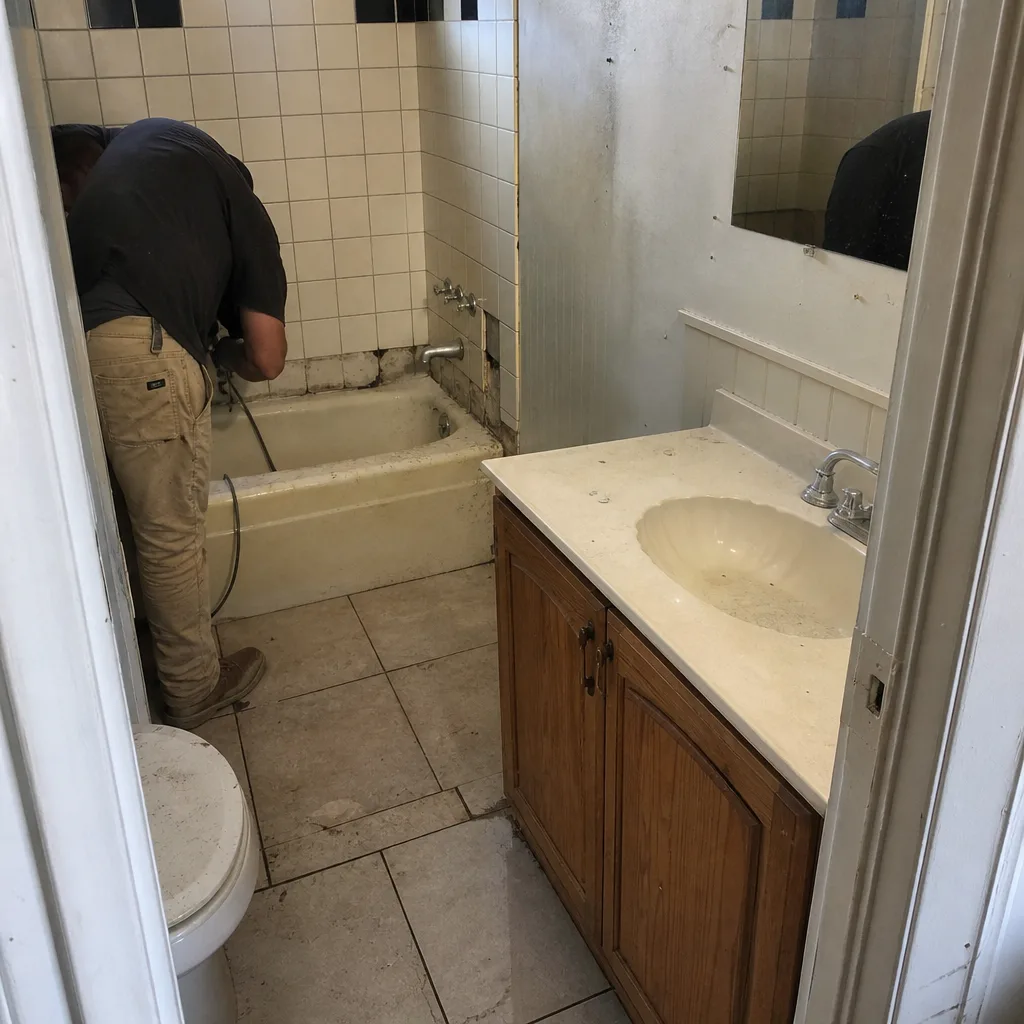 Before
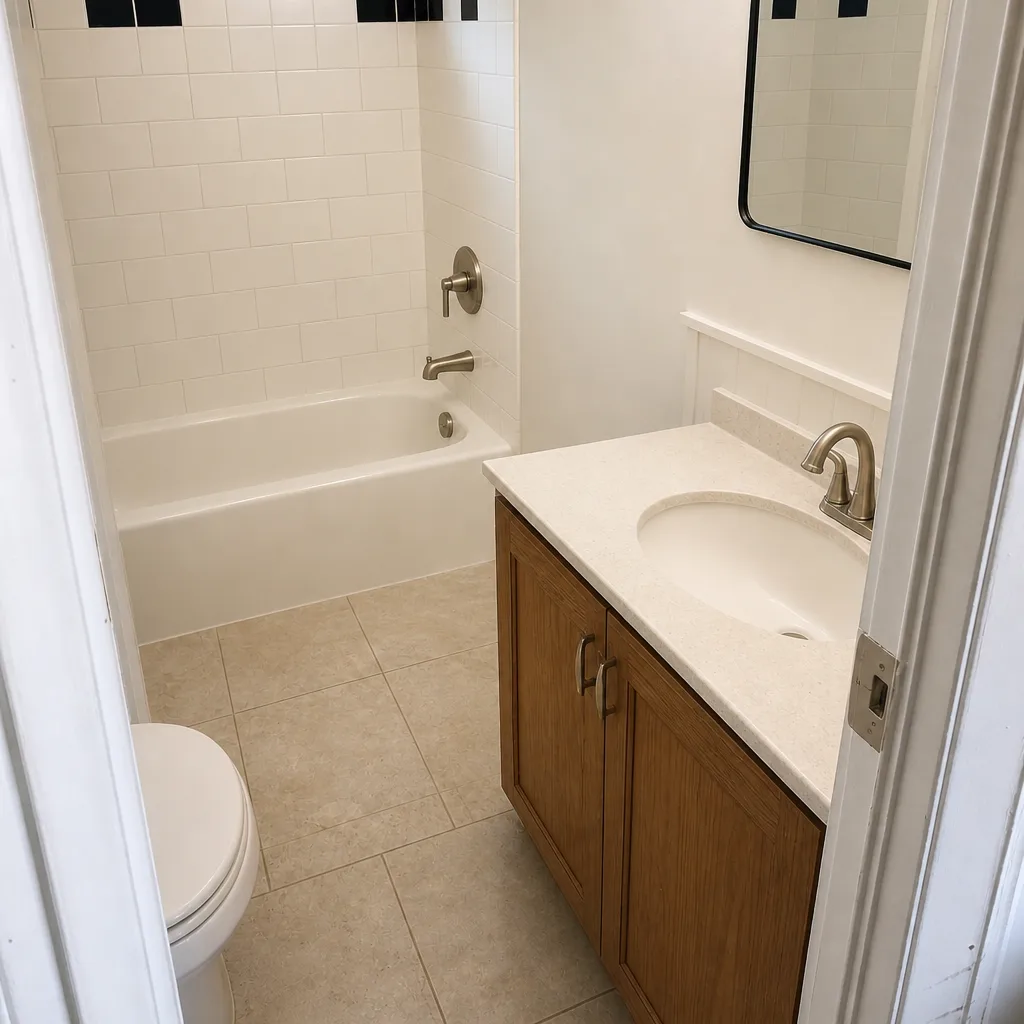 After
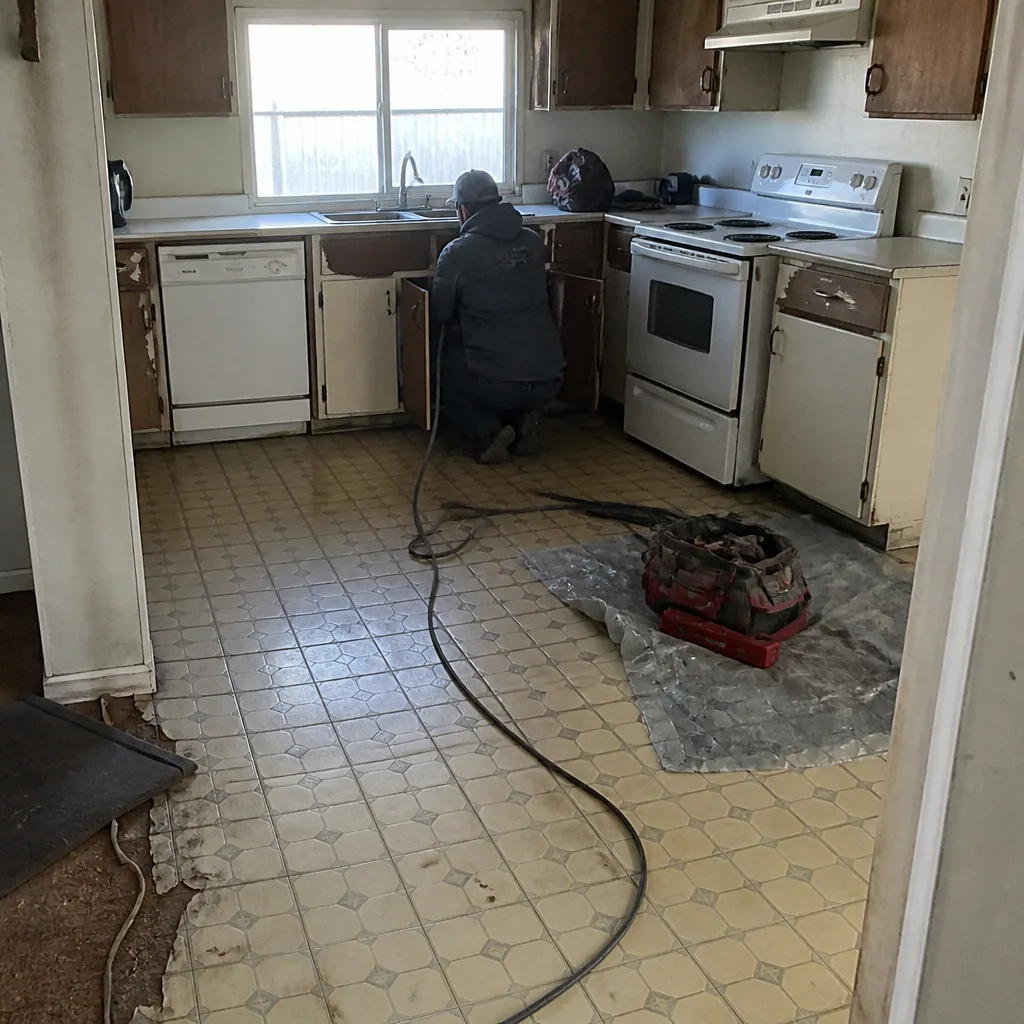 Before
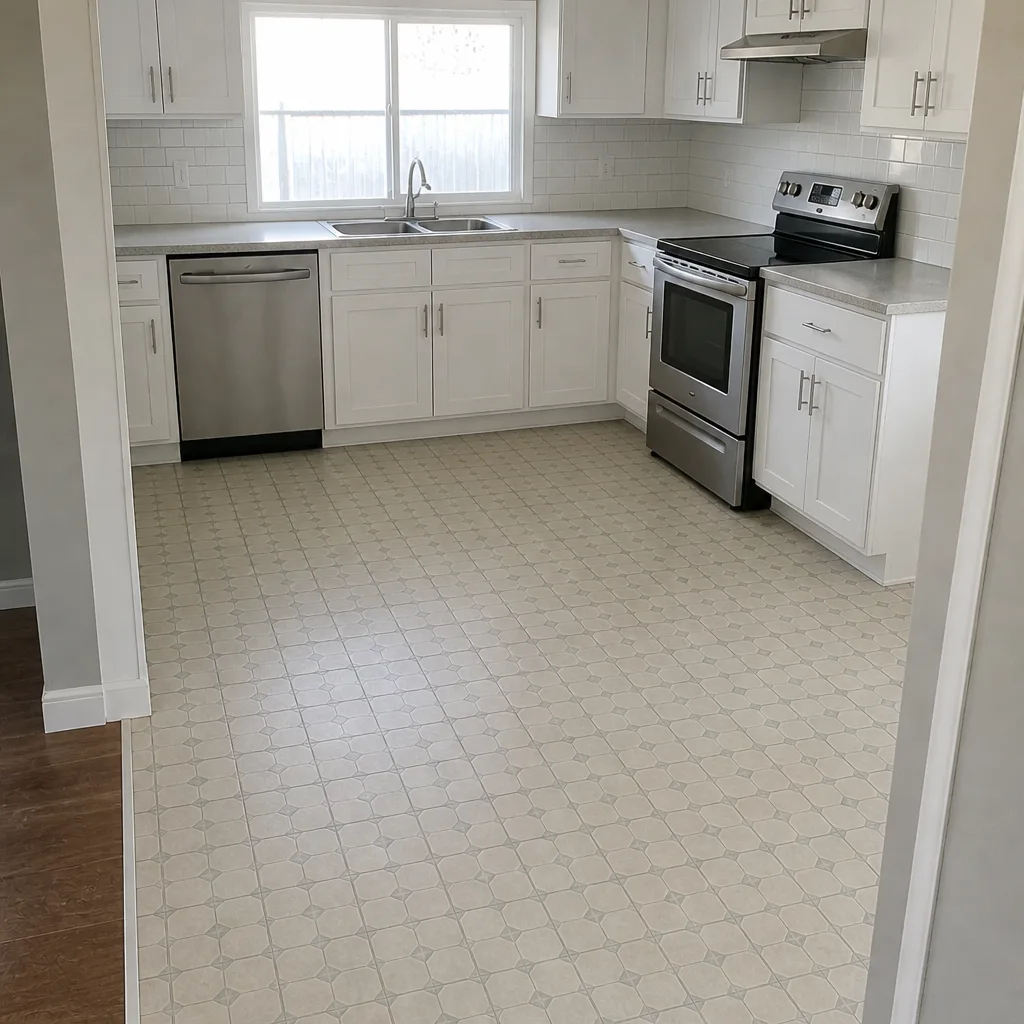 After
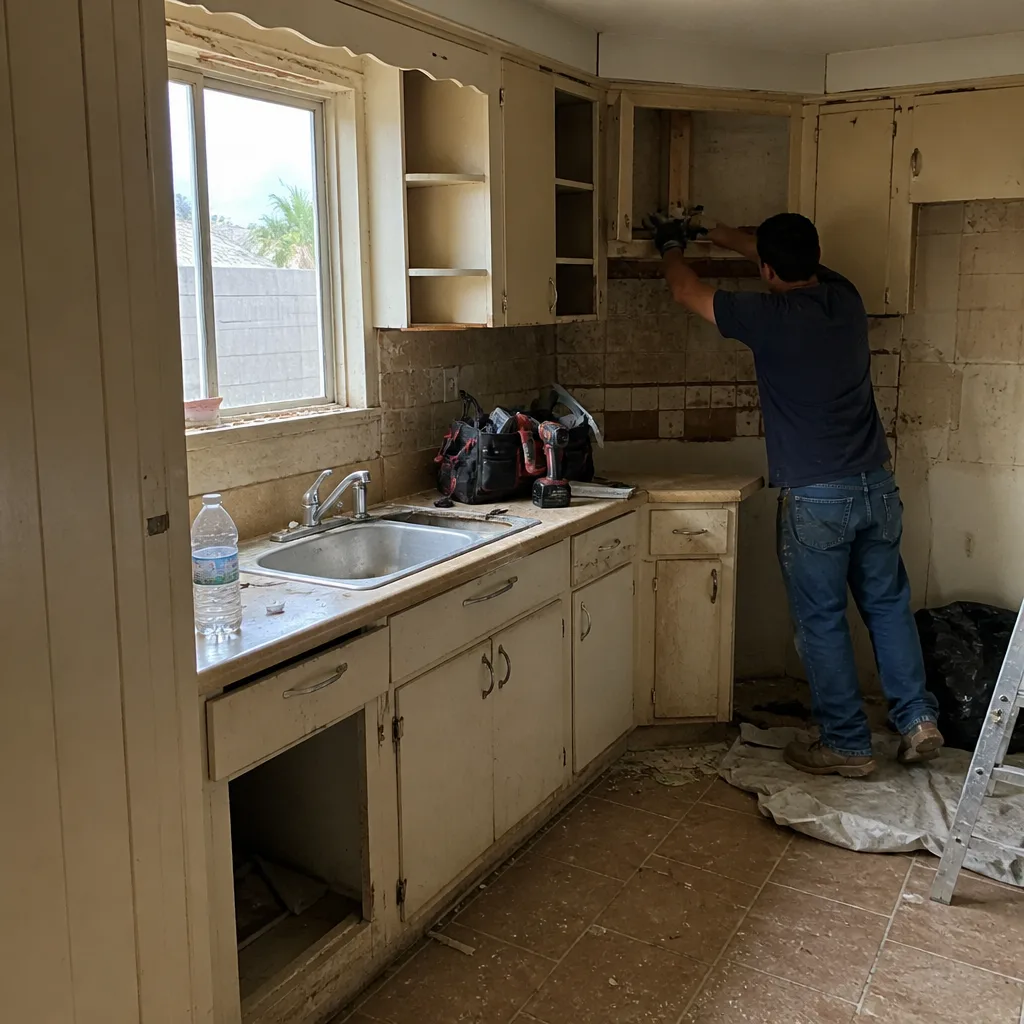 Before
 After
When to Seal a New Asphalt Driveway in Mesquite, NV: The Real Timeline
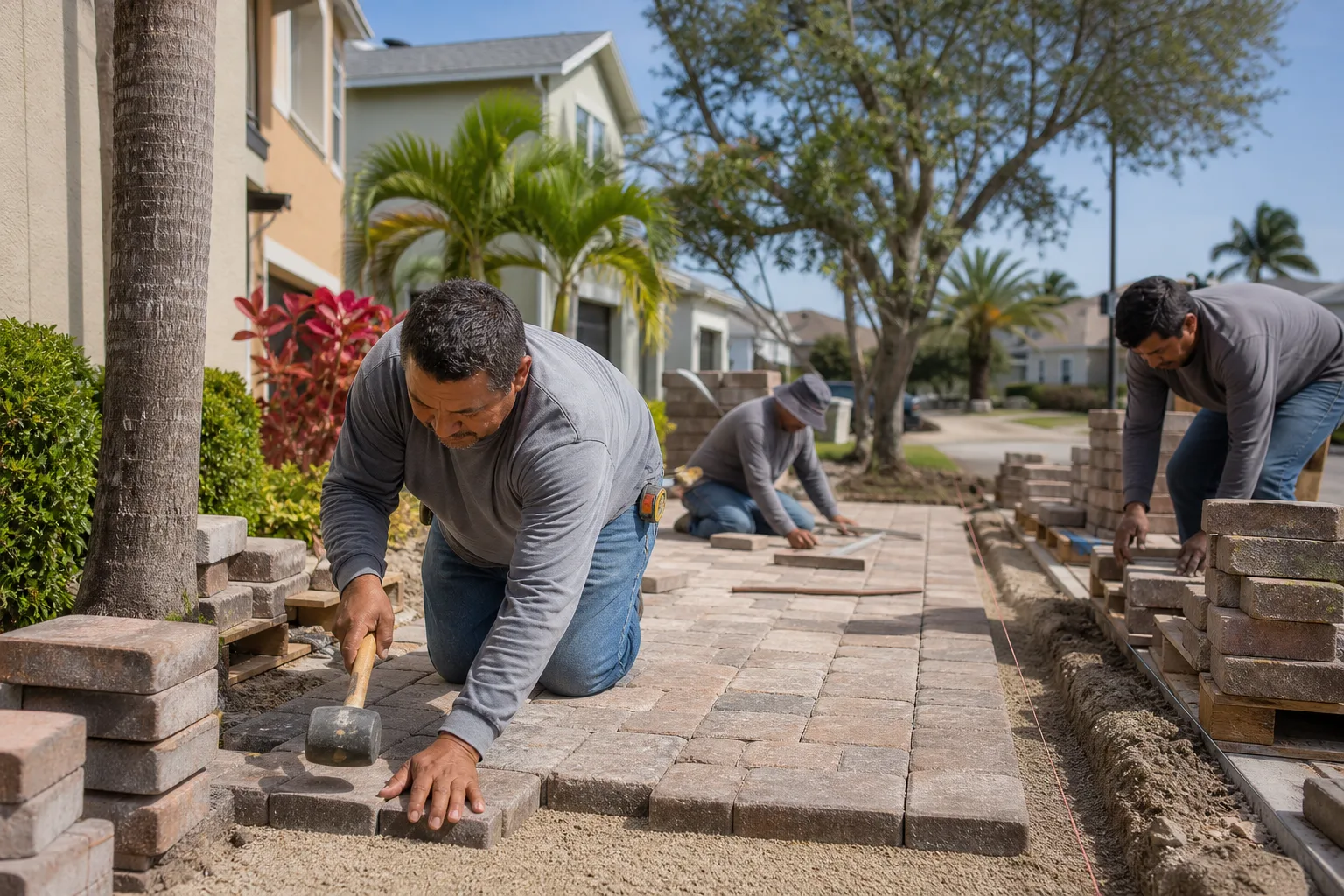
Wait 6 to 12 months before sealing a brand-new asphalt driveway in Mesquite, and don’t rely on the calendar alone – the surface has to be below roughly 90°F when the sealer goes down. In Mesquite’s heat, an asphalt driveway poured in June can pass that months sooner than a driveway poured in Denver, but the binder underneath may still be curing long after the top looks hard. Get the timing wrong on either side and you either trap off-gases that peel the sealer or you let UV bake the surface before it’s protected.
We’ve walked plenty of driveways in Sun City and Highland Hills where the top looked sealed-ready in 60 days and wasn’t. Here’s how to read your own slab, and when it’s worth calling (888) 413-6358 for a straight answer.
Why the “Wait 90 Days” Rule Doesn’t Hold Up Here
The national advice of 90 days assumes moderate temperatures and moderate sun. Mesquite gets neither. Summer highs routinely top 105°F, and the high-desert UV load oxidizes asphalt binders two to three times faster than the national average. That’s why the honest answer is a range, not a date.
Two things happen at once, and they pull in opposite directions:
- The surface hardens fast. Intense sun and heat drive off the light oils near the top of the slab quickly, so the surface can feel firm and look “done” while the deeper binder is still curing.
- Full-depth cure is slow. Below the surface, the asphalt is still releasing volatiles for months. Sealing too early traps those gases, and the sealer peels, bubbles, or wears in patches. That’s the failure we see most on driveways sealed too soon after a summer pour.
The practical fix: treat surface temperature as the gate, not days on a calendar. Even a surface that’s technically past the cure window is a bad candidate for sealing at 2 p.m. in July. Application below 90°F, on a cured driveway, is what actually holds.
The Temperature Test That Matters More Than the Date
Before any sealer goes down in Mesquite, we check the driveway’s surface temperature – not the air temperature on your weather app. On a clear July afternoon, asphalt in full sun can run 40°F or more above the air. Sealer applied to that hot a surface flashes off too fast, cures unevenly, and tracks into your garage. Early morning or late afternoon cools the slab into a safe window.
The combination that works: a fully cured driveway, a surface under about 90°F, a dry forecast, and no rain in the works. Miss any one and the seal coat won’t last. That surface-temperature gate is the single detail most generic guides skip.
Mesquite’s Monsoon Season Is a Second Timing Trap
July through September, the Virgin River gorge funnels monsoon storms and flash floods through the washes. Sealing just before one of those events is worse than not sealing at all – the sealer lifts, blisters, and pools along the slab edge where water runs off. The geometry of tight, rocky lots in Mesquite makes that pooling worse, because water has fewer places to go.
The clean windows are October and April. Fall sealing lets a brand-new driveway from a spring pour finish curing through the hottest months, then locks in protection before the winter wind season. Spring sealing catches the same driveway after a full summer of heat gain. Both avoid the 105°F+ mid-summer extremes and steer clear of wash runoff. A slab poured in July, meanwhile, may want to wait until the following spring or fall – it hardens fast but the binder underneath is still working.
Why Unsealed Asphalt in Mesquite Ages Two to Three Times Faster
UV oxidation is the slow, quiet killer of desert asphalt. The sun breaks down the binder that holds the aggregate together, and the surface turns gray, brittle, and prone to hairline cracks and raveling. In most of the country the reseal cycle is five years. Around here, plan on resealing every two to three years. Wait five in Mesquite and you’re resealing asphalt that’s already losing its top layer.
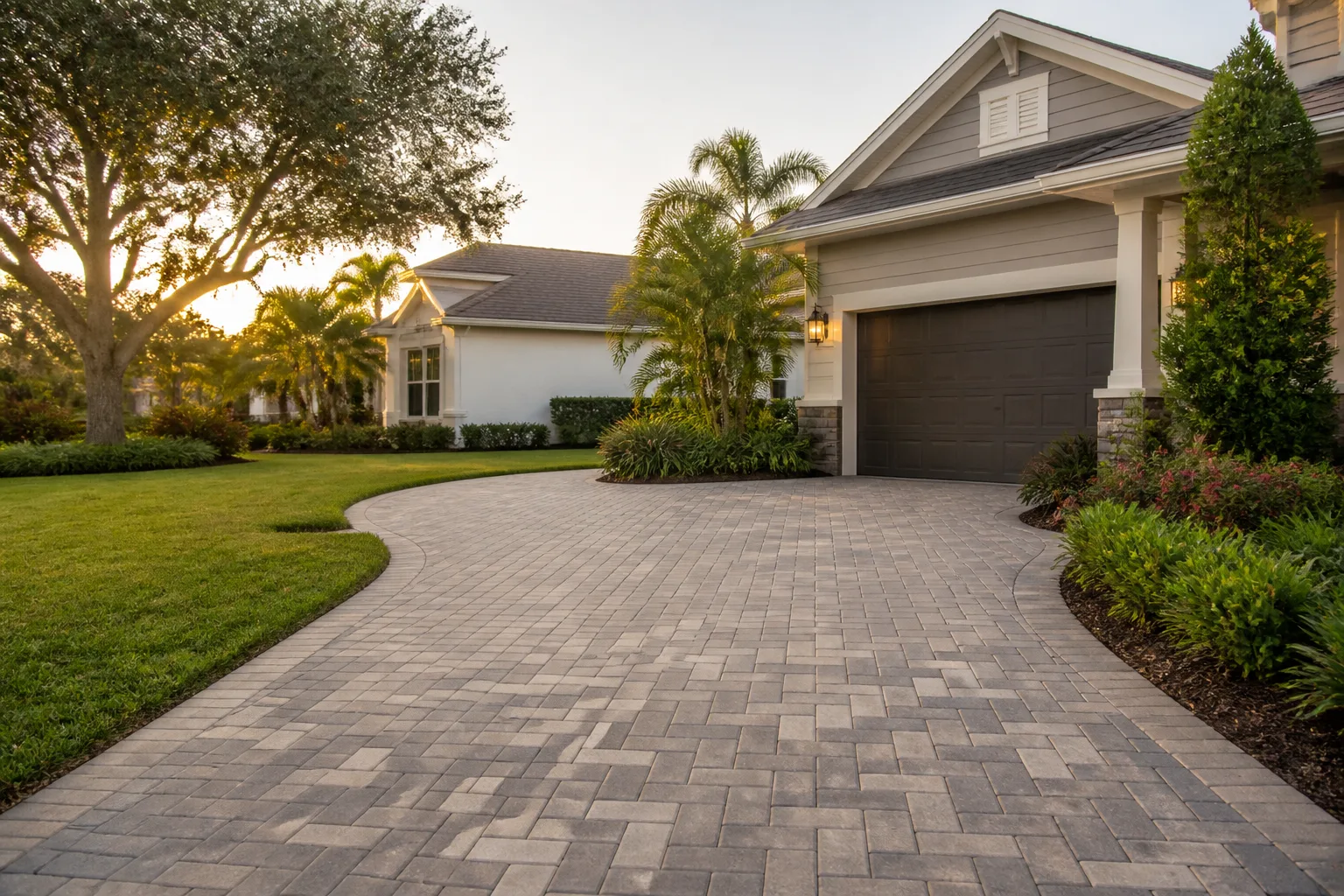
The heat does damage of its own. Thermal expansion on a July day is hard on any slab, and a driveway with no sealer has nothing to blunt the swing. That’s also why we build driveways and deal with drainage the same way a builder deals with a roof: with the whole season in mind, not just the install. Our Driveway & Pavers page lays out the full scope if you’re still deciding between asphalt and pavers.
How Much Does Sealing Cost in Mesquite, and What Does a Timing Consultation Run?
Driveway sealing in Mesquite runs $250-$700 depending on square footage and surface condition. A timing consultation is part of the estimate – free, and plain-spoken. If your driveway isn’t ready, we say so and tell you which season to come back.
| Service | Mesquite Price Range |
|---|---|
| Driveway Sealing | $250-$700 |
| Asphalt Driveway Paving | $3,500-$9,000 |
| Concrete Driveway Installation | $4,500-$12,000 |
| Paver Driveway Installation | $7,000-$18,000 |
| Driveway Replacement | $5,000-$14,000 |
We price sealing the same way we price everything: the number you see is the number you pay. No upsell to seal a driveway that needs another season. If a full replacement is the smarter call – and on some 1980s and 1990s slabs it is – we say that too, and you decide.
Common Local Scenarios We Walk Into
The timing question rarely arrives in the abstract. These are the calls we actually take:
- “My builder sealed it the week it was poured.” Common on newer custom-home builds in Mesquite, where the driveway gets sealed as a finishing touch. The sealer traps off-gases and starts peeling within a year. The fix is stripping and resealing at the right time, not sealing over it again.
- “The top looked ready by August.” A driveway poured in spring that hardens fast in the June sun but hasn’t finished curing under the surface. We hold off until October in that scenario, then seal clean.
- “It’s turning gray already.” In this climate that gray is oxidation, not a cosmetic issue. It’s the signal to schedule a reseal – usually two to three years since the last one, not five.
- “There’s a hairline crack near the edge.” Desert thermal swing and rain runoff from the slab edge are the usual culprits. We look at drainage before sealing, so the sealer goes on a surface that’ll hold it.
Where Groundwork Construction Co. of Mesquite Fits In
A seal-coat done at the wrong time fails early, and you shouldn’t have to argue about who’s responsible. Our 730-Day Done Right Promise covers workmanship – including proper cure-and-seal sequencing – so if the timing call was wrong and the surface fails early, we make it right. No debate.
Our technicians have up to 12 years of experience, they’re background-checked and uniformed on every job, and when you call, a live person answers 24/7. No voicemail, no waiting until Monday. We’re a full-scope home construction partner, and the driveway is part of the property just like the roof and the windows. You get one contractor who knows how the whole thing fits together, from foundation to finish line, backed by a curated list of quality brand partners across every trade.
Most seal-coat jobs are finished in a single visit once the timing’s right. Whether your driveway is ready now or needs another season, we’ll give you the answer, not a sales pitch. For the deeper reading on surfacing options, our Driveway & Pavers in Mesquite page covers the full picture, and the home page shows the rest of what we do.
FAQs
Usually not, even though the surface may look and feel ready. Mesquite’s heat hardens the top fast but full-depth cure still runs 6 to 12 months, and sealing before that traps off-gases and causes peeling. Call (888) 413-6358 and we’ll tell you whether your specific driveway is ready – estimates are free.
October and April are the safest windows. Those months dodge both the 105°F+ summer heat and the July-to-September monsoon flash floods that lift fresh sealer and pool it at the slab edge. When you’re ready to schedule, call (888) 413-6358 – estimates are free.
Every two to three years here, versus the five-year benchmark most guides cite. The high-desert UV load oxidizes the binder two to three times faster than the national average, so gray, brittle surfaces show up sooner. If your driveway is turning gray, call (888) 413-6358 for an assessment – estimates are free.
The sealer traps gases still escaping from the asphalt and peels, bubbles, or blisters – often within the first year. Recovery means stripping the failed coat and resealing at the right time. If you’re unsure whether now is the right time, call (888) 413-6358 and we’ll give you a straight answer, not an upsell.
Let’s Look at Your Driveway
If you’d rather have it looked at than guess from a calendar, Groundwork Construction Co. of Mesquite offers a no-pressure assessment in Mesquite. We’ll check surface temperature, cure depth, and the forecast, then tell you whether to seal now or wait for October. Free estimates, no-hassle upfront pricing, and a live person on the other end at (888) 413-6358.
Written by the team at Groundwork Construction Co. of Mesquite, serving Mesquite, NV.