
Last updated November 18, 2026






Free written scope consultation - allowances, timeline, and change-order rules on paper before a single trade is scheduled
Construction Warning Signs: A Mesquite Homeowner’s Reference Guide
A hairline crack in drywall is usually nothing. A hairline crack running diagonally from the corner of a door frame at roughly 45 degrees toward an exterior wall is a different animal entirely: that pattern is a foundation movement indicator, and in Mesquite’s expansive soil conditions it demands investigation, not a tube of spackle. The warning signs that cost homeowners the most money rarely show up on a walk-through. They hide behind finished surfaces and stay invisible until they’ve already done five figures of damage. This guide covers the structural and systemic signals worth losing sleep over, what they mean in Mesquite, and how to document what you find before anyone touches it.
Quick Answer
The warning signs that matter most are structural, not cosmetic: diagonal or stair-step cracks in drywall and masonry, doors and windows that suddenly stick, water stains far from any plumbing, concrete that spalls or delaminates within a year of placement, and contractors who skip visible framing or concrete steps before walls close. In Mesquite’s soil and climate, the same dry conditions that make water intrusion look harmless are the ones that let flashing failures do the most damage. When in doubt, document first, call a licensed professional second, and don’t patch anything until it’s been inspected.
Styles & brands we work with
- Kitchen remodeling
- Bathroom remodeling
- Home additions & ADU
- Roofing
- Windows & doors
- Driveway & pavers
- Fence
Table of Contents
- Cosmetic Settling Cracks vs. Structural Movement Cracks
- Water Intrusion Warning Signs in a Desert Climate
- Substandard Concrete Work: What Mesquite Heat Reveals
- Warning Signs of a Contractor Cutting Corners During Active Construction
- How to Document a Warning Sign Without Voiding Anyone’s Warranty
- Hidden Moisture and System Failures Behind Finished Walls
- Contractor Red Flags Before the First Nail Is Driven
Cosmetic Settling Cracks vs. Structural Movement Cracks
Every house in Mesquite moves a little, and that’s normal. New framing dries and shrinks for a couple of years. Slab-on-grade foundations in Clark County sit on soils that swell when they’re wet and shrink when they dry, which is most of the year here. So the first thing to sort out is which cracks are cosmetic and which ones are telling you something structural is happening underneath.
Here’s the distinction we use on inspection:
- Cosmetic settling cracks are typically under 1/16 inch wide, vertical or horizontal, and show up at drywall seams, above door frames, or in the corners of ceilings. They don’t grow over weeks. They’re a finishing issue, not a foundation issue.
- Structural movement cracks have a specific look: diagonal at roughly 45 degrees from a door or window corner, stair-step patterns in block or brick walls, cracks that widen at one end, and any crack wider than 1/8 inch. These appear more often on the downhill side of a slab where soil movement concentrates.
- Progression matters more than any single crack. Photograph the same crack with a coin or tape measure for scale on day one and again in 30 days. If it grew, that’s your signal to call.
Watch for doors and windows that suddenly won’t latch in one room while the room across the hall is fine. That symptom alone, without a visible crack, points to differential movement: one part of the foundation settling faster than the rest. Same with a floor that’s noticeably out of level in a single room. In Mesquite, homes built on the western and eastern edges of the valley tend to sit on more caliche-heavy soils, and we see a different crack pattern there than on flatter lots closer to the center of town. Any of these signs warrants a foundation or structural evaluation before you spend a dollar on cosmetic repair. Patching a structural crack is the single most expensive shortcut a homeowner can take, because it buys you six months of “looks fine” while the movement continues.
If you’re planning a home addition or ADU in Mesquite, get any existing cracking evaluated before design starts. Adding load to a foundation that’s already moving is a budget problem you don’t want to discover mid-build.
Water Intrusion Warning Signs in a Desert Climate
Here’s the counterintuitive part: dry-climate flashing failures are more dangerous, not less. A homeowner in a wet climate sees the evidence of a leak every rainy season and fixes it. In Mesquite, a flashing failure at a roof-wall junction or around a window might get tested three or four times a year, usually during a short, intense monsoon cell. That’s enough water to saturate wall cavities and enough time between storms to hide the evidence behind drywall and insulation. The damage compounds quietly for years.
Signs that get dismissed because “it barely rains here”:
- Faint water staining on the underside of roof sheathing in the attic. Any stairstep or tide-line ring is a flashing or underlayment failure, even if it’s dry when you look.
- Bubbling or soft spots in exterior stucco just below a window or roofline. Stucco in Mesquite takes a beating from UV and heat cycling; hairline cracks let water in and the sun bakes it. Soft stucco is a warning sign, not a paint problem.
- Efflorescence, the chalky white mineral bloom on masonry or concrete, especially at the base of a wall. That’s water moving through the material and evaporating out.
- Musty smell in a closet or bathroom that has no plumbing issue. In a desert, that smell is almost always a hidden leak, not ambient humidity.
- Drywall bubbling or peeling paint on an interior wall that backs onto an exterior wall. Water wicks from outside in, and by the time interior paint fails, the sheathing behind it has been wet more than once.
The monsoon season in Mesquite (roughly July through September) is when these failures reveal themselves. If you’ve seen a ceiling stain in August, don’t wait until spring to have the roof and flashing inspected. And on any roof replacement, the flashing detail at wall junctions and penetrations is the part worth inspecting in person before the finish layer goes on. Every reputable roofer will let you look.
Substandard Concrete Work: What Mesquite Heat Reveals
Concrete cures, it doesn’t dry, and curing in Mesquite is a race against the sun. Daytime highs from May through September routinely run well above 100 degrees, and that means fresh concrete loses workability and moisture fast. A crew that doesn’t plan for it will produce flatwork that looks fine on day one and starts failing inside a year. Here’s what the failure modes look like, and what each one tells you.
- Spalling, where the top surface flakes and chips away in patches. Often from finishing concrete while bleed water is still on the surface, or from too much water added to the mix on a hot day. If a driveway or patio shows spalling within the first two years, the mix or the placement was wrong.
- Delamination, where the top layer separates from the base and sounds hollow when you tap it with a hammer or a coin. On a fresh pour, this usually shows within weeks. On a slab that’s been down for years, it’s an early warning of a bad finish. On newer work, it’s a defect.
- Joint failure, where control joints don’t open cleanly or cracks appear immediately adjacent to them. Joints have to be cut at the right depth and within the right window after placement. In Mesquite heat, that window is short. If a crew cut joints the next morning after a hot-day pour, hairline cracks elsewhere on the slab are almost guaranteed.
- Map cracking, the fine spiderweb pattern across a slab. Usually from surface shrinkage. On a brand-new driveway it’s a signal the finishing was rushed.
- Scaling or surface dusting, where the top of the concrete feels sandy or flakes off in thin layers after a freeze-thaw cycle, which does happen in the Mesquite area on winter nights.
If you’re installing a driveway or pavers in Mesquite, the base prep matters as much as the finish. A paver driveway over poorly compacted base will rut and heave no matter how good the pavers are. Ask about base depth, compaction, and edge restraint before a single paver goes down, and inspect the base before it’s covered. Reputable installers using quality base materials like Sakrete for any concrete elements inside the paver field will walk you through the mix and the placement plan. Cheap base prep is the most common corner cut on flatwork, and it’s invisible once the pavers are on.
Warning Signs of a Contractor Cutting Corners During Active Construction
The most expensive mistake a Mesquite homeowner can make is waiting until the project is finished to inspect the work. The framing, concrete, and rough-in phases are your only window into what’s actually behind your walls. Once the drywall goes up, you have no ability to verify any of it without a demolition bill. Here’s what to watch for at each phase.
During framing:
- Look for studs that don’t sit flush or that are noticeably bowing, especially near load-bearing walls. A bowed stud telegraphs through drywall and cracks the finish within a year.
- Check that blocking is installed where cabinets, grab bars, or TV mounts will attach. If blocking isn’t there, the installer is planning to anchor into drywall, which fails.
- Watch how the crew handles the sheathing seams. Gaps that leak daylight will leak air and water.
- Confirm the framing is straight and square before any interior finish goes on. It’s cheap now and expensive later.
During concrete placement:
Ask the crew how the concrete will be cured on the hot day. If the answer involves covering it with plastic or applying a cure-and-seal within the first hour, that’s the right answer. If the answer is “we’ll let it be”, that’s a corner being cut. Verify the mix design against the spec sheet before the truck pours, and be on-site for the pour if you can.
During rough-in:
Check that all plumbing, electrical, and HVAC runs are secured to structure, not dangling. If the plumber runs a line through a joist with a hole that’s too big, that’s a structural repair later. Take photos of every wall cavity before insulation and drywall. Every single one. That photo record is the most valuable file you’ll have on the house, for warranty issues, future remodels, and resale disclosures.
If you’re using a contractor you don’t already know, the best protection is a written scope, a scheduled inspection, and one person accountable for the whole job. Groundwork Construction Co. of Mesquite home runs every project this way because the alternative is finding these problems after the invoice is paid.
How to Document a Warning Sign Without Voiding Anyone’s Warranty
The first instinct when you spot a warning sign is usually to call someone in to “fix it.” That’s often the wrong order. Most warranties, and most insurance claims, require that you notify the responsible party and let them inspect before you intervene. Cutting into a wall, patching a crack, or tearing out a damaged section of concrete can invalidate the very coverage you were counting on. Here’s the sequence we recommend.
- Photograph before you touch anything. Wide shot showing the location in the room or the house, medium shot of the issue, close-up with a scale reference (a tape measure or coin). Date-stamp the photos if your phone allows it.
- Record the conditions. Note the date you first saw it, the weather around that time, and any recent events (rain, a heavy appliance moving, a furniture delivery). Those details matter when a structural engineer or inspector evaluates the cause.
- Measure and track progression. For a crack, mark the ends with a pencil or tape and measure at 30-day intervals. For water staining, photograph after each storm until you get an inspection. Progression is the evidence.
- Notify the responsible party in writing. If the work is under a builder’s warranty or a recent remodel’s workmanship warranty, email the company with photos and a short description. That starts the clock in writing, which most warranty documents require.
- Call a licensed inspector or structural engineer for an independent opinion if the issue involves foundation movement, roof structure, or anything you don’t fully understand. Ask for a written evaluation you can hand to the builder.
- Wait for the inspection before repairing. If a contractor is going to make it right, let them see the condition. If you’ve patched and repainted, you’ve removed their ability to verify anything and given them a legitimate dispute.
One more thing: the 730-Day Done Right Promise we back every project with is built around this exact sequence. If work we scheduled isn’t right, we want to see it in its original condition before anyone touches it, so the fix targets the actual cause and not just what’s visible. Any contractor worth hiring will want the same. If a company pressures you to cover a warning sign up quickly and move on, that’s the warning sign.
Hidden Moisture and System Failures Behind Finished Walls
Some of the most expensive warning signs in a Mesquite home show up in the systems, not the structure. They’re also the ones homeowners dismiss because they’re not visibly broken. Here’s what deserves attention.
- HVAC that runs constantly but doesn’t keep up. In Mesquite summers, that’s often a sign of duct leakage or undersized equipment, but occasionally of a return chase pulling hot attic air. It’s worth investigating before the compressor fails in August and takes the whole system with it.
- Water heater or water softener staining at the base. Mesquite’s water is hard, and softener failure is common. A softener that’s leaking slowly into a closet floor can rot the subfloor before anyone notices.
- Efflorescence on the base of a garage wall. That’s moisture moving up through the slab edge. Common in homes where the exterior grade has settled and water pools against the house.
- Sunken or spongy exterior walkway joints. In a desert climate, this often means the subgrade under the walk wasn’t compacted, and the slab has settled. Common in front-entry walkways of homes built after 2005, especially on lots that had significant grading.
- Soft spots at the base of a fence post. A post that’s starting to lean is the visible sign. What’s not visible is the rot in the bottom foot of the lumber. If you see one, look at the rest of the line. Fences that face prevailing wind on a Mesquite lot see more stress than the same fence on a protected lot, and post setting matters. For a fence replacement, the base prep and post depth are worth inspecting before concrete goes in, which is why we walk every fence installation in Mesquite through that step with the homeowner.
None of these are catastrophic on day one. All of them are cheap to fix early and expensive to fix late.
Contractor Red Flags Before the First Nail Is Driven
Most of the construction failures Mesquite homeowners get stuck with start before the first brick is laid. The contractor selection is where you either build in accountability or don’t. These are the flags worth taking seriously when you’re vetting bids.
- A verbal bid with no written scope. If the proposal doesn’t specify materials, brand and model, exclusions, and the payment schedule, it’s not a bid. It’s an estimate, and estimates change.
- Payment requested before work starts, beyond a reasonable deposit. Most states cap deposits on residential work. Any request for “half up front” on top of a normal deposit is a signal the company is cash-strapped.
- No verification of licensing and insurance. The independent local professional should be licensed as their state requires and insured. Ask for proof. If a company can’t produce it, you’re self-insuring the job.
- No paper trail on warranty. Ask to see the warranty document before signing. “We stand behind our work” is a marketing line. A written warranty with a defined term is a commitment.
- No written schedule or inspection checkpoints. The lack of a schedule isn’t disorganization. It’s a way to avoid accountability when things slip.
- Pricing that changes during the walk-through. If the price drops when you hesitate, or spikes when you ask a question, there’s no real pricing model behind it. Upfront pricing is the standard, not a luxury.
- Pressure to sign today for a discount. Real discounts, like our $1,000 off projects over $10,000, are standing offers. A discount that expires at 5 p.m. is not a discount. It’s a sales tactic.
One more flag specific to Mesquite: a contractor who can’t tell you which permitting authority will review the work. Any addition, structure, roof replacement, or significant remodel touches local building permits, and a contractor who doesn’t know the process is a contractor who’ll make you the permit runner. That’s a warning sign with a paper trail.
Common Mistakes to Avoid
- Patching a crack before it’s been evaluated. The photo of what you saw can’t be recreated after the patch, and the crack will come back faster. Document first, then repair.
- Assuming a dry Mesquite week means you can skip a leak investigation. The dry climate is exactly what lets a slow flashing failure do years of hidden damage. Moisture stains in a dry month are the biggest signal, not the lowest.
- Choosing a contractor on the low bid alone. A bid that’s 20 percent under the others on a same-scope project is a bid with something cut out, often the base prep, the underlayment, or the inspection phase. Ask what’s excluded before you sign.
- Skipping the concrete cure plan on hot-day pours. Mesquite summers punish fast placement and no cure. Ask the crew what they’ll do to hold moisture for the first 24 hours. If they don’t have a plan, don’t pour.
- Forgetting to photograph wall cavities before drywall. Ten minutes with a phone during framing is the single most useful file you’ll keep on your house. Skipping it costs you in warranty disputes and future remodels.
- Letting a warranty dispute go silent. If you notice a problem after work is done, notify the contractor in writing immediately. Waiting six months to “see if it gets worse” often exceeds the notice window in the warranty document itself.
- Treating “soon” as a schedule. A start date is a date, not a season. Any contractor who won’t commit to a calendar is one you should walk away from.
See the difference
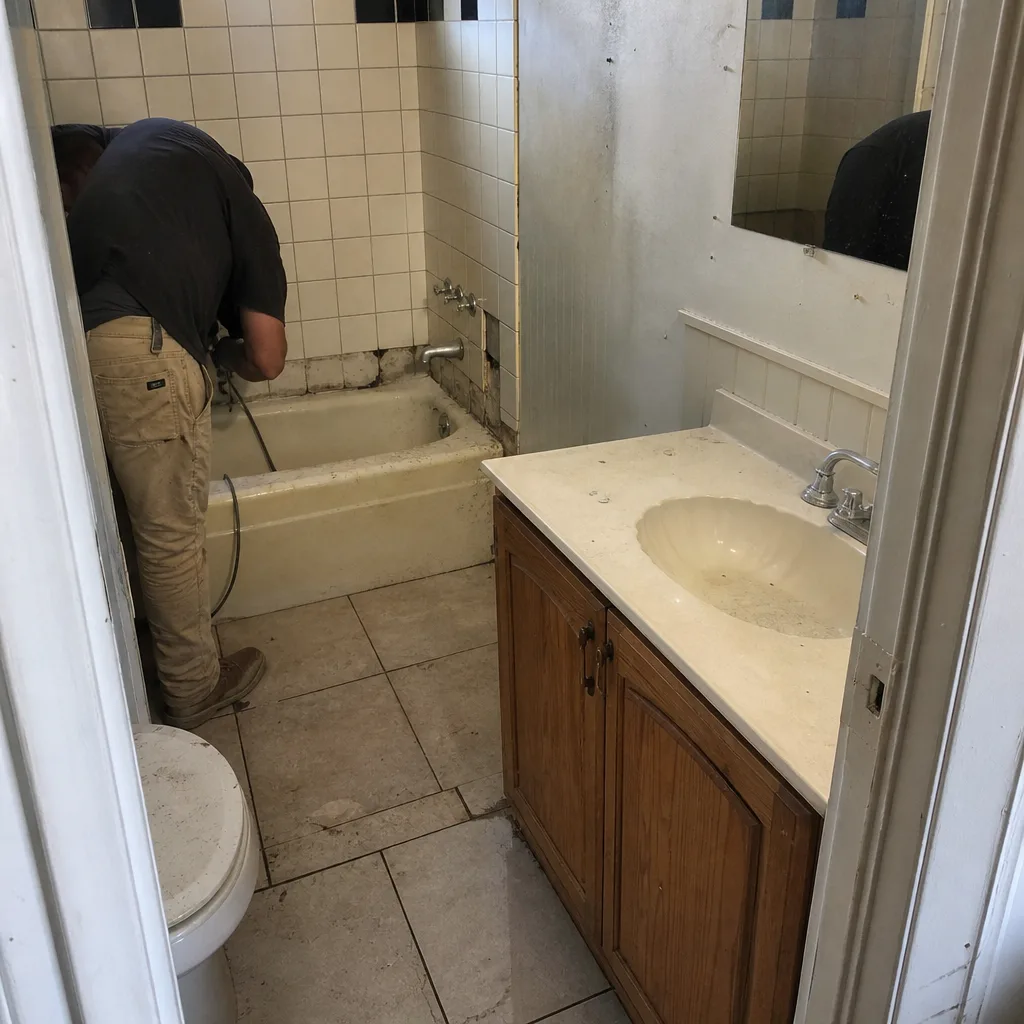 Before
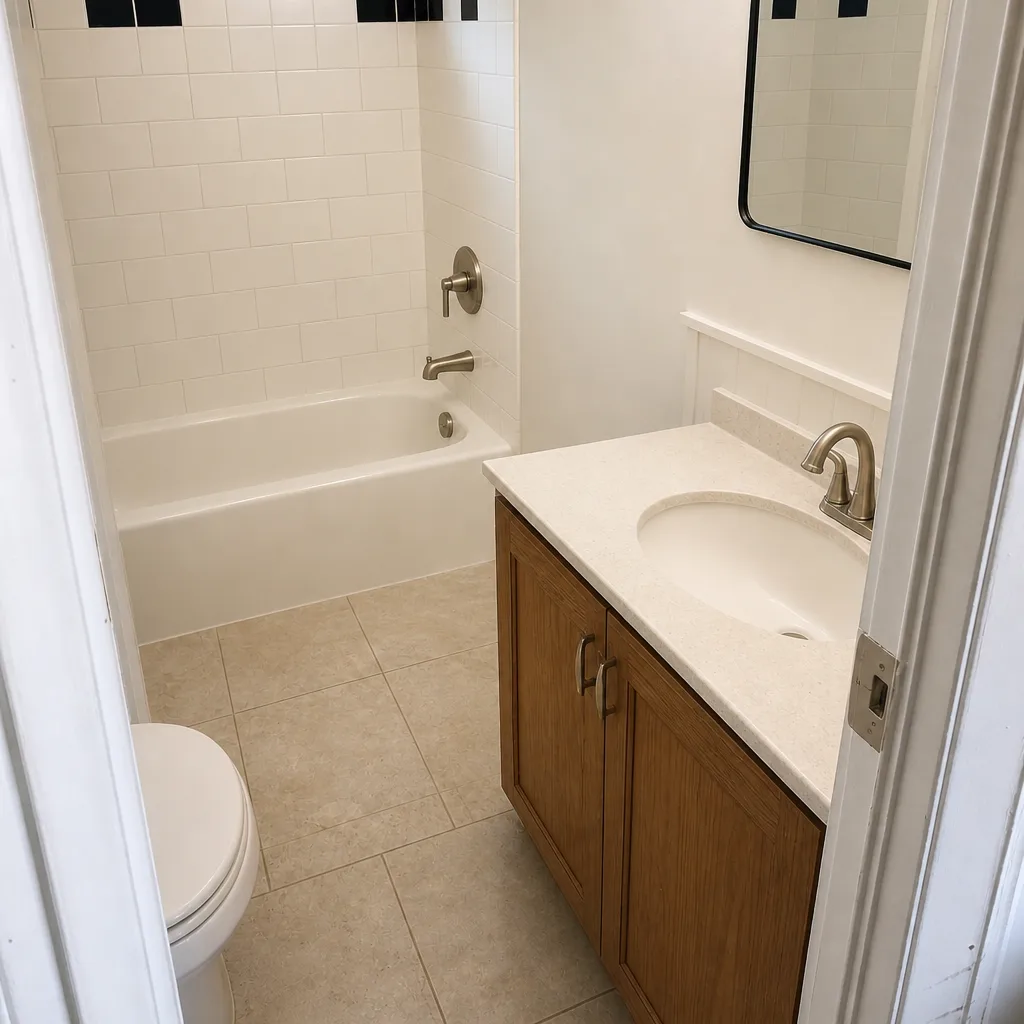 After
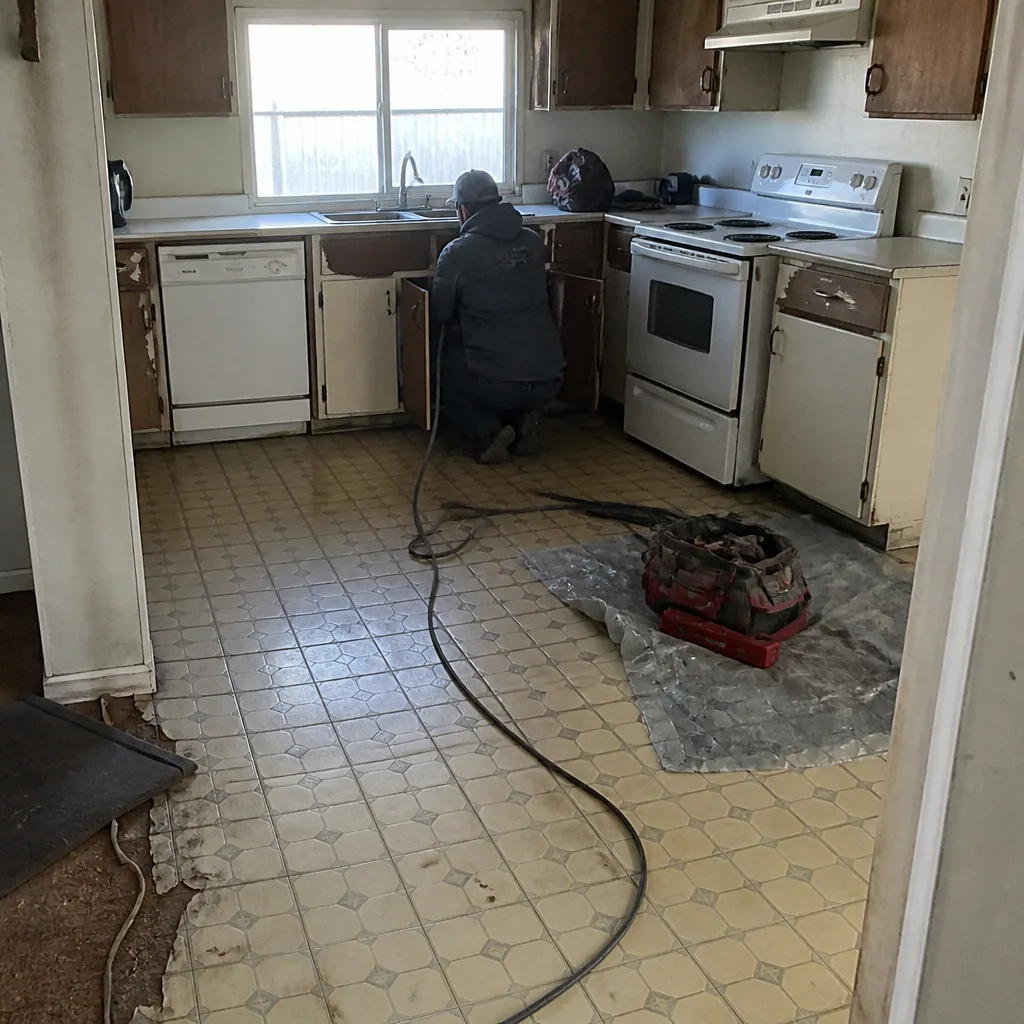 Before
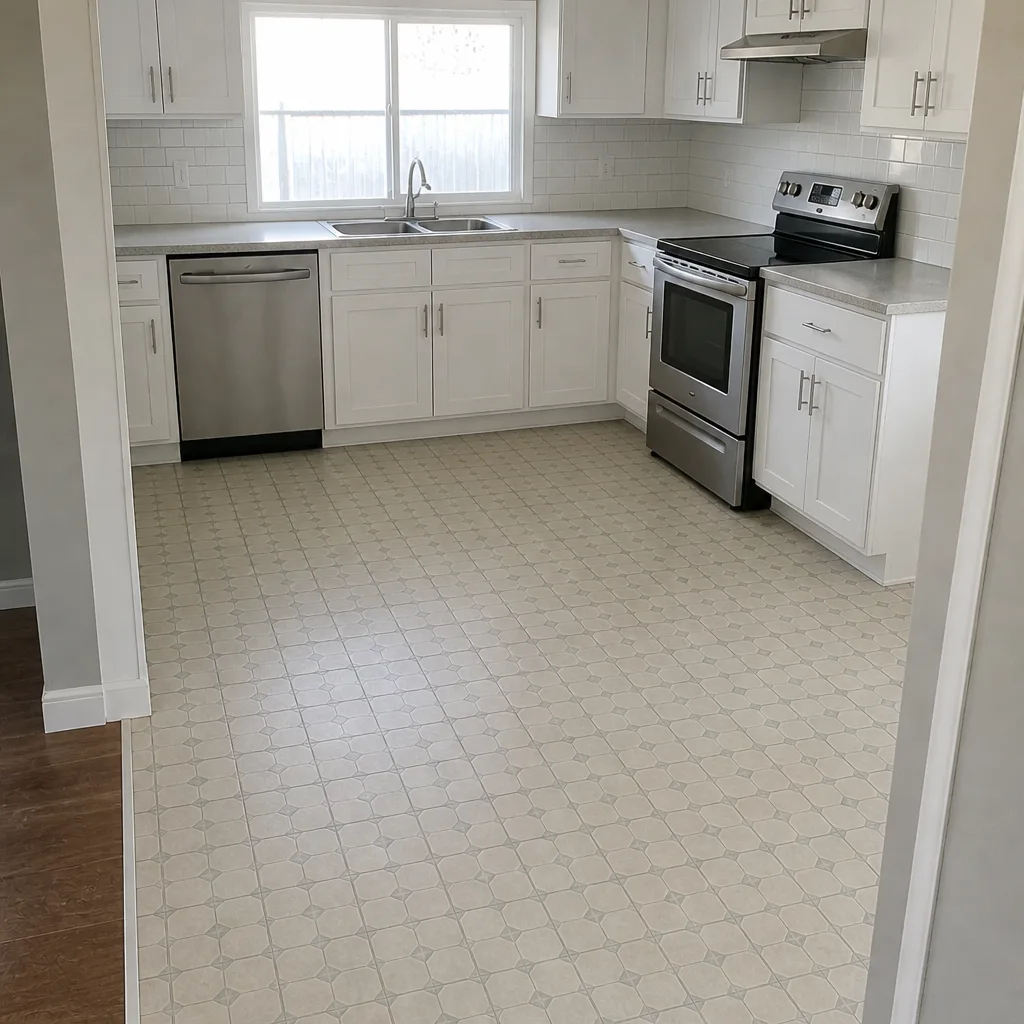 After
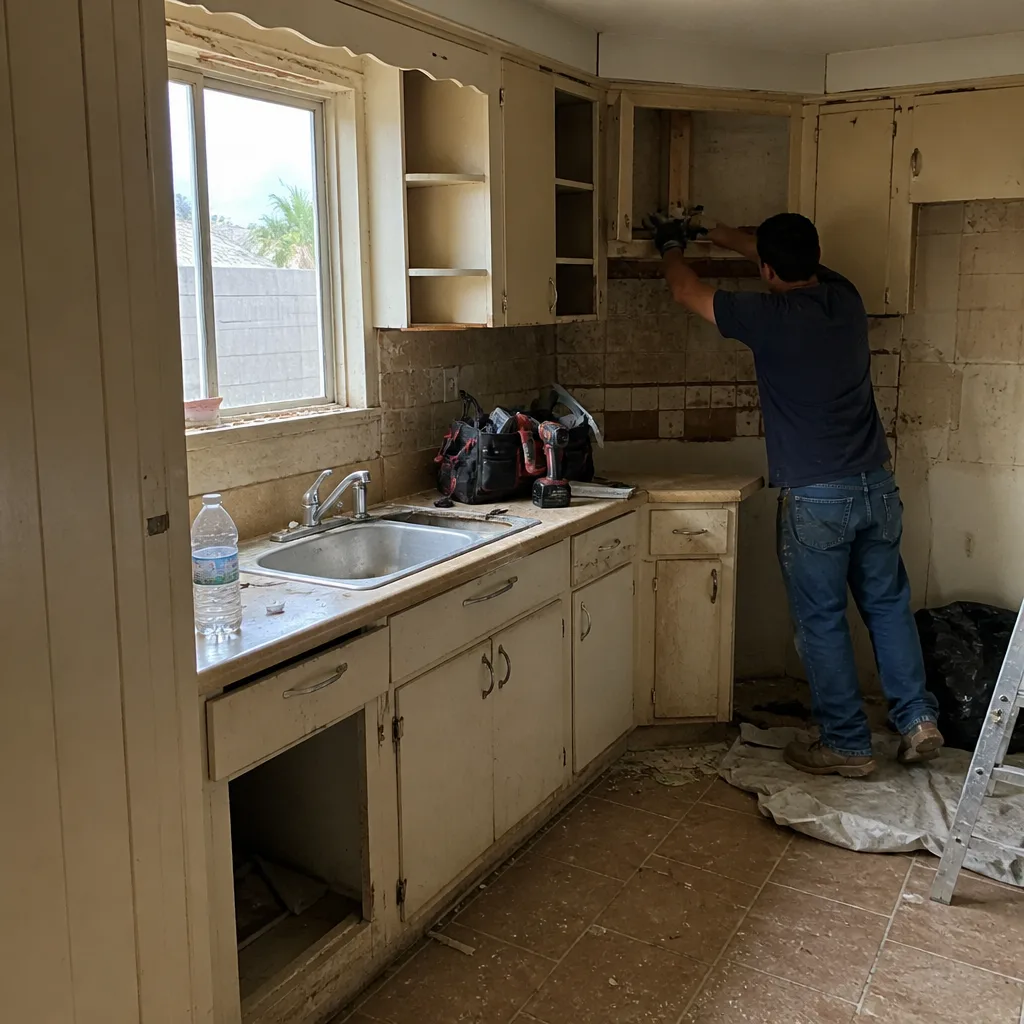 Before
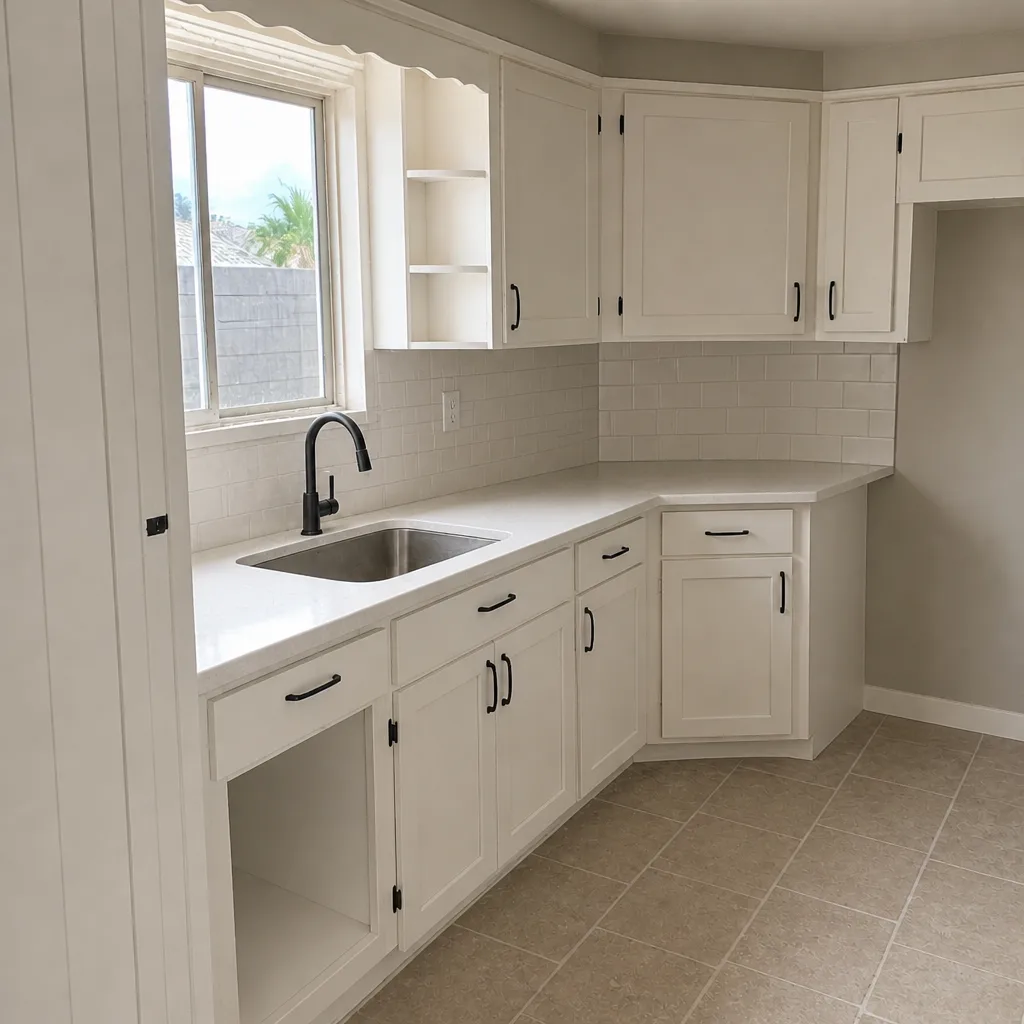 After
When to Call a Professional
If you’ve spotted diagonal drywall cracking that’s grown in 30 days, a roof stain after a monsoon cell, concrete that sounds hollow or is spalling within its first two years, or a contractor in the middle of a job who can’t explain what was done in the framing or concrete phase, it’s time to get a professional evaluation. The same is true for any active-work concern on a project you didn’t commission and any post-warranty issue where the original contractor is unresponsive. Don’t fix a structural symptom yourself. A licensed inspector or a full-scope contractor can determine what’s actually happening, and that determination is what unlocks any warranty or insurance claim you have.
Groundwork Construction Co. of Mesquite offers free estimates in Mesquite – call (888) 413-6358. Every estimate is upfront, itemized, and comes with the 730-Day Done Right Promise attached, so whichever way you go, you’ll know what the work covers and what stands behind it.
Frequently Asked Questions

Structural cracks are typically wider than 1/8 inch, run diagonally at roughly 45 degrees from a door or window corner, appear in stair-step patterns in block walls, or widen over time. Cosmetic settling cracks are usually hairline, vertical, and stable. Measure and photograph the crack on day one and again in 30 days. If it’s growing, call a licensed structural professional before doing any repair. Call (888) 413-6358 for a free evaluation on any project where cracking is one of several concerns.
Because it rarely rains here, slow flashing failures at roof-wall junctions and window openings get tested only a few times a year, and the dry air between storms hides the evidence behind drywall and insulation. The damage compounds silently. A faint stain in the attic or a soft spot in stucco just below a window is a signal worth taking seriously in a dry climate, not something to wait on. Call (888) 413-6358 for a free roof and flashing inspection through Groundwork Construction Co. of Mesquite.
Spalling means the top surface of the concrete is flaking or chipping away in patches. On a new pour, it usually points to a finishing or mix problem, often too much water added to the mix or finishing while bleed water was still on the surface during hot weather. It’s a defect, not normal wear. If you see it in the first two years, notify the contractor in writing. Call (888) 413-6358 to schedule a free evaluation.
Usually not. Most warranty documents require the contractor to inspect the issue in its original condition before any repair happens. Patching, repainting, or cutting into the wall to “see what’s going on” can invalidate the coverage. Photograph the issue, notify the contractor in writing, and wait for the inspection. Our 730-Day Done Right Promise follows this exact sequence so the fix targets the actual cause. Call (888) 413-6358 with questions about an active warranty issue.
Watch for bowed studs near load-bearing walls, missing blocking where cabinets or grab bars will anchor, gaps in sheathing that leak daylight, concrete crews who have no cure plan on a hot day, and plumbing or electrical runs that aren’t secured to structure. Photograph every wall cavity before drywall goes up. If a crew balks at any of these checks, that’s the warning sign. Call (888) 413-6358 for a free consultation before the next phase starts.
Yes. Slow flashing failures in dry climates get tested fewer times per year and the evidence dries between storms, so the damage stays hidden longer than in a wet climate. A roof or window flashing issue that would be caught inside a season in a rainy region can go unnoticed for years in Mesquite. Any ceiling stain, stucco soft spot, or attic water ring deserves an inspection, even in summer. Call (888) 413-6358 to schedule a free roof inspection.
The Bottom Line
The warning signs that cost Mesquite homeowners the most money are the ones hiding behind finished surfaces: diagonal drywall cracks that grow, water stains that appear in a dry month, concrete that spalls inside two years, framing that was never inspected before drywall. Cosmetic signs are cheap to fix. Structural signs are only cheap when you catch them early. Document everything with photos and measurements, notify any responsible party in writing before you touch a thing, and get a licensed professional’s opinion on anything involving foundation movement, roof structure, or active construction you didn’t commission. Upfront pricing and a 730-Day Done Right Promise exist for the same reason: so you never have to guess where the accountability lies. If a warning sign has you unsure, call Groundwork Construction Co. of Mesquite at (888) 413-6358 for a free estimate and a straight answer on whether it’s a repair or a red flag.
Written by the team at Groundwork Construction Co. of Mesquite.