Last updated November 18, 2026



Free written scope consultation - allowances, timeline, and change-order rules on paper before a single trade is scheduled
DIY vs Professional Fence Installation: What’s Safe to Do Yourself
The most expensive DIY fence mistake isn’t buying the wrong panels. It’s setting posts in pre-mixed dry concrete that never properly cures in desert-dry soil, then watching the whole run lean progressively over 18 months as the posts work loose. By the time the sag is obvious, you’ve buried hundreds of dollars in materials and a full weekend of labor under a line that has to come out entirely. We’ve pulled enough of these failed runs in and around Mesquite to know the pattern cold. This guide is about where the line actually sits between what you can do yourself and what costs more to fix than to hire out, with real numbers for what crossing it on the wrong side runs.
Quick Answer
Hanging panels, staining, and replacing hardware are genuinely safe DIY tasks that a careful homeowner can do to professional quality. Post setting, layout, and anything that touches permits or property lines are where the money goes wrong, because a fence that fails in two years almost always fails at the posts, not the panels. Professional installation in Mesquite runs roughly $28 to $55 per linear foot installed, and a cheap DIY run that fails early and gets redone often costs more than hiring it out the first time.
Styles & brands we work with
- Kitchen remodeling
- Bathroom remodeling
- Home additions & ADU
- Roofing
- Windows & doors
- Driveway & pavers
- Fence
Table of Contents
- What’s Actually Safe to Do Yourself
- Why Post Setting Is the Real Dividing Line
- Property Lines: When DIY Becomes a Legal Risk
- DIY vs Professional Cost: The Real Numbers
- What a Professional Fence Bid Should Include
- Permits and HOA: What You Can Handle vs What You Can’t
- How Mesquite’s Climate Changes the Rules
- Common Mistakes to Avoid
What’s Actually Safe to Do Yourself
Fence work has a wider legitimate DIY range than most trades, and we’ll say that plainly. If your posts are already in the ground and sound, a lot of what makes a fence look tired is well within reach of a homeowner with a free weekend.
The tasks we’d genuinely call accessible:
- Hanging replacement panels or pickets on existing, solid posts. Pickets and dog-eared cedar or vinyl panels are forgiving, and mistakes are visible immediately and cheap to correct.
- Staining or sealing a wood fence. This is arguably the single most valuable DIY job on a fence, because it extends the life of the wood by years in sun and dry heat. A pump sprayer and a few hours gets you most of the way there.
- Replacing hinges, latches, gate hardware, and post caps. These are bolt-on jobs. Nothing here can fail structurally.
- Patching small sections of rot where a single picket or rail has gone soft but the post is still solid.
- Re-tightening loose fasteners and adjusting gate sag with a turnbuckle or new hinge set.
What these tasks share is simple: they’re surface work that sits on top of a sound structure. None of them require digging, layout, or a decision that a future owner will have to live with. When we talk to homeowners in Mesquite about their fences, the honest split is usually that the structure is fine and the finish is what’s worn out. That’s the DIY window.
The moment you move from surface work to structure, the calculus flips. Posts set too shallow, out of line, or in the wrong concrete mix don’t announce themselves for a year or more, and by then the fix is a full redo. For a bigger picture of how a proper fence fit into the rest of a property improvement, our Groundwork Construction Co. of Mesquite home page lays out the trades we handle and how they connect.
Why Post Setting Is the Real Dividing Line
If you take one thing from this guide, take this: the post is the fence. Everything above the ground is trim. This is where professional fence installation earns its money, and it’s where the most expensive DIY errors happen without the homeowner ever seeing them.
Post setting fails in three specific ways, and all three are quiet.
- Wrong concrete mix. Dry, pre-mixed concrete dumped into the hole without proper water never fully hydrates in desert-dry, hot soil. The outer shell sets, the core stays powdery, and the post has almost no lateral resistance. This is the failure that produces the 18-month lean.
- Wrong water ratio. Too much water weakens the mix and it crumbles under pressure; too little and it doesn’t bond to the post at all. In Mesquite’s heat, a mix that would work fine at 60 degrees sets up fast enough that a slow install leaves a bad joint.
- Wrong depth and alignment. Posts need to sit below the frost-proof zone and dead-on the string line. A post that’s two inches out of line seems harmless until you hang a 100-foot run and discover the panels have to be shimmed or angled to fit.
The right way, if you’re going to do it, is set each post in a hole that’s genuinely deep enough, use a properly mixed concrete at the correct consistency, and check plumb and line with a level and string on every single post before moving to the next. There’s no shortcut that doesn’t cost more later. In our experience, the homeowners who get a DIY post run right are the ones who budget a full day per 30 or 40 feet and refuse to rush it. The ones whose fence fails are the ones racing daylight.
We’ve also seen failures that had nothing to do with the mix: posts set into soil that was never compacted properly, or set too shallow because the dig hit gravel or caliche and the installer gave up on depth rather than keep digging. Mesquite soil can be exactly that stubborn. Given the stakes, this is the one task where we’d steer most homeowners toward a pro unless they have real experience with post-setting.
Property Lines: When DIY Becomes a Legal Risk
Nobody warns DIYers about the property line problem, and it’s the one that can cost you in a way the fence never shows on the surface. An encroachment dispute doesn’t care who built the fence or how good it looks. It cares whose land it’s sitting on.
Before any post or panel goes in, you need to be sure where the line actually is. Here’s how to tell if you’re ready to DIY safely on that front:
- You have a recent survey. If there’s a plat or survey on file with the county, and it’s current, you know where your corners are. This is the cleanest path.
- Your corners are physically marked. Survey pins or a record of where they sit give you a hard reference to build against.
- No prior dispute with the neighbor. If there’s been any friction over the fence, mowing line, or shared property, settle that in writing before you build, not after.
- You know who owns the fence. On shared boundary fences, the question of who pays and who maintains can trip a DIY project up fast.
What we don’t recommend is eyeballing it. A fence built even 18 inches over a line can trigger a demand to move it at your cost, and in the worst case a legal claim. Mesquite’s lot lines, especially in older pockets and on larger rural lots, aren’t always obvious from the ground. When you’re unsure, a survey is a few hundred dollars and settles the question permanently. That’s money well spent before any digging starts, and a professional installer will confirm the line as part of the job. If you’re adding a fence alongside a bigger project like a patio or access route, our Driveway & Paver work in Mesquite team runs into the same property-line question on hardscape and can help you plan the two together.
DIY vs Professional Cost: The Real Numbers
Here’s the math most DIY comparisons skip: they compare what you spend at the lumberyard to what a contractor charges, and ignore the cost of doing it wrong. We’d rather give you the full picture. These are real-world ranges for a standard 150-foot pipe and rail or board fence in Mesquite, and they’re what we actually see quoted.
| Cost Line | DIY (materials + tool rental) | Professional Installed |
|---|---|---|
| Posts, rails, panels, concrete | $1,800 – $3,200 | Included in install |
| Tools (auger, level, string, tamper, saw) | $200 – $500 (rented) or $1,000+ (bought) | Included |
| Labor | 2 – 4 full weekends of your time | Included |
| Permit (if required) | $50 – $200 (you pull it) | $50 – $200 (pulled for you) |
| Installed labor and materials | - | $28 – $55 per linear foot |
| Total for 150 linear feet | $2,000 – $3,700 + your weekends | $4,200 – $8,250 |
| Risk if a post run fails | Full redo: $1,500 – $3,000+ | Covered by workmanship warranty |
So on paper, DIY saves you somewhere between $2,000 and $5,000. That’s real money, and we won’t pretend it isn’t. The honest question is which side of the post-setting line you’re on. If your posts are sound and you’re replacing panels or staining, the DIY savings are pure upside. If you’re setting the whole run yourself and you’ve never done it, you’re betting that savings against a redo that can eat most of it.
A clean professional install that’s done right the first time is the safer bet for a full fence run. Groundwork Construction Co. of Mesquite offers upfront pricing with no surprises, plus 0% financing for 18 months and $1,000 off projects over $10,000 if you’re bundling a fence with larger work. Call (888) 413-6358 for a free estimate, and you’ll see the line-item number before any work starts.
What a Professional Fence Bid Should Include
A cheap bid and a complete bid look similar on a single line of paper, and that’s the trap. Most fence bids that come in suspiciously low are missing specific things, and the homeowner discovers them when the work pauses or the fence fails. Here’s what a serious bid includes, and how to tell which pile you’re holding.
A proper bid should spell out:
- Post depth and spacing in writing, not “standard.” A pro who’s confident puts the number down.
- Concrete spec for post setting, including the mix type and how it’s placed. A bid that just says “posts set in concrete” is telling you nothing.
- Material brand and grade. Not just “wood fence,” but the actual species and grade. On our projects that’s the same discipline we apply to roofing materials, where we work with brands like GAF and CertainTeed and put the brand on the bid.
- Permits who pulls them and whether the fee is included.
- Gate and gate hardware as a separate, itemized piece. Gates are where budget fences cut corners.
- Cleanup and haul-away of old fence and debris.
- The workmanship warranty, in writing. This separates a pro from a handyman with a truck.
A bid that’s missing post depth, concrete spec, or the warranty isn’t cheaper. It’s incomplete, and the gap is where change orders come from. The bid you want is the one you can compare line by line to another. When we quote fence installation in Mesquite, we give you a fixed line-item price with no change orders, and every job is covered by our 730-Day Done Right Promise. You can see what that looks like on our Fence Installation in Mesquite service page before you ever call.
Permits and HOA: What You Can Handle vs What You Can’t
Fence permits sit in a middle zone most homeowners can navigate, but there are two traps worth knowing. First: the permit is usually straightforward to pull yourself. Second: where a licensed contractor is required by code for certain work, doing it yourself unpermitted creates a legal problem that follows the property, not the person who built it.
Here’s the realistic split in Mesquite and similar Southern Nevada jurisdictions:
- Pulling the permit. You can usually file for a residential fence permit yourself. Call the city or county building department, describe the fence height, material, and location, and they’ll tell you what’s needed. Height limits are the most common issue, especially for front-yard fences.
- HOA approval. If your neighborhood has an HOA, this is your job no matter what. HOAs want fence plans, material samples, and sometimes a neighbor sign-off. No contractor can do this for you because it’s your membership on the line.
- The licensed-work line. Where local code requires a licensed contractor for the work itself, or for anything tied to a structural or safety approval, an unpermitted DIY install can trigger a stop-work order, fines, and a forced tear-out at your expense. This is the part to verify before you start.
- Inspection. Many fences require a post-inspection before panels go on. A licensed installer handles the scheduling and knows what the inspector wants to see. A DIYer is on their own to figure it out, and a missed inspection can mean a failed final.
The simplest rule: HOA paperwork is yours, permit mechanics you can learn, and anything requiring a licensed contractor to sign off is where DIY stops being worth it. Mesquite homeowners who plan a fence alongside an addition or ADU will often bundle permits for both, which is exactly the kind of coordination a single contractor handles better than a series of DIY filings. Our Home Additions & ADU page for Mesquite touches on that same permit coordination from the construction side.
How Mesquite’s Climate Changes the Rules
Failure curves look different in the desert. Fence work that holds up in a wet climate can fail faster here because the same sun that fades a panel bakes the concrete and dries the soil, and a post set in a mix that hydrated poorly has nothing to stop it from working loose. We see this across Mesquite, from the newer tracts to the older lots.
The climate realities that matter:
- Extreme soil drying. Mesquite’s dry air pulls moisture out of set concrete fast. Dry-mixed concrete that never fully hydrated in the first place has no reserve to draw on.
- High summer heat. Concrete cures, meaning it reaches strength, over days. In July afternoon heat, the surface can dry before the core sets, which is another way a DIY post joint ends up weak.
- Wind exposure. Fence panels catch wind like sails. A post that’s slightly loose in dry soil starts working, and wind accelerates the lean.
- Seasonal sun. Wood dries and checks in this climate faster than most people expect. A fence that isn’t sealed within the first season can split and shrink well before its time.
None of this makes DIY impossible. It makes the margin for error smaller, and it makes the staining-and-sealing part of fence ownership more important than it is in wetter parts of the country. A homeowner in Mesquite who re-seals a wood fence on a schedule does more to extend its life than almost anything else. What the climate punishes most is the post joint, which is precisely the part a first-time DIYer is most likely to get wrong.
Common Mistakes to Avoid
We’ve been called to correct all of these, and each one has a specific cost. Here’s what to watch out for, with the ones we see most in Mesquite listed first.
- Dry-mixing concrete in the post hole. The single biggest cause of the slow lean we see in failed DIY fences. The mix has to be properly watered and mixed so it actually bonds to the post.
- Rushing the cure with summer heat. A post needs its concrete to reach strength before you hang a full panel run on it. Loading the fence too early pulls it out of plumb.
- Skipping the string line and level. Eye-balling post alignment produces a wavy top that no amount of careful panel hanging fixes. Check every post against the string before the concrete sets.
- Building before confirming the property line. In Mesquite’s larger and older lots especially, a fence in the wrong place is a legal claim, not a construction error, and it can cost more than the fence.
- Digging shallower to get past hard soil. When the dig hits gravel or caliche, giving up on depth is the mistake. Shallow posts have less to resist wind and frost, and they move first.
- Skipping the HOA approval. Many Mesquite neighborhoods require HOA sign-off before a fence goes up. Installing before approval can mean removing it, at your cost.
- Not sealing new wood in the first season. Desert sun dries and checks wood faster here. A fence that’s not stained and sealed early will split and gray long before its time.
See the difference
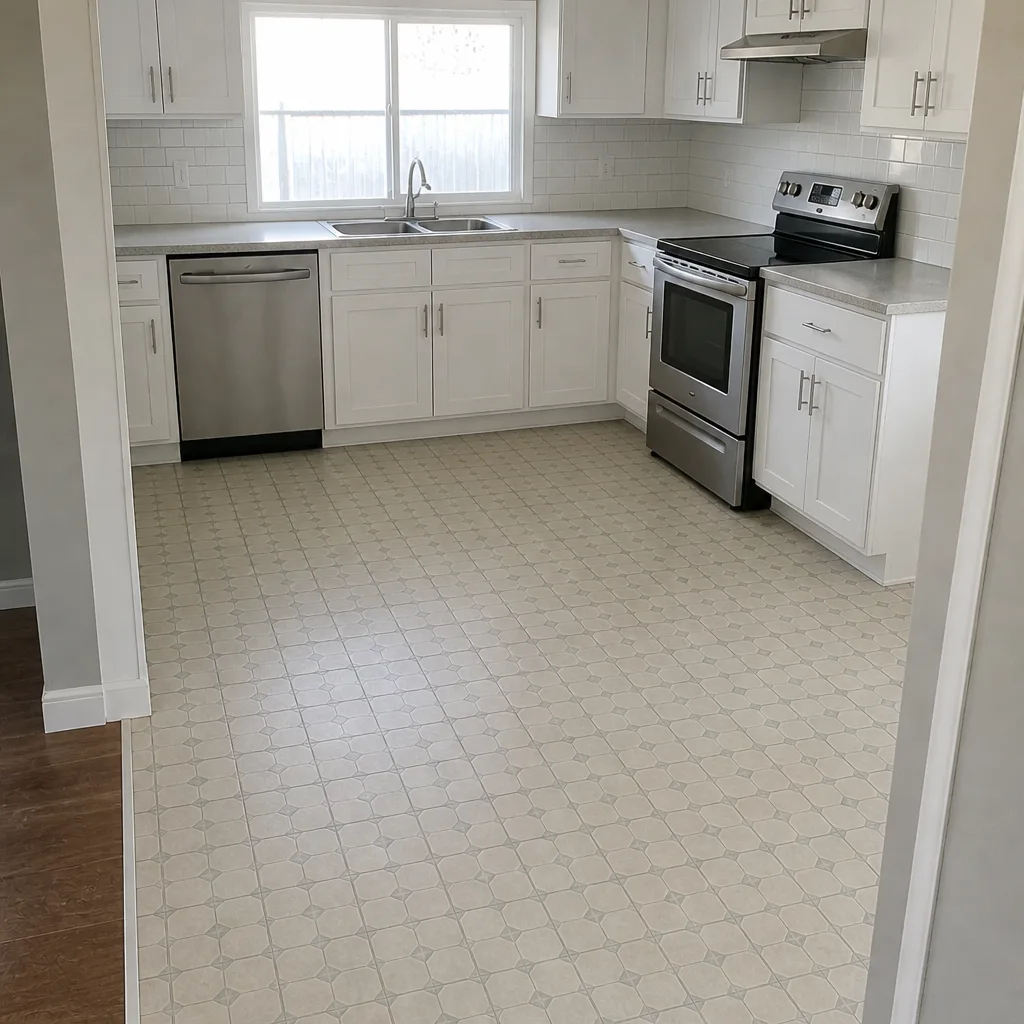
 Before
 After
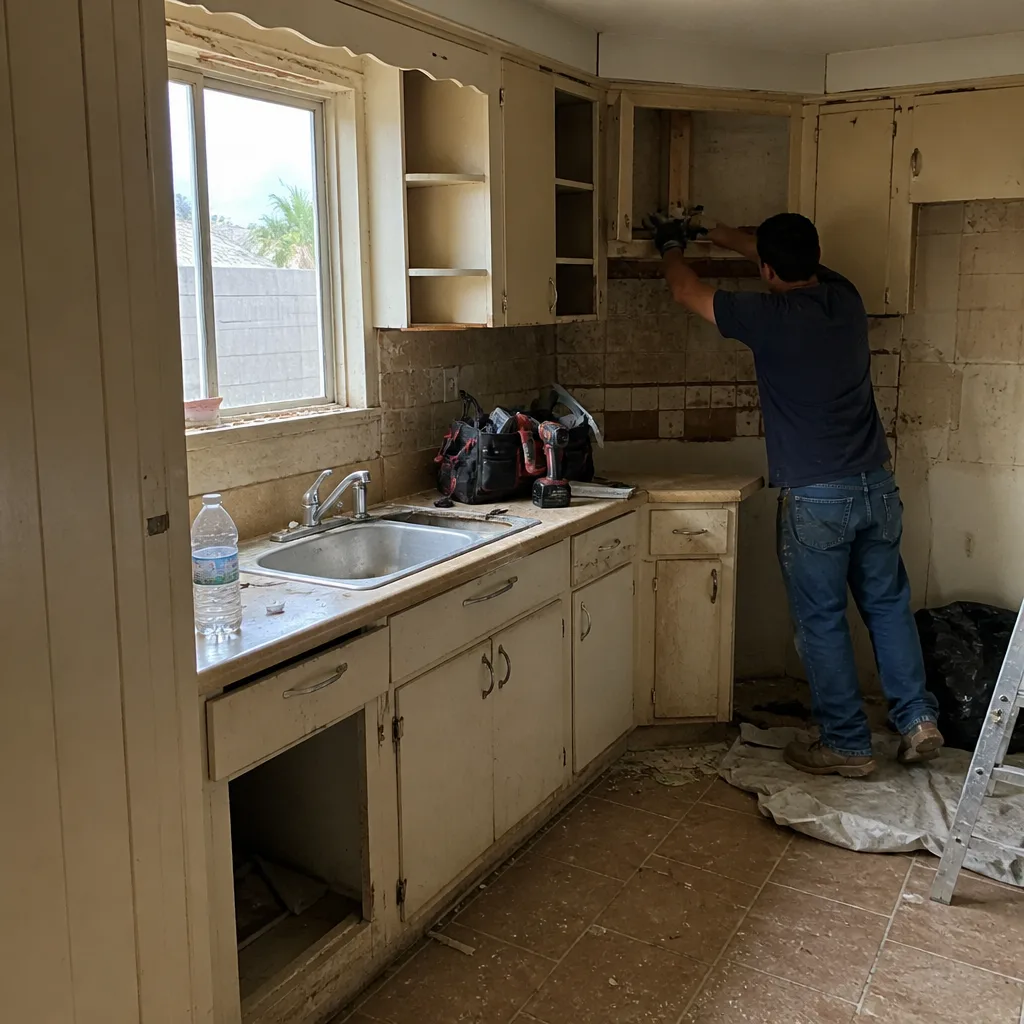
 Before
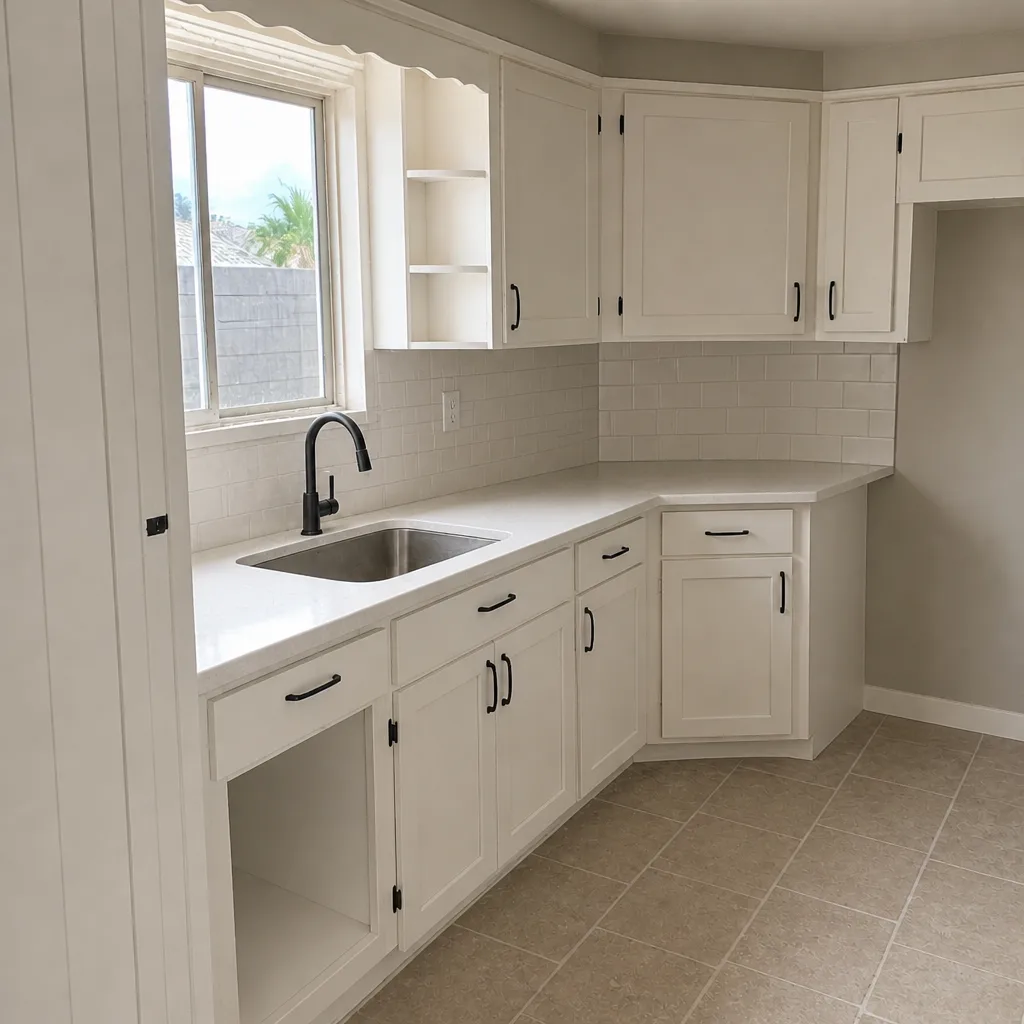
 After
 Before
 After
When to Call a Professional
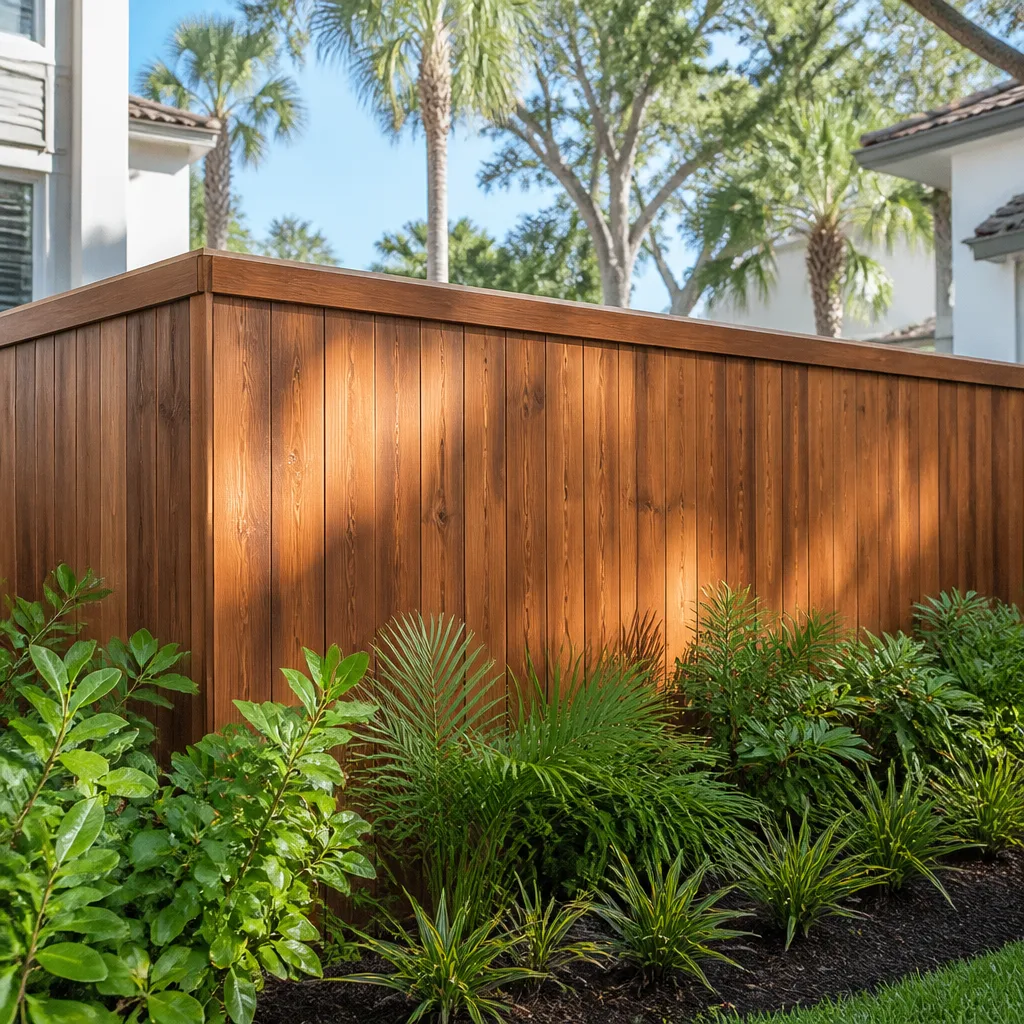
If you’re replacing panels, staining, or fixing gate hardware, and your posts are solid, we’d say go for it. That’s the DIY window, and it’s real. Where we’d call a pro: setting a full new fence line from scratch, any fence on property where the line is uncertain, and any project where permits or HOA approval are in play. Those are the cases where a small mistake costs far more than hiring it out.
There’s also the fence that needs to be right the first time because of its job: a privacy fence around a pool, a boundary fence on a property you’re selling, or a fence over a retaining wall. If it’s holding something in or defining your property, the margin for a lean is zero.
Groundwork Construction Co. of Mesquite offers free estimates in Mesquite. Call (888) 413-6358 and we’ll walk your line, tell you honestly where the post problem is, and give you a written number before any digging starts. Every job is backed by our 730-Day Done Right Promise, and the crews are background-checked and arrive in uniform. Our technicians bring up to 12 years of experience to the work, and a live person answers the phone around the clock.
Frequently Asked Questions
Professional fence installation in Mesquite typically runs $28 to $55 per linear foot installed for standard wood and pipe fence, with material type, height, and site conditions driving the range. A 150-foot run usually lands between $4,200 and $8,250. Call (888) 413-6358 for an exact quote on your line, and estimates are free.
Yes, if you’re replacing panels, staining, or replacing hardware on existing sound posts. You can get professional-quality results on that kind of surface work. The limit is post setting and layout, which is where most DIY fences fail and where the repair cost exceeds what you saved.
Post depth depends on fence height, soil, and wind exposure, and it’s specific enough that it should be stated in your bid or permit paperwork. The important point is that depth can’t be shortened to get past hard soil. That’s the most common shortcut we see, and it’s the one that fails first.
Most Mesquite-area jurisdictions require a permit for new fence construction, and there are usually height limits you’ll want to confirm before digging. HOA approval is a separate step that’s on you regardless. Call (888) 413-6358 if you want help confirming the requirements for your property, and we’ll walk you through it during a free estimate.
A standard 150-foot residential fence run is usually a one to three day job for a professional crew, with post-setting taking one day and panels going up the next. DIY versions of the same run typically stretch across two or more weekends because of the careful work and curing time at the posts.
Not with us. Groundwork Construction Co. of Mesquite quotes no-hassle upfront pricing where the number you see is the number you pay, with no change orders. If the bid you’re holding is vague on post depth, concrete, or warranty, that’s a bid that’s likely to change. Call (888) 413-6358 for a fixed written price.
The Bottom Line
Fence installation has a real DIY window, and it sits above the ground: panels, fencing, staining, gates, and hardware. The structural work, meaning the posts, the concrete, and the layout, is where a different set of skills is required, and it’s the part that fails quietly. If you’re just freshening up a sound fence, you can handle it. If you’re setting a new line, especially in Mesquite’s dry soil and hard dig, the math on DIY flips fast once the failure risk is in the number. A fixed, written professional price is the version of the cost you can compare against the risk. Reach out for a free estimate, and we’ll give you straight answers before you pick up the shovel.
Call Groundwork Construction Co. of Mesquite at (888) 413-6358 for your free project estimate and design consult. A live person answers, around the clock. If it’s not done right, we make it right, backed by the 730-Day Done Right Promise.
Written by the team at Groundwork Construction Co. of Mesquite.