Last updated November 18, 2026





Free written scope consultation - allowances, timeline, and change-order rules on paper before a single trade is scheduled
Fence Installation Warning Signs Every Homeowner Should Know
Most bad fence contractors don’t announce themselves. They show up with a competitive price, a friendly handshake, and a timeline that sounds reasonable. The problems surface later, once the deposit clears and the crew has moved on to the next job. We’ve walked onto enough properties in Mesquite to know the difference between a crew that measures and one that guesses. A contractor who can’t tell you the minimum post-hole depth for Mesquite’s wind load conditions (typically 36 inches in this region) is already telling you something. That single detail predicts how your fence will hold up through the first serious dust storm. This guide shows you how to read contractor behavior before you sign, watch the installation as it happens, and recognize the signs of a failing fence while you still have recourse. You’ll learn what a proper build looks like in Mesquite’s specific conditions, how payment structure signals risk, and when it’s time to stop guessing and get a professional assessment.
Quick Answer
The biggest warning signs of a bad fence installation appear before work starts: vague scope language, no mention of utility locating, a quote delivered without a site visit, refusal to pull permits, and deposit requests above 30-40% before materials arrive. Mid-installation, watch for posts set without plumb checks, concrete mixed too thin, and panels hung before footings cure. Post-installation, immediate leaning, gaps at grade, and rust staining within months are signs the job failed. In Mesquite’s desert climate, the wrong post depth or concrete mix is the most common reason fences lean, and it’s also the hardest problem to spot early.
Styles & brands we work with
- Kitchen remodeling
- Bathroom remodeling
- Home additions & ADU
- Roofing
- Windows & doors
- Driveway & pavers
- Fence
Table of Contents
- Pre-Contract Warning Signs: What a Bad Contractor Reveals Before the Job
- What a Proper Post-Hole Specification Looks Like in Mesquite
- Mid-Installation Warning Signs You Can Actually See
- Payment Structure Red Flags
- Post-Installation Signs of a Bad Job
- What Material Choices Reveal About a Contractor
- Permits, Utility Locating, and Why Mesquite Homeowners Can’t Skip Them
- Common Mistakes to Avoid
Pre-Contract Warning Signs: What a Bad Contractor Reveals Before the Job
The pre-contract phase is where problems are most visible, and also where homeowners are least attentive. Everyone focuses on the dollar figure. A cheap number from a contractor who can’t name a construction code, depth requirement, or material thickness is not a deal. It’s a preview of every shortcut you’ll discover six months into owning the fence.
Here’s what a proper scope document includes: total linear feet, number of posts, post spacing, gate type and hardware, material specifics (brand and thickness), footing depth and concrete type, and a clear statement of whether the contractor will pull permits. If a bid omits any of those items, ask for them in writing before you sign. If the contractor can’t supply them, you have your answer. A vague scope is the most common way homeowners get surprised by change orders mid-job.
Here’s a quick pre-contract warning sign checklist. If two or more apply, ask more questions before proceeding:
- The quote is verbal or limited to a single line item with a total price.
- The contractor hasn’t visited the property to assess grade, slope, or existing fence anchors.
- No mention of calling 811 or a private utility locating service before digging.
- The contractor says permits aren’t needed, without knowing fence height and setback rules for your specific property.
- The scope doesn’t state post depth, post spacing, or concrete type.
- The contractor can’t name the materials brand or the material thickness they plan to use.
- The deposit request exceeds 30-40% of the total before materials arrive on-site.
One easy test: ask the contractor what post-hole depth they’ll use and why. A contractor familiar with Mesquite’s wind exposure will name a minimum depth and mention wind load. A contractor who restates the question back to you, or gives a vague answer about “standard practice,” hasn’t thought about the specific property or the local conditions.
What a Proper Post-Hole Specification Looks Like in Mesquite
Post depth matters more than any single other detail in fence installation, and it matters more in Mesquite than in most of the country. The Las Vegas Valley and its surrounding communities see regular wind events strong enough to test any fence built with shallow footings or weak concrete. A fence with posts set 24 inches into loose soil with dry-mixed concrete will stand through the summer, and it will lean after the first serious sustained wind event in late fall or early spring.
Here’s what a properly specified post-hole footing looks like in Mesquite’s conditions:
- Depth: 36 inches is the local best-practice minimum for standard 6-foot residential fence posts, and it’s the depth we use unless soil conditions or fence height dictate otherwise. Taller fences (7-8 feet) or fences with heavy gate posts need more.
- Diameter: Three times the post width is standard. A 4×4 post needs a 12-inch hole, an 8-inch minimum is not acceptable in our soil.
- Drainage: 2-4 inches of gravel at the bottom of the hole before the post is set, so water drains away from the concrete and post base rather than pooling. In Mesquite’s clay-heavy soils, this step is the difference between a 15-year post and a 5-year post.
- Concrete: Premixed 4,000 PSI or higher, or site-mixed with measured ratios. A contractor who mixes concrete by eye, rather than by specification, is gambling on your fence. Wet-mix concrete (poured, not dry-mixed into the hole) is preferred in our climate because it fills voids better and cures more evenly.
- Set time: 24-48 hours minimum before the panel installation, longer in cooler weather. Panels attached to freshly-set posts will pull the posts out of alignment before the concrete has cured.
Ask a contractor to demonstrate they understand these specifics. If they can talk you through depth, diameter, drainage, mix, and cure time without hesitation, you’re dealing with someone who has actually built a fence in wind conditions. If they can’t, they don’t know the spec, and there’s a strong chance they’ve been getting away with shortcuts on every job they’ve done in the area.
Mid-Installation Warning Signs You Can Actually See
You don’t need to be an inspector to spot mid-installation problems. A homeowner who takes five minutes to walk the fence line while the crew is working will catch the same failures a professional would flag on a follow-up visit. Here’s what to look for.
Posts set without plumb checks. A properly set post is vertical, and the contractor should be checking with a level on both faces. A post that looks slightly off is pulled by the panel tension later and shifts the whole fence line. If you see posts going in without a level on them, say something before the concrete sets.
Concrete poured too thin. If you watch the crew pour and the mix looks watery, or the concrete settles far below the surface of the hole, the footing will be weak. Concrete should reach grade level at the post base, or within 1-2 inches of it. A hole filled with what looks like muddy water is not a foundation.
Panels installed before footings cure. A good crew sets posts one day and hangs panels the next day, or at minimum waits the specified cure period. If the crew is setting posts and hanging panels in the same afternoon, they are rushing the process and your fence will pay for it in a season or two.
Poor alignment across the run. Walk to the end of the fence line and look down the run at eye level. A fence line should look straight, and each post should sit at a consistent height. Wavering height or visible alignment drift are signs the crew hasn’t set their string lines or checked their work as they went.
Missing or inadequate fasteners. Every panel should be attached to each post with the correct number and type of fasteners (typically two per rail per post side, and hardware appropriate to the material). If you see gaps in the fastening pattern, or nails instead of the specified screws, you’re going to see panel failures within a couple of seasons.
No ground protection or site care. A professional crew lays down drop cloths or plywood to protect landscaping and driveway surfaces from concrete splatter. A crew that leaves concrete splashes on your pavers and tire marks across your yard is telling you they don’t care about the finish. Before you commission any new hardscape near the project area, read through our Driveway & Pavers in Mesquite page for what a properly finished hardscape should look like, because concrete damage is a real cost to fix later.
Payment Structure Red Flags
Payment structure is often the clearest signal of contractor character, and it’s also where homeowners are most likely to make a mistake because the numbers feel abstract before work starts. Here’s a simple rule: never let the deposit exceed the cost of the materials required to begin the job. A deposit exists to buy materials, not to fund the contractor’s cash flow.
Typical warning signs to watch for:
- Deposit above 30-40% before materials are on-site. A contractor asking for half or more of the job up front before breaking ground is using your money to finish someone else’s job. That’s a classic failure signal in home improvement.
- No written payment schedule. A professional contractor will provide a written schedule tied to milestones: deposit (materials), rough completion, final walkthrough. If the schedule is “deposit, then the rest,” it’s not a plan.
- Cash-only payment requests. Cash payments leave no paper trail, which means no recourse if the materials never arrive or the work is substandard.
- Requests for payment before inspections or a signed completion. You should not pay the final installment until you’ve walked the completed job, verified the fence alignment, opened and closed each gate, and confirmed nothing needs correction.
- Pressure to pay the balance early. A contractor who calls asking for the final payment before completion is a discipline problem. Never pay ahead of the work.
There’s a second layer to payment structure: financing and pricing transparency. A contractor who quotes a range and then adjusts it after the job has started is practicing change-order bait-and-switch. At Groundwork, we provide no-hassle upfront pricing, no surprises – the number on the estimate is the number on the invoice, unless you’ve changed the scope. We combine that with 0% financing for 18 months and $1,000 off projects over $10,000, so a large-scale fence project with a matching gate or a full property line becomes a manageable single investment rather than a lump-sum shock.
Post-Installation Signs of a Bad Job
You’ve signed the check and the crew has left. The next 180 days reveal whether the installation was done correctly. Here’s what to watch for and what it means.
Immediate leaning. A foot or two of lean within a week or two of installation is almost always a shallow footing or insufficient concrete. The post exists in the soil, but it’s not anchored. This is the single most common failure we see when called in to assess a fence that was built by another contractor in Mesquite.
Gaps at grade. Gaps wider than 2 inches under the bottom rail or panel mean either the slope wasn’t properly accounted for in the panel height, or the panels were cut short. Gaps are not just a visual problem – they invite soil erosion, allow small animals and snakes through, and can defeat the privacy purpose of the fence entirely.
Rust staining at the base within months. Rust appearing at the base of metal posts within a few months is a sign of either low-grade galvanized material or, more often, water pooling around the post base because gravel drainage wasn’t installed. Once you see rust staining at the base, the post is already compromised and will need replacement within a few years.
Wavy or misaligned panel tops. Panels installed on out-of-plumb posts will show misalignment at the top even if the base looks fine. Look down the fence from one end – the tops of the panels should all be at a consistent height.
Wobble in the posts. Grab a post and put your weight against it. A properly set post will not move. A post that wobbles means the footing is failing or was never adequate.
Gate sag or drag. Gates are the load-bearing elements of any fence because they carry the most weight and are operated daily. A gate that drags on the ground or sags at the latch side within 60-90 days is a sign the gate post is inadequately footed or the hinge hardware wasn’t properly spec’d for the gate weight. This is also a good time to read our overview of Fence Installation in Mesquite to see how we spec gate posts and what a properly built gate looks like.
Recourse: What you can actually do about a bad fence depends on whether the contractor is licensed and what your contract specifies. If your contract includes a written workmanship warranty, exercise it in writing. If the contractor is unresponsive, your options narrow to small claims court or a licensing board complaint. This is why comparing the written warranty at the bidding stage matters more than the price difference. A contractor with a written 730-day guarantee on all workmanship is accountable for actual failures. A contractor with a verbal “we stand behind our work” is not.
What Material Choices Reveal About a Contractor
The brands and material grades a contractor specifies in a bid are one of the most reliable signals of whether they build for the long run. A bid that says “vinyl fence, 6 feet” is not specify-able. A bid that says “solid-core vinyl privacy fence, 6-foot panels, [specific manufacturer]” – and offers you a way to choose among vetted material brands – is a different kind of bid entirely.
Here’s what to look for:
- Brand specificity. A contractor who names specific manufacturers – Boral, PGT, CGI, CWS, or the equivalent for the material class – is telling you they have relationships with suppliers and quality standards you can verify. A contractor who can’t name the brand is buying whatever’s cheapest on the day they order materials.
- Material thickness and grade. The difference between a standard thickness panel and a heavier-grade panel shows up in wind performance and the visual quality of the finished fence. Ask specifically about panel thickness and post gauge or thickness.
- Wind-rated hardware. In Mesquite, the hardware that attaches panels to posts takes the load during high-wind events. Standard hardware vs. wind-rated hardware is not the same product. Ask.
- Treatment and finish. For wood, ask about pressure treatment and the treatment grade. For metal, ask about galvanization or powder coat. For composite, ask about UV rating. Each answer is a specific, verifiable fact about the material, and a contractor who can’t supply it is working from memory or from whatever the supplier said at the counter.
This is one of the reasons Groundwork works from a curated portfolio of top-tier brand partners across every trade. When you pair a premium material with a written workmanship guarantee, the fence is built to last, backed in writing. A contractor who only sells “whatever we can get” isn’t making a durable promise; they’re making a best-effort guess.
Permits, Utility Locating, and Why Mesquite Homeowners Can’t Skip Them
Two questions separate a professional contractor from a hobbyist: “Will you pull the permit?” and “When do you call 811?”
Permits. Fence permit requirements vary by height, location (setback from property lines), and whether the fence is between the property and the street. A contractor who flatly says “permits aren’t needed for fences” without knowing the specific installation is either assuming, or they’re cutting corners. The correct answer is: “Let me check your specific property’s requirements and pull the permit if required.” A contractor who won’t do that is a compliance risk, and any code issue with your fence is your problem, not theirs, once the job is done.
Utility locating. Digging post holes without locating utilities is dangerous and potentially catastrophic. A gas line, water line, or electrical conduit running under your side yard is a $10,000+ repair if a post hole finds it, and in some cases it’s a safety hazard. The correct sequence is: call 811 at least two business days before digging, and confirm the locates have been marked before any digging begins. A contractor who wants to start digging on day one without a locate call is telling you they don’t follow the process. That’s the same contractor who will skip a plumb check and short your concrete.
Here’s a short list of what a proper pre-dig sequence should look like on any fence project in Mesquite:
- Site walk with a written scope and post layout.
- Call 811 for public locates (at least 2 business days ahead).
- Confirm locates were marked; if private utilities exist (irrigation lines, low-voltage landscape lighting, pool plumbing), call a private locator too.
- Pull the permit if required for your specific property.
- Confirm post depth, diameter, and concrete spec before any digging begins.
If any of those items is missing, stop and get it in writing. Every one of them is a specific, checkable step, and a professional contractor will have no problem walking you through each item.
Common Mistakes to Avoid
- Choosing the low bid. A bid that comes in $1,500 under the others is not a savings, it’s a warning. The difference is usually missing utility locating, shallow footings, less concrete, thinner materials, or a crew without workman’s comp coverage. None of those are risks you want on your property.
- Skipping the site visit. Never sign a fence contract that was quoted without a site visit. Slope, soil, and existing fence anchors can only be properly assessed by standing on the property. A phone-quote is a guess dressed up as a bid.
- Paying a large deposit before materials arrive. A 50% deposit before materials are on-site is the most common way homeowners lose money to a bad contractor. The deposit should cover the materials, nothing more.
- Accepting a verbal scope. “Standard 6-foot vinyl fence” is not a scope. Get every material item in writing, including brand, thickness, post depth, and concrete spec, before you sign.
- Assuming “we’ll pull the permit” without checking. Follow up on the permit yourself with your local permitting office. Confirm it’s been applied for and confirmed. Do not take the contractor’s word for it.
- Skipping the final walkthrough. Do not pay the final installment before you’ve walked the fence line at eye level, tested each post for wobble, opened and closed each gate, and confirmed there are no gaps at grade or misaligned posts.
- Letting a friend-of-a-friend-in-the-trade do the job without a written warranty. Favor goes out the window the moment a footing fails and you’re the one paying for the rebuild. Get the warranty and payment schedule in writing, whether the contractor is a friend or a stranger.
See the difference
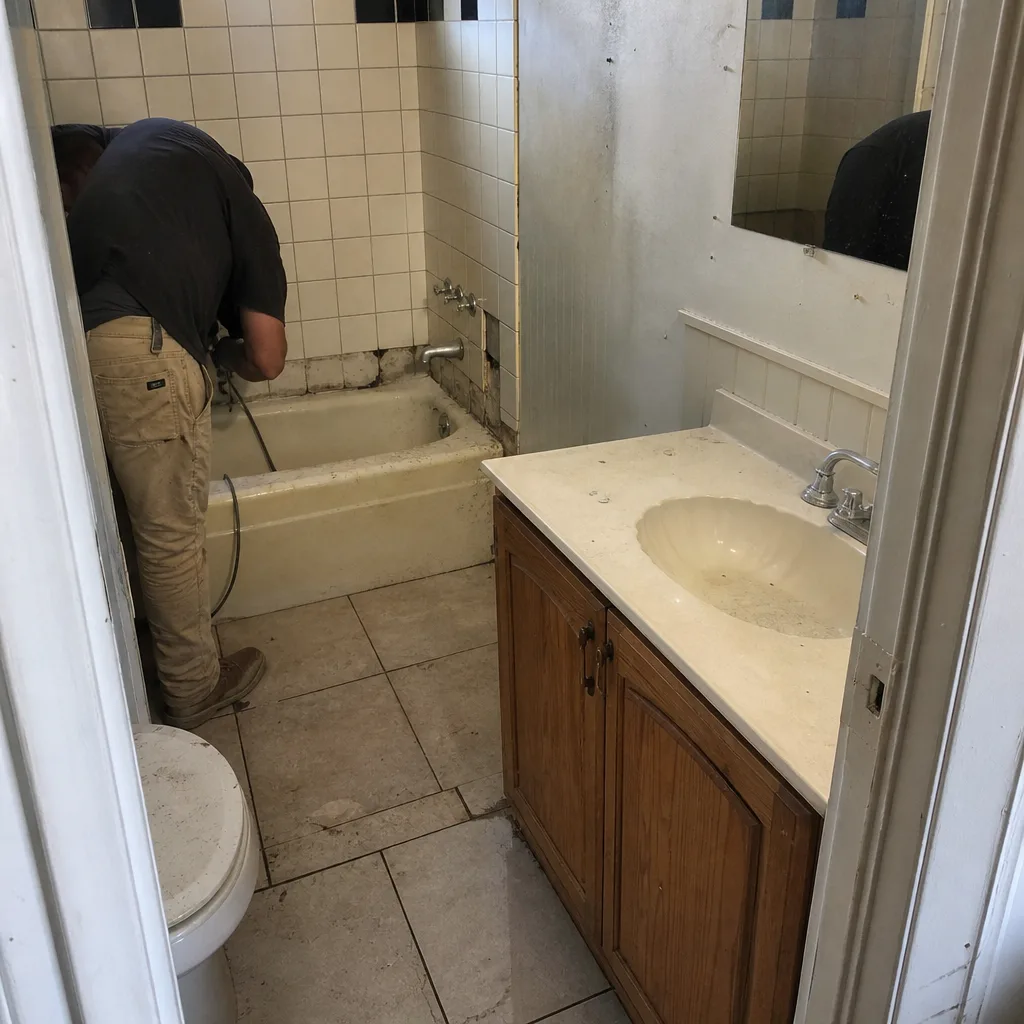 Before
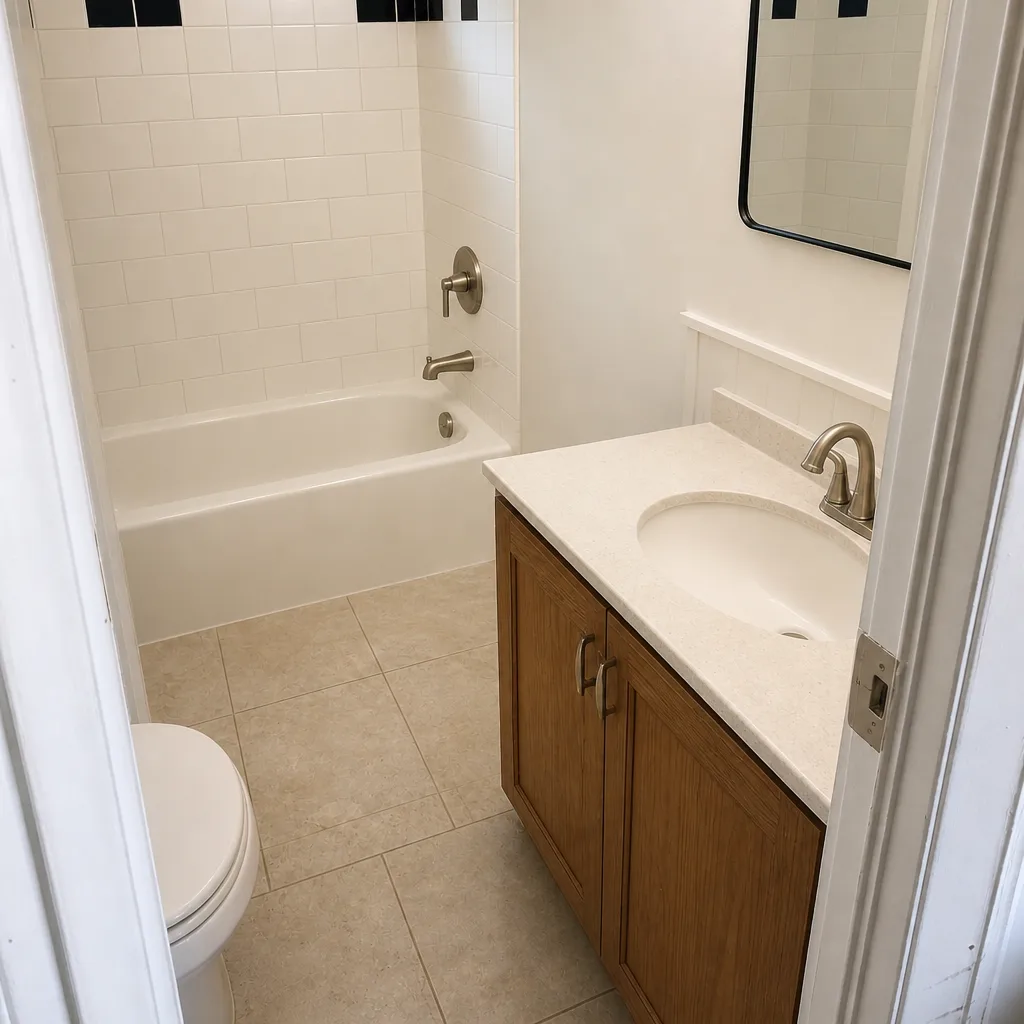 After
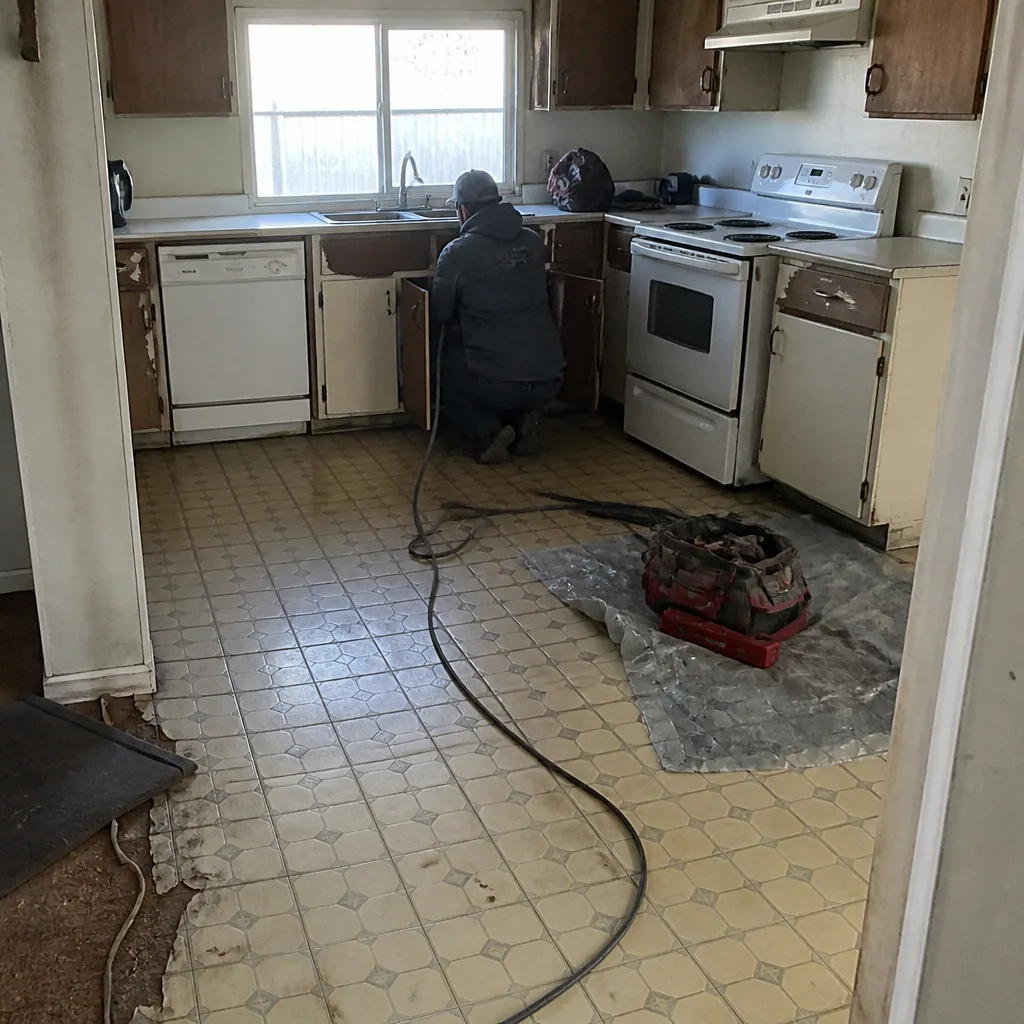 Before
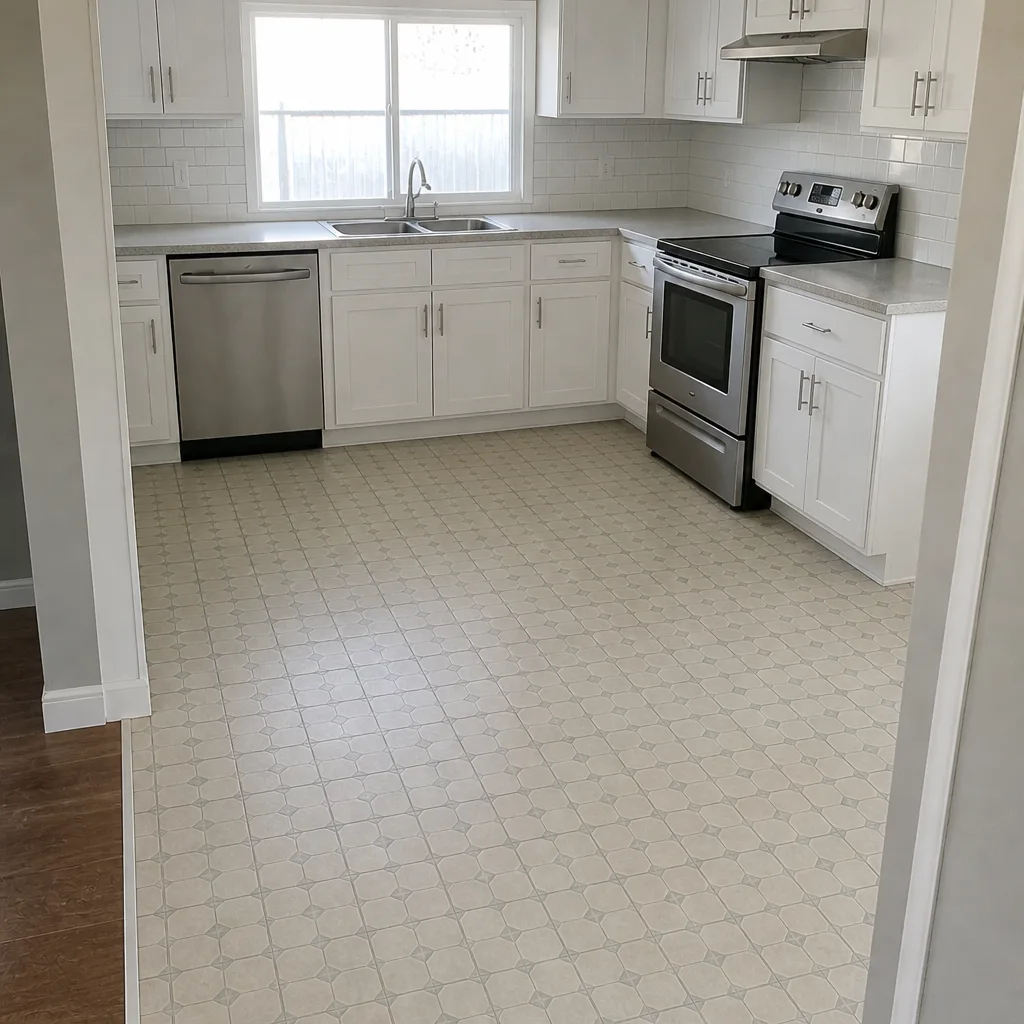 After
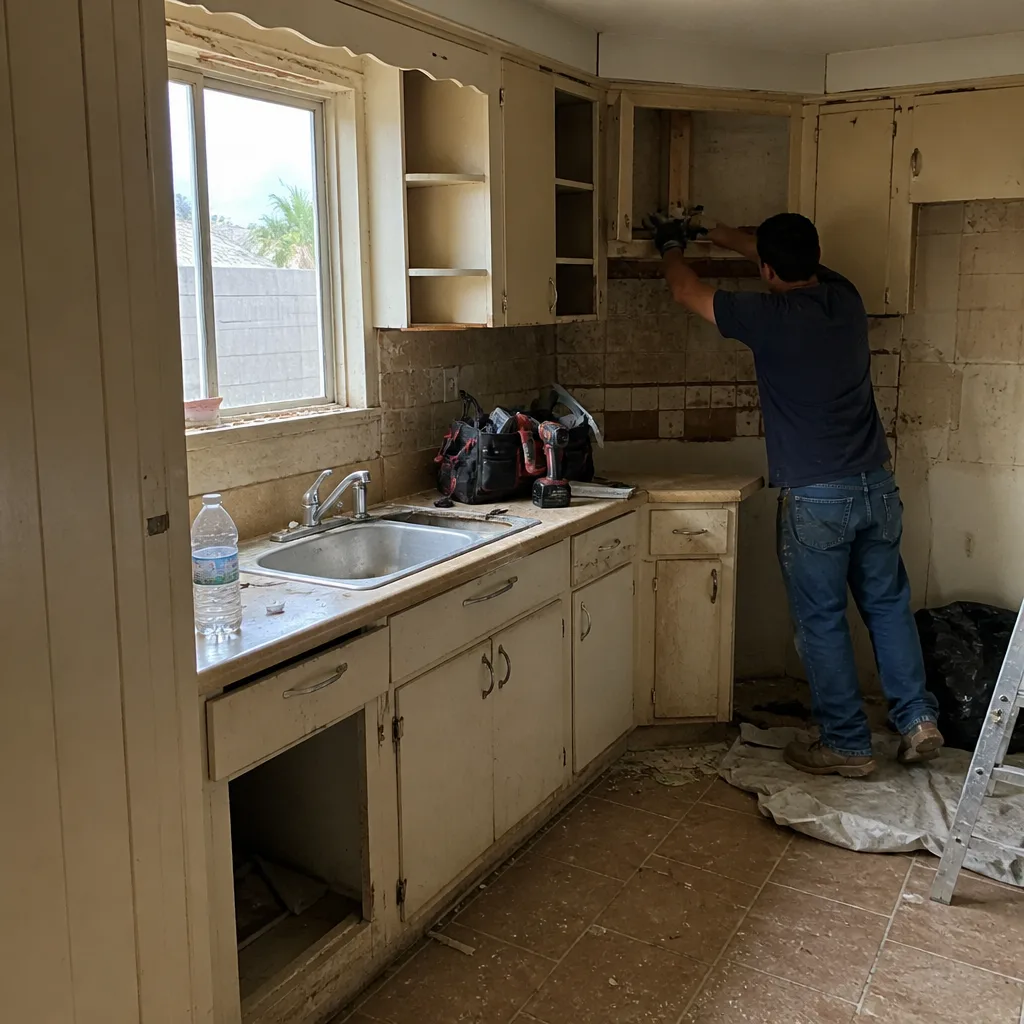 Before
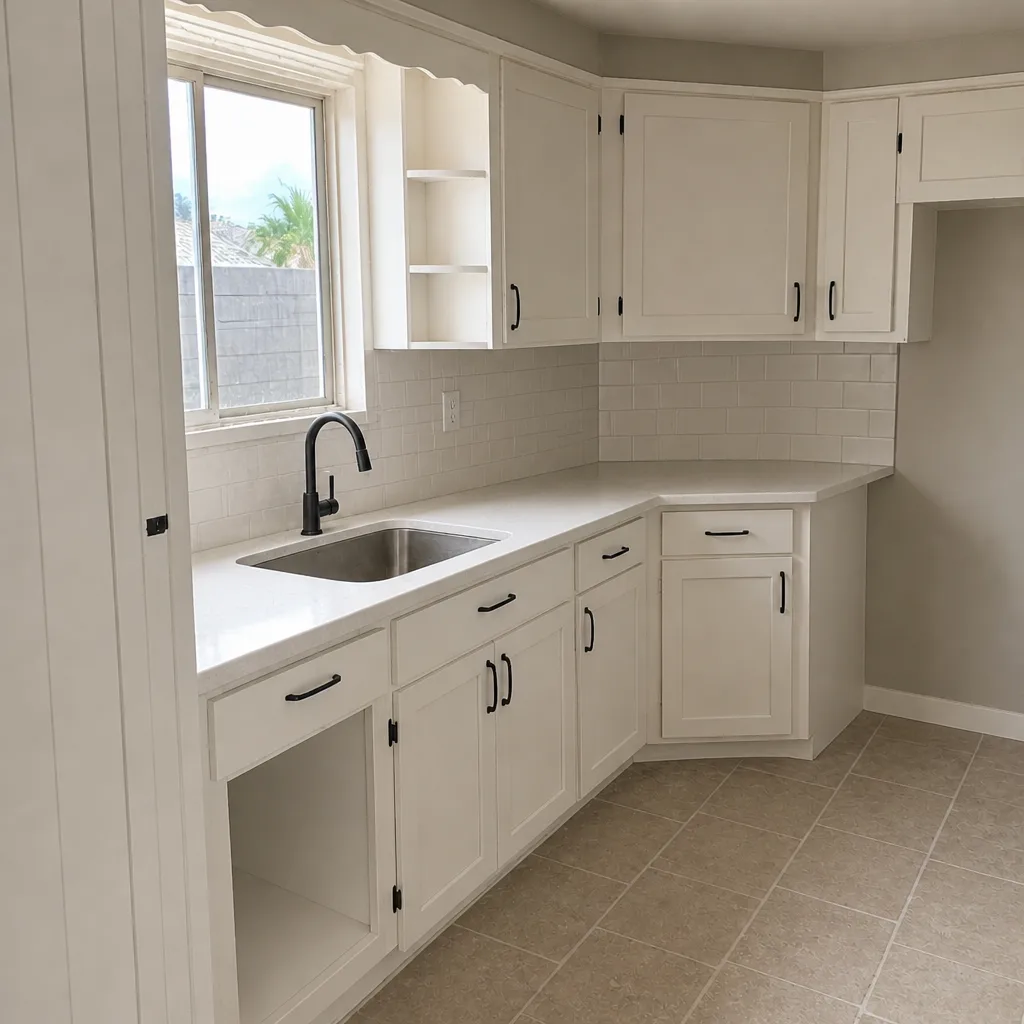 After
When to Call a Professional
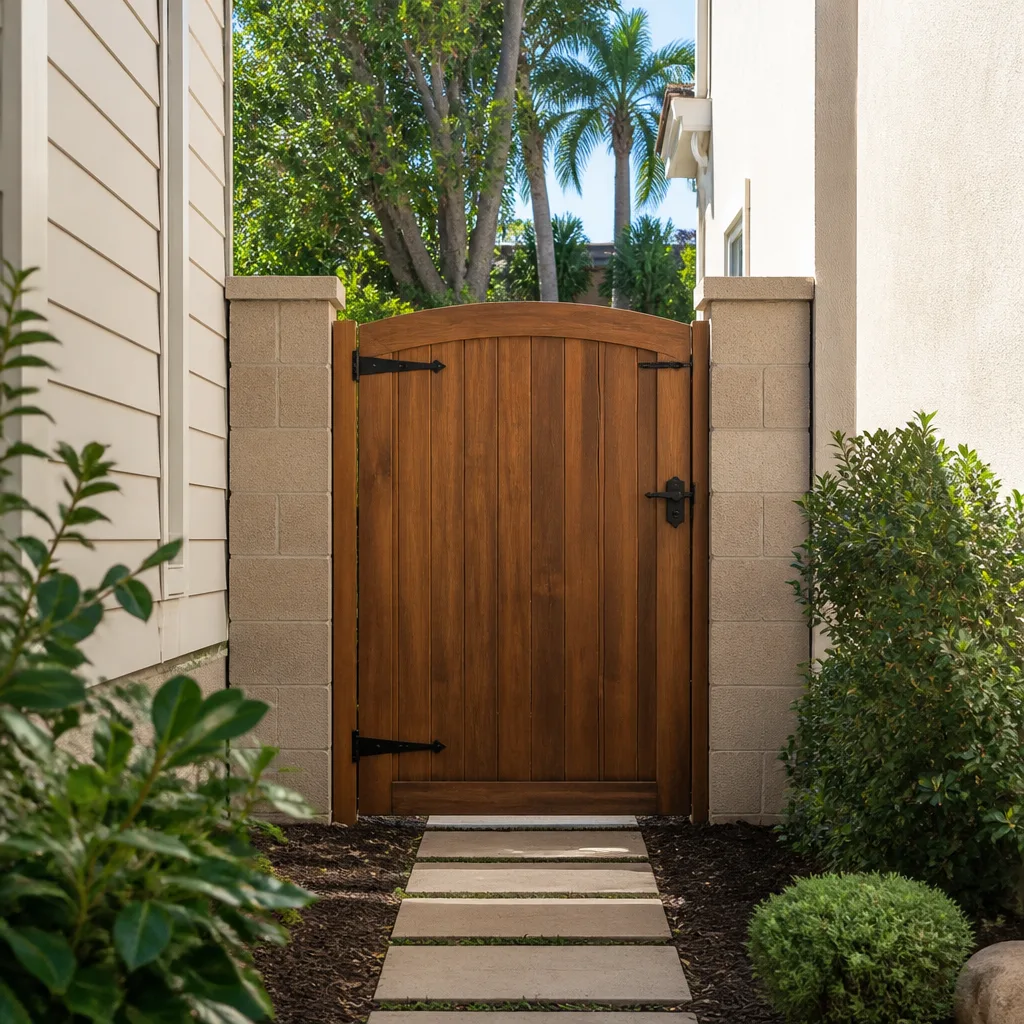
There are certain scenarios where attempting to fix or finish a fence installation is genuinely dangerous or guarantees a worse outcome. Call a professional immediately if:
- A post hole has hit a gas or water line and you’re uncertain what’s been cut.
- You’ve been asked to sign a contract with a deposit above 40% before materials are on-site.
- Your fence is visibly leaning more than a few inches within the first year.
- A gate has become physically hard to operate or is dragging on the ground.
- A contractor has offered a worked solution to pull permits after the fact that feels rushed or incomplete.
Groundwork Construction Co. of Mesquite offers free estimates in Mesquite. We provide written, itemized scopes with brand-specific materials and post specs, and every project is covered by our 730-Day Done Right Promise – if the workmanship fails, we make it right. Our calls are answered by a live person 24/7, and our technicians are background-checked and arrive in uniform. If you want an exact comparison against the bid you’re holding, call (888) 413-6358.
Frequently Asked Questions
Fence installation in Mesquite typically runs $28-$52 per linear foot for standard residential materials, depending on material class (vinyl, composite, wood, metal) and site conditions. A 150-foot fence usually lands between $4,200 and $7,800 installed, including materials and labor. Premium composite and metal installations run higher. Call (888) 413-6358 for an exact quote based on your specific property – estimates are free.
Fence posts in Mesquite should be set at a minimum of 36 inches deep for standard 6-foot residential fence, with a post hole diameter of at least 3 times the post width. Taller fences (7-8 feet) or gate posts may need deeper footings. We also specify gravel drainage at the base and 4,000 PSI or higher concrete to account for our wind exposure and clay-heavy soil. If a contractor can’t name these specs, that’s your warning sign.
A properly written fence contract doesn’t change price after work starts unless you change the scope. Change orders should only happen for material upgrades, unexpected site conditions you approve in writing, or additions you request. At Groundwork, we use no-hassle upfront pricing, no surprises – the number on the estimate is the number on the invoice unless you’ve altered the job. Call (888) 413-6358 to see what a written, spec-by-spec estimate looks like.
Yes, when a permit is required for your specific property, the local pro we connect you with pulls it. Fence permit requirements in Mesquite vary by height, setback from property lines, and whether the fence is on a street-facing boundary. We confirm the requirements for your specific installation and pull the permit before any digging begins. A contractor who won’t confirm permit requirements for your property is a compliance risk.
A standard residential fence installation takes 1-3 days for most properties, depending on linear footage and material choice. Post setting requires one day, and panels are hung the following day or the day after to allow footings to cure properly. If a contractor quotes a same-day install for a full fence, they’re skipping cure time and your fence will pay for it. Call (888) 413-6358 for an honest timeline based on your specific property.
Post wobble is the earliest sign of a bad fence installation. Grab each post and put your weight against it. A properly set post will not move. A post that wobbles means the footing is failing or was never adequate, and this is the single most common failure we see when called to assess a fence installed by another contractor in Mesquite. Visible leaning follows within the first season if the footing is wrong.
A deposit is normal, but 30-40% of the total before materials arrive on-site is the maximum. A larger deposit before materials exist is the most common signal that a contractor is using your money to finish someone else’s job. Ask for a written payment schedule tied to milestones – deposit for materials, mid-job completion, and final walkthrough – before you sign. Call (888) 413-6358 for a written payment schedule you can review before any money moves.
Why does my new fence rust at the base within months?
Rust at the base of metal fence posts within a few months usually means one of two things: the material is lower-grade than specified, or the post base is collecting water because gravel drainage wasn’t installed at the bottom of the post hole. Once rust staining appears at the base, the post is already compromised and will need replacement within a few years. Call (888) 413-6358 for an assessment if you’re seeing rust staining on a fence installed recently.
The Bottom Line

The worst fence contractors don’t show up waving red flags. They show up with a competitive price, a clear-sounding promise, and a scope that doesn’t specify what they’re actually going to do. The homeowner who reads the signals – vague scope, no site visit, no utility locating, oversized deposit, no permit discussion – saves themselves from the ones who don’t. In Mesquite’s wind exposure, the post-hole depth and concrete spec are the single biggest determinants of how a fence performs over 10-15 years. Get them in writing, watch the install, and check for wobble within the first week of completion. When you want a professional assessment or a spec-by-spec estimate, Groundwork is one call away.
Whether you’re planning a fence, a Home Additions & ADU in Mesquite, or a full-property exterior upgrade, Groundwork Construction Co. of Mesquite holds every project to the same standard: upfront pricing, no surprises, background-checked and uniformed technicians, live-person phone coverage 24/7, and the 730-Day Done Right Promise behind every job. Start at the Groundwork Construction Co. of Mesquite home page, or call us directly for a free estimate. Calls are answered by a live person around the clock – no voicemail black holes, no waiting until Monday. Call (888) 413-6358 to schedule your free estimate today.
Written by the team at Groundwork Construction Co. of Mesquite.