Last updated November 18, 2026



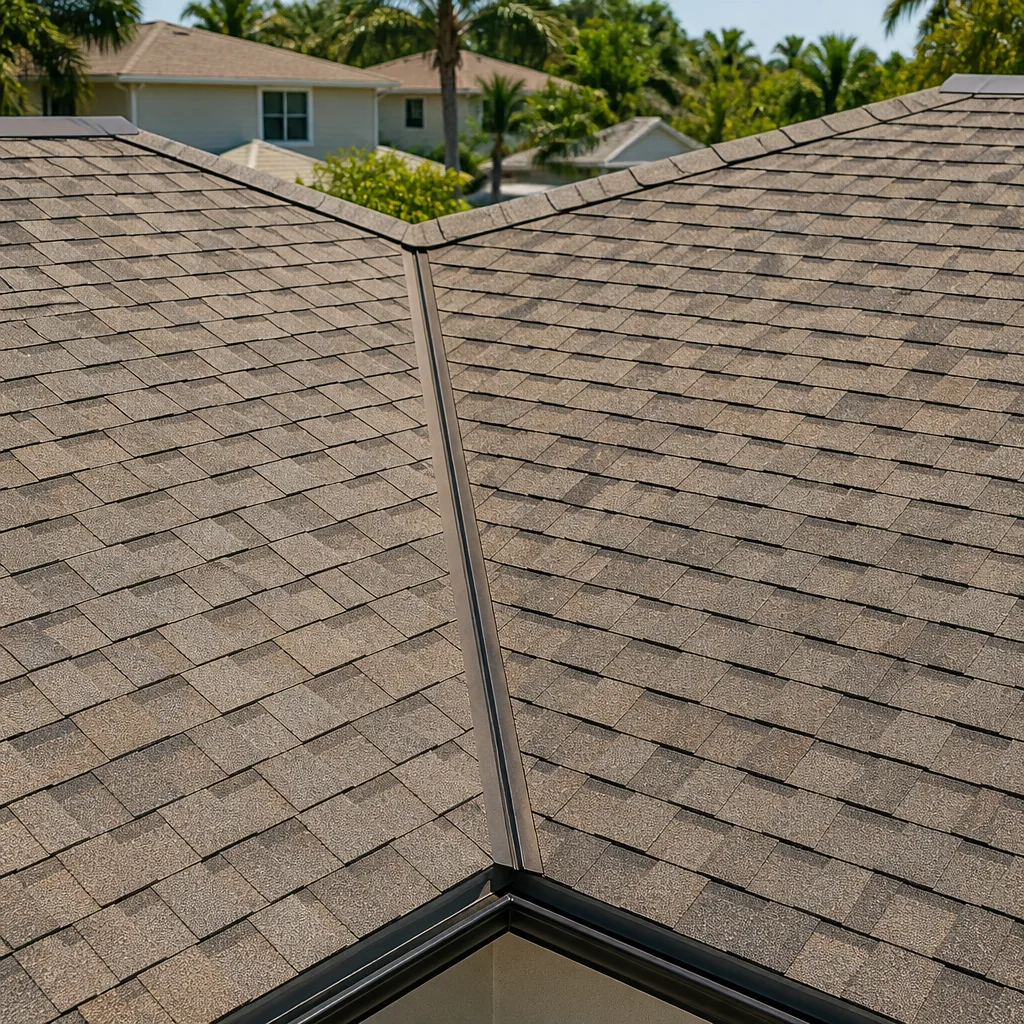
Free written scope consultation - allowances, timeline, and change-order rules on paper before a single trade is scheduled
Home Additions & ADU Troubleshooting: Common Problems and How to Fix Them
The call we get most often after an addition project isn’t about a collapsed roof or a foundation that split open. It’s quieter than that. It’s the homeowner in Mesquite who says the new primary suite feels like it sits in a different climate than the rest of the house, where the HVAC runs around the clock in July and never quite catches up, where one bedroom costs three times as much to cool as the room directly across the hall. That slow-burn failure is the thermal envelope never being properly tied to the existing structure, and it’s the single most common and most expensive-to-ignore problem we see. This guide covers how to spot those quiet failures early, which ones you can handle yourself, and which ones need a licensed pro back on site.
Quick Answer
Most home addition and ADU problems trace back to four areas: the structural connection where new meets old, the HVAC system sizing and duct design, the electrical and plumbing tie-ins, and ADU-specific requirements like metering, sound separation, and fire code. The fix depends on whether the problem is cosmetic (patch and paint), systemic (requires the original contractor back under warranty), or code-related (needs an independent inspection first). Catching a thermal envelope gap or a settling crack at month two costs hundreds; catching it at year two costs thousands.
Styles & brands we work with
- Kitchen remodeling
- Bathroom remodeling
- Home additions & ADU
- Roofing
- Windows & doors
- Driveway & pavers
- Fence
Table of Contents
- Structural Problems at the Connection Point
- HVAC Troubleshooting for Additions
- Electrical and Plumbing Red Flags
- ADU-Specific Problems
- Moisture, Thermal Envelope & Desert Climate Issues
- DIY vs. Warranty vs. Independent Inspection
- Common Mistakes to Avoid
- Frequently Asked Questions
Structural Problems at the Connection Point
The joint where a new addition meets the original house is where almost every structural problem announces itself, and in Mesquite’s expansive clay soils, it announces itself loudly. Mesquite sits on soil that swells when wet and shrinks hard when dry, and our monsoon season followed by months of dry heat creates exactly the cycling that punishes a poorly tied-in addition. The new wing and the old house settle at different rates. That differential settling shows up as hairline cracks at the ceiling joint, doors that stick only in summer, and a visible seam at the exterior wall.
Three failure modes dominate at that connection:
- Differential settling. A new foundation on fresh footings settles at a different rate than a house that’s been in place for years. Cracks that run diagonally from the corner of a door or window frame usually point to settling, not cosmetic shrinkage.
- Flashing failures. The roof-to-wall transition where the addition’s roofline meets the existing house is the number one moisture entry point. If the flashing wasn’t stepped and counter-flashed correctly, water gets behind the siding and shows up as a stain on the interior ceiling weeks later.
- Wall tie-in gaps. The structural connection between the new framing and the old wall has to be mechanically fastened and sheathed continuously. Gaps here let in air, moisture, and pests, and they undermine the whole thermal envelope.
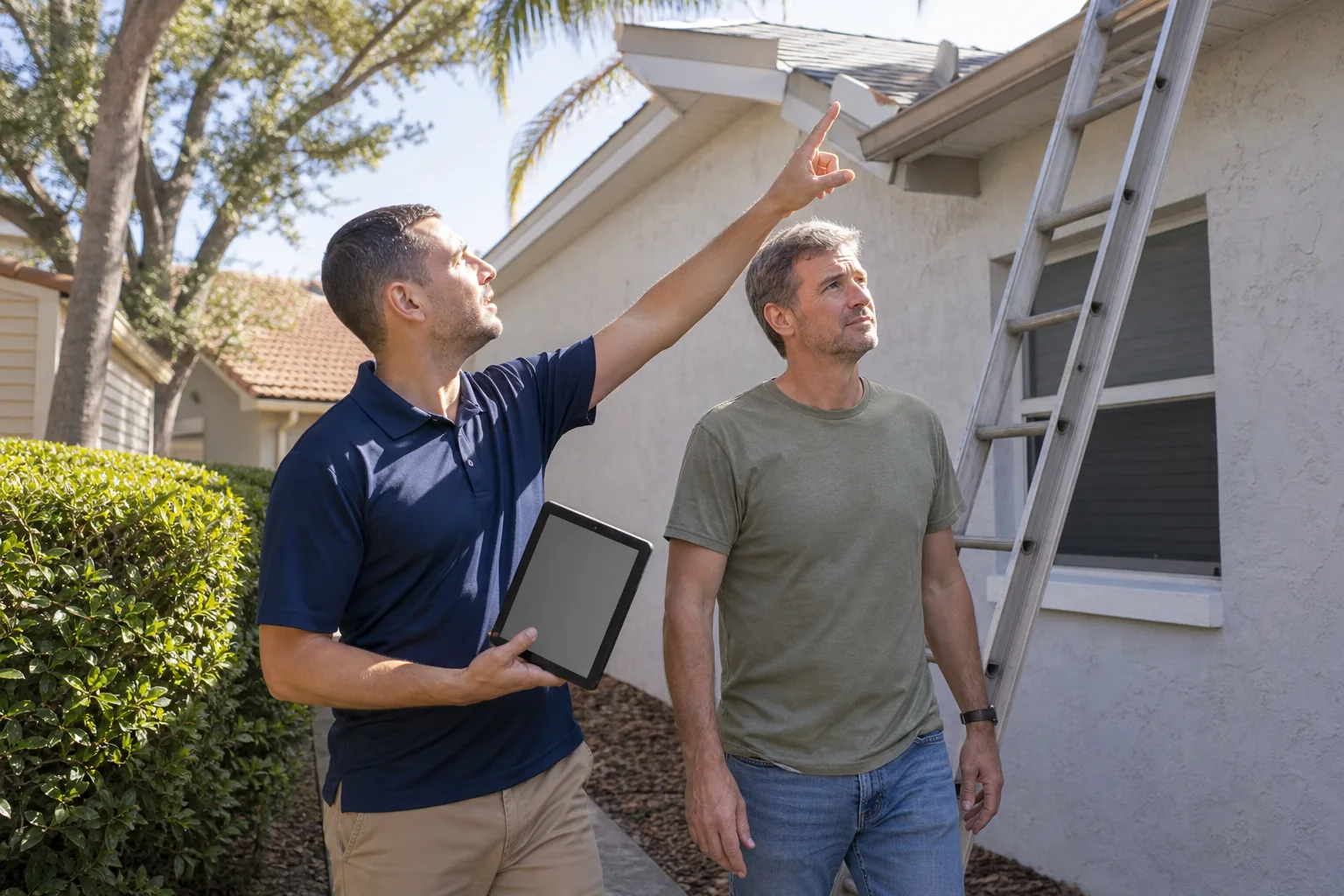
What to check without tearing anything open: walk the exterior at the roofline and look for gaps, lifted flashing, or caulk that’s pulling away. Inside, look for cracks wider than a credit card edge, moisture staining on ceilings near the connection, and any door or window in the new space that binds seasonally. A crack that’s hairline and stable is one thing. A crack that’s widening is a settling problem that needs an engineer’s eyes, not a tube of caulk.
For homeowners planning a build in the first place, the structural connection is where a full-scope contractor proves their value. Groundwork Construction Co. of Mesquite builds Home Additions & ADU in Mesquite with the connection details engineered and inspected before the drywall goes up, because that’s the one place you can never fully fix later.
HVAC Troubleshooting for Additions
Here’s the problem we diagnose most often in Mesquite additions: the contractor “extended” the existing HVAC system by tapping a new duct run off the main trunk, and the addition is either freezing or roasting depending on the season. The existing equipment was sized for the original square footage. Add 400 to 800 square feet of new conditioned space and that equipment is now undersized, the static pressure is wrong, and the new room gets whatever airflow is left over after the rest of the house takes its share.
The proper approach is a Manual J load calculation on the whole house plus the addition, followed by Manual D duct design that sizes every run and the return air correctly. Skipping that recalculation is the single most common HVAC mistake on additions, and it’s the reason a new room runs hot in summer and cold in winter no matter what the thermostat says.
Signs your addition’s HVAC is wrong:
- The new room never reaches the thermostat setpoint while the rest of the house is fine.
- The system runs constantly in summer and still can’t keep up.
- You hear whistling at the new registers (high static pressure, undersized ducts).
- The addition has no dedicated return air, so it pressurizes and pushes conditioned air out through gaps.
- New supply registers are on an exterior wall blowing against a sun-baked window rather than across the room.
The fix depends on severity. Sometimes a dedicated mini-split in the addition is the cleanest answer, especially for a bonus room or a detached ADU. Sometimes the existing system needs a larger air handler and rebalanced ducts. Rarely, the whole thing needs redesigning. In a Mesquite summer where afternoon temperatures push past 110°F, an addition with wrong HVAC math isn’t just uncomfortable; it’s a health issue for anyone who lives in that room.
- Ask the contractor for the Manual J load calculation and the Manual D duct design. If they can’t produce them, the system wasn’t designed, it was guessed.
- Measure the temperature difference between the addition and the main house on a hot afternoon. More than 4 to 5 degrees is a red flag.
- Check that the addition has both supply and return air properly sized to its square footage.
- Have a licensed HVAC tech verify static pressure and airflow at the new registers.
Electrical and Plumbing Red Flags
Electrical and plumbing problems in a finished addition often hide behind drywall for a year before they surface, and by then the fix is expensive. In Mesquite additions we’ve seen all three of the following patterns, and each has a specific tell.
Breakers tripping under normal load. If the breaker for the new addition trips when you run the microwave and the space heater at the same time, the circuit was either undersized or too many loads were landed on one breaker. A dedicated circuit for the addition’s major appliances isn’t optional; it’s code. Frequent nuisance tripping is your cue to have an electrician map the panel and check the load, not to swap the breaker for a bigger one.
Slow drains on new plumbing. A drain that gurgles or empties slowly in new construction almost always means the drain-waste-vent (DWV) pipe was run at the wrong slope, or the vent is undersized or missing. Proper slope is a quarter-inch per foot. If you can see a horizontal run in the crawlspace or attic, that slope is checkable with a level. A slow drain that persists after snaking is a slope problem, and slope problems get worse.
GFCIs that nuisance-trip. The most common culprit is a shared neutral tied across two circuits, or a ground-fault issue from moisture in an exterior-rated outlet near the addition’s exterior wall. GFCIs protecting kitchen and bath circuits are required by code, and they should not trip during normal use. Repeated tripping means a wiring fault, and it needs an electrician, not a replacement GFCI.
Every electrical and plumbing item in a properly built addition should be permitted, inspected, and documented. If your Mesquite addition passed final inspection but you have any of these symptoms, get the inspection record and a second set of eyes. An electrical panel is not a DIY item. Neither is a gas line or a DWV rough-in. Call a licensed tradesperson for these, always.
ADU-Specific Problems
Accessory dwelling units in Mesquite bring their own troubleshooting list, and these problems are different from a simple room addition because an ADU is a second dwelling. That means it must function as an independent home with its own utilities, its own fire separation from the main house, and enough sound isolation that two households can live a wall apart without hating each other. Three failures come up repeatedly.
Utility metering issues. A common shortcut is tapping the ADU into the main house’s electrical meter and water line rather than installing separate metering. That works for a guest suite. It causes problems when the ADU is rented, because neither party can fairly split the bill, and some municipalities require separate metering for a legally rentable unit. Check what your local jurisdiction requires before the walls close up. In a Mesquite ADU intended for rental income, separate meters are worth the upfront cost.
Soundproofing failures. The between-unit wall or floor needs an insulated, resilient-channel, double-layer assembly to actually quiet two households. A single stud wall with batt insulation is better than nothing, but it won’t stop TV noise or a washing machine cycle on spin. If you’re already living with a noise problem, the practical fixes are adding a second layer of drywall with a damping compound, or adding insulation inside the wall cavity if the wall is open.
Fire separation compliance. An attached ADU needs a fire-rated separation assembly between the units. Inspectors sometimes sign off on a wall that meets the letter of the rating but was installed wrong (gaps at the top plate, penetrations that weren’t sealed with fire caulk). If you’re buying or inspecting a home with an existing ADU, ask to see the assembly documentation. If it’s missing, an independent inspector can verify the rating without opening the wall in most cases.
- Confirm metering before you finish the ADU. Separate electric and water meters matter for rentals.
- Verify fire separation at every penetrations point: plumbing, electrical, duct chases.
- Test sound by standing in one unit while the other runs a shower. If you can hear it clearly, the assembly is thin.
- Check egress from both units. Every sleeping room needs a code-compliant exit.
Moisture, Thermal Envelope & Desert Climate Issues
The thermal envelope is where the addition connects to the existing house, and in Mesquite’s climate that connection has to be airtight. Mesquite runs hot and dry most of the year, then swings hard during monsoon season with sudden moisture events. An addition with a misaligned vapor barrier or a thermal break at the connection point does two things wrong at once: it lets in moisture when it rains, and it lets out cooled air all summer. The result is a room that costs three times as much to condition and starts showing moisture staining along the shared wall.
What to look for:
- Ceiling stains along the connection wall after a rain event. That’s water getting behind the flashing, not condensation.
- Draft at the base of the shared wall on a windy day. Feel along the baseboard with a lit incense or a thermal gun. A draft means the air sealing at the connection was never completed.
- Condensation on the inside of windows or on the wall itself in the new room, especially in winter, which points to poor insulation or vapor barrier placement.
- Rusty nails or fastener heads inside the addition near the shared wall, which means moisture is present inside the wall cavity.
Groundwork installs window and door systems from proven manufacturers like ViewLux and Andersen in Mesquite additions specifically because the desert air-conditioning load makes glazing performance non-negotiable. The window that’s fine on a shaded north wall isn’t fine on a west-facing addition wall that gets six hours of afternoon sun.
For the exterior hardscape around an addition, keep grading and drainage working away from the structure. A poorly sloped driveway that pushes water toward the new foundation will undermine the addition’s moisture control. If your home addition project is paired with a new driveway or hardscape, ground the Driveway & Pavers in Mesquite work to a slope that drains away from the house, and use durable fencing products from Barrette or Master Halco to close the site without leaving gaps that let water sit against the new exterior.
DIY vs. Warranty vs. Independent Inspection
Not every problem after an addition needs the same response, and guessing wrong costs you money. Here’s the decision framework we use when a Mesquite homeowner calls us about a post-completion issue.
DIY-fixable: cosmetic issues only. Hairline crack in drywall you can patch and paint. A door that’s out of adjustment. Loose trim. Caulk that’s dried and needs replacing. Small, surface-level problems where the fix is straightforward and the failure is stable.
Call the original contractor under warranty: any problem that traces to a workmanship or material defect in the work they did. If the addition was completed within the warranty window and the issue is a thermal envelope gap, a leaking flashing, an HVAC system that doesn’t meet the original scope, or a settling crack that’s widening, that’s their responsibility. Put the request in writing and describe the specific location and symptom. Take photos with timestamps. Give them a reasonable window to respond.
Get an independent inspection first: if the contractor denies responsibility, if the warranty window has passed, if there are safety implications (electrical fault, gas line, structural settling), or if you’re buying a home with an existing addition or ADU. A third-party, licensed inspector produces a written report that becomes the basis for a demand letter, a repair decision, or a negotiation. Never skip this step if a contractor has already told you the problem is “normal.”
- Document the symptom with photos and a written description dated to the day.
- Determine the category. Cosmetic vs. systemic vs. safety.
- Contact the contractor for any systemic issue within warranty.
- Get a second opinion if the answer doesn’t hold up or if the safety category is involved.
- Decide on repair only after the cause is clearly identified, not just the symptom.
The worst outcome is patching a symptom without diagnosing the cause. A ceiling stain that’s patched and painted without fixing the flashing will be back next monsoon season, and by then the moisture damage is worse.
Common Mistakes to Avoid
- Skipping the Manual J load calculation. Extending the existing HVAC onto a new addition without a full load calculation is the number-one HVAC mistake. The equipment wasn’t sized for the new space, and the addition gets what’s left.
- Caulking over a structural crack. A hairline crack that’s stable can be patched. A crack that’s widening is a settling problem, and caulk hides it while the foundation movement continues underneath.
- Not asking for the inspection record. Every permitted addition in Mesquite should have an inspection history. Skip it, and you may find the fire separation or DWV slope was signed off without actually being right.
- Waiting until year two to report a problem. Report any post-completion issue inside the warranty window in writing. Waiting until you’re sure it’s serious often means the warranty has already transitioned to a harder conversation.
- Assuming the ADU can be rented with a shared meter. In many jurisdictions the ADU needs separate metering to be a legal rental. Verify this before finishing the build, not after a tenant moves in.
- Putting a west-facing glazed addition on cheap windows. A west wall in Mesquite summer sun is brutal on glass. The window that’s fine on the shaded side will drive up cooling costs and fail early on the west side.
- Treating the roof tie-in as a spot repair. The flashing where the addition roof meets the original house is a system, not a caulk line. One tube of sealant over a failed step flashing buys you a month.
See the difference
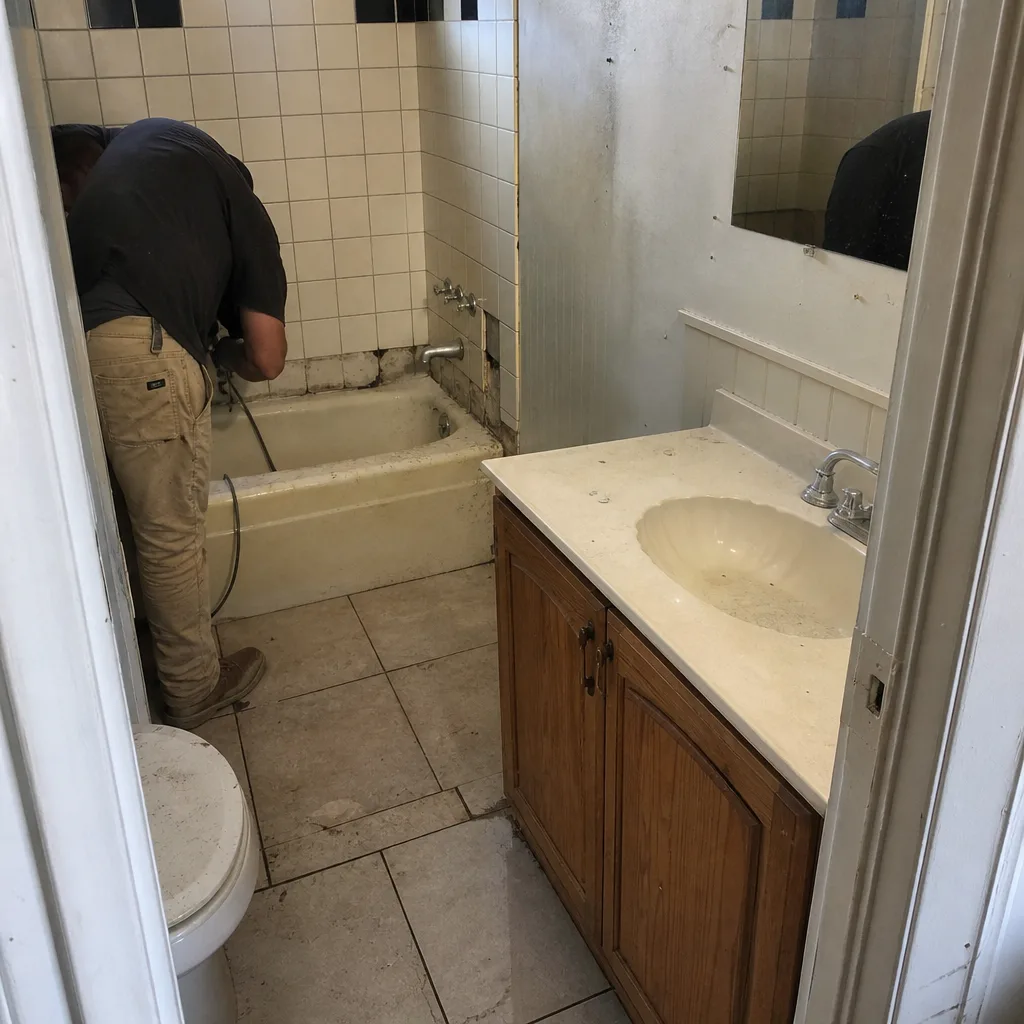 Before
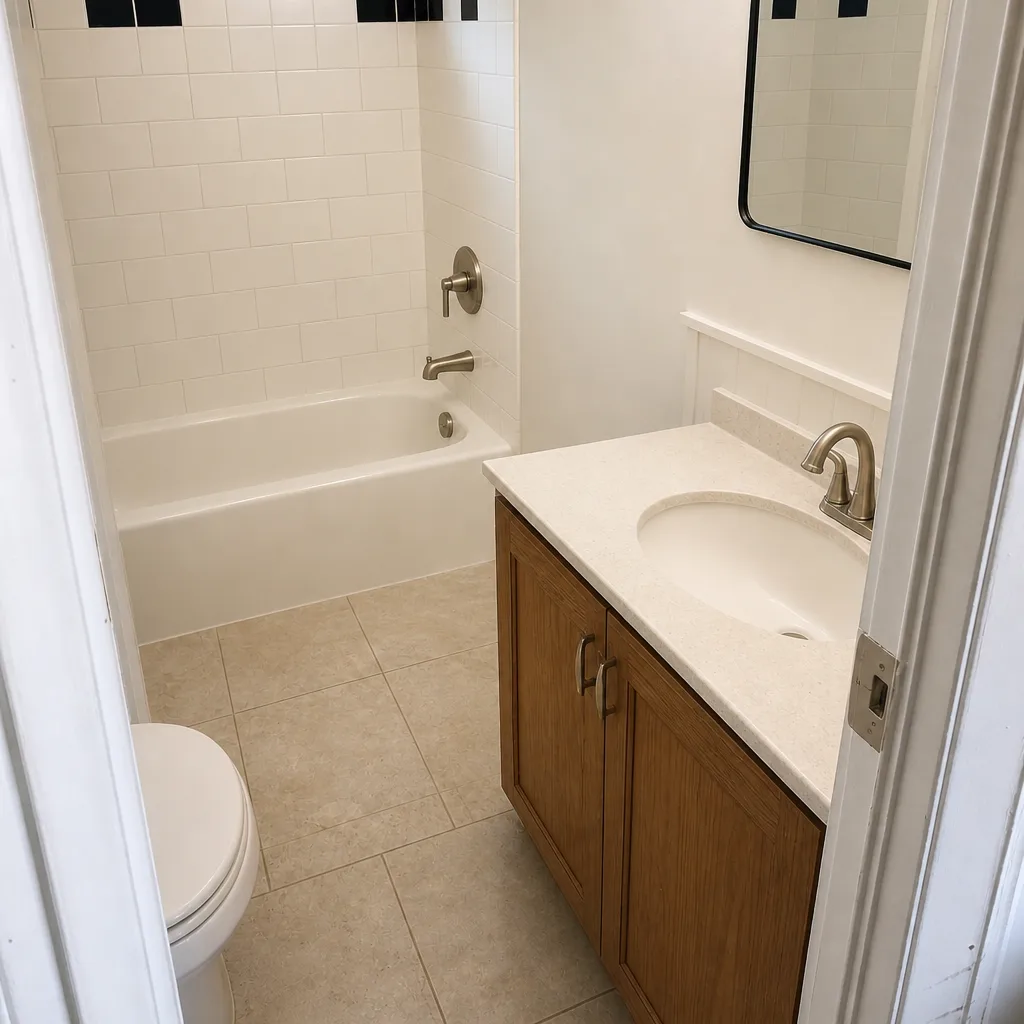 After
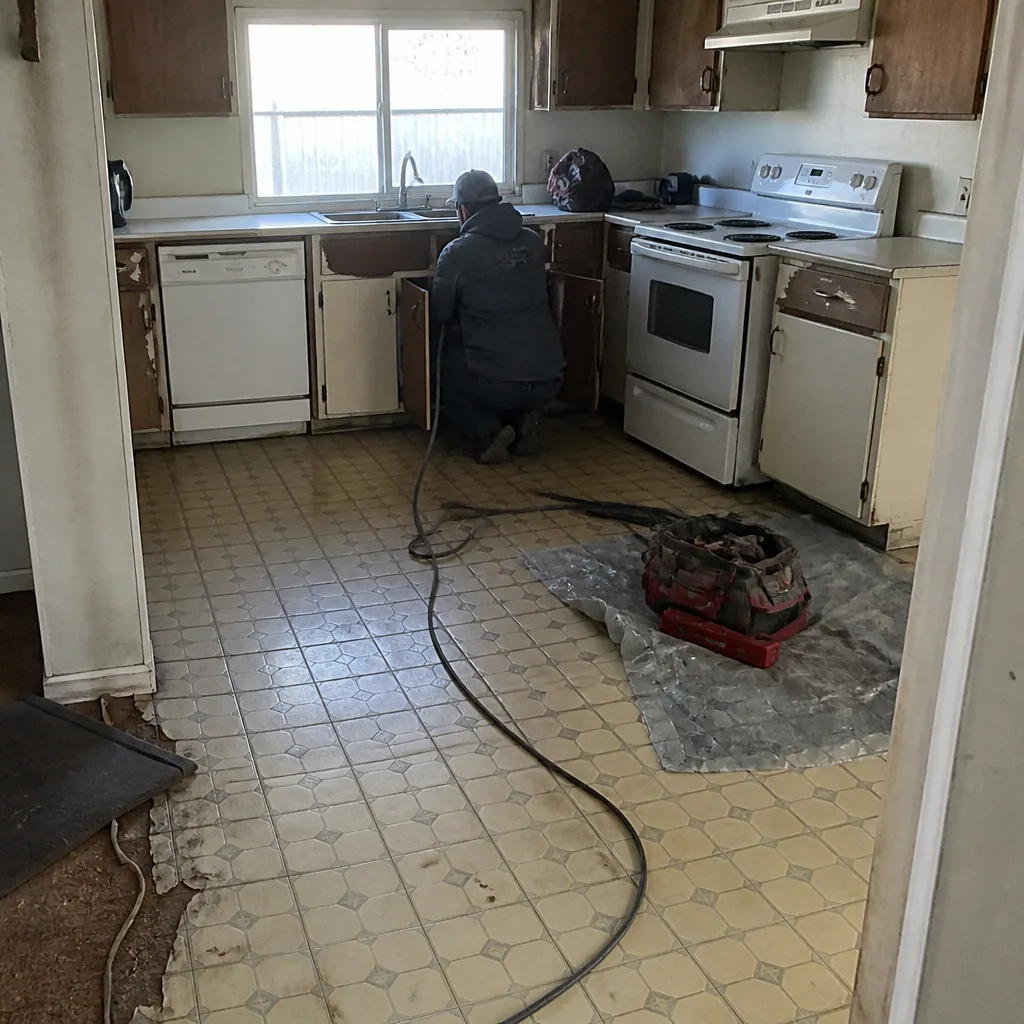 Before
 After
 Before
 After
When to Call a Professional

Some problems are cosmetic and some are safety issues, and the line between them matters. Call a licensed professional immediately if you see a widening crack at the connection point, a ceiling stain that grows after rain, a breaker that won’t reset, a burning smell at an outlet or panel, a slow drain backed by water pooling anywhere, or any evidence of a fire separation failure in an ADU. Do not attempt to open a wall to inspect a fire-rated assembly or a DWV line yourself. Do not replace a breaker with a larger one. Do not re-caulk flashing that’s already failing. For any of these, an independent inspection is the next step. Groundwork Construction Co. of Mesquite offers free estimates and design consults for homeowners who need the repair done right and backed in writing. Call (888) 413-6358, and a live person answers around the clock.
For surrounding exterior work that pair with an addition, our team handles Fence Installation in Mesquite using durable materials from ViewLux and Ameristar, and the full scope of exterior and structural work across the region from our Groundwork Construction Co. of Mesquite home base. Every project is covered by the 730-Day Done Right Promise, one of the longest workmanship guarantees in residential construction.
Frequently Asked Questions
Repairs to air seal and insulate the connection point between an addition and the existing house typically run $1,200 to $4,500 in Mesquite, depending on how much wall has to be opened to access the gap. If the flashing has failed and moisture has entered the wall cavity, expect to add $800 to $2,500 for moisture remediation and structural repair. Call (888) 413-6358 for a free estimate, and ask for a written line-item quote before any work starts.
Almost always because the existing HVAC equipment was sized for the original house and the new square footage was added without a Manual J load calculation or Manual D duct design. The equipment is now undersized and the new room gets leftover airflow. The fix is a load calculation on the combined house and addition, followed by rebalancing or a dedicated system for the new space. Call (888) 413-6358 to schedule an assessment.
They should, if the issue traces to a workmanship or material defect and you’re inside the warranty window. Document the issue with photos and a written description, send the request in writing, and give them a reasonable response window. If they deny responsibility or don’t respond, get an independent inspection to create a formal record. Groundwork’s 730-Day Done Right Promise means if it’s not done right, we make it right, and that coverage applies to the full scope of the project.
It depends on the jurisdiction and on whether the ADU will be rented. Some municipalities require separate electric and water metering for a legally rentable ADU, and some allow shared metering with a written cost-sharing agreement. Verify with the local permitting authority before construction reaches the rough-in stage. Retrofitting separate meters after the unit is finished is expensive. Call (888) 413-6358 for an estimate on a compliant ADU build.
Interior ceiling stains near where the addition roofline meets the original house, especially after rain. Outside, look for lifted flashing, separated caulk at the counter-flashing, or a visible gap where the new roof plane meets the existing wall. Those are water entry points and they escalate with every rain event. Call (888) 413-6358 for a free estimate on the fix before the moisture spreads further.
Cosmetic fixes only: patching a stable hairline crack, adjusting a sticking door, replacing dried caulk. Anything structural, electrical, plumbing, gas, or fire-separation related needs a licensed trade. That includes breaker trips, slow drains, GFCI nuisance-tripping, widening cracks, moisture intrusion, and HVAC sizing problems. When in doubt, call (888) 413-6358 and get a professional eye on it before it grows.
The Bottom Line
Home addition and ADU problems rarely announce themselves with a dramatic failure. They whisper through a hairline crack that keeps widening, a ceiling stain that grows after each rain, an HVAC system that runs all summer and never quite catches up. The cost difference between catching a thermal envelope gap at month two and catching it at year two is enormous, and the same is true for a flashing failure, a DWV slope problem, and a fire separation issue. Document everything, know which category your problem falls in, and get an independent inspection whenever safety is on the line. Groundwork Construction Co. of Mesquite stands behind every project with the 730-Day Done Right Promise, and we answer the phone 24 hours a day with a live person. Call (888) 413-6358 to schedule your free estimate and design consult for any addition or ADU repair in Mesquite.
Written by the team at Groundwork Construction Co. of Mesquite.