Last updated November 18, 2026
Free written scope consultation - allowances, timeline, and change-order rules on paper before a single trade is scheduled
DIY vs Professional Home Additions & ADU: What’s Safe to Do Yourself
Here’s a scenario we’ve watched play out more than once in Mesquite. A homeowner builds a tidy, well-meaning addition or garage conversion over a couple of weekends. It looks great. Then, years later, a buyer’s lender asks for the permit records, the appraisal stalls, and the county says the unpermitted portion has to come out before the sale can close. In Nevada, that isn’t a fine you pay and move past – it can mean demolition of the very work you funded. That’s the part DIY videos skip. This guide draws the line between what’s genuinely safe to do yourself and what legally requires a licensed contractor, judged on code, liability, and resale – not just whether you’re handy with a nail gun.
Quick Answer
Painting, trim, cabinet hardware, some tile work, and landscaping around the new structure are safe and legal to do yourself. Structural framing beyond minor repairs, electrical panel work, gas line extensions, and any load-bearing modification are not – Nevada requires licensed contractors for those scopes, and unpermitted work can void your insurance and block a future sale. Everything in between gets decided by permits and inspection, not skill alone. Call (888) 413-6358 for a free estimate if you want a straight read on your project.
Styles & brands we work with
- Kitchen remodeling
- Bathroom remodeling
- Home additions & ADU
- Roofing
- Windows & doors
- Driveway & pavers
- Fence
Table of Contents
- Where the Line Actually Falls in Nevada
- What Legally Requires a Licensed Contractor
- What You Can Genuinely Do Yourself
- The Insurance and Mortgage Reality of Unpermitted Work
- The Hybrid Approach: Being Your Own General Contractor
- Straight Cost-Benefit Analysis
- How Mesquite’s Climate Reshapes the Decision
- Common Mistakes to Avoid
- When to Call a Professional
Where the Line Actually Falls in Nevada
The honest answer to the DIY-versus-professional question isn’t about whether you can swing a hammer. It’s about whether the work will pass inspection, hold up structurally, and preserve your ability to insure and eventually sell the property. Those are three separate tests, and a project has to clear all three. Plenty of capable homeowners can frame a wall. Far fewer can produce the engineered drawings, pull the right permits, and schedule the inspections that make that wall legal.
In Mesquite, additions and accessory dwelling units fall under state and municipal building codes that govern structure, energy, and life safety. The permit process exists because a home addition isn’t a cosmetic change – it alters the structural load path, the electrical capacity, and often the plumbing and gas systems of the whole house. When you open up a wall or pour a foundation, you’re modifying the building as a system, and the code treats it that way.
The practical filter we use is simple: if the work has to be inspected before it gets covered up, it’s a licensed scope. Drywall over new framing? Inspected. New electrical behind a finished wall? Inspected. Paint on that same finished wall? Not inspected, and fair game for you. That single rule sorts most of an addition into two piles before you ever pick up a tool.
There’s also the matter of what triggers a permit in the first place. Minor repairs, cosmetic changes, and finish work typically don’t. Structural work, new square footage, new electrical circuits, gas extensions, and anything touching the load-bearing system do. Misreading that line is where DIY projects quietly turn into liabilities, and it’s why we spend as much time on the permit question as on the build question when a Mesquite homeowner calls us.
What Legally Requires a Licensed Contractor
Nevada law is specific about scopes that require a licensed contractor, and these aren’t suggestions. The following work is not somewhere to test your skills, both because of what can go wrong physically and because unlicensed work can fail inspection outright.
- Structural framing beyond minor repairs. New load-bearing walls, beams, and header installations change how the house carries weight. Get this wrong and the failure mode is slow and expensive – sagging, cracked finishes, and a frame that never passes final inspection.
- Electrical panel work. An addition almost always adds load. Panel upgrades, new circuits, and service changes are dangerous beyond words – the risk of arc flash and fire is real – and require a licensed electrician and inspection.
- Gas line extensions. Running gas to a new kitchen, water heater, or heater in an ADU is a life-safety scope. A leak is invisible and catastrophic. Licensed plumbers only.
- Any load-bearing modification. Cutting a beam, removing a wall, adding a second story – anything that redistributes structural weight requires design, permitting, and licensed execution.
- Plumbing rough-in for new fixtures. New supply and drain lines for a bathroom or kitchenette in an ADU need a licensed plumber and inspection before the wall closes.
- Foundation and slab work. New footings, slabs, and stem walls are structural and inspected.
We want to be blunt here about the physics, not just the law. High-voltage electrical work and gas work can kill you or burn your house down, quickly, with no warning and no second chance. No guide, including this one, should talk you through doing them yourself. If your addition touches either one, that portion goes to a licensed professional. Full stop. When it comes to structural and life-safety scopes, our advice is always the same: leave the dangerous trades to people who do them every day.
For the Mesquite homeowner planning a legitimately permitted addition, this is the backbone of the project. Our Home Additions & ADU in Mesquite service exists precisely because these scopes need design, permitting, sequencing, and licensed trades working in the same schedule. One subcontractor who misses an inspection window can set the whole project back weeks.
What You Can Genuinely Do Yourself
Here’s the part most guides underplay: there’s a real list of finish and comfort work you can take on yourself without compromising a single inspection, and doing it can save meaningful money on a Mesquite addition. These are the scopes where your labor adds value and your mistakes are cosmetic rather than structural.
- Interior painting. Once the drywall, texture, and primer are done and inspected, paint is yours. It’s low-risk, high-visibility, and easy to correct.
- Trim and baseboard installation. Cutting and fitting baseboard, casing, and crown is finish carpentry that doesn’t affect structure or inspection. Expect to invest in a decent miter saw and take your time on corners.
- Cabinet hardware and fixtures. Pulls, knobs, and hooks go on after the cabinets are set. Drilling a handle hole slightly off is fixable. This is a good weekend job.
- Some tile work. Backsplashes and decorative tile are forgiving and inspectable after the fact. Floor tile over a properly prepped and inspected substrate is also within reach. Shower waterproofing is where we’d draw the line – that’s a leak waiting to happen.
- Landscaping around the new structure. Grading soil away from the foundation, planting, and hardscape borders are yours to own. Just keep drainage directed away from the addition.
- Final cleaning and punch-list touch-ups. Caulking, touch-up paint, and cleanup at the end save real hours and cost nothing but time.
Our technicians have up to 12 years of experience, and in our experience the homeowners who save the most on an addition are the ones who do the finish work well and leave the structural and life-safety scopes to the pros. The finish trades are where your weekend labor actually pays off. You’ll also notice that a bit of smart landscaping around a new structure – the kind of work that pairs naturally with Fence Installation in Mesquite if you’re fencing in the new yard – is genuinely yours to handle.
The Insurance and Mortgage Reality of Unpermitted Work
This is the section we wish every DIY-minded homeowner read before the first nail. Unpermitted work isn’t just a code headache – it can quietly sit outside your homeowner’s coverage and surface as a problem at the exact moment you need the property to perform.
- Insurance exclusions. Most homeowner policies contain exclusions for unpermitted structures, and a claim tied to an unpermitted addition can be denied outright. If a fire or water loss hits that space and the insurer finds it wasn’t permitted or inspected, the payout can evaporate. You’d be paying a mortgage on a home your policy won’t fully cover.
- Mortgage and appraisal issues. Lenders and appraisers flag unpermitted additions during a refinance or sale. An appraisal may not count unpermitted square footage, which can kill a deal or force a price cut. Some lenders require the work be legalized or removed before they’ll lend.
- ADU rental income risk. If you build an ADU and rent it, unpermitted status can void the rental arrangement the moment a lender discovers it. The income you were counting on to pay back the construction cost can disappear, and you can be left holding a structure you can’t legally rent, can’t easily sell, and may have to demolish.
- Demolition on sale. In Nevada, county and city authorities can require the removal of unpermitted portions before a sale closes. That’s the five-figure surprise at the worst possible moment – and it’s avoidable.
We’ve seen a homeowner in Mesquite pour their savings into a nicely finished unpermitted garage conversion, only to learn at listing that the appraiser wouldn’t count it and the buyer’s lender wanted it resolved. The finish was beautiful. The paperwork made it worth less than the empty garage. Permits aren’t red tape; they’re the documentation that lets the property perform when you need it to. Bringing a consultant in before you start is cheap by comparison.
The Hybrid Approach: Being Your Own General Contractor
There’s a middle path that a lot of confident homeowners ask about: staying hands-on as your own general contractor while pulling in licensed subs for the structural and life-safety scopes. It’s legal in Nevada, and it can work. It also fails more often than it works, and it’s worth understanding exactly why before you volunteer for the job.
Being your own GC means you own the schedule, the budget, the inspections, and the personalities. Concretely, that means:
- Pulling the permits yourself and being the responsible party of record.
- Hiring, scheduling, and paying each sub – framer, electrician, plumber, HVAC, drywall, roofer.
- Sequencing them so nobody’s trade blocks another’s inspection.
- Arranging every inspection in the right order, and holding the crew accountable if one fails.
- Carrying the risk: if a sub walks mid-job or the schedule slips, you’re the one calling around to replace them.
Where it typically breaks down is the middle of the job, not the start. The framing sub finishes, the electrician is booked out, and the inspection window closes. You’re now the person making calls and eating delays, and each week of delay costs money you didn’t budget. Good GCs aren’t expensive because they swing hammers – they’re valuable because they have standing relationships with licensed subs who show up, and they’ve sequenced a hundred jobs like yours. That relationship and experience is the thing you can’t DIY.
If you do take the hybrid path, go in with eyes open and schedule generously. If you’d rather one accountable party own the whole thing – Groundwork Construction Co. of Mesquite home covers the full scope – the general contractor route usually pays for itself in schedule and stress. Either way, the finish work from the previous section is still yours to keep, and that’s where the real hybrid savings live.
Straight Cost-Benefit Analysis
DIY saves money on labor and loses it on mistakes, material waste, permits, and time. The honest way to decide is to look at each scope and ask where the savings are real after you subtract the cost of error. Here’s how the numbers break down for a Mesquite addition, scope by scope.
- Finish painting, trim, hardware. Real savings, low mistake risk. Your labor genuinely replaces paid labor here. This is where DIY wins.
- Simple tile work. Moderate savings, moderate risk. A backsplash is low stakes; a shower is high stakes. Pick carefully.
- Landscaping and grading. Good savings if you enjoy it, minimal risk as long as drainage slopes away from the foundation.
- Structural framing, electrical, gas, plumbing. DIY here isn’t savings – it’s exposure. Unlicensed and unpermitted work can fail inspection, void insurance, and trigger demolition on sale. The “savings” are negative once you price the downside.
- Acting as your own GC. Possible savings of the general contractor’s fee, offset by schedule delays, material waste, unpaid time, and the risk of a failed inspection that costs more than the fee. It’s a real trade, not free money.
The professional route pays for itself most clearly on the scopes you can’t inspect after the fact – anything that gets covered up. A framing error or a bad electrical rough-in is expensive to discover and more expensive to fix. Groundwork’s 730-Day Done Right Promise – if it’s not done right, we make it right – exists exactly because the homeowner shouldn’t be the one absorbing that risk. The number you see at the bid is the number you pay, so the budgeting question doesn’t hang over the project. If you’re weighing a bigger build, it’s worth seeing how a permitted project actually gets priced. Our Driveway & Pavers in Mesquite work often runs alongside additions, and the same upfront pricing applies.
How Mesquite’s Climate Reshapes the Decision
Mesquite isn’t a generic American suburb, and the climate here changes what “safe to do yourself” means from one scope to the next. We deal with intense summer heat, big day-night temperature swings, and serious sun exposure – all of which punish poor workmanship and reward getting the structure right.
That matters most for tile and finish work. Exterior tile and anything exposed to the sun needs the right substrate and the right setting materials, or it will crack and pop within a couple of seasons under Mesquite’s thermal cycling. If you’re taking on tile yourself, understand that the forgiving part is the laying; the unforgiving part is the substrate and the movement joints. Similarly, painting in triple-digit heat can fail to cure properly – work early, use the right primer, and don’t rush it.
Structural work gets more demanding here too. Foundation and slab work have to account for the local soil and heat, which is precisely why it’s a licensed and engineered scope rather than a weekend decision. And landscaping around a new addition needs to direct water away from the foundation – Mesquite’s occasional heavy rain events find every grade mistake. We’ve seen homeowners save real money by doing their own landscaping, and we’ve seen the same homeowners wish they’d hired out the tile after one cracked summer. Match the DIY scope to what the desert will actually do to it.
Common Mistakes to Avoid
These are the ones we see most often on Mesquite additions and ADUs, and they’re all avoidable with a little foresight. Each one has cost a homeowner more than the professional route would have.
- Assuming a permit isn’t needed because it’s “just a conversion.” A garage or attic conversion that adds living space needs permits. When in doubt, ask the building department before you start, not after.
- Self-performing electrical to save a few hundred dollars. It’s dangerous and it fails inspection. The dollars saved are dwarfed by the risk and the rework.
- Skipping the structural design and framing off the cuff. Load paths don’t forgive guesswork. A licensed engineer and a licensed framer earn their fee before the first inspection.
- Treating the ADU as an unpermitted rental play. The rent checks stop the moment a lender finds it. Permitted ADUs are the only ones that reliably pay back.
- Budgeting only for materials and ignoring permit, inspection, and contingency costs. The unglamorous line items are where budgets actually break.
- Doing your own grading so water runs toward the addition. This is the classic Mesquite landscaping mistake – a wet foundation is a slow, expensive failure.
- Going it alone as a GC without real sub relationships. When the scheduled electrician can’t make it, the whole job stalls and the delay eats your savings.
Every one of these is cheaper to prevent than to fix. And when you’re comparing quotes, keep the comparison real – our technician experience and vetted brand relationships, like Andersen and James Hardie products on an addition, are part of the offer, not add-ons.
When to Call a Professional
Pull the trigger on a professional the moment your addition or ADU touches structure, electrical, gas, plumbing, foundation, or anything that has to pass an inspection. That covers more of the project than most homeowners expect. If you’re converting a garage, adding square footage, or building an ADU, you’re already in professional territory. If the work involves modifying a load-bearing wall, upgrading the panel, or extending gas, get a licensed contractor, and understand the danger – we won’t ever talk a homeowner through doing it themselves.
Groundwork Construction Co. of Mesquite offers free estimates in Mesquite – call (888) 413-6358, and a live person answers around the clock. We’ll give you an upfront number with no surprises and can roll the project under 0% financing for 18 months, plus $1,000 off projects over $10,000. From foundation to finish line, one accountable contractor, backed in writing by the 730-Day Done Right Promise. It’s a straightforward way to find out exactly what’s worth doing yourself and what isn’t.
See the difference
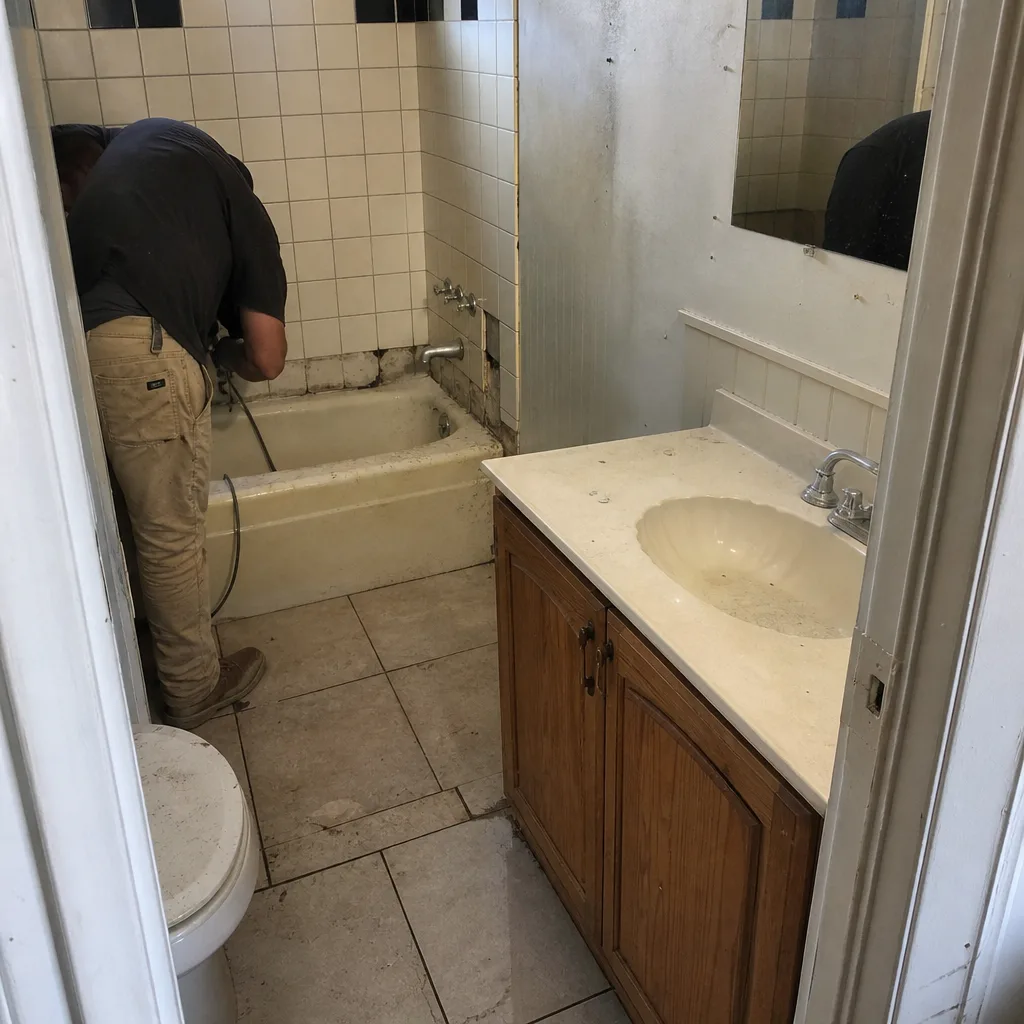 Before
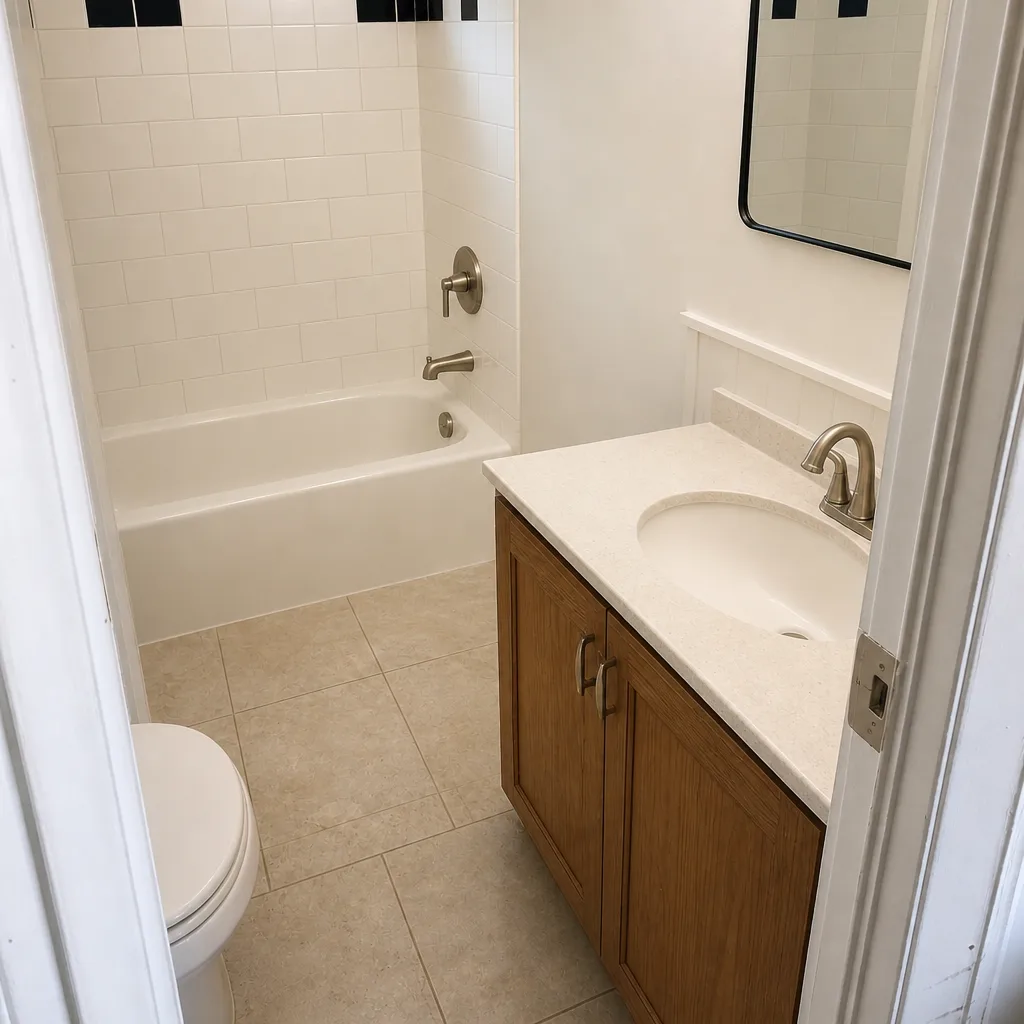 After
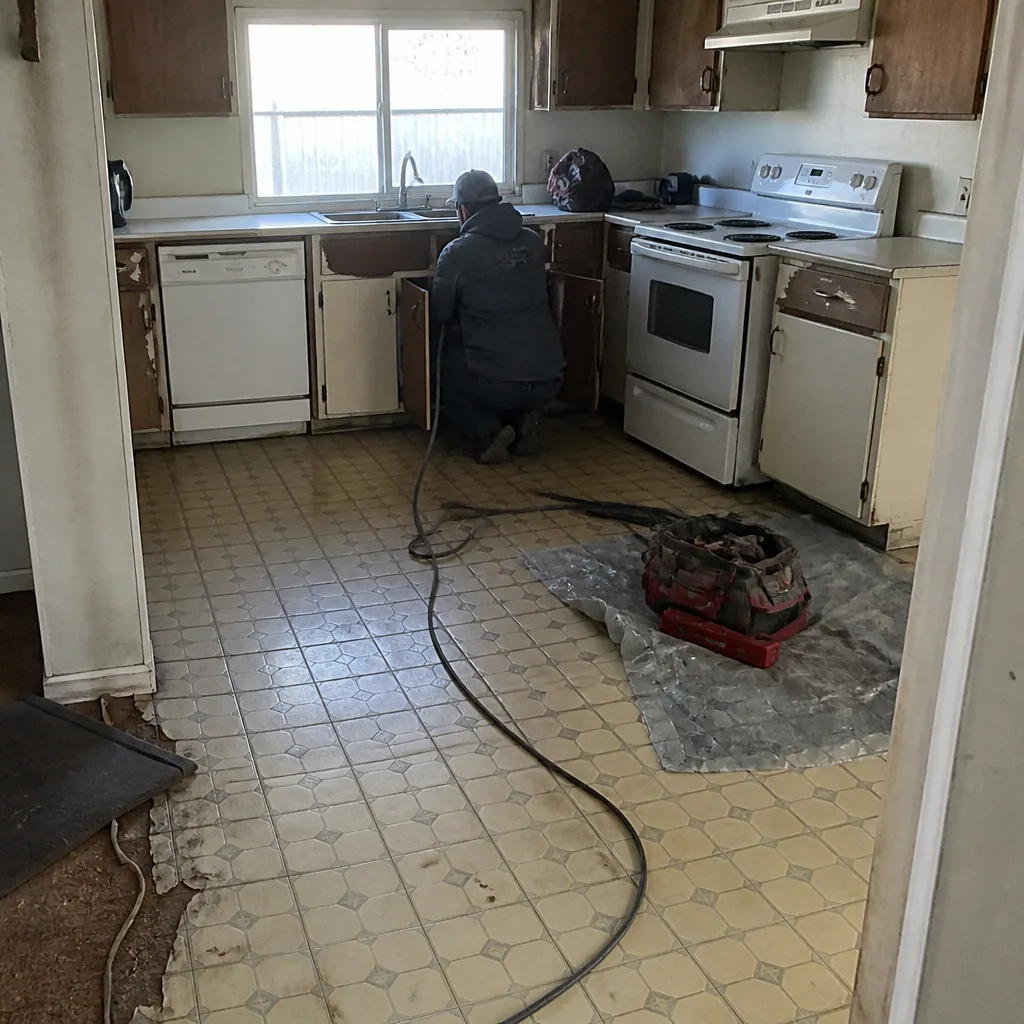 Before
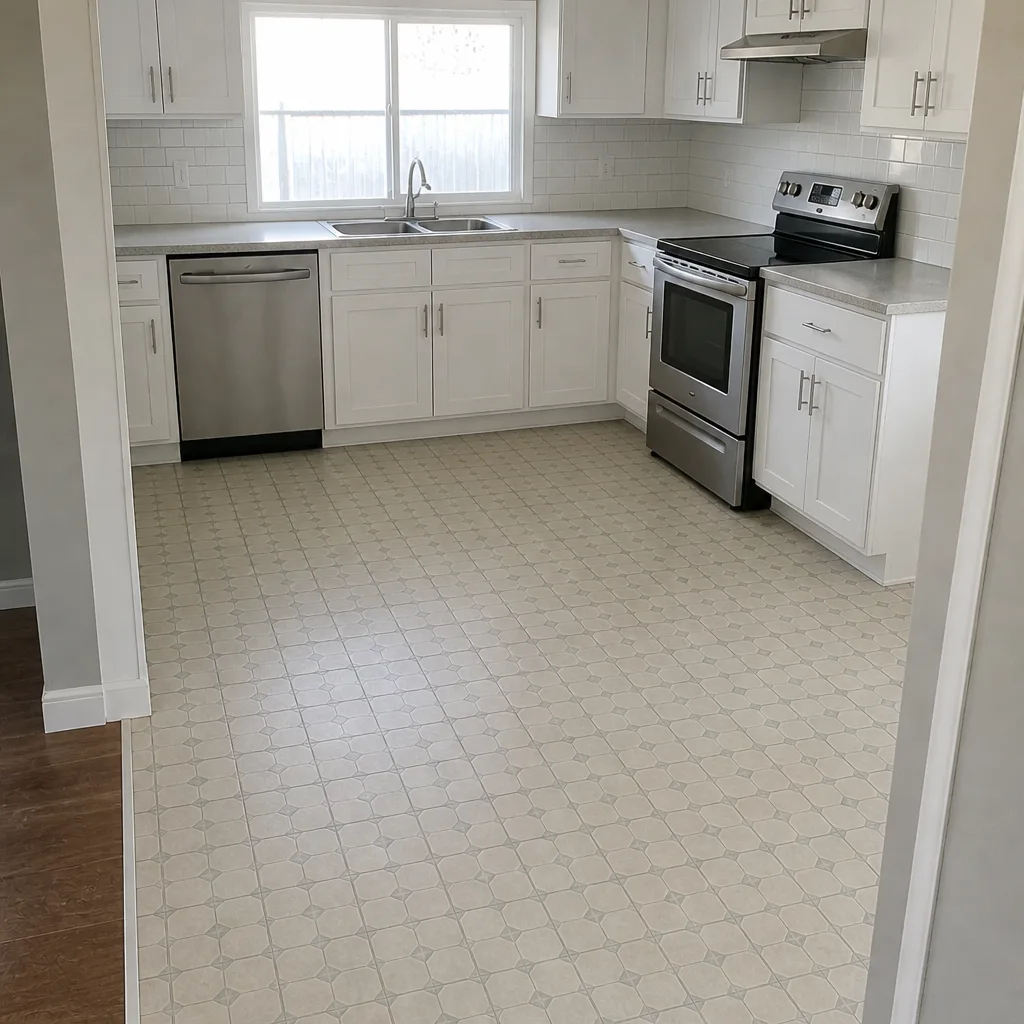 After
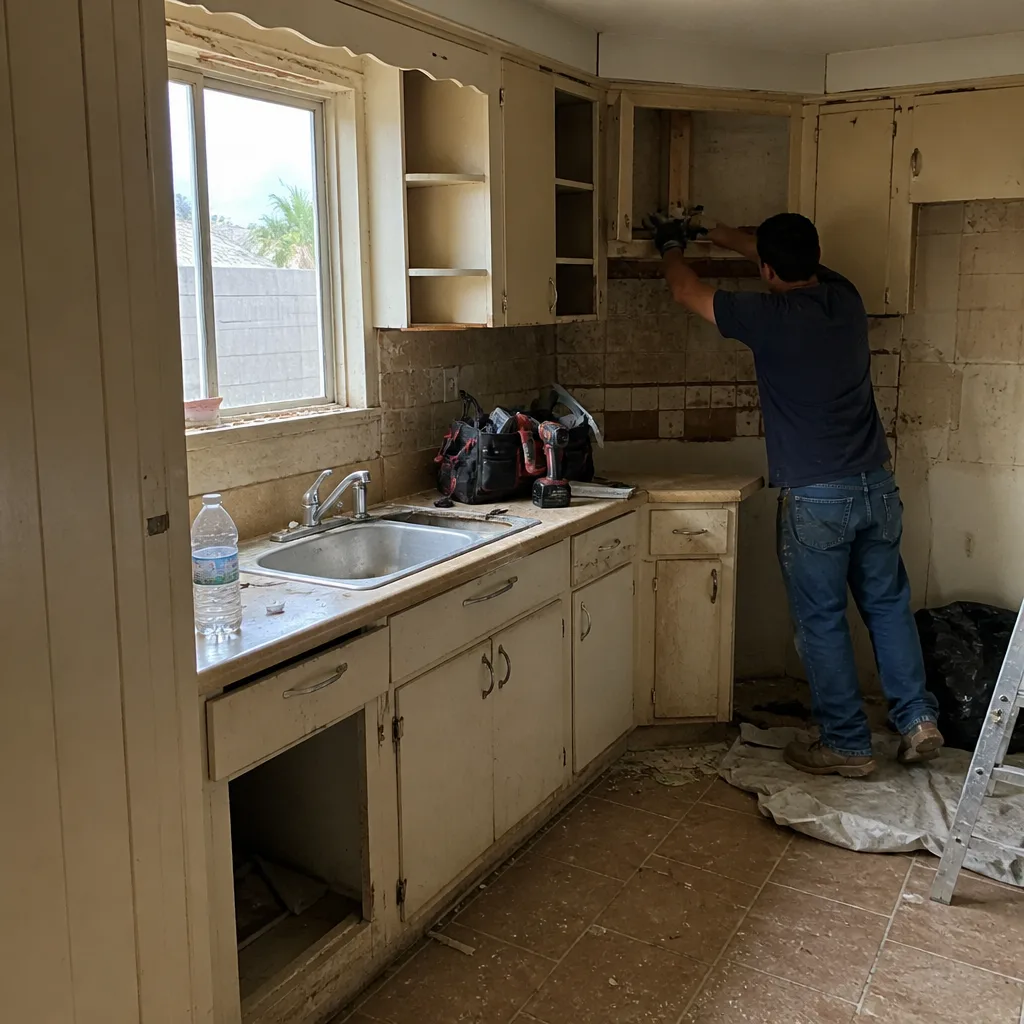 Before
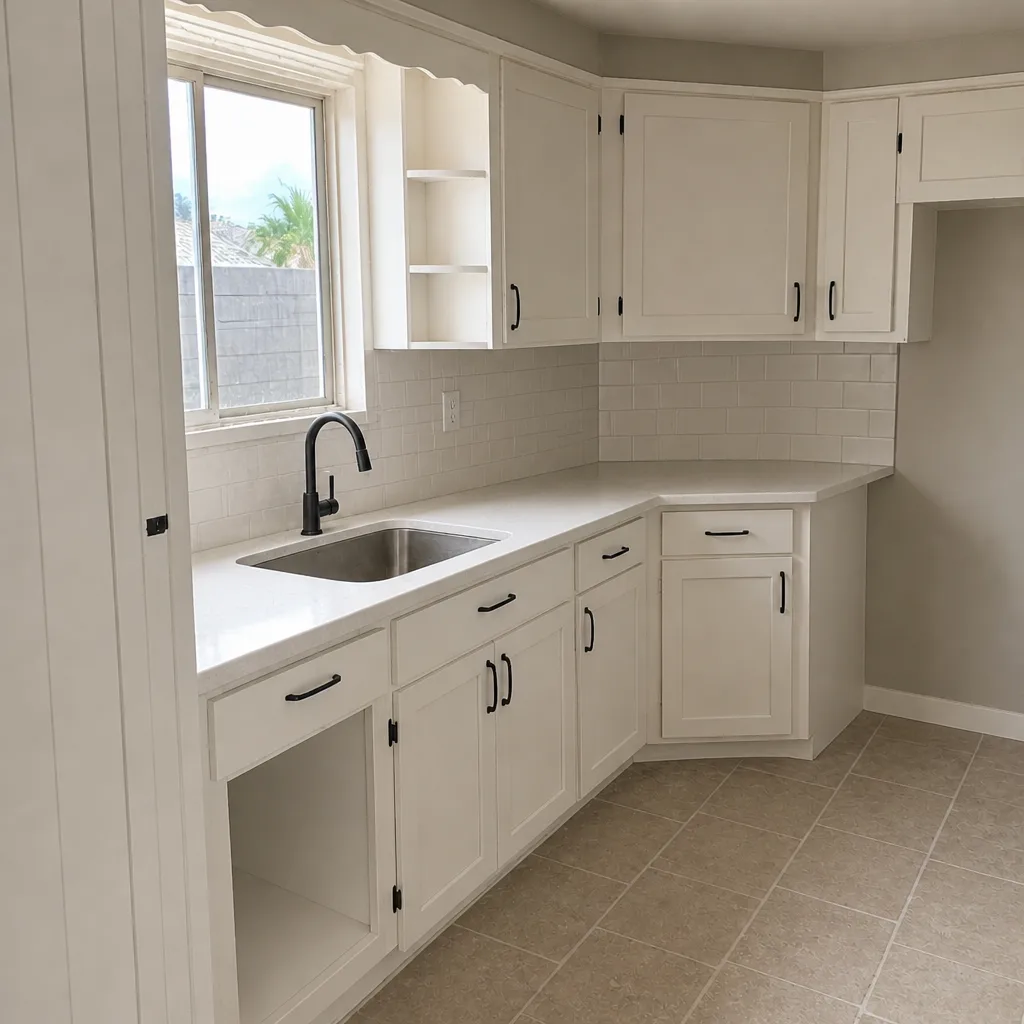 After
Frequently Asked Questions
Yes. Finish work – interior painting, trim, cabinet hardware, some tile, and landscaping around the new structure – is generally fine to do yourself, and it can save real money. The structural and life-safety scopes, which include framing beyond minor repairs, electrical, gas, plumbing, and load-bearing work, require a licensed contractor and inspection. Call (888) 413-6358 for a free estimate on the professional portion.
You can be required to demolish the unpermitted portion before a sale closes, and your homeowner’s insurance may exclude or deny claims tied to the unpermitted structure. Lenders and appraisers can also refuse to count the square footage, and any ADU rental income can be voided when a lender discovers it. The permit is what makes the addition legally and financially usable.
It can be, but the savings are a real trade rather than free money. You take on permits, scheduling, inspections, and sub relationships, and a single schedule slip or failed inspection can cost more than the GC’s fee. It typically works best for homeowners who already have trusted licensed subs; it breaks down when subs can’t show up on schedule. Call (888) 413-6358 to compare against a single-contractor estimate.
Interior painting, baseboard and trim installation, cabinet hardware, some tile work, landscaping and grading around the new structure, and final cleanup are all safe and don’t compromise inspections. Anything that gets covered up before inspection – framing, wiring, plumbing, gas – is not a safe DIY scope. Call (888) 413-6358 for a free estimate on the structural portion.
It can. Most homeowner policies contain exclusions for unpermitted structures, which means a claim tied to that addition can be denied. That leaves you paying a mortgage on a space your policy won’t fully cover. Getting the work permitted and inspected is the way to keep the structure inside your coverage.
Yes. Groundwork Construction Co. of Mesquite offers a free project estimate and design consult, with upfront pricing and no surprises. Our technicians are background-checked and arrive in uniform, and every project is covered by the 730-Day Done Right Promise. Call (888) 413-6358 – a live person answers 24/7.
The Bottom Line
The DIY-versus-professional line on a home addition isn’t drawn by skill level – it’s drawn by code, inspection, and liability. Finish work like painting, trim, hardware, some tile, and landscaping is yours to own and can save real money. Structural work, electrical, gas, plumbing, and load-bearing modifications require licensed contractors in Nevada, and unpermitted work can void insurance, block a sale, and force demolition. The hybrid approach is legal but hard to pull off, and the professional route pays for itself wherever work gets covered up. Decide each scope on the downside, not the labor cost. Mesquite homeowners who hold that line build additions that are legal, insurable, and worth what they cost.
Ready to price your project? Call (888) 413-6358 for a free estimate from Groundwork Construction Co. of Mesquite. Upfront pricing, live people around the clock, and the 730-Day Done Right Promise backing every addition – from foundation to finish line.
Written by the team at Groundwork Construction Co. of Mesquite.