Last updated November 18, 2026






Free written scope consultation - allowances, timeline, and change-order rules on paper before a single trade is scheduled
Home Additions & ADU Warning Signs Every Homeowner Should Know
The contractors who do the worst addition and ADU work rarely vanish with your deposit. Most of them finish the job, collect the final payment, shake your hand, and leave you with a structure that starts failing quietly two or three years later – a hairline crack at the roof connection that widens every summer, a door that won’t latch after the first monsoon season, a bedroom that never quite feels cool no matter what the thermostat says. In our experience across Mesquite, the damage from a bad addition is patient. This guide walks you through the warning signs at every stage – before you sign, during design, on the job site, and in the first year after completion – so you can spot trouble while it’s still cheap to fix.
Quick Answer
The biggest warning signs of a bad home addition or ADU contractor are missing engineering drawings, no soil assessment, vague contracts with no detailed scope of work, and crews who skip or rush inspections. During construction, watch for foundation forms set without inspection sign-off, framing that doesn’t match the approved plans, and insulation installed before rough-in inspections clear. After completion, hairline cracks at roof connections, doors that stop latching, and fresh moisture stains in the first rainy season signal systemic failures, not normal settling.
Styles & brands we work with
- Kitchen remodeling
- Bathroom remodeling
- Home additions & ADU
- Roofing
- Windows & doors
- Driveway & pavers
- Fence
Table of Contents
- Pre-Contract Red Flags: What to Look For Before You Sign
- Design-Phase Warning Signs Most Homeowners Miss
- Active Construction Red Flags You Can See Yourself
- Subcontractor Management: Where Bad Additions Really Start
- Post-Completion Signs of Systemic Failure vs. Normal Settling
- Mesquite-Specific Issues: Climate, Soil, and Code
- Your Inspection Log: What to Track and Why
- How to Choose the Right Addition Contractor in Mesquite
Pre-Contract Red Flags: What to Look For Before You Sign
The most expensive mistakes on a home addition in Mesquite happen before a single shovel touches dirt. A contractor who submits your permit without stamped engineering drawings isn’t saving you money on what they call “unnecessary costs.” They’re submitting an incomplete package that will either get rejected by the city or, worse, get approved by an overloaded plan-check office and leave your structure standing on load calculations nobody actually verified. On an addition or ADU, that’s not a paperwork problem. It’s a safety problem hidden inside your walls.
Here’s a specific set of pre-contract red flags we’ve seen cause real damage.
- No mention of engineering. Ask directly: “Who is stamping the structural drawings?” Any legitimate addition or ADU scope over a certain size in Nevada requires engineered plans, and a contractor who waves that off is either inexperienced or hoping the inspector won’t notice.
- Skipping soil assessment on expansive lots. Mesquite sits on soil that behaves unpredictably in places, and a foundation poured without a soil report on a lot with expansive clay is a foundation waiting to crack. If your contractor never asks about the soil type, they’re guessing.
- No detailed scope-of-work attachment. A one-page contract that says “build 400 sq ft addition” is not a contract. It’s an opening bid for change orders. Demand a line-item scope with materials specified, brand by brand: Mr-Glass or Therma-Tru for doors, Barrette for fencing brackets, ViewLux for high-exposure windows if solar gain is a concern.
- Vague payment schedules. Roughly a third up front, a sizable draw at framing, and the balance at completion is normal. Anything that expects 50% or more before materials hit the site is a red flag.
- No written warranty on workmanship. Materials carry manufacturer warranties, but workmanship is the contractor’s own obligation. If they won’t offer it in writing, they don’t believe in their crew.
Get the full scope in writing before you sign anything. The Home Additions & ADU in Mesquite service page breaks this down, and you can also review the Groundwork Construction Co. of Mesquite home page to see what a full-scope partner actually commits to in writing.
Design-Phase Warning Signs Most Homeowners Miss
Plans that look great on paper can be the source of your biggest future headaches, because they hide what the drawing doesn’t show. A room can be perfectly drawn and still fail because the designer never addressed how the new structure ties into your existing mechanical systems, or because the drawings were produced without anyone walking the site first.
Here’s what to check during the design phase in Mesquite specifically.
- Were the drawings produced without a site visit? If the designer never measured your existing roofline or walked the yard, they’re guessing at how the addition attaches. That shows up later as roof connection leaks.
- Does the plan address HVAC extension? In Mesquite summers, an addition without a properly sized mechanical tie-in or dedicated mini-split becomes unusable half the year. The plan should show how cooling and heating get extended, not assume it.
- Does it show how the roof structure connects? Any addition taller than a single-story bump-out has to tie into the existing roofline with properly flashed and engineered connections. If the drawings never show flashing details or the roof tie-in, ask why.
- Does it address the electrical panel capacity? An ADU with its own kitchen, water heater, and AC load often needs a panel upgrade or a sub-panel. If the plan doesn’t mention it, expect a surprise change order.
- Does it account for drainage? Mesquite’s rare but intense rain events send water fast. A plan that doesn’t route roof drainage away from the new foundation is a plan for a flooded crawl space.
Good design isn’t just aesthetics. It’s the physics of how the new structure behaves against the old one. That’s why a legitimate contractor won’t hand you a set of drawings without a site visit.
Active Construction Red Flags You Can See Yourself
You’re not the inspector. You’re the person paying for the job, which makes you the most motivated observer on the site. During construction on a Mesquite addition, there are specific things you can watch for that flag bigger problems whether you know construction or not.
- Foundation forms set without inspection sign-off. The city inspector signs off on the forms before concrete is poured. If you walk out one morning and see concrete already in the forms and no inspection sticker or paper trail, ask to see the inspection record before another pour happens. Once concrete is set, you can’t inspect what’s inside it.
- Framing that doesn’t match the approved plans. Pull up the plans on your phone and compare. Spacing, beam sizes, header locations – if the frame is built differently from what was engineered, call it out immediately. Rework is far cheaper at the framing stage than after drywall.
- Insulation installed before rough-in inspections are cleared. Electrical, plumbing, and framing inspections must be signed off before insulation goes in. Insulation covers everything. If you see walls getting stuffed while the electrical rough-in hasn’t been inspected, that’s a crew moving faster than the process.
- Concrete poured in Mesquite’s summer heat without curing measures. Pour temperatures above 90°F without wetting or covering can cause early cracking that shows up six months later. If you see a pour on a 105°F day with no curing steps, document it.
- No one seems to be in charge. Every addition site needs a clear lead. If you can’t tell who’s running the crew or get a straight answer when you ask, that’s a supervision problem.
Keep a written log of what you see and when. Photos with dates and a simple notebook go a long way if you need to push back on a warranty claim later. For related exterior work, you can also read how we manage a fence installation in Mesquite – the same supervision discipline applies.
Subcontractor Management: Where Bad Additions Really Start
Most additions and ADUs in Mesquite are built by a general contractor who brings in trade subs for electrical, plumbing, roofing, and drywall. The work is only as good as the subs, and the subs are only as good as the management behind them. That’s where the worst jobs fail: not because a tradesperson is incompetent, but because no one is managing the handoffs, verifying licenses, or holding the schedule together.
Watch for these subcontractor red flags.
- Rotating crews with no consistent supervision. If you see a different face every day and no lead who can tell you what’s happening next, quality drifts. Continuity in the crew means continuity in accountability.
- Electrical or plumbing rough-ins done by unlicensed workers. Nevada requires licensed tradespeople for both. You can verify a license through the state contractor board. Ask to see it – a real contractor isn’t offended.
- No documented inspection log. The contractor should be able to hand you a running list of inspections scheduled and passed: foundation, framing, rough electrical, rough plumbing, insulation, drywall, final. If no log exists, nothing was tracked.
- Subs showing up without knowing the scope. When the electrician arrives and asks the homeowner what they’re building, the handoff from the GC failed. That’s a tell about how the whole job is being run.
- No background-checked technicians. You’re handing a stranger access to your property, your family, and your belongings. Background-checked, uniformed technicians are a baseline for anyone working inside your home on a project that will last months.
When the trades are managed well from the top, the schedule stays tight and the details get caught before they become problems. Done right, a single contractor runs the entire scope from driveway work in Mesquite through the interior finishes, meaning no finger-pointing between companies when something goes wrong.
Post-Completion Signs of Systemic Failure vs. Normal Settling
Every new structure settles. Some cracking is normal. But there’s a difference between the cosmetic and the structural, and knowing which is which can save you tens of thousands on repairs if you catch a systemic failure in the first year.
Here’s how to tell them apart in the first rainy season.
- Cracks at the roof connection. A hairline crack in drywall near where the addition roof meets the main house is common and usually cosmetic. A widening crack that runs with the roof line, or any separation visible from outside at the flashing, is a flag. If water stains appear near it, it’s already leaking.
- Doors and windows that stop operating the same way they did at move-in. One door that sticks after a hot week is normal in Mesquite. Every door and window in the addition suddenly out of alignment is not – that suggests the structure is moving.
- Moisture indicators inside. Yellow rings on ceilings, dark spots on drywall near the addition’s exterior wall, or a persistently musty smell that appeared within weeks of the first real storm all point to water intrusion at the tie-in.
- Floor slope changes. If you can feel a slope change between the main house and the addition that wasn’t there six months ago, get an inspection. Foundations don’t settle that fast.
- Sticking windows in high-solar-gain rooms. In Mesquite, south- and west-facing glass takes a beating. If ViewLux or similar high-performance windows start binding on the frame, the frame itself may be moving, not the window.
The rule of thumb: cracks that stay the same width for 12 months are cosmetic. Cracks that are wider than they were three months ago are not. Measure, date, and photograph. If your contractor’s warranty is 730 days – ours is, and it’s one of the longest in residential construction – the first rainy season is exactly when it earns its keep.
Mesquite-Specific Issues: Climate, Soil, and Code
Mesquite is not a bad place to build an addition or ADU. It’s a demanding one, and a contractor who builds in Mesquite without knowing its specific climate and soil realities is a contractor whose addition is likely to fail in ways you won’t see for a year.
Three things stand out for any addition project here.
- Extreme summer heat and solar gain. Design decisions made for a cooler climate – standard exposure windows, undersized HVAC, thin attic insulation – fail in Mesquite’s summer. This is why material choices matter (Therma-Tru doors with proper weatherstripping, ViewLux or comparable glass for sun-facing walls) and why HVAC sizing must account for real summer load, not average load.
- Monsoon-season moisture after long dry stretches. When rain finally arrives after months of dry heat, the soil swells quickly and water runs off hard. An addition that wasn’t designed to move with that cycle – and a foundation that wasn’t poured on a properly drained site – will crack in ways the same build in a wet climate wouldn’t.
- Nevada building code and inspection pace. Additions and ADUs require stamped engineering, and inspection sign-offs matter. In busy seasons, plan-check can move slowly and inspections can lag. A contractor who isn’t tracking their inspection dates is a contractor whose schedule slides and whose quality slips.
If you’re folding in exterior work as part of the project, the same local knowledge applies – see how we approach a driveway and pavers installation in Mesquite where soil movement and heat both matter.
Your Inspection Log: What to Track and Why
An inspection log is the single most underrated tool a homeowner has during an addition or ADU. It’s not glamorous, but if your project ends up in dispute – with a contractor, a warranty provider, or a future buyer’s inspector – the log is the record that tells the story.
Here’s what your log should contain, in order.
- Permit number and submission date. Note when the permit was filed and whether stamped engineering drawings were included.
- Foundation form inspection date and result. Confirm the inspection happened before concrete was poured. Record who inspected and when.
- Framing inspection date and result. The framing has to match the approved plans before that inspection, and it should be signed off before drywall.
- Rough electrical and plumbing inspection dates and results. These come before insulation and drywall. If they’re missing, stop the job and ask why.
- Insulation and drywall inspection. Both should be signed off sequentially.
- Final inspection date and result. No final sign-off, no final payment. Hold that line.
- Photos at each stage. Date-stamped photos of every inspection sticker, every rough-in, every tie-in point. Your phone is enough.
Any contractor who resists a homeowner keeping an inspection log is telling you exactly how much they trust their own paperwork. On every addition we work with homeowners to keep that log current, and every signed inspection is verified before the next phase starts.
How to Choose the Right Addition Contractor in Mesquite
Filtering out the bad contractors comes down to a small number of questions asked early, in writing, with no wiggle room allowed in the answers. Anyone who has built additions in Mesquite for a decade welcomes these. Anyone who hasn’t will squirm.
Ask these six questions before signing with any addition contractor.
- “Who is stamping the engineering?” You want a name and a license number on the plans before submission.
- “Do you include a detailed scope-of-work attachment?” Line items, brands, model numbers. Anything less is a placeholder for change orders.
- “What’s your workmanship warranty in writing?” Ours is the 730-Day Done Right Promise – if it’s not done right, we make it right. Compare that to a one-year verbal.
- “Who are your electrical and plumbing subs, and are they licensed?” Real names, verifiable licenses.
- “How do you handle inspections and schedule delays?” A real contractor has a written plan and no excuses about the city.
- “What happens if I call you at 8 p.m. on a Saturday during construction?” For us, a live person answers, every time, around the clock. For most contractors, you get voicemail.
Choose the contractor whose answers are concrete, in writing, and specific to Mesquite. Then choose the contractor who pairs that with premium material partners (Mr-Glass, Barrette, Therma-Tru for their respective scopes), background-checked uniformed technicians, and upfront pricing – no change orders for what should have been in the original scope.
Common Mistakes to Avoid
- Signing with a contractor who submits permits without stamped engineering. It saves the contractor money and creates a structure with unverified load calculations. That’s not a shortcut – it’s a foundation for failure.
- Accepting a one-page contract for a multi-month addition. Scope, materials, brand partners, and payment schedule all need to be in writing before any work begins in Mesquite.
- Letting the contractor skip a site visit before drawing plans. Additions tie into existing structure; if the designer never walked your yard, the tie-in details are fiction.
- Assuming the city inspector will catch everything. Nevada inspectors are thorough but stretched. Trust but verify – your inspection log is your second set of eyes.
- Ignoring the first signs of water intrusion near the roof connection. In Mesquite’s monsoon season, weeks matter. A small stain is a quick fix; a soak into the framing is a rebuild.
- Rushing to sign before comparing at least three line-item quotes. The lowest bid on an addition almost always becomes the highest cost once change orders land.
- Paying the final balance without the final inspection sign-off. Once money changes hands, your leverage disappears. Hold final payment until the final inspection is passed and documented.
See the difference
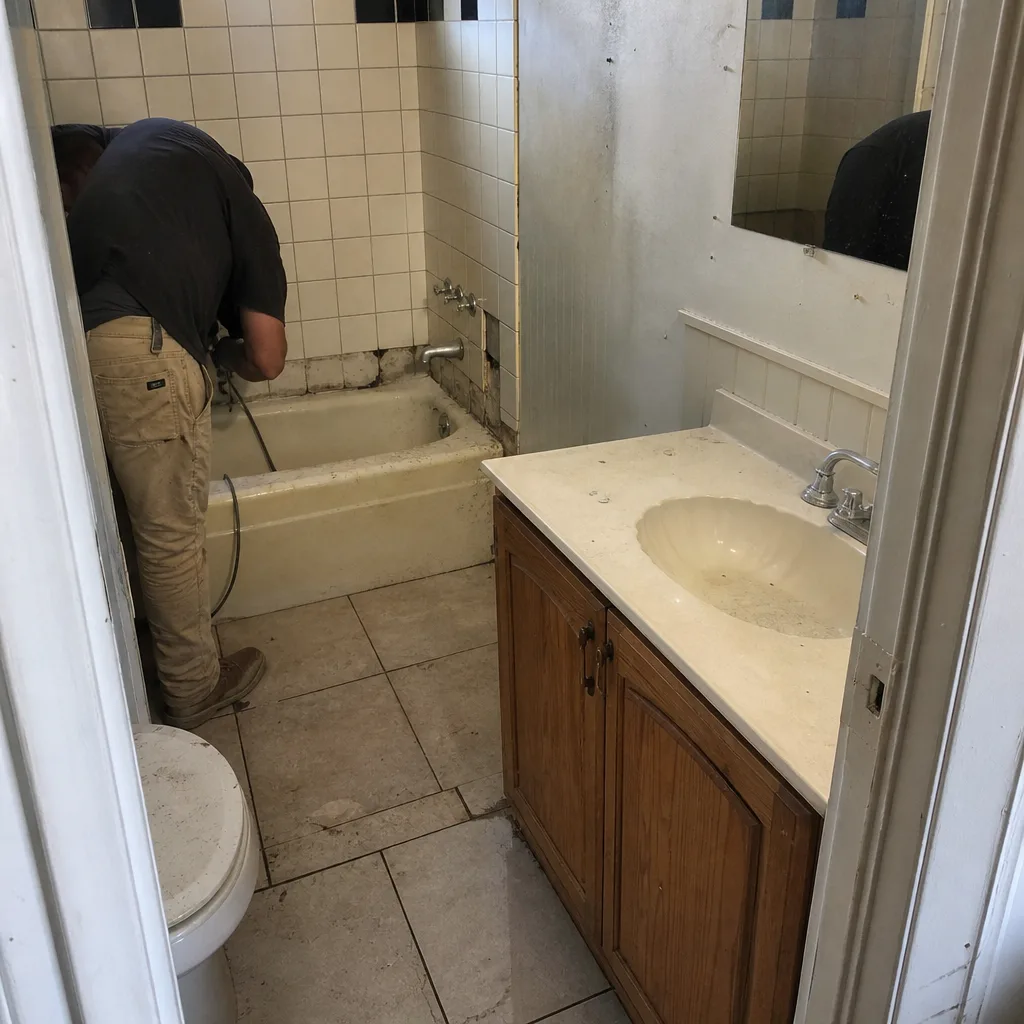 Before
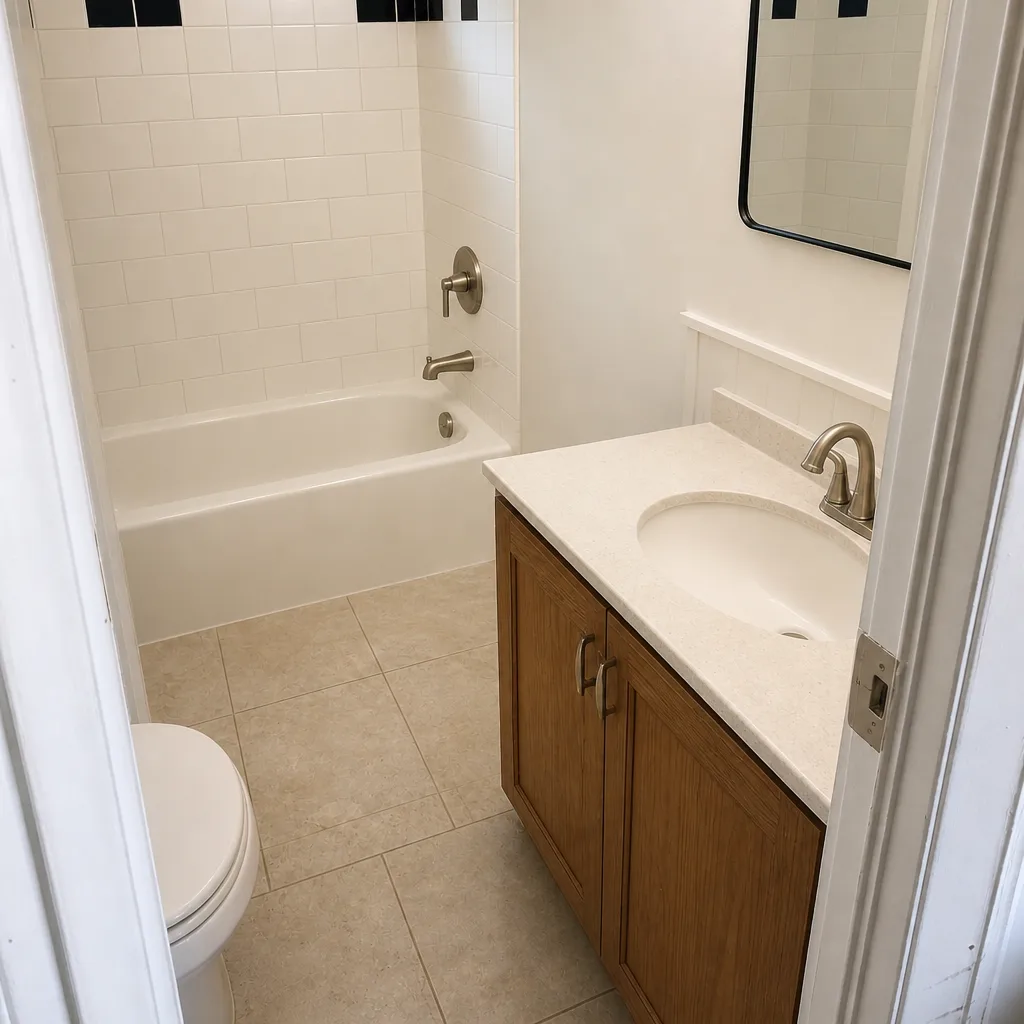 After
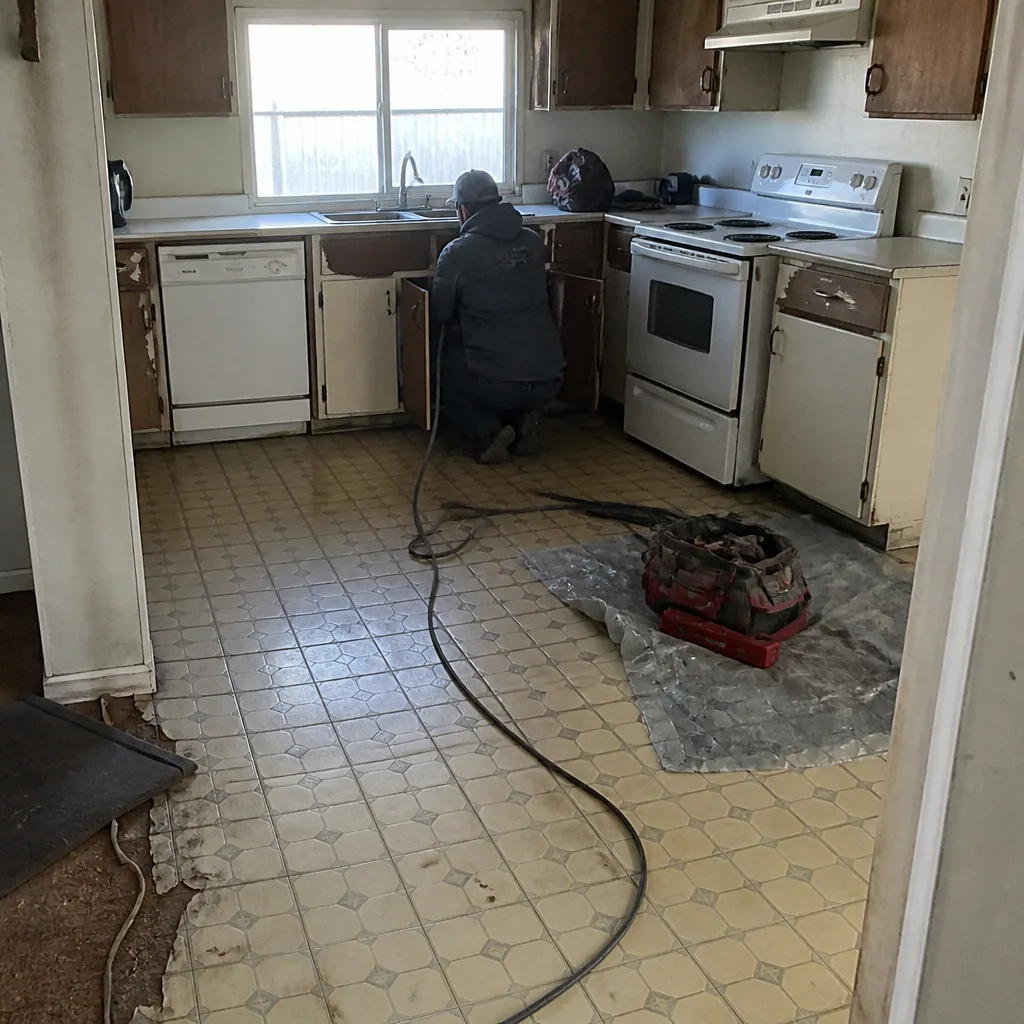 Before
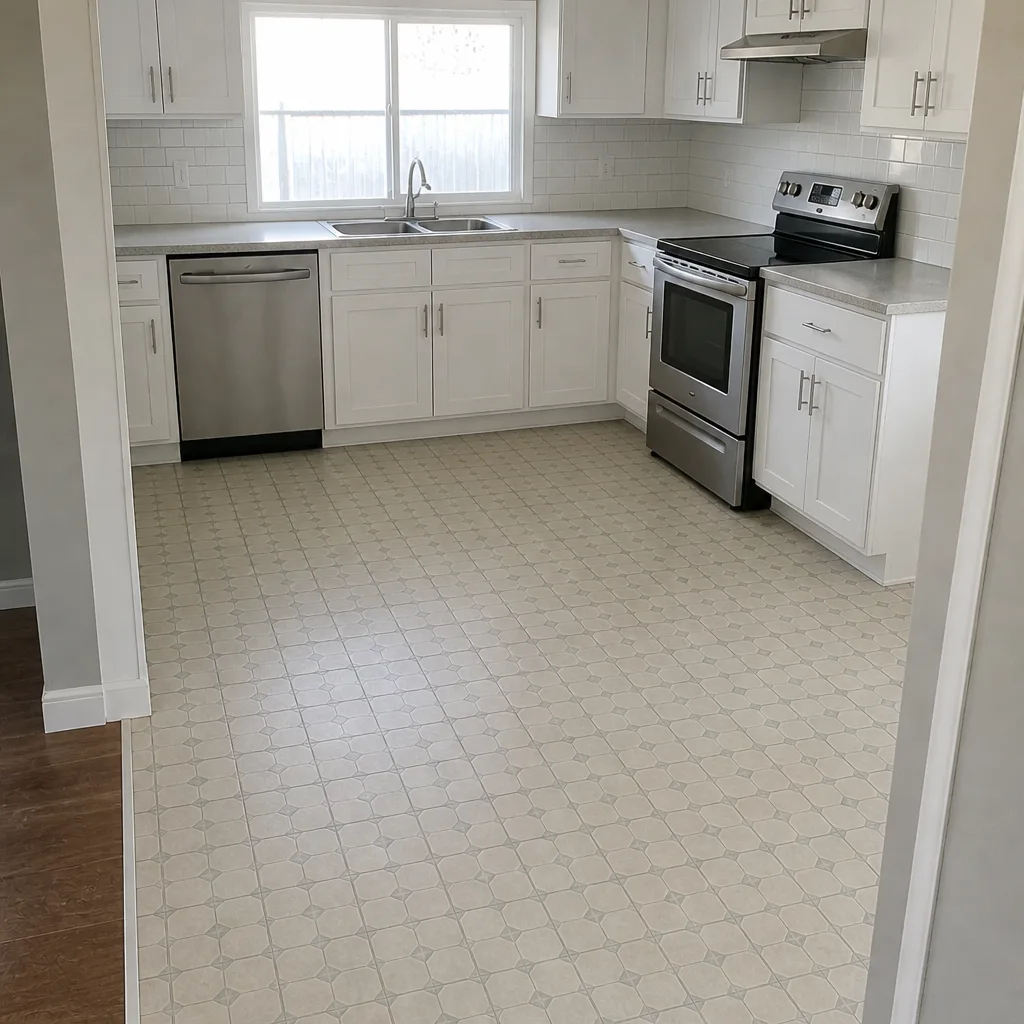 After
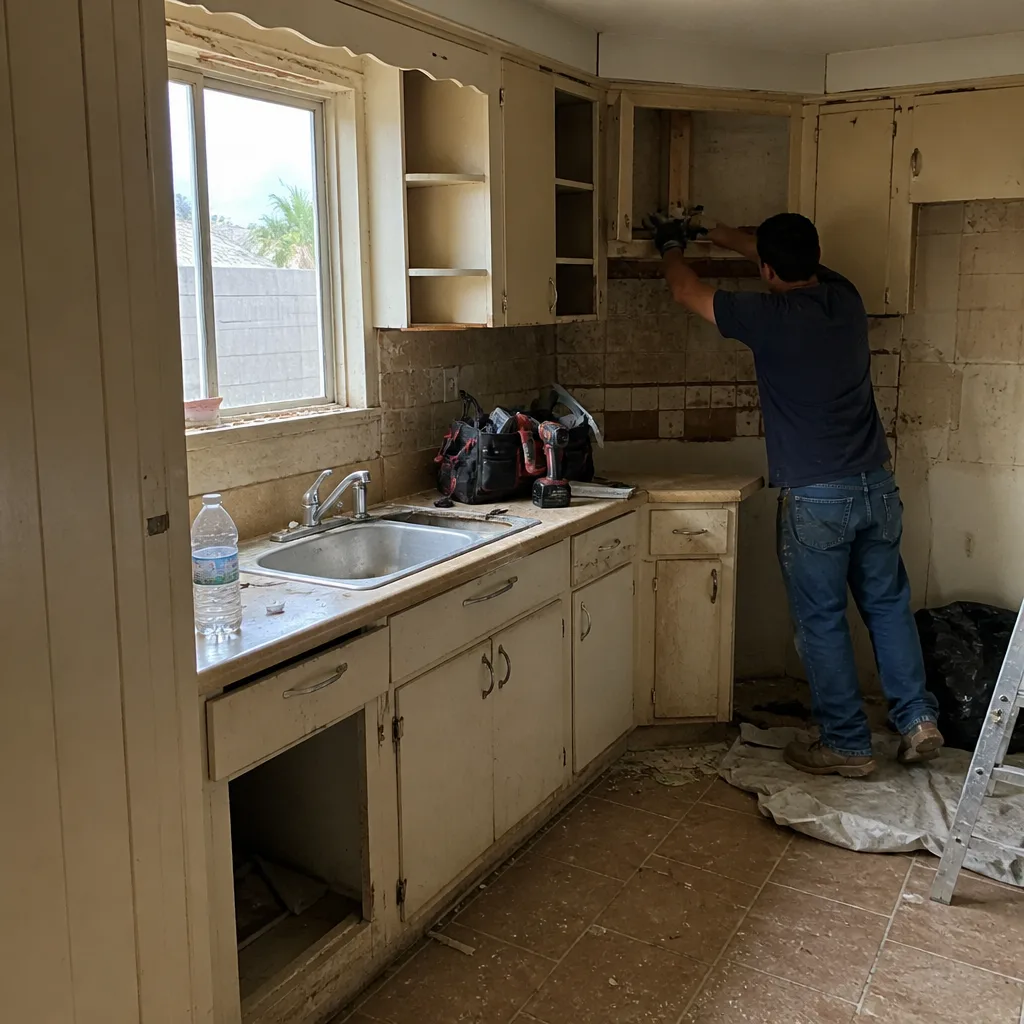 Before
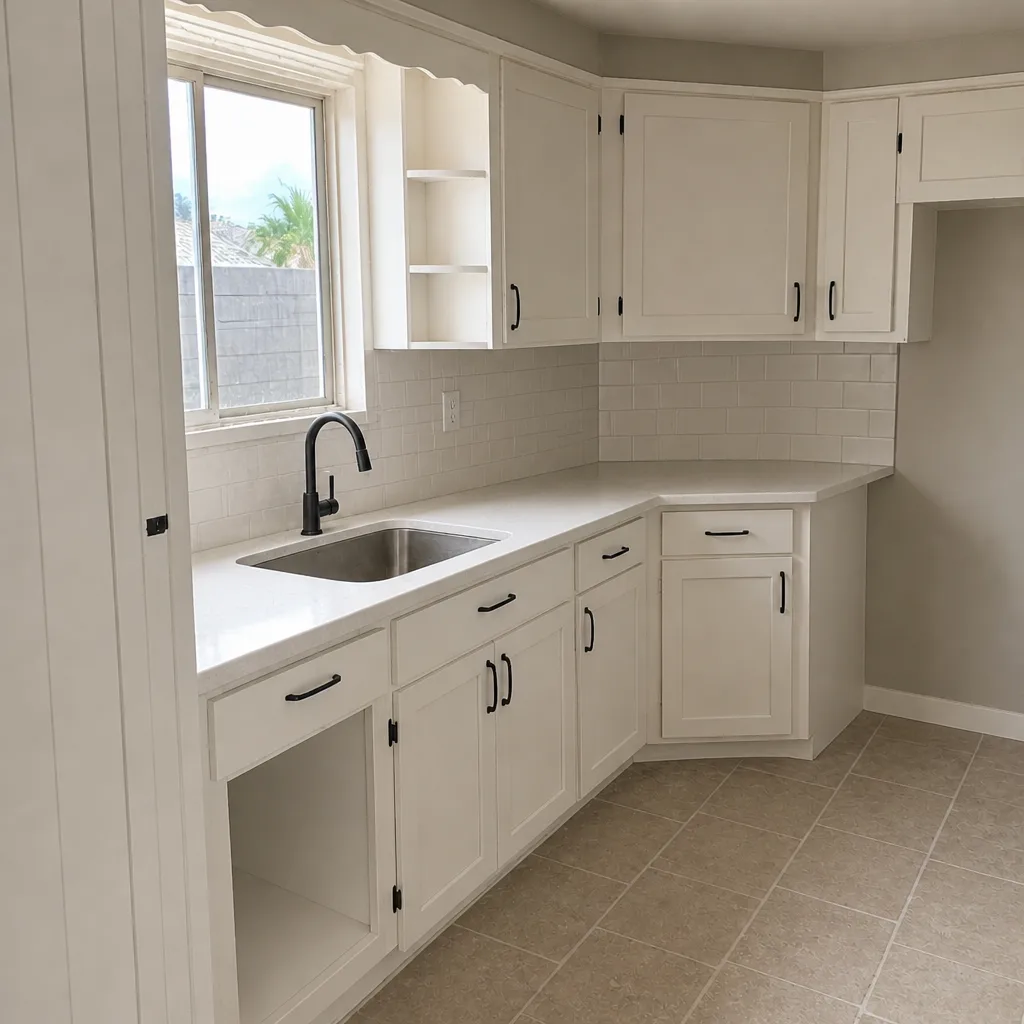 After
When to Call a Professional
If you spot any of these in an active build, stop and get a professional assessment before the next phase begins: foundation forms set without inspection records, framing that doesn’t match the approved plans, insulation going in before rough-in sign-offs, unverifiable trade licenses, or a contractor who can’t produce an inspection log. If your addition was already completed and you’re seeing widening cracks at the roof connection, doors and windows that have stopped operating the same way, or fresh moisture stains within the first rainy season, that’s the moment to call – not after another year of “settling.” Same if you’re starting from scratch and your contractor hasn’t submitted stamped engineering drawings. A background-checked, uniformed technician is a real evaluation, not an upsell. Groundwork Construction Co. of Mesquite offers free estimates in Mesquite – call (888) 413-6358 to schedule yours.
Frequently Asked Questions

The biggest single warning sign is a contractor who submits your permit without stamped engineering drawings. That either gets rejected by Mesquite plan-check or, worse, gets approved without verified load calculations for your structure. If they can’t produce the engineered drawings before permit submission, walk away. Call (888) 413-6358 for a free second opinion – estimates are no cost and no pressure.
An addition or ADU in Mesquite typically runs $200-$350 per square foot for a standard scope, with ADUs running toward the higher end due to separate kitchen and mechanical requirements. Engineered plans, site work, and permit fees add to that baseline. Get line-item pricing in writing before signing anything – call (888) 413-6358 for an exact quote on your project, and the estimate is free.
It shouldn’t if the original scope is detailed. Price changes on additions usually come from three sources: missing engineering (inevitably triggers a redesign), missing soil assessment (surprise foundation cost), or “allowance” line items that were deliberately left vague. A line-item contract with named brands and fixed prices shouldn’t move. Call (888) 413-6358 to talk through a fixed scope with your free estimate.
Yes – additions and ADUs in Mesquite require permits, stamped engineering drawings, and multiple staged inspections. Doing the work without permits can force you to tear out and rebuild later, and can complicate any future sale of the home. Every addition we’re involved with pulls permits and passes inspections, and we track each one. Call (888) 413-6358 to start with a permit-ready scope.
A typical single-story addition in Mesquite takes three to five months from permit approval to final inspection, with ADUs often running five to seven months depending on utilities and engineering. The biggest variable is how fast the permit and inspection cycle moves – which is why a contractor who tracks inspection dates matters. Call (888) 413-6358 to get a schedule estimate specific to your plan.
Our 730-Day Done Right Promise covers workmanship on every project for two full years – the long end of residential construction guarantees – and if anything we built wasn’t done right, we make it right. It’s not a materials warranty (those come separately from the manufacturer); it’s a written commitment on the labor and installation. Call (888) 413-6358 to see how the promise applies to your addition or ADU.
The Bottom Line
The warning signs of a failing addition or ADU show up at every stage: no engineering before permit, no site visit before design, no scope in writing before signing, no inspection log during construction, and quiet cracks and moisture in the first rainy season after. In Mesquite, the stakes are higher because the heat and monsoon cycle stress every tie-in point and every foundation. Watch for those signs, hold the final payment until the final inspection passes, and choose a contractor whose answers are specific and in writing. If you want a contractor who tracks every inspection, submits stamped engineering, and backs it all with the 730-Day Done Right Promise, our team at Groundwork Construction Co. of Mesquite is ready to help.
Ready to Build the Right Way?

Whether you’ve spotted red flags on a current build or you’re starting an addition or ADU from scratch, the right first step is a free estimate and design consult. Our team brings upfront pricing (no surprises), premium material partners like Mr-Glass, Therma-Tru, ViewLux, and Barrette, and background-checked, uniformed technicians to every single project. You get a live person on the line around the clock, and every job is backed by the 730-Day Done Right Promise. Call (888) 413-6358 to schedule your free estimate in Mesquite today – the numbers are in writing, the price is what you see, and the workmanship is what we stand behind.
Written by the team at Groundwork Construction Co. of Mesquite.