Last updated November 18, 2026
Free written scope consultation - allowances, timeline, and change-order rules on paper before a single trade is scheduled
The Complete Windows & Doors Guide for Mesquite Homeowners
A window that performs beautifully in Seattle can fail its seal within three years in Mesquite. That’s not a knock on the window. It’s physics. Nevada summer surface temperatures push glass and frame assemblies past 110°F on west-facing walls, and the spacer bars holding a sealed glass unit together were never designed to flex that hard, that often. National buying guides are written for temperate climates, so they optimize for the wrong numbers. This guide is built for the high-desert performance envelope: how SHGC beats U-factor here, which frames survive thermal cycling, how to read an NFRC label for a Mesquite home, and what Nevada code actually requires when you replace a window or door.
Quick Answer
For Mesquite homes, prioritize Solar Heat Gain Coefficient (SHGC) over U-factor. Target an SHGC of 0.25 or lower on east, south, and west-facing glass, and choose fiberglass or thermally broken frames over standard vinyl or unbroken aluminum. Permitted replacements must meet Nevada energy code, and “like for like” swaps only skip full compliance in narrow cases.
Styles & brands we work with
- Kitchen remodeling
- Bathroom remodeling
- Home additions & ADU
- Roofing
- Windows & doors
- Driveway & pavers
- Fence
Table of Contents
- Why Mesquite’s Climate Breaks Standard Window Advice
- SHGC vs. U-Factor: Which Number Actually Matters in Mesquite?
- Frame Materials in Desert Heat: Vinyl, Fiberglass, and Aluminum Compared
- How to Read an NFRC Label for a Mesquite Home
- Choosing Doors for High-UV Exposure
- Nevada Energy Code and Permitted Window Replacements
- Installation Standards That Hold Up in the Desert
- What Window and Door Replacement Costs in Mesquite
Why Mesquite’s Climate Breaks Standard Window Advice
Mesquite sits in the Virgin River valley at roughly 1,600 feet, which means it gets the full brunt of Mojave-desert sun with none of the coastal moderating effect. Afternoon highs from June through September routinely cross 105°F, and surface temperatures on west-facing glass run 25 to 35 degrees hotter than ambient air. That’s the number that matters for a sealed glass unit, because the spacer bar and sealant at the edge of the glass expand and contract with every one of those swings.
A double-pane unit with an aluminum spacer bar expands about twice as much as the glass it’s bonded to. In a mild climate, that differential is small enough that the sealant absorbs it. In Mesquite, that differential repeats hundreds of times per year through day-night thermal cycling, and eventually the sealant fatigues. When it fails, you get fogging between the panes, and the insulating gas leaks out. The window doesn’t shatter. It just quietly stops doing its job.
There’s a second Mesquite-specific stress most guides ignore: dust. Desert wind carries fine particulate that abrades weatherstripping and threshold seals faster than in greener climates. Door sweeps and window gaskets that would last a decade in a humid climate can degrade in five to seven years here. In our experience, we see gasket failures on west-facing doors well before the door hardware itself shows any wear.
None of this means you need exotic products. It means you need to buy for the right stress: heat cycling, UV, and particulate abrasion. Those three forces drive almost every recommendation in this guide.
SHGC vs. U-Factor: Which Number Actually Matters in Mesquite?
Solar Heat Gain Coefficient matters far more than U-factor in Mesquite. SHGC measures how much solar heat passes through the glass, on a scale of 0 to 1, and in a cooling-dominated climate like ours, it’s the number that decides whether your air conditioner works overtime from May to September. U-factor measures how fast heat escapes the glass, which is a heating-season metric. Mesquite heats far more than it cools, so SHGC is the priority.
Here’s the practical difference. A window with U-factor of 0.28 and SHGC of 0.40 will feel cooler on a July afternoon in Mesquite than a window with U-factor of 0.22 and SHGC of 0.55. The first window stops more heat from entering. The second window is technically better insulated but lets in more heat. National guides often push you toward the second because they weight U-factor for cold-climate buyers.
- East, south, and west facing glass: target SHGC of 0.25 or lower. These exposures take the direct solar hit in Mesquite.
- North-facing glass: SHGC of 0.35 to 0.40 is fine. North windows see much less direct sun and you can trade some SHGC for visible light transmission if you want brighter rooms.
- Visible Transmittance (VT): aim for VT/HGSC ratio of 1.0 or better. Low-SHGC glass can darken a room, so check the VT number before committing.
- U-factor: below 0.35 is a fine secondary target in Mesquite. Don’t sacrifice SHGC to chase a lower U-factor.
Spectrally selective low-E coatings are what make low SHGC possible without turning your windows into tinted glass. Brands like Andersen and Pella offer specific desert-climate glazing packages that hit 0.24 to 0.28 SHGC with 50% or higher visible transmittance. Ask for the desert or SolarZone-style glazing option, not the standard cold-climate option.
Frame Materials in Desert Heat: Vinyl, Fiberglass, and Aluminum Compared
Frame material performance diverges sharply in Mesquite’s heat, and it’s the piece most homeowners get wrong because the showroom samples are all at room temperature. The question isn’t which frame looks best in a showroom. It’s which frame holds its shape, seal, and finish across ten thousand thermal cycles.
Vinyl (uPVC)
Vinyl is the most common residential window frame and the cheapest, and it works fine in mild climates. The problem in Mesquite is thermal expansion. Vinyl expands and contracts roughly five to seven times more than glass per degree of temperature change. In a west-facing wall, that differential puts stress on the welded corners of the frame and the seals at the glass edge. On a cheap or thin-walled vinyl extrusion, we see corner separation and seal failure starting in year four or five.
Not all vinyl is equal. Thicker walls, more internal chambers, and heat-stabilized compounds hold up much better. Ask for the wall thickness and whether the frame is rated for high-heat exposure. A premium vinyl can work in Mesquite. A builder-grade vinyl from a big-box shelf will struggle.
Fiberglass
Fiberglass has a thermal expansion rate much closer to glass itself, and it doesn’t soften or distort at Mesquite’s wall temperatures. That stability means the seals stay compressed and the corners stay tight through thermal cycling. Fiberglass also takes paint and finish well, though UV degradation of the finish is a real consideration; ask about a UV-stable topcoat.
Fiberglass is more expensive than vinyl, typically 20 to 35 percent more per opening. In Mesquite, that premium buys you a window that’s genuinely built for the climate rather than adapted to it.
Aluminum
Aluminum without a thermal break is a liability in Mesquite. Bare aluminum conducts heat almost instantly, so an unbroken aluminum frame becomes a radiator in summer and a heat sieve in winter. Aluminum also expands more than glass, though less than vinyl. Thermally broken aluminum, which uses a plastic or polyamide isolator between interior and exterior sections, solves the conduction problem and performs well. If you want aluminum for its slim sightlines or modern look, insist on thermal breaks. Never accept unbroken aluminum on a Mesquite home.
Wood and Wood-Clad
Wood-clad windows, most commonly seen from premium brands like Marvin, perform well in Mesquite if the aluminum or vinyl cladding is properly finished and the interior wood is kept sealed. Wood interiors handle low desert humidity better than they handle coastal humidity. The cladding is what takes the UV hit, so ask about the cladding finish warranty specifically.
How to Read an NFRC Label for a Mesquite Home
Every window sold in the United States carries an NFRC label (National Fenestration Rating Council), and it displays a cluster of numbers. Most homeowners read it like a spec sheet. In Mesquite, you should read it like a priority list. Two numbers matter most, two are secondary, and one is irrelevant to your climate.
The numbers, in order of importance for Mesquite
- Solar Heat Gain Coefficient (SHGC). The percentage of solar heat that passes through. Lower is better in Mesquite. Aim 0.25 or below on sun-exposed walls.
- Visible Transmittance (VT). How much daylight gets through, on a 0 to 1 scale. You want this high (0.40 or above) so a low-SHGC window doesn’t make a room feel dim.
- U-factor. Heat loss rate. Lower is better, but it’s a secondary concern in Mesquite. Anything 0.35 or below is fine.
- Air Leakage (AL). Cubic feet of air per minute per square foot of frame. Lower is better. Look for 0.3 or below. This is where installation quality and weatherstripping show up.
- Condensation Resistance (CR). Largely irrelevant in Mesquite’s dry climate. A high CR number is nice for cold climates but doesn’t move the needle for desert homes.
A quick cross-check tip: divide VT by SHGC. If the result is below 1.0, the window is blocking light more aggressively than heat, and you may find the room too dark. A number above 1.5 tells you the window lets in plenty of daylight while still blocking much of the heat. That’s the sweet spot for a Mesquite living room or kitchen window.
Grab the label and photograph it before signing anything. Every reputable dealer displays the NFRC label on the sample unit, and if a salesperson can’t tell you the SHGC of the window they’re selling, that’s a warning sign.
Choosing Doors for High-UV Exposure
Doors in Mesquite face a particular problem windows don’t: paint and finish fade. A west-facing entry door takes direct afternoon sun for six to eight hours a day in summer, and that exposure compounds over years. The finish fades, the door skin heats and cools, and the threshold seal degrades from dust and thermal movement. Door selection in Mesquite is as much about finish durability as about the door’s core material.
What fails first on a Mesquite door
- Paint and stain fade on the sun-facing side. A quality exterior paint with UV stabilizers can last seven to ten years here. A bargain paint fades to a chalky haze in three to four.
- Steel door skin delamination. Steel entry doors have a thin skin over a foam or composite core. If moisture gets behind the skin at the bottom edge or around the lock set, the skin can lift or blister – and UV and heat cycling accelerate this. West-facing steel doors in Mesquite are the highest-risk exposure in the house.
- Threshold seal degradation. The sweep at the bottom of the door, plus the threshold gasket, abrades from dust and hardens from heat. When it goes, you get both air infiltration and dust intrusion.
- Weatherstripping compression set. Heat and constant compression flatten the weatherstripping seal over time, and the door starts to whistle or leak air.
Best door choices for Mesquite
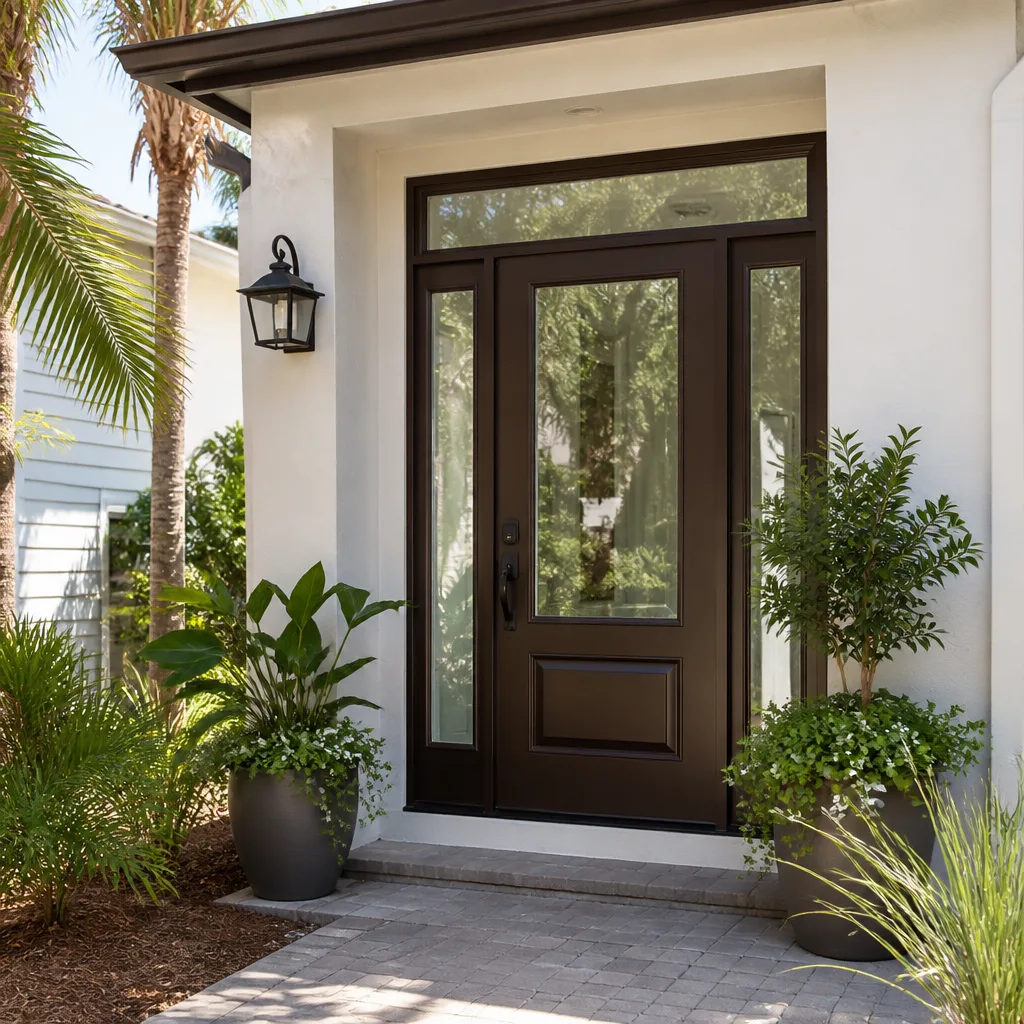
Fiberglass entry doors are the standout for high-UV climates. They don’t delaminate the way steel does, they hold paint well, and they take thermal cycling without warping. Wood doors work if properly finished and maintained, but they need more attention. Steel doors are fine if the exposure is shaded – a north- or east-facing entry that never takes direct afternoon sun. For a west-facing entry, fiberglass is the safer long-term choice.
Patio doors and sliding glass doors are a separate math problem. Sliding units have larger glass areas, which means both more solar gain and more thermal expansion across the track and rollers. A low-SHGC glazing package is essential on any west- or south-facing patio door in Mesquite. Ask about the roller quality and track material; stainless or high-grade nylon rollers hold up better in desert heat than basic plastic rollers.
One note on the bigger picture: if you’re planning a door or window upgrade alongside a broader renovation, it’s worth thinking through how it ties into the rest of the project. Our Groundwork Construction Co. of Mesquite home page outlines the full scope of work we handle across these trades, and a Home Additions & ADU in Mesquite project often starts with an honest conversation about matching new window and door specs to the existing house.
Nevada Energy Code and Permitted Window Replacements
Nevada adopts the IECC (International Energy Conservation Code) with state and local amendments, and Mesquite falls under Clark County’s jurisdiction for permitting. The energy code sets maximum U-factor and SHGC requirements for replacement windows in both new construction and major alterations. The short version: on a permitted replacement, your new windows need to meet the code’s SHGC and U-factor minimums unless a specific “like for like” exemption applies.
What “like for like” substitution means, and what it can’t skip
“Like for like” replacement in code terms means installing a window that matches the rough opening, size, and general configuration of the existing window, without changing the wall envelope. In some jurisdictions, this allows a simpler permit pathway. But it does not automatically exempt you from energy code compliance. The common misunderstanding is that a straight swap of a window with a same-size window skips the code requirement. It usually doesn’t. What it does mean is that you may not need a full envelope review, engineering stamps, or a structural check – you’re not changing wall framing, header spans, or egress.
Where the exemption is real and commonly used: swapping a window without changing the rough opening, keeping the same operational style (a double-hung for a double-hung), and not changing the wall’s insulation or weather barrier. In that case, the permit process is simpler, but the window still needs to demonstrate compliance with the code’s SHGC and U-factor limits for the climate zone. Mesquite’s climate zone designation drives those numbers, so the specific limits are set by the adopted code cycle your jurisdiction is running.
Where “like for like” gets rejected outright: enlarging a window, changing a window to a door, adding a window where none existed, or changing egress window dimensions. Any of those triggers a full permit and code review, and in some cases, added egress or structural requirements.
What to check before you sign
- Confirm the permit requirement. Some replacements need a permit, some don’t. Ask the contractor to put in writing whether a permit is required and whether they’re pulling it.
- Get the code-compliant product number. The window model must meet the applicable SHGC and U-factor limits, and the compliance is documented by the NFRC label and manufacturer’s certification.
- Keep the installation inspection in scope. If the project requires inspection, the contractor should schedule and pass it before final payment – not hand it off to you.
Permits pulled and inspections passed is standard practice at Groundwork Construction Co.: it protects the homeowner from future resale problems and proves the work is done to code. If you’re also planning a driveway refresh or new fencing around the project, the same rule applies. Our Driveway & Pavers in Mesquite team handles permits for those projects, and so does the Fence Installation in Mesquite crew.
Installation Standards That Hold Up in the Desert
Product selection gets most of the attention, but installation is where Mesquite performance is won or lost. A great window installed with the wrong flashing, no backer rod, and thin caulk will leak air, collect dust, and fail its seal early. The NFRC air leakage number is only half the equation; the other half is how the installer frames, seals, and finishes the opening.
The core standard is the flashing and drainage layer. Every window and door on a Mesquite home should be installed with a properly lapped weather-resistive barrier, a sill pan or sloped sill, and a continuous air seal in the rough opening. On the high-desert side, the installer also needs to work with materials rated for UV and thermal movement – flexible sealants that can stretch and compress, not brittle caulk that cracks in a season.
- Rough opening sizing. Over-sized rough openings let windows shift; under-sized ones force compression and stress. The rough opening needs to match the window’s frame plus the manufacturer’s specified shim clearance.
- Sill pan and flashing. The sill must shed water, and the flashing must lap correctly around the opener.
- Air seal and insulation. Foam or backer rod plus a flexible sealant at the interior and exterior gaps.
- Shimming and leveling. Each frame gets shimmed plumb and square so the sash operates freely and the weatherstripping compresses evenly.
- Finishing. Trim, cap flashing, and UV-rated caulk that keeps the exterior envelope sealed through thermal cycling.
This is the part that’s hard to inspect after the fact. Ask any contractor about their sill pan and flashing practice before you sign. A crew that can explain those steps specifically is doing them; a crew that waves it off is cutting corners.
What Window and Door Replacement Costs in Mesquite
Window and door costs in Mesquite reflect a cooling-dominated climate and a smaller contractor market than Las Vegas. Full-frame replacement runs higher than a pocket or insert replacement, fiberglass runs higher than vinyl, and window size and configuration swing the number more than brand name. Here’s a rough pricing structure for planning:
- Standard vinyl pocket replacement window (double-hung, 3×5): roughly $450 to $750 per window, installed.
- Premium vinyl or fiberglass full-frame replacement window: roughly $800 to $1,400 per window, installed.
- Fiberglass or thermally broken aluminum, larger units or specialty shapes: roughly $1,200 to $2,200 per window.
- Standard entry door replacement (fiberglass with basic hardware): roughly $1,500 to $2,800, installed.
- Premium entry door or patio door with low-SHGC glazing: roughly $2,800 to $6,000, installed.
- Permit fees: varies by jurisdiction and project size, typically folded into the contractor’s project cost.
These are planning brackets, not quotes. The exact number depends on opening count, wall condition, access, finish work, and the specific product line. We always recommend a line-item written quote – the number you see is the number you pay, with no change orders unless you request a change. That transparency paired with the 730-Day Done Right Promise is how we hold ourselves accountable on each project: if it’s not done right, we make it right.
Groundwork also offers no-hassle upfront pricing, 0% financing for 18 months, and $1,000 off projects over $10,000. That combination is designed for planning confidence rather than sticker shock. On windows and doors, a mid-sized project of 10 to 15 openings fits comfortably into the financing and the promotion.
Common Mistakes to Avoid
- Buying for U-factor instead of SHGC. In a cooling-dominated climate, a low U-factor window with high solar heat gain will make rooms hotter. Look at SHGC first, U-factor second.
- Accepting unbroken aluminum frames. Bare aluminum frames conduct heat instantly and act as a radiator in Mesquite summers. Always ask for thermal breaks.
- Skipping the permit on a “like for like” replacement. Many replacement windows still need energy code compliance documented, even without a major permit. Get the compliance in writing.
- Ignoring the sun-facing exposure on door selection. A steel door on a west-facing entry in Mesquite is a delamination risk that a north-facing door doesn’t have. Pick the material by exposure, not by what the door looks like on the sample board.
- Not photographing the NFRC label. You want proof of the window’s rated performance before signing. Photograph the label on the sample unit and ask the quote to reference the model number.
- Letting the contractor skip the sill pan. The sill pan and flashing are the waterproofing backbone of the installation and are hard to inspect after completion. Confirm they’re part of the scope in writing.
- Using standard caulk instead of UV-rated exterior sealant. In Mesquite, standard caulk cracks in a season. UV-rated, flexible exterior sealant is what keeps the envelope sealed through thermal cycling.
- Choosing glass without checking visible transmittance. A low-SHGC window with very low VT turns rooms dim and forces you to run lights during the day. Check the VT/SHGC ratio before you sign.
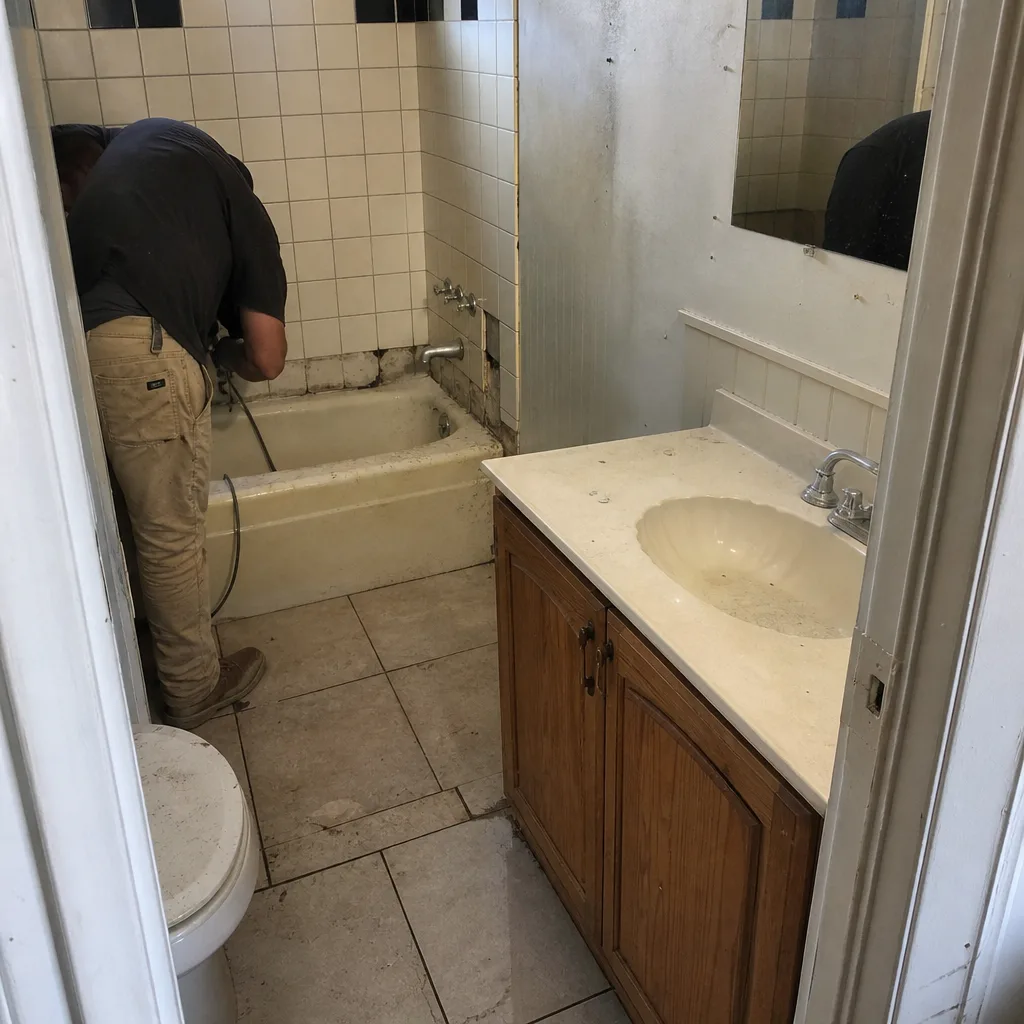
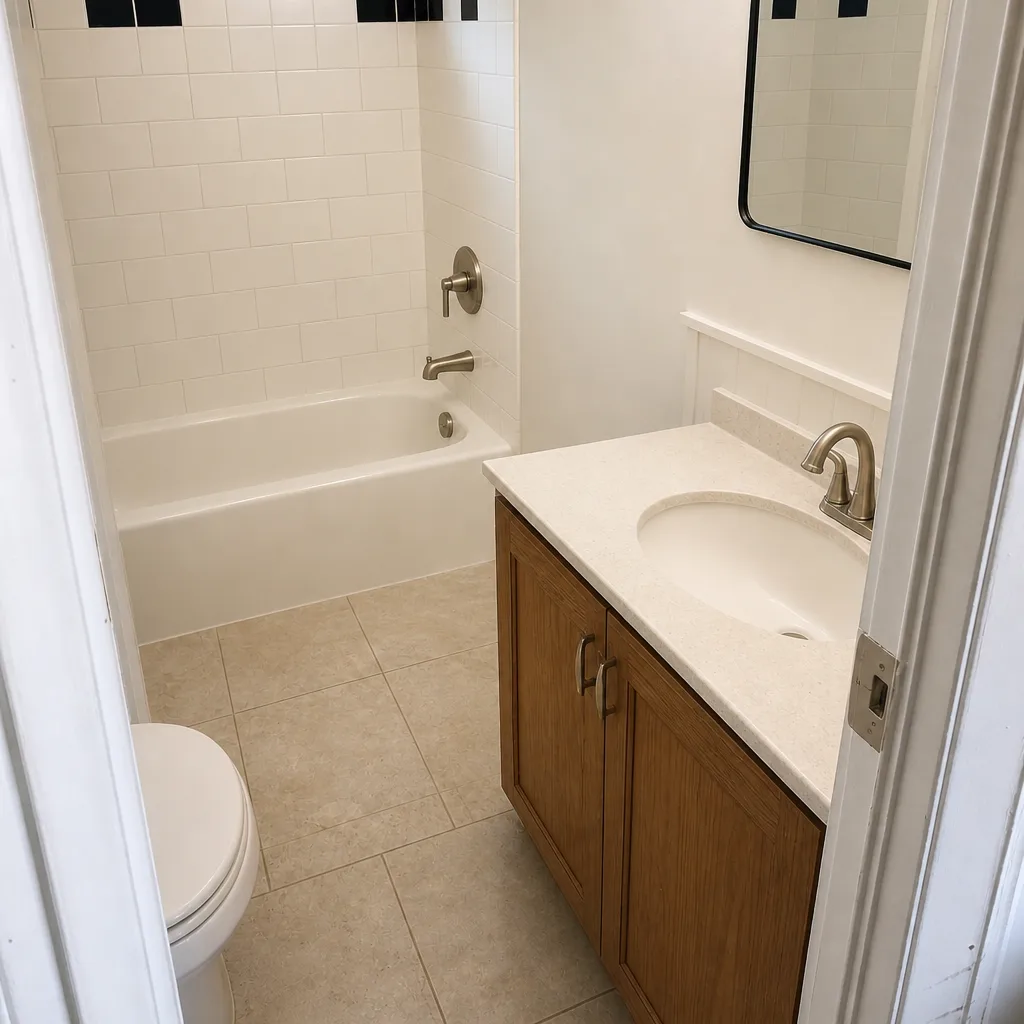
See the difference
 Before
 After
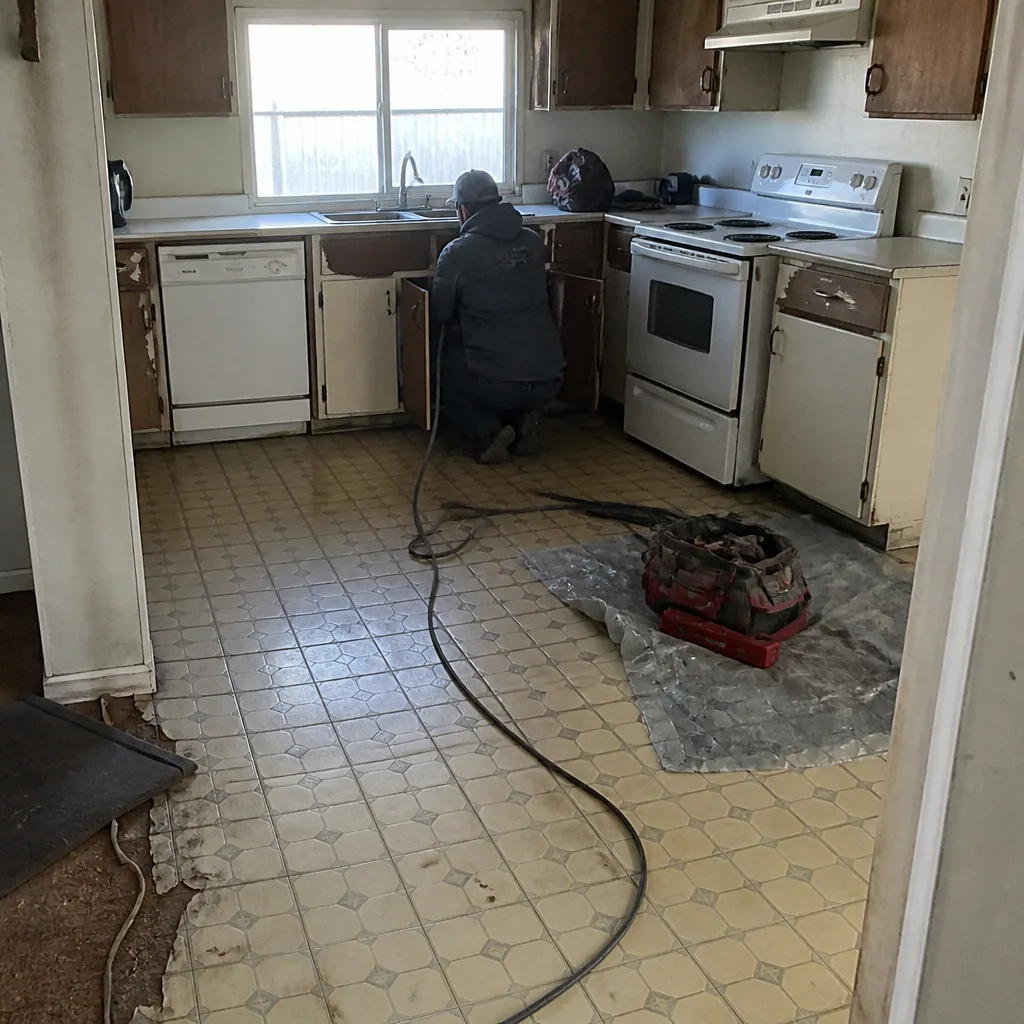 Before
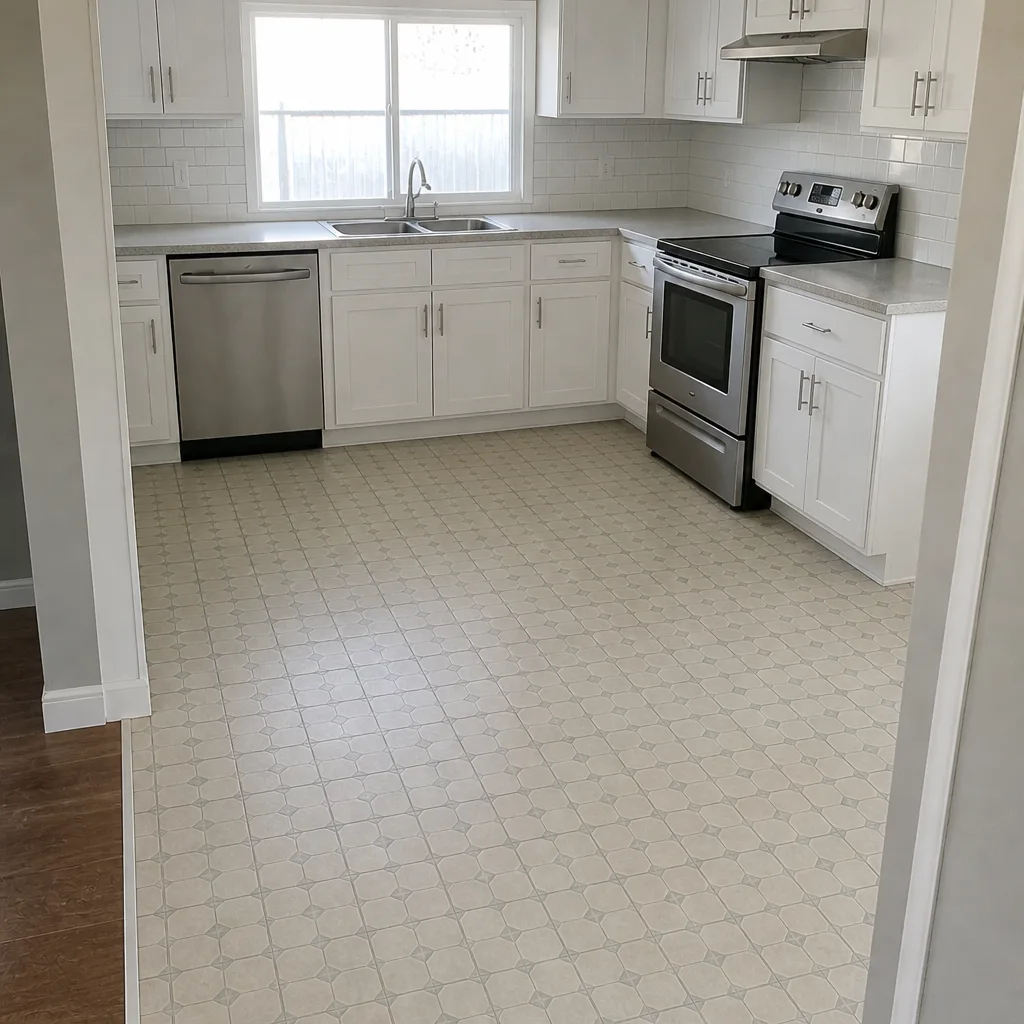 After
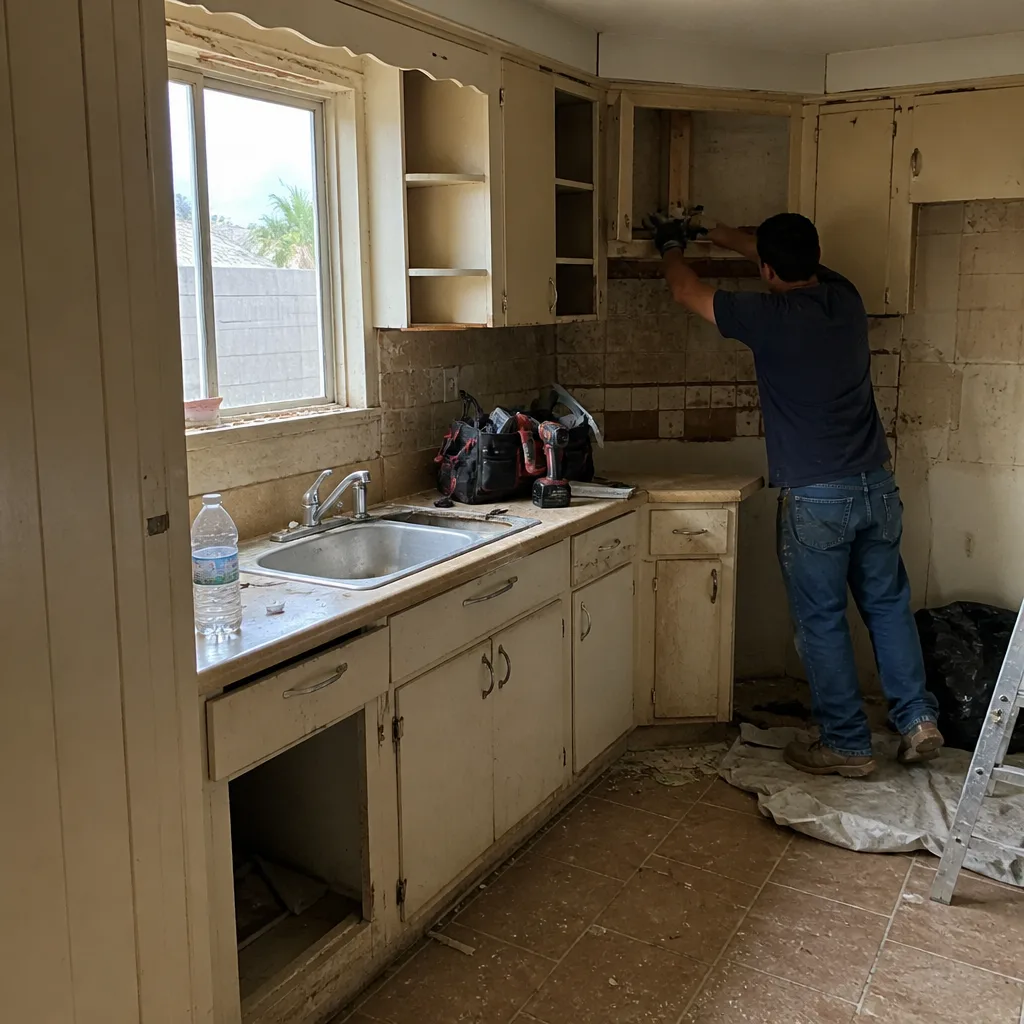 Before
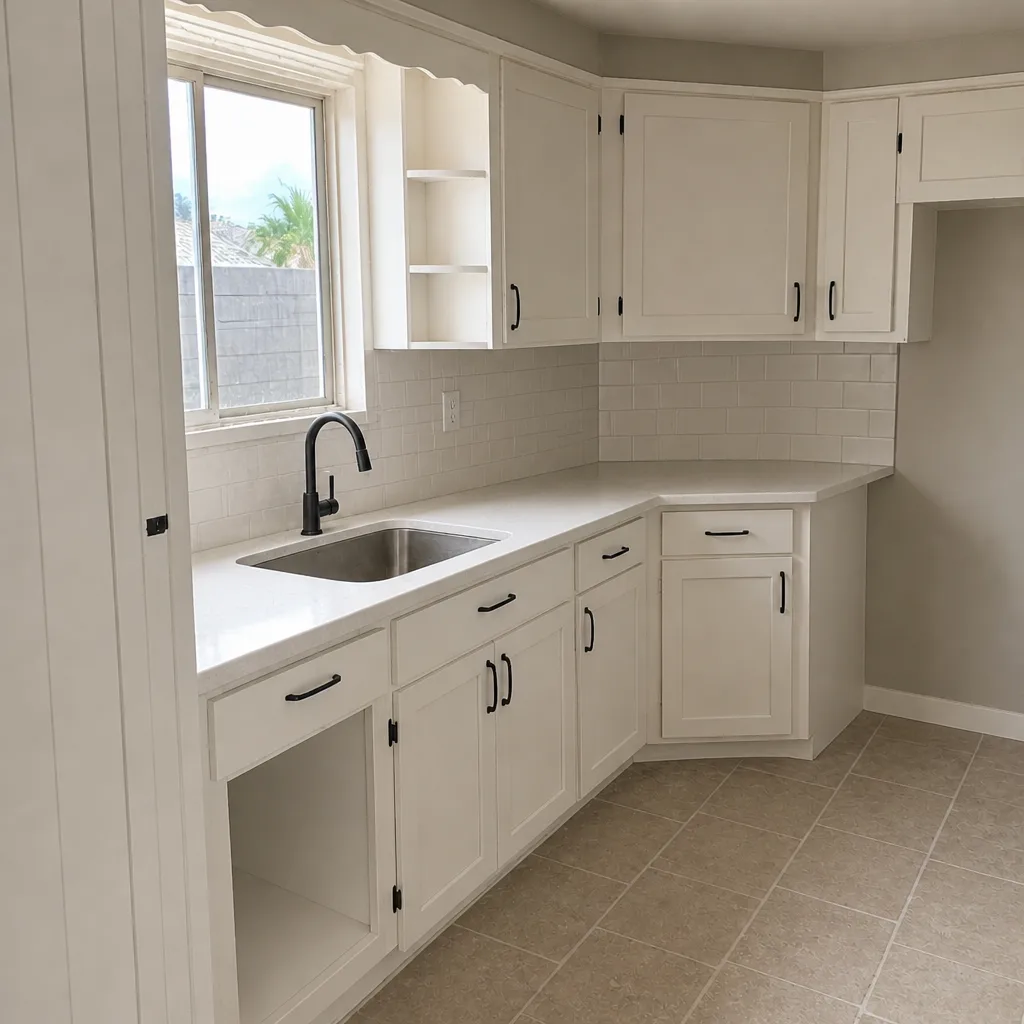 After
When to Call a Professional
Window and door work falls into two categories: jobs a homeowner can tackle and jobs that belong with a trained crew. Replacing a screen, adjusting a sash, re-caulking an existing frame – those are homeowner territory. Full-frame replacement, door replacement in an exterior wall, and any change to the rough opening need a professional. Full-frame work touches the framing, the weather barrier, and the energy envelope, and a bad installation here means air leaks, water intrusion, and premature seal failure that shows up years after the crew is gone.
Additional triggers to call a pro: any window with internal fogging between panes (the seal is gone and the unit needs replacement); a door that sticks, drags, or doesn’t latch after a season of heat cycling (frame movement); a door skin that’s bubbling or peeling; and any replacement that requires a permit or an energy code compliance check. Groundwork Construction Co. of Mesquite offers free estimates in Mesquite at (888) 413-6358, with a written, line-item quote and clear scope. Calls are answered by a live person 24/7, so you’re not waiting until Monday to get a straight answer.
Frequently Asked Questions
Target 0.25 or lower on east, south, and west-facing glass, and up to 0.35 to 0.40 on north-facing windows where direct sun is limited. SHGC is the number that determines how much solar heat enters, so in Mesquite’s cooling-dominated climate, this is the single most important number on the NFRC label. Call (888) 413-6358 for a free estimate that spells out the glazing specs on each opening.
Yes, on thermal cycling specifically. Fiberglass expands and contracts at a rate close to glass, so the seals and corners stay tight through Mesquite’s day-night temperature swings. Vinyl works fine in thicker, premium extrusions, but builder-grade vinyl can show seal failure starting in four to five years on west-facing walls. The fiberglass premium is roughly 20 to 35 percent more per opening.
It depends on the scope. Straight replacements that don’t change the rough opening, envelope, or operational style can use a simpler permit pathway, but the window still needs to meet energy code compliance unless a specific exemption applies. Enlarging an opening, converting a window to a door, or adding a new window always requires a permit. The contractor should confirm the requirement in writing, pull the permit if needed, and pass the inspection. Ask about this at the estimate – call (888) 413-6358 and we’ll spell out the code path for your project.
Fogging between panes means the seal on the sealed glass unit has failed, and moisture has entered the gap. In Mesquite, the cause is usually repeated thermal cycling stressing the spacer bar until the sealant fatigues. The unit can’t be “cleaned” or re-sealed in place – the insulated glass unit has to be replaced. In many cases you can keep the frame and swap the glass unit, which costs less than a full window replacement.
They’re the highest-risk choice on an exposed west-facing wall. Steel door skins can delaminate when moisture gets behind the skin, and Mesquite’s UV and heat cycling accelerate that process. Fiberglass is the safer long-term material for a west-facing entry; steel works fine on shaded north- or east-facing entries. If you’re considering a steel door, ask about the skin warranty and the exposure rating. Call (888) 413-6358 to talk through the best material for your specific door and exposure.
For planning: vinyl pocket replacements run roughly $450 to $750 per window installed, premium vinyl or fiberglass full-frame replacements run roughly $800 to $1,400 per window, and fiberglass or thermally broken aluminum in larger or specialty sizes runs roughly $1,200 to $2,200 per window. Entry door replacement runs roughly $1,500 to $2,800, and patio doors with low-SHGC glazing run roughly $2,800 to $6,000. These are brackets, not quotes. Call (888) 413-6358 for a free, line-item estimate on your specific openings.
The Bottom Line
Windows and doors in Mesquite live in a performance envelope that national buying guides were never designed for. If you take one thing from this guide, take this: prioritize SHGC over U-factor, choose fiberglass or thermally broken frames over unbroken vinyl or aluminum, and photograph the NFRC label on every window you buy. On doors, pick the material by exposure – fiberglass for west-facing, and steel only where you’re shaded. And on permitted work, get the energy code compliance and permit scope in writing. Groundwork Construction Co. of Mesquite is here to walk you through the specs on your specific project. Call (888) 413-6358 to schedule your free estimate.
Written by the team at Groundwork Construction Co. of Mesquite.