


Free written scope consultation - allowances, timeline, and change-order rules on paper before a single trade is scheduled
Styles & brands we work with
- Kitchen remodeling
- Bathroom remodeling
- Home additions & ADU
- Roofing
- Windows & doors
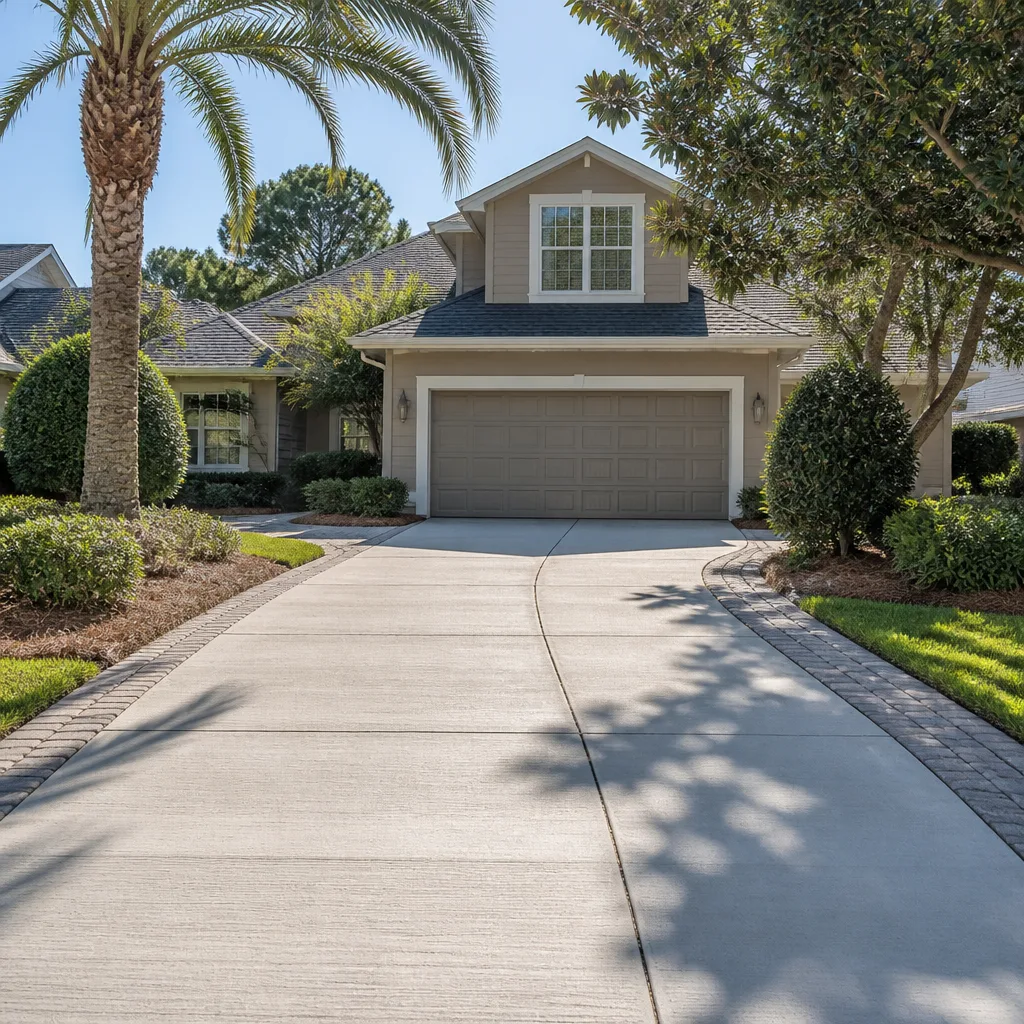
- Driveway & pavers
- Fence
See the difference
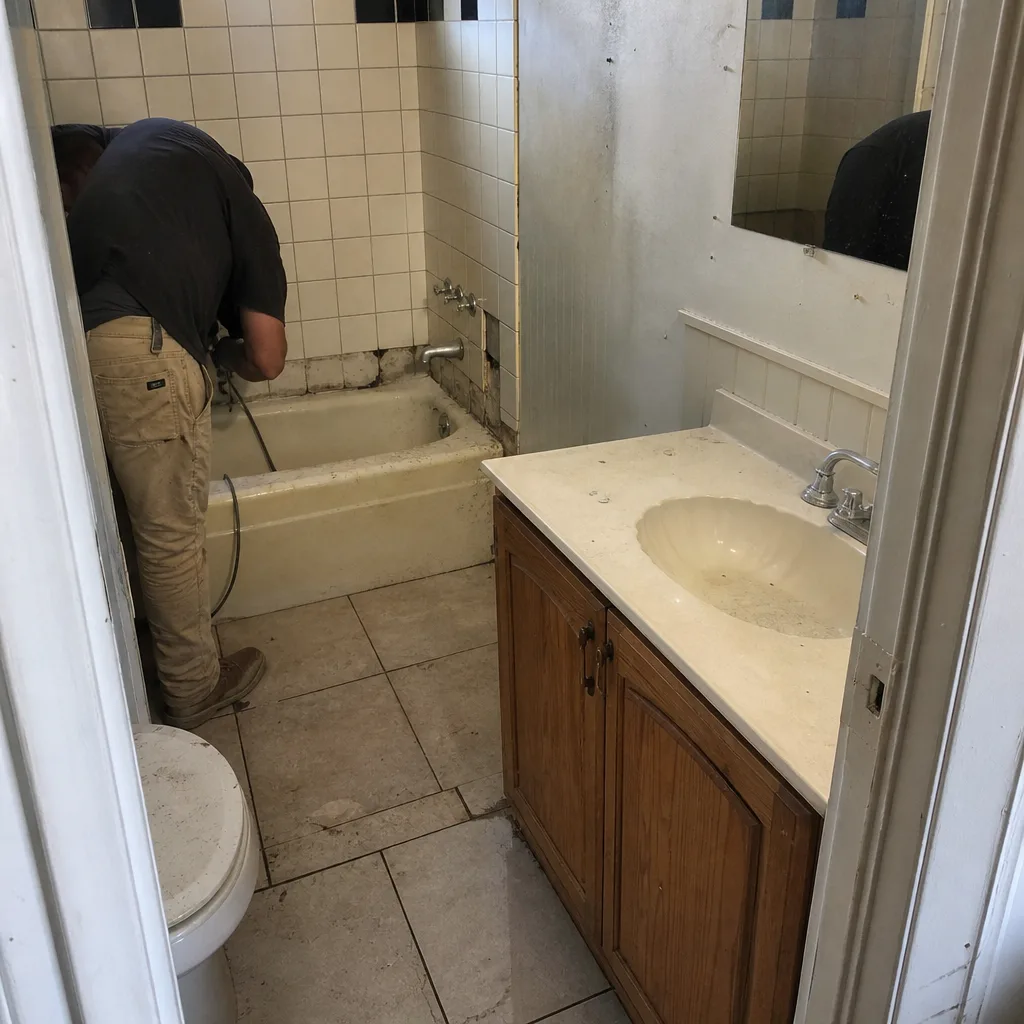 Before
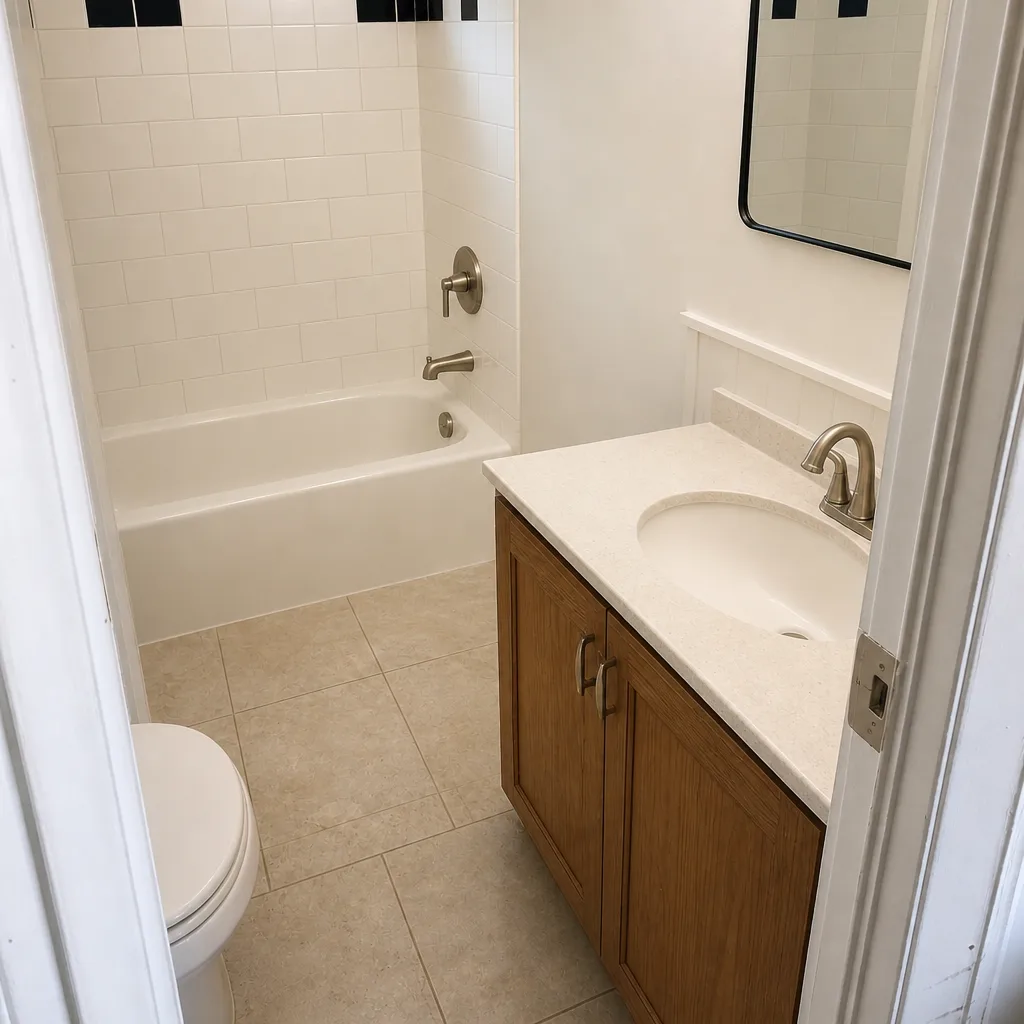 After
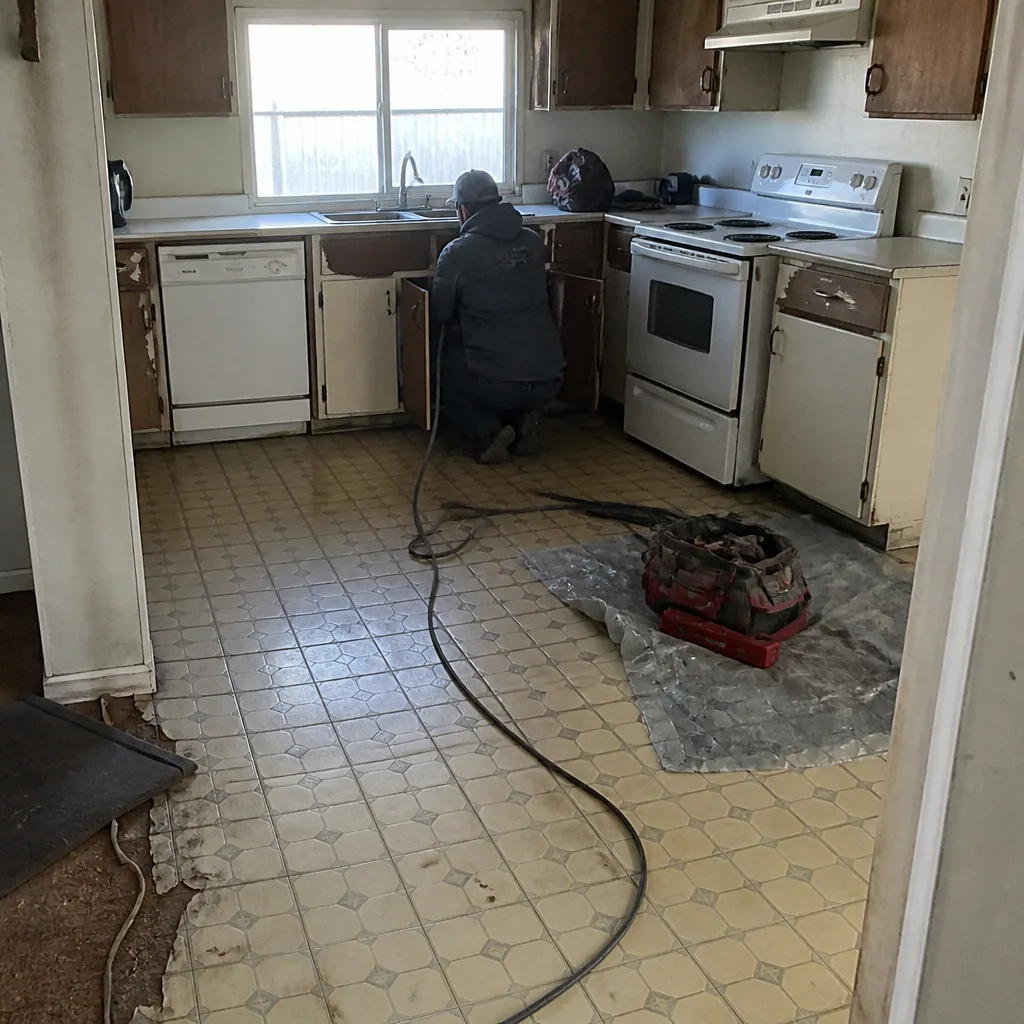 Before
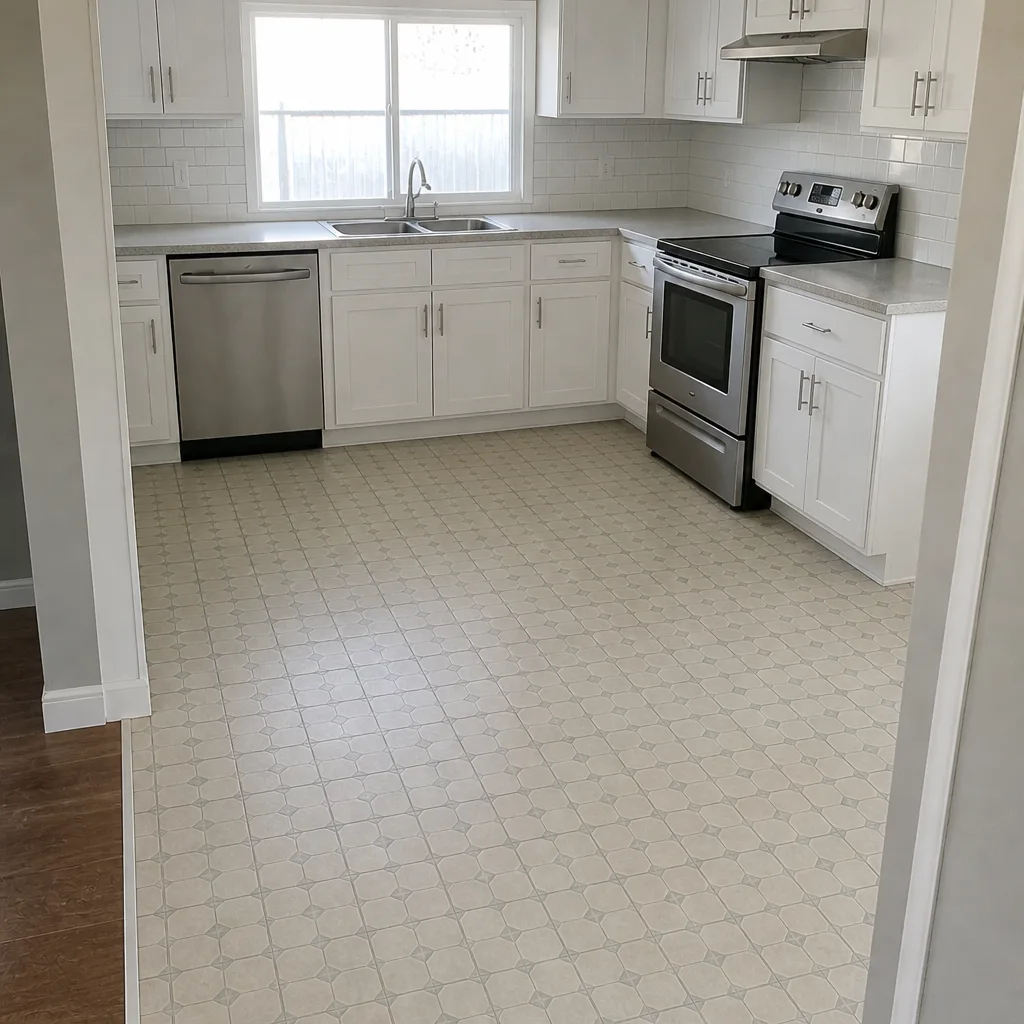 After
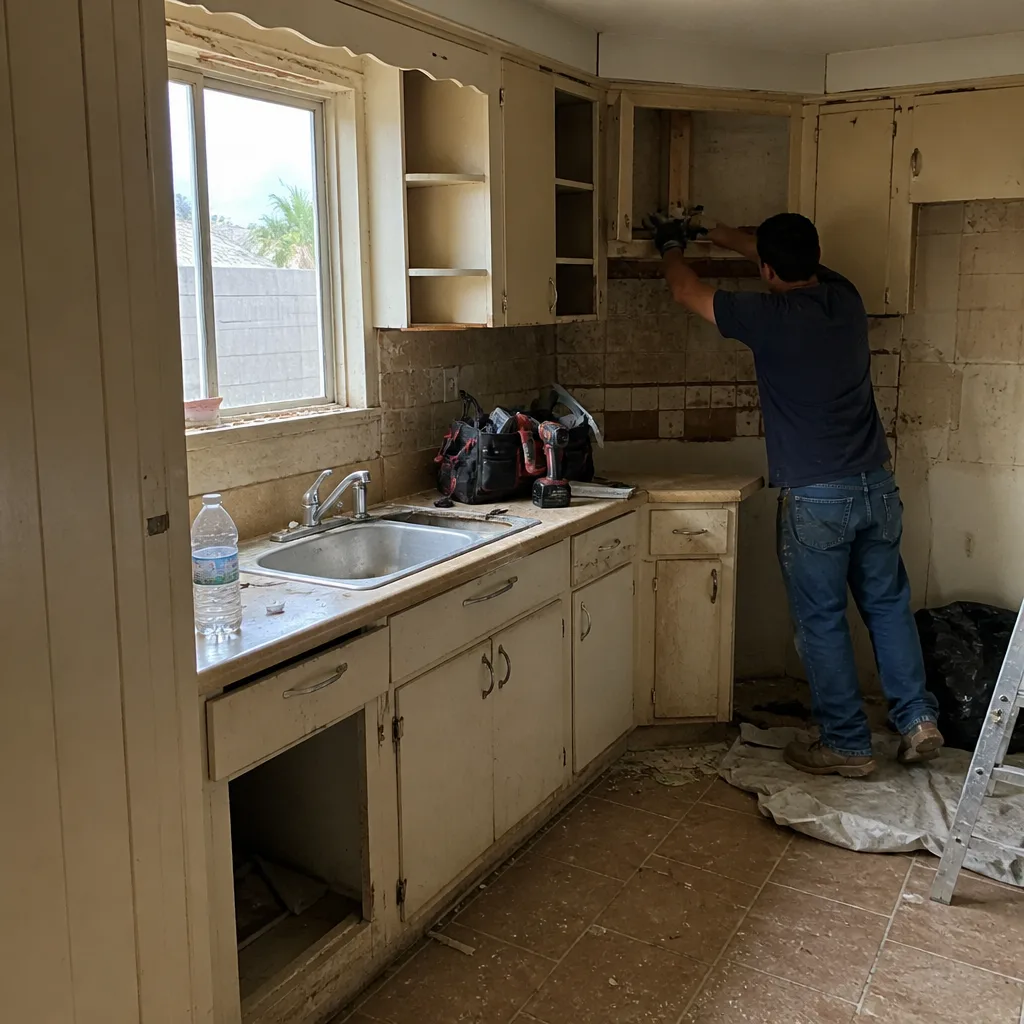 Before
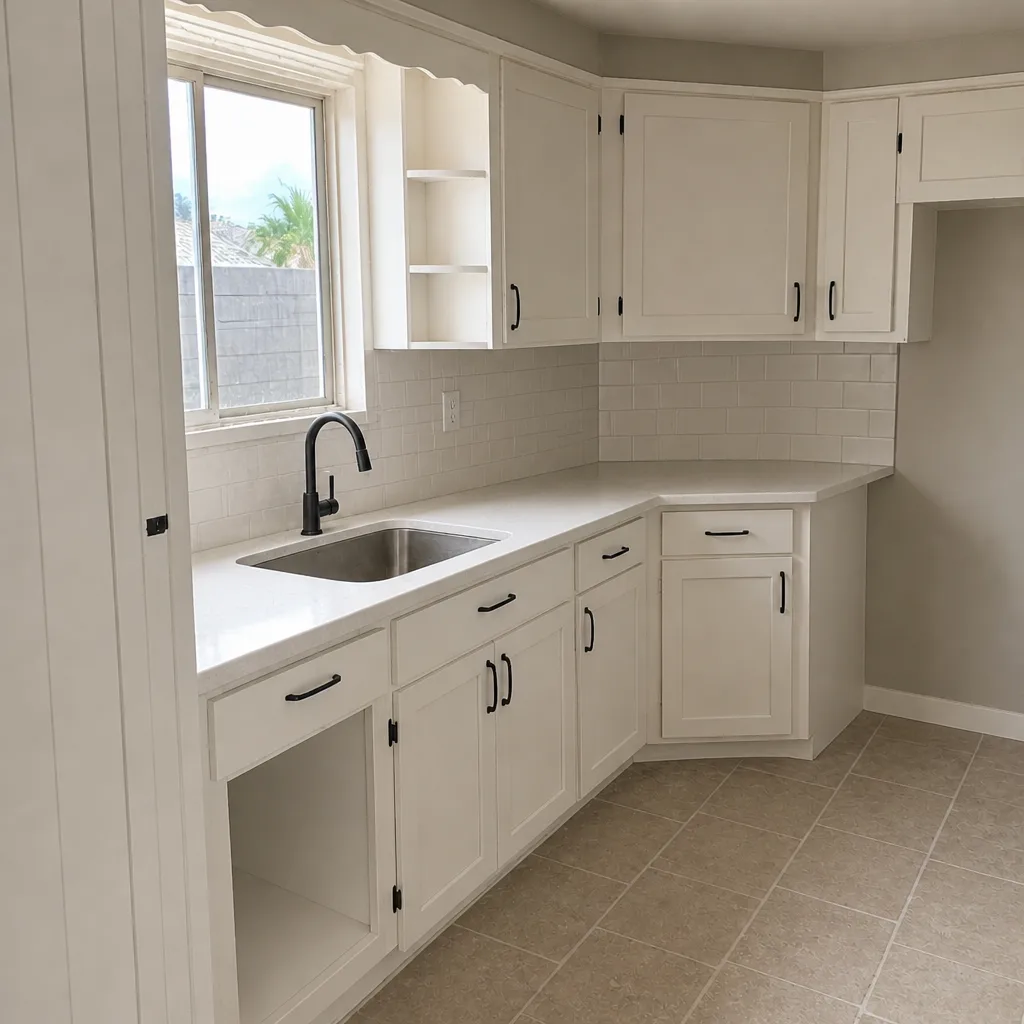 After
How Long Before You Can Drive on New Concrete in Mesquite, NV?
The short answer: 7 days for a passenger car and a full 28 days for anything heavy – truck, trailer, RV – but only if the slab was actively cured. In Mesquite’s summer heat, that “7 days” assumes a pour that held its moisture, and a July slab here can lose surface water within hours. Concrete hardens by hydration, not drying, and the water that drives the chemical reaction evaporates fast at 105°F. Get the curing wrong and the calendar lies to you. Call (888) 413-6358 and we’ll talk through your pour.
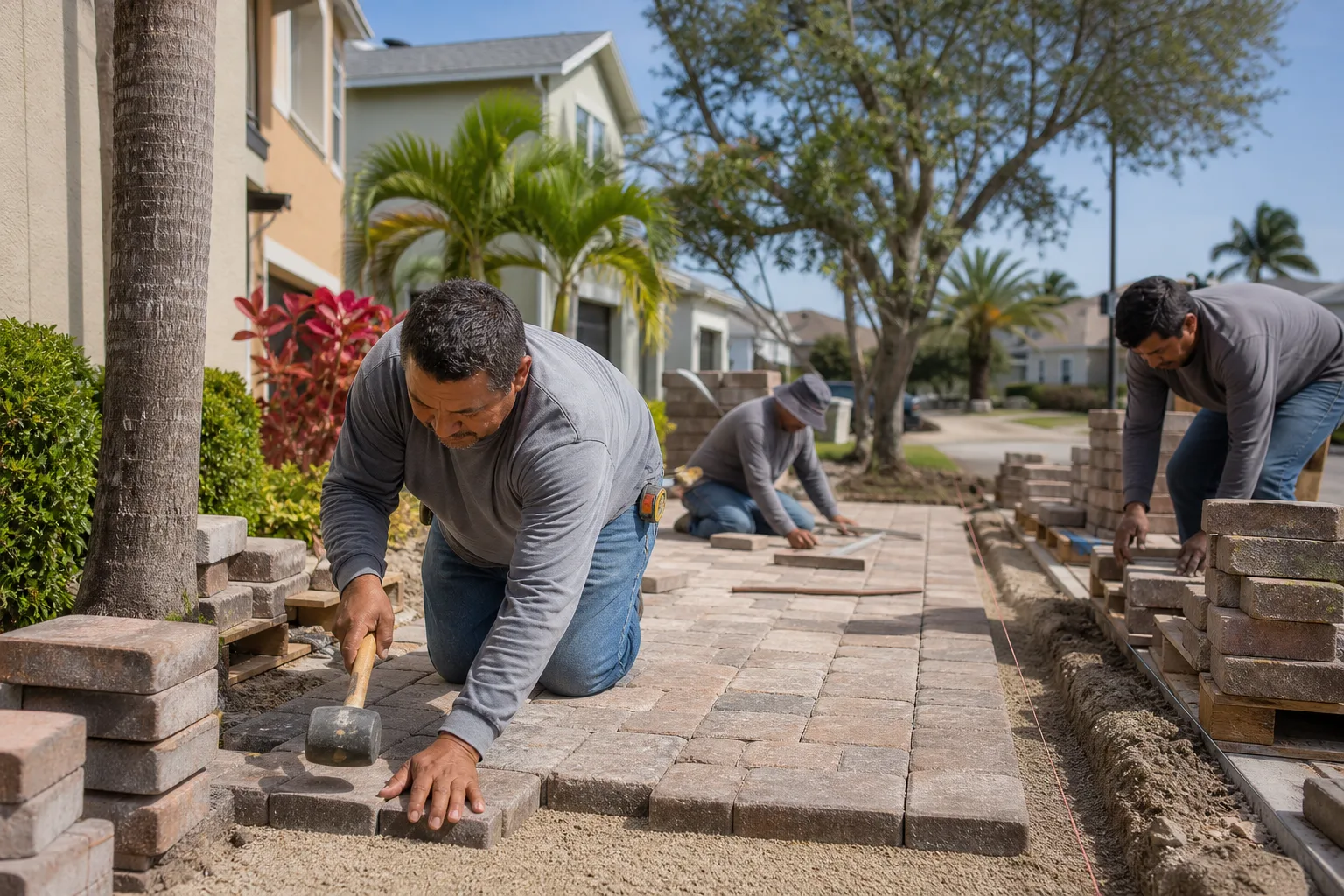
Why Mesquite Heat Rewrites the Cure Schedule
Mesquite sits down in the Virgin River gorge, and summer afternoons here push past 105°F with UV that bakes a fresh slab. That heat does two things at once, and they pull in opposite directions. In the first 24 hours it speeds up early strength gain, so the concrete feels hard fast. But over the following weeks, if the mix loses the moisture it needs, the ultimate 28-day strength comes in lower than the mix design promised. The slab that felt rock-solid on day two can end up the one that scales and hairline-cracks by fall.
This is the part the generic internet answer never flags. “Foot traffic in 24 to 48 hours, vehicles in 7 days” was written for mild conditions – roughly 70°F, moderate humidity. A Mesquite July pour is not that. Without active curing measures, surface strength lags the schedule by days, and driving on it at day 7 is a real risk of surface damage, not a technicality.
The housing stock here makes this matter more than it might elsewhere. Much of Mesquite is slab-on-grade – the 1980s-to-2000s stucco homes around Sun City and Highland Hills, and the newer custom builds and townhomes going up now. There’s no basement, no crawlspace. The slab is the floor and the driveway and the patio, all at once. Treating the cure right is treating the house right.
What Actually Determines Your Drive-On Date
Three things decide when you can park on a slab: the mix, the weather during the pour, and what was done to hold moisture in the first 72 hours. Of those, the curing protocol is the one a homeowner has the least visibility into – and the one that most affects whether the surface holds up.
- Evaporation retarder during finishing. A spray-on product that slows surface drying while the crew still has tools on the concrete. Buys working time in heat.
- Curing compound right after finishing. A membrane that seals moisture in. Applied immediately, it’s the minimum for a desert pour.
- Wet burlap or plastic film for 72 hours in peak summer. The heavier measure for July and August pours. Keeps the surface damp through the critical early window.
Each step buys back some of what the heat takes. A pour with all three holds closer to the standard schedule. A pour with none of them can be behind by a week or more on surface strength even though the calendar says otherwise.
There’s a permitting wrinkle here too. Clark County’s floodplain rules for the Virgin River wash mean even a modest slab project on the north side can trigger a drainage study before a shovel hits dirt. That’s not a delay to resent – it’s the county making sure your new driveway doesn’t become the neighborhood’s erosion problem after a monsoon dump. Builders here plan around it.

Light vs. Heavy: What “Driving On It” Really Means
Here’s the check most people skip. “7 days for vehicles” is written for a passenger car. Not a half-ton pickup loaded with landscaping rock, not a boat trailer, not a 30-foot RV. Weight is the whole story.
| Traffic type | When it’s safe (properly cured pour) |
|---|---|
| Foot traffic | 24 to 48 hours |
| Passenger car / light SUV | 7 days |
| Loaded pickup, trailer, RV, heavy truck | 28 days, regardless of season |
“Light” means a standard sedan or crossover, one vehicle, no sustained load. A work truck parked on a fresh driveway while a crew unloads materials is not light traffic. The 28-day rule applies, and there’s no shortcut around it – not in winter, not in a cooler October, not because the concrete “looks done.”
How to Check a Fresh Mesquite Slab Before You Drive on It
You can make a reasonable call on curing quality with your eyes and a coin, before the tires ever touch it. What to look for:
- Color uniformity. A properly cured slab reads even across the surface. Patchy light and dark areas suggest uneven moisture loss.
- Curing compound residue. A faint film or sheen right after the pour is a sign a membrane went down. A bone-dry, chalky surface with no trace of it is a question worth asking.
- Surface hardness. A coin dragged across the surface should barely mark it after a few days. If it scratches easily, the top layer hasn’t set up the way it should.
- Early scaling or flaking. Any flaking at the edges or surface in the first two weeks is a curing defect, not normal wear.
If a slab fails those checks, call a pro before parking on it. Damage from driving on an under-cured slab is the kind you can’t walk back – and it’s exactly the scenario the 730-Day Done Right Promise exists for.
Groundwork’s Curing Protocol, In Writing
Groundwork Construction Co. of Mesquite specifies the curing protocol in the contract for every pour – evaporation retarder during finishing, curing compound applied immediately after, wet burlap or plastic film for 72 hours on peak-summer pours. It’s in writing because curing shouldn’t be left to crew discretion on a hot July afternoon. Our technicians have up to 12 years of experience, and the standard doesn’t move based on how hot it is or how much is on the schedule.
That protocol is backed by the 730-Day Done Right Promise: if surface scaling or cracking traces back to a curing defect, we make it right. Upfront pricing means the number on your estimate is the number you pay – no line item added after the slab’s already poured. New concrete work runs $4,500 to $12,000 for a standard driveway, and a Driveway & Pavers project with pavers sits at $7,000 to $18,000 for comparison. Call our team for a free estimate and design consult – we answer the phone live, 24/7 – and we’ll lay out exactly when your slab is ready for tires.
FAQs
Wait the full 28 days, no exceptions. An RV concentrates load on a small footprint, and even a properly cured summer slab needs the full 28-day window to reach its design strength before that weight goes on it. The 7-day rule is for passenger cars only. Call (888) 413-6358 if you’re unsure your slab was cured correctly.
No – “looks dry” and “is strong enough” aren’t the same thing. Concrete gains strength through a chemical reaction that keeps going long after the surface feels hard, so a slab that’s dry at 3 days can still be well short of drive-on strength. Wait the standard interval, and verify the curing was done right. Call (888) 413-6358 for an assessment.
Yes, if the crack traces back to a curing defect rather than ordinary traffic or a load the slab wasn’t rated for. The 730-Day Done Right Promise covers surface scaling and cracking caused by curing mistakes, and we verify against the curing protocol we specified in the contract. Call (888) 413-6358 to have it looked at.
A summer pour needs active moisture-holding from the moment finishing ends, while a cooler-season pour gives you more working time and less evaporation pressure. In July and August we add wet burlap or plastic film for 72 hours to hold the schedule. Winter pours are more forgiving, but the 28-day rule for heavy vehicles holds year-round. Call (888) 413-6358 for a season-specific timeline.
If you’d rather have it looked at, Groundwork Construction Co. of Mesquite offers a no-pressure assessment in Mesquite – we’ll check the cure, explain the drive-on timeline for your specific pour, and put the pricing in writing. Reach us at (888) 413-6358 for a free estimate and a straight answer on your slab.
Written by the team at Groundwork Construction Co. of Mesquite, serving Mesquite, NV.