Last updated November 18, 2026
Free written scope consultation - allowances, timeline, and change-order rules on paper before a single trade is scheduled
The Complete Driveway & Pavers Guide for Mesquite Homeowners
Most paver installation guides were written for the Pacific Northwest or the Mid-Atlantic. Mesquite, NV gets 300+ days of sun and soil that expands and contracts like it’s trying to escape – and that changes every single decision from base depth to joint sand selection. A guide built for Seattle’s drizzle will hand you a driveway that cracks and heaves inside two summers here. In this guide, we’ll cover why caliche layers demand a deeper compacted base than the national standards call for, which pavers survive sustained 110°F surface temperatures, how to clear Mesquite HOA color rules before you spend a dime, how to slope a flat desert lot so water never pools under the stone, and why the joint sand you choose matters more here than almost anywhere else in the country.
Quick Answer
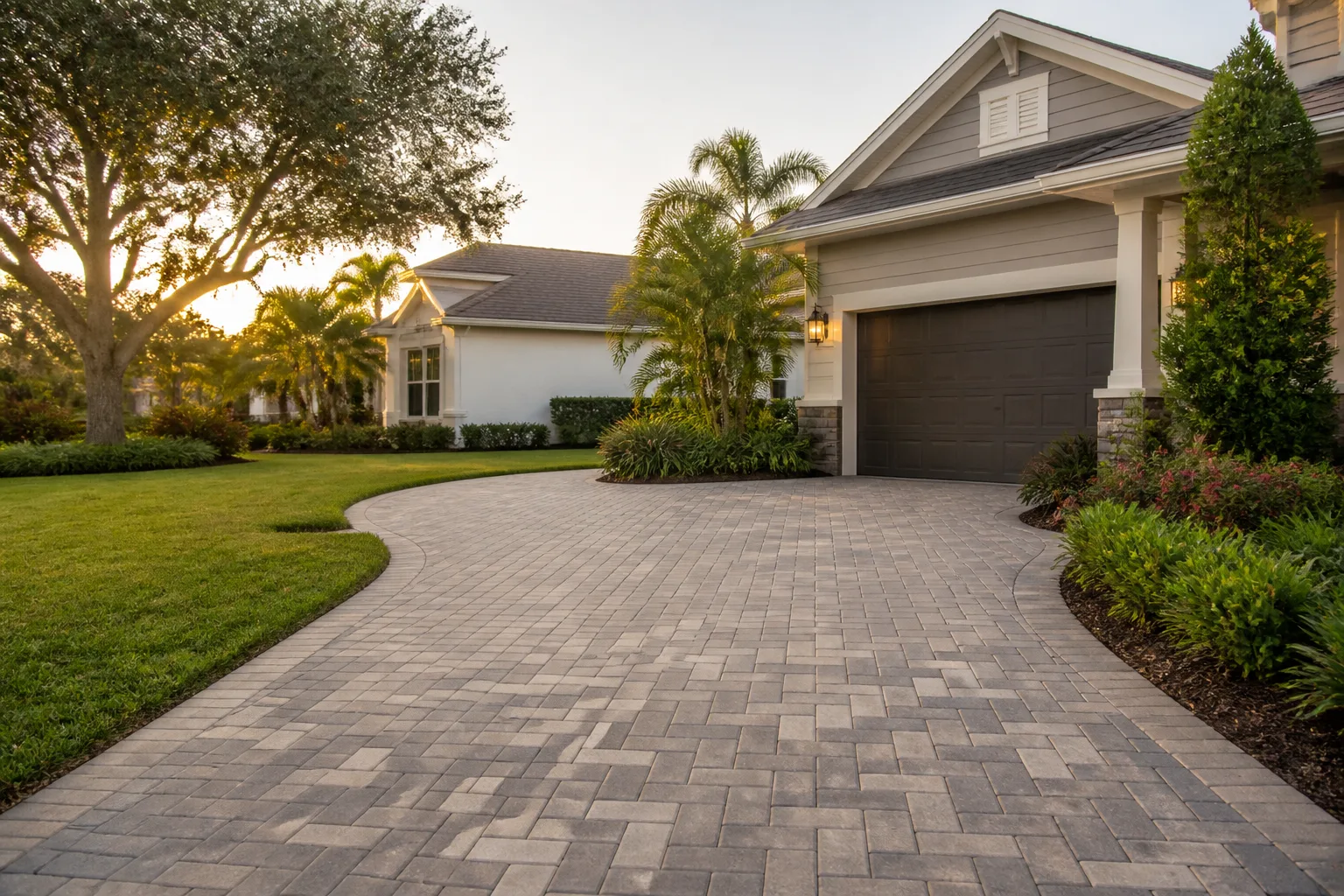
In Mesquite, a driveway built to survive the local climate needs a compacted base of 6 to 8 inches (not the 4 inches common in national guidance), a paver rated for sustained high heat, a minimum 2% drainage slope away from the house, and polymeric joint sand rather than plain sand. Skip any one of those and the extreme heat-and-freeze cycle will open joints, shift stones, and crack the surface within a couple of years. Done right, a Mesquite paver driveway holds its line for a decade or more.
Styles & brands we work with
- Kitchen remodeling
- Bathroom remodeling
- Home additions & ADU
- Roofing
- Windows & doors
- Driveway & pavers
- Fence
Table of Contents
- Why Mesquite’s soil changes everything about paver base depth
- Which paver materials hold up to 110°F heat – and which don’t
- Mesquite HOA color and material restrictions: getting approval first
- How to slope and drain pavers on a flat desert lot
- Polymeric sand vs. standard jointing sand in a UV-heavy climate
- What a paver driveway actually costs in Mesquite
- The step-by-step installation sequence, done correctly
- Keeping a Mesquite paver driveway looking sharp for years
Why Mesquite’s soil changes everything about paver base depth
Walk the ground in Mesquite and you’re rarely standing on soft, forgiving dirt. Much of the valley sits on caliche – a hard, cemented layer of calcium carbonate that forms when minerals leach down through desert soil and dry into something closer to concrete than earth. Caliche doesn’t drain. Water that hits it stops. That single fact reshapes how a driveway has to be built.
National paver guidance commonly calls for a 4-inch compacted base of crushed aggregate under a residential driveway. In a wet, moderate climate that works. In Mesquite, we regularly see that depth fail because the ground underneath doesn’t move the way the guide assumes. Caliche and expansive clay layers swell when they get moisture and shrink when they dry out, and the temperature swing between a 110°F July afternoon and a freezing January night drives that cycle hard. The base has to absorb that movement and still lock the pavers in place.
What that means in practice:
- 6 to 8 inches of compacted aggregate is the working standard for a Mesquite driveway, layered and compacted in lifts of 2 to 3 inches apiece. Compacting a foot of base in one pass leaves loose material underneath that will settle later.
- Geotextile fabric between the native soil and the base keeps fine caliche dust from migrating up and contaminating the aggregate, which otherwise degrades the base from within.
- Excavation has to cut through or remove caliche rather than being laid over it. A paver crew that skips this step hands you a driveway that rocks and heaves within the first summer.
- Edge restraint is not optional in this soil. Without a properly spiked restraint, the field spreads outward and the joints open.
This is the single biggest reason generic paver advice misfires in Mesquite. The base is 80% of the job and almost none of it is visible when the crew drives away.
Which paver materials hold up to 110°F heat – and which don’t
Paver surface temperature in Mesquite is a different animal from air temperature. On a mid-July afternoon, a dark driveway surface can read 140°F to 150°F in direct sun. Materials that look fine on a showroom rack can fade, chalk, or crack under that sustained load. Here’s how the common options hold up.
What performs well
- Clay brick pavers fire at over 2,000°F during manufacturing, so a Mesquite summer is a routine day for them. They hold color and resist fading, though they cost more per square foot and require a slightly deeper base because of their rigidity.
- High-density concrete pavers with integral color (Belgard, Unilock, and similar premium lines) are engineered to hold their tone under UV exposure. The pigment runs through the full stone rather than sitting on the surface, so there’s nothing to wear away.
- Light-colored pavers reflect more heat and stay cooler underfoot, which matters if you’re walking on the driveway barefoot in July.
What to avoid or use with caution
- Thin veneer pavers under 2 3/8 inches can’t handle the thermal expansion and will crack at the corners.
- Surface-tinted or painted concrete pavers fade fast under Mesquite’s UV index. The tint film chalks and peels within a couple of seasons.
- Very dark pavers are fine thermally but get painfully hot to the touch in summer, so think twice about them along a walkway leading to the front door.
- Natural flagstone can work, but it’s more prone to cracking in extreme heat swings and needs careful bedding to survive the freeze cycle.
Our technicians have up to 12 years of experience selecting and installing pavers in desert conditions, and the material choice is where most of the long-term performance gets decided. Pick the right stone and the driveway is done. Pick the wrong one and you’ll be replacing it in year three.
Mesquite HOA color and material restrictions: getting approval first
Mesquite has a dense HOA footprint. Neighborhoods across the valley have architectural review committees with written guidelines on both color and material, and a crew that shows up to install a driveway the committee hasn’t approved can be stopped mid-job and told to remove it. That’s a five-figure mistake. The workaround is straightforward: get approval before you sign a paver contract.
Common restrictions you’ll see in Mesquite communities:
- Color palettes matched to the surrounding desert landscape – earth tones, tan, beige, and muted greys are the usual approved range; bright reds, blues, and stark whites are typically rejected.
- Material bans on certain stamped or decorative patterns in front yards where consistency with the neighborhood is a priority.
- Maximum coverage rules that cap how much of the lot can be hardscape, which can clip a driveway expansion or patio addition.
- Border and pattern requirements – some HOAs require a defined border course or specify the joint pattern.
How to clear the process cleanly:
- Pull your HOA’s architectural guidelines from the community website or the management company, and read the landscape and hardscape sections specifically.
- Select 2 to 3 candidate pavers from manufacturer sample boards and get physical samples in your hand before submitting.
- Submit the application with the exact manufacturer name, color name, pattern, and coverage area – vagueness is what gets rejected.
- Wait for written approval. Verbal “you’re fine” from the committee chair does not survive a change of board.
- Keep the approved paperwork in your project folder. It’s your evidence if anyone questions the work later.
A contractor who does this for a living knows the HOA review timelines for the communities they work in. If you’re not sure who handles your architectural review, we can walk you through the process during the estimate.
How to slope and drain pavers on a flat desert lot
Desert lots look flat, but water runoff is exactly where pavers get wrecked. A monsoon burst in July can dump a half-inch in 15 minutes, and if the driveway drains toward the house or ponds on the surface, that water finds its way under the pavers and into the base. That’s when the ground swells, the stones lift, and the whole field starts rocking.
The rule that governs slope is simple: pavers need to shed water away from the house at a minimum 2% grade, which is roughly a quarter-inch drop per linear foot. That sounds tiny, but a 20-foot driveway needs at least 5 inches of total fall from the garage apron to the far end, and every foot of that has to be built in deliberately.
How to plan for it:
- Slope away from structures. The high point is always at the garage or the house. Water flows downhill from there.
- Slope toward the street or a designed swale, whichever the lot allows. Never slope toward a neighboring property line or a fence.
- Set the base to match the finished slope. Rolling the pavers out on a flat base and expecting the surface to drain is how pooling happens. The base has to hold the grade before the sand layer is screeded.
- Add a drainage channel at the apron if the lot doesn’t have enough fall toward the street. A linear trench drain captures water that would otherwise pool against the garage door.
- Check low spots at the street and perimeter. Municipal tie-in elevation varies lot to lot, and a proper layout maps the whole drainage path before the first shovel goes in.
We can’t stress this enough: on a flat-looking Mesquite lot, the drainage plan is what separates a driveway that lasts 15 years from one that lifts in three. It’s also the step most easily skipped when a crew is running behind.
Polymeric sand vs. standard jointing sand in a UV-heavy climate
The joint sand between pavers is what holds the field together, blocks weed growth, and stops rain from running straight down into the base. In a low-humidity, high-UV climate like Mesquite, the choice between polymeric sand and plain jointing sand is not cosmetic. It’s the difference between a locked driveway and a loose one.
- Standard jointing sand is loose aggregate that gets swept into the joints. It doesn’t harden. In Mesquite, wind works it out of the joints within a season, and each rainstorm washes more of it away. You end up topping it off every spring. It also grows weeds in the surface layer, because the sand holds enough moisture to germinate seed.
- Polymeric sand contains a polymer binder that activates when water is applied, locking into a firm, semi-flexible joint. It resists washout, blocks weeds, and holds up under UV far better than plain sand. The key is choosing a polymeric product rated for desert use – some older formulations get brittle in sustained heat and crack, so the product matters. The better grades stay slightly flexible and breathe with the pavement rather than fighting it.
Two things about polymeric sand in Mesquite specifically:
- Apply it in the cooler part of the day. On a 105°F afternoon, the pavement surface is too hot for the polymeric binder to cure properly, so a crew that knows the climate will schedule joint sanding for early morning or evening.
- Follow the cure window. After the sand is set and activated, the driveway needs to stay dry for the manufacturer’s cure period, typically 24 hours. Plan to keep vehicles off for at least that long.
If your existing driveway has loose joints and blowing sand, re-sanding with a proper polymeric product is a low-cost fix that extends the life of the install significantly.
What a paver driveway actually costs in Mesquite
Pricing in a desert market with caliche excavation, deeper base requirements, and HOA compliance work isn’t the same as pricing in a milder climate with soft soil. Expect to pay more per square foot than the national averages you see quoted online, and expect the categories of the bill to be specific. Below is a rough breakdown of what line items drive a Mesquite paver driveway cost. Every project is different, so treat these as planning ranges rather than firm quotes.
- Paver material: standard concrete pavers run lowest per square foot; clay brick and premium engineered lines (Belgard and Unilock grade) sit higher. Expect meaningful variation between the two.
- Base excavation and caliche removal: a substantial line item in Mesquite because of the hard subsurface. A crew that quotes this at “standard” cost is often skipping the work.
- Compacted aggregate base: 6 to 8 inches deep, installed in lifts, adds to both material and labor cost. Skipping this step is how “low bids” exist.
- Drainage work: trench drains, graded swales, and any municipal tie-in corrections. Varies widely with lot elevation.
- Edge restraint and polymeric joint sand: fixed cost per linear foot and per square foot respectively.
- HOA review support: not a line item on the driveways themselves, but worth factoring in because rejected plans cost time and money.
We price with written line items, the number you see is the number you pay unless you change the scope, and projects over $10,000 qualify for $1,000 off plus 0% financing for 18 months. That’s how we keep a five-figure hardscape project predictable.
The step-by-step installation sequence, done correctly
Here’s the full installation sequence for a Mesquite paver driveway. This is what good work looks like, in order. It’s worth knowing even if you hire it out, because the brief tells you what to ask about.
- Layout and utility locate. Mark the driveway footprint, verify grades against the house and street, and call for utility locates before anything is disturbed.
- Excavate to design depth. Cut through caliche and remove enough native material to make room for the full base plus bedding sand plus paver depth.
- Lay geotextile fabric. Separates the native soil from the base and prevents fine particles from migrating up.
- Install the base in lifts. 6 to 8 inches of crushed aggregate, compacted in 2 to 3-inch lifts with a plate compactor. This is the step that gets rushed and shouldn’t be.
- Set edge restraint. Spike the restraint on the open sides and against the house apron so the field can’t spread.
- Screed the bedding sand. 1 inch of bedding sand, screeded to the finished slope so the pavers sit flat and drain correctly.
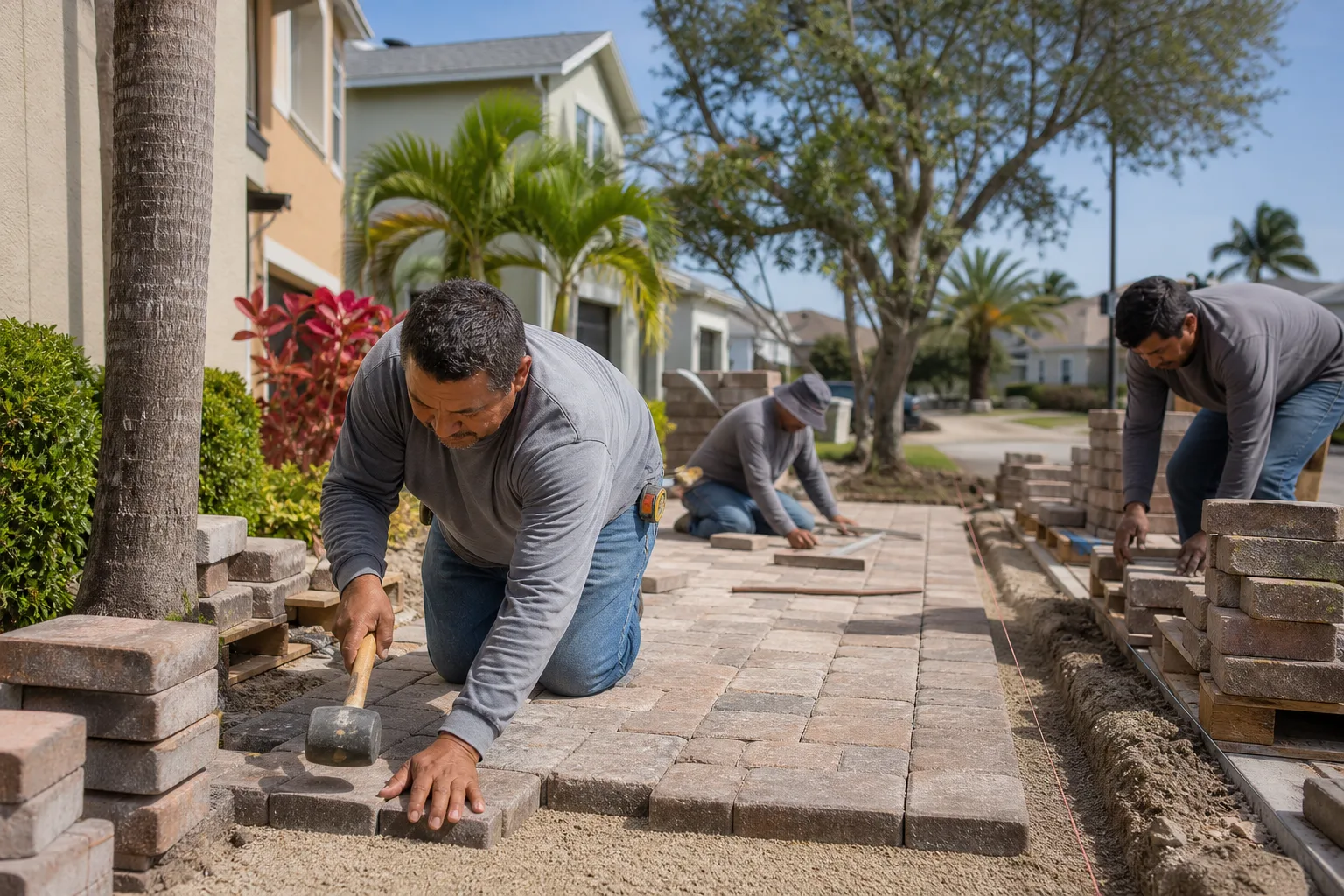
- Lay the pavers. Work from a fixed reference line, maintain the pattern, and cut edge pieces cleanly with a wet saw.
- Compact the field. Plate-compact the pavers to seat them into the bedding sand.
- Sweep in polymeric joint sand. Fill joints fully, activate with water per the manufacturer’s instructions, and allow the cure window.
- Final walkthrough. Check slope with a level, verify joint lines, and confirm clean drainage paths.
Each of these steps matters, but the ones that fail most often in Mesquite are the base (step 4) and the drainage slope (step 6). If either is off, the other eight steps can’t compensate.
Keeping a Mesquite paver driveway looking sharp for years
A well-built Mesquite paver driveway needs very little maintenance – but “very little” isn’t “none.” Here’s what actually matters:
- Re-sand joints every couple of years. Polymeric sand lasts longer than plain sand, but UV and thermal cycling slowly wear at the joints. A light top-off keeps water out of the base.
- Sweep rather than hose. Watering down a desert driveway doesn’t help it and can encourage weeds in the joints. A blower or broom clears debris faster.
- Spot-weed in spring. Even a well-sealed paver field can grow an occasional weed at the perimeter. Pull them early.
- Don’t de-ice with salt. Salt is bad for concrete pavers. Mesquite rarely needs it, and if you ever do get an ice event, use sand for traction instead.
- Watch the low corners. If you spot ponding on the surface after a monsoon, get the drainage plan reviewed. Catching a grade issue in year one is a small fix; ignoring it is a re-do.
- Keep vehicles off during cure. The first 24 hours after joint sanding determine how well the joints lock.
Common Mistakes to Avoid
- Skipping caliche excavation. National guides assume soft soil, and a crew new to Mesquite may not realize the caliche under the lot has to be removed rather than paved over. Two seasons later the driveway is rocking.
- Building on a 4-inch base. That’s the number in the national guidance, and it’s not enough for Mesquite’s expansive soil. 6 to 8 inches of compacted aggregate is the local standard for a reason.
- Buying pavers before HOA approval. Seeing a great color in a sample board and ordering it before architectural review is one of the most expensive mistakes we see. Rejection means the stones can’t be used.
- Surface-tinted pavers in a 110°F summer. The tint fades fast under this UV load. Heavy pigmented (through-body color) pavers are the answer.
- Flat bedding instead of sloped bedding. Water that doesn’t shed away from the house ends up under the pavers. A driveway that ponds in monsoon season is a driveway with a shortened life.
- Bargain joint sand instead of polymeric. Plain jointing sand blows out of the joints in this wind and heat, requiring constant re-sanding, and it’s a weeds’ best friend.
- Skipping edge restraint. Without spiked edges, the paver field spreads outward, joint lines open, and the whole install loses its discipline.
See the difference
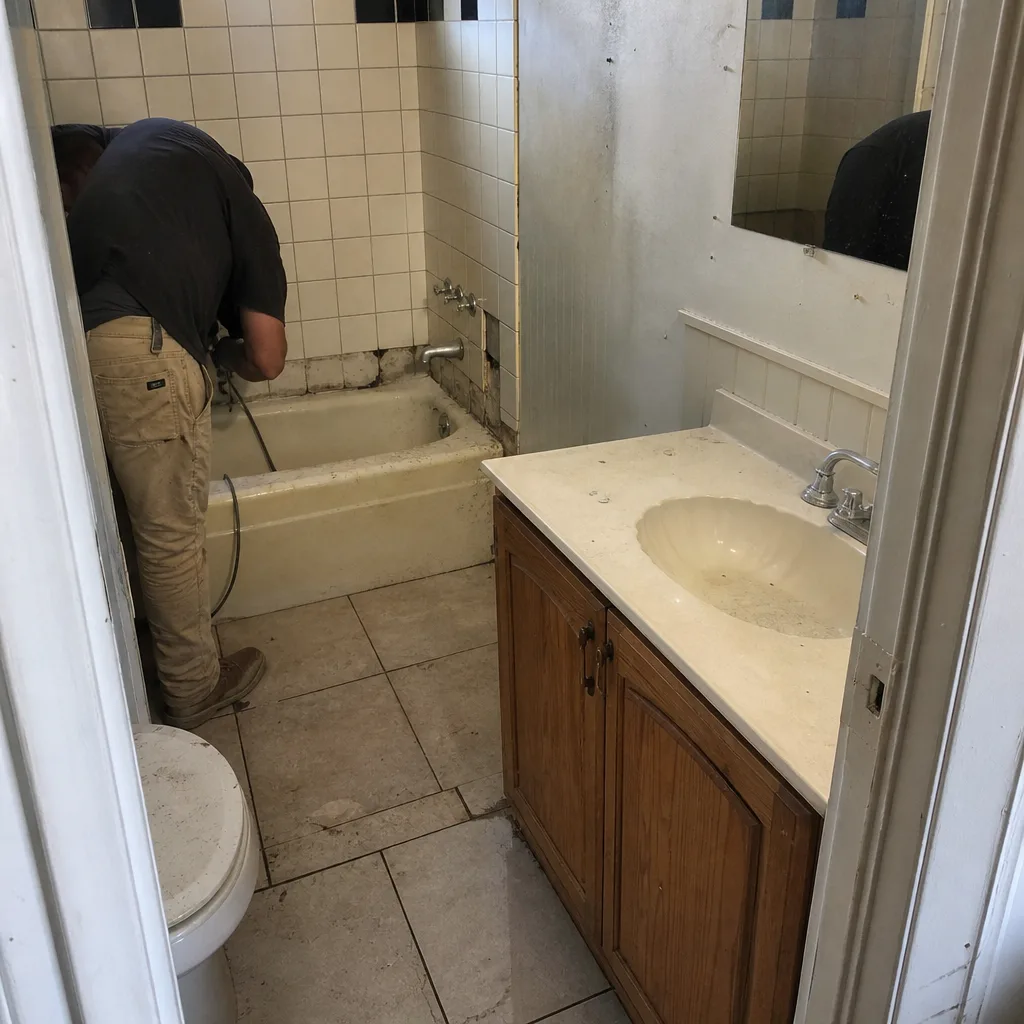 Before
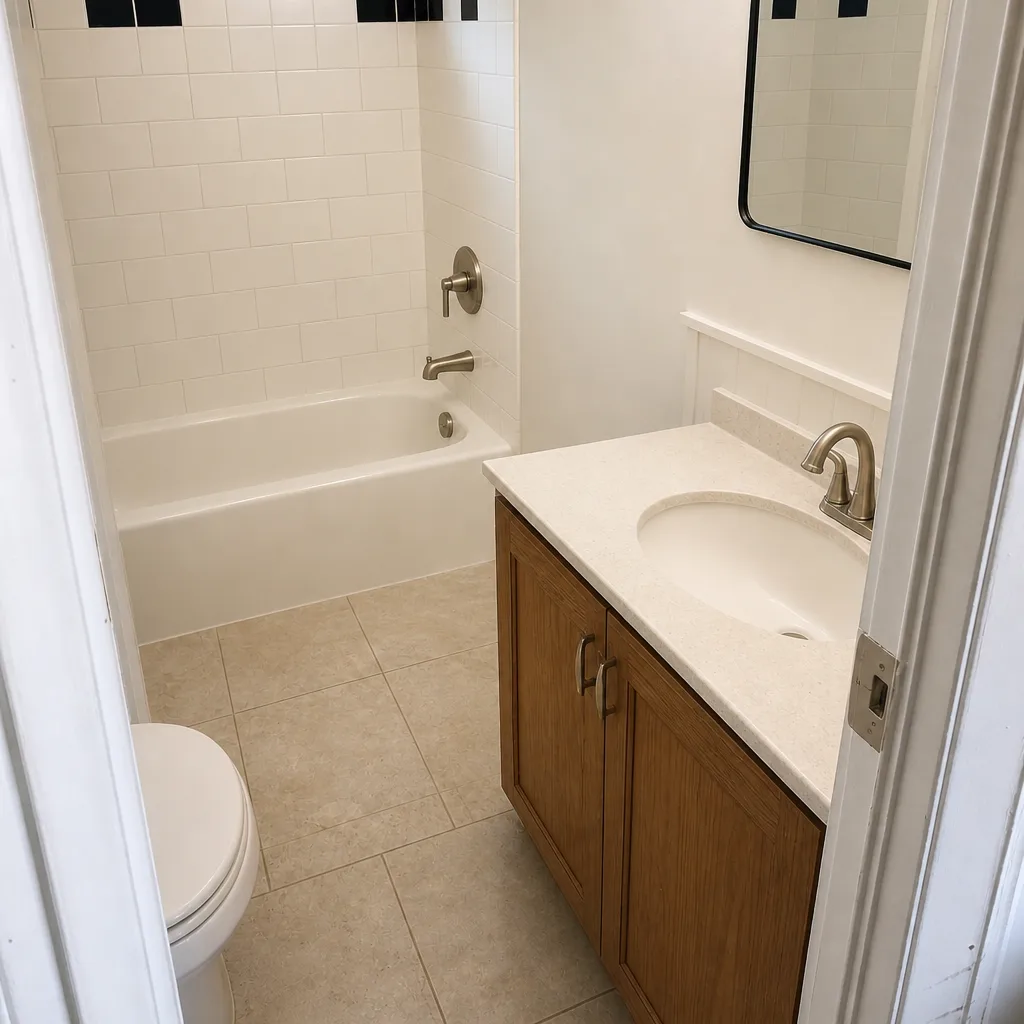 After
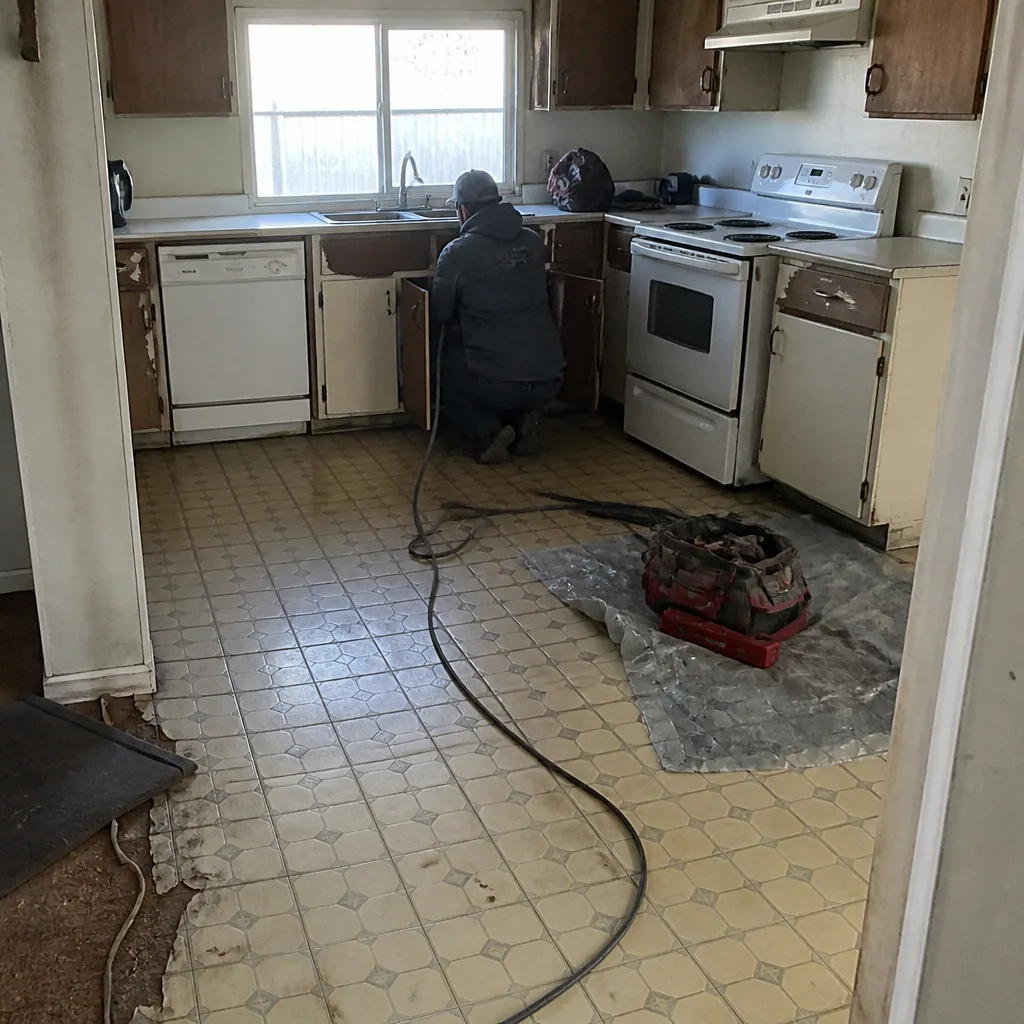 Before
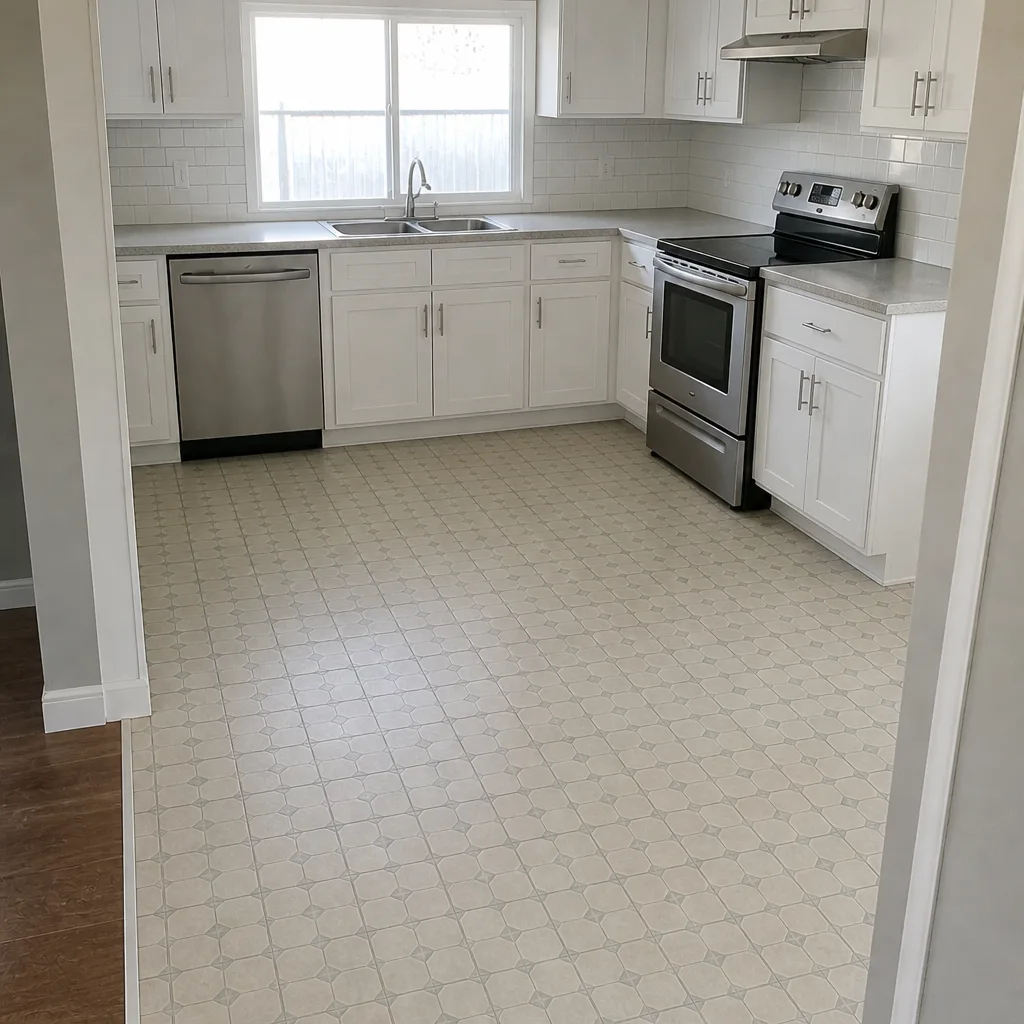 After
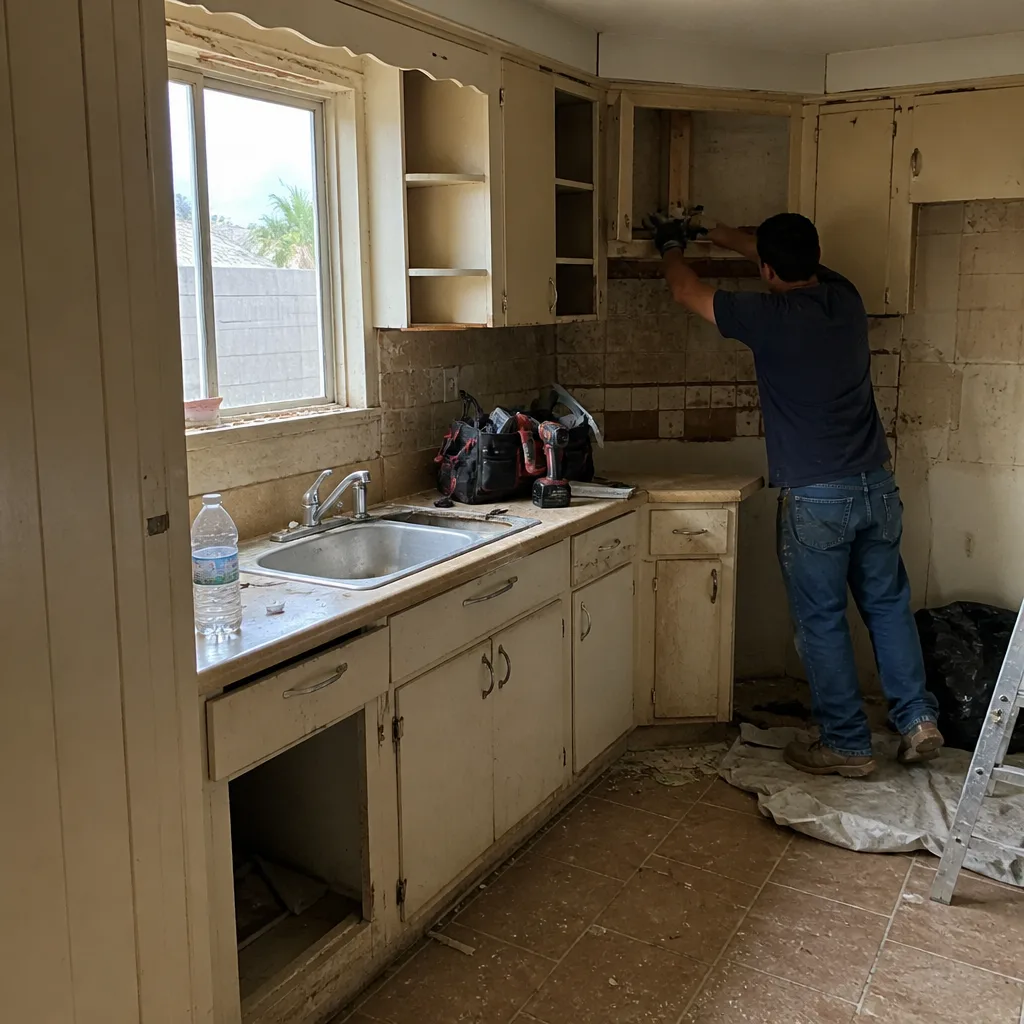 Before
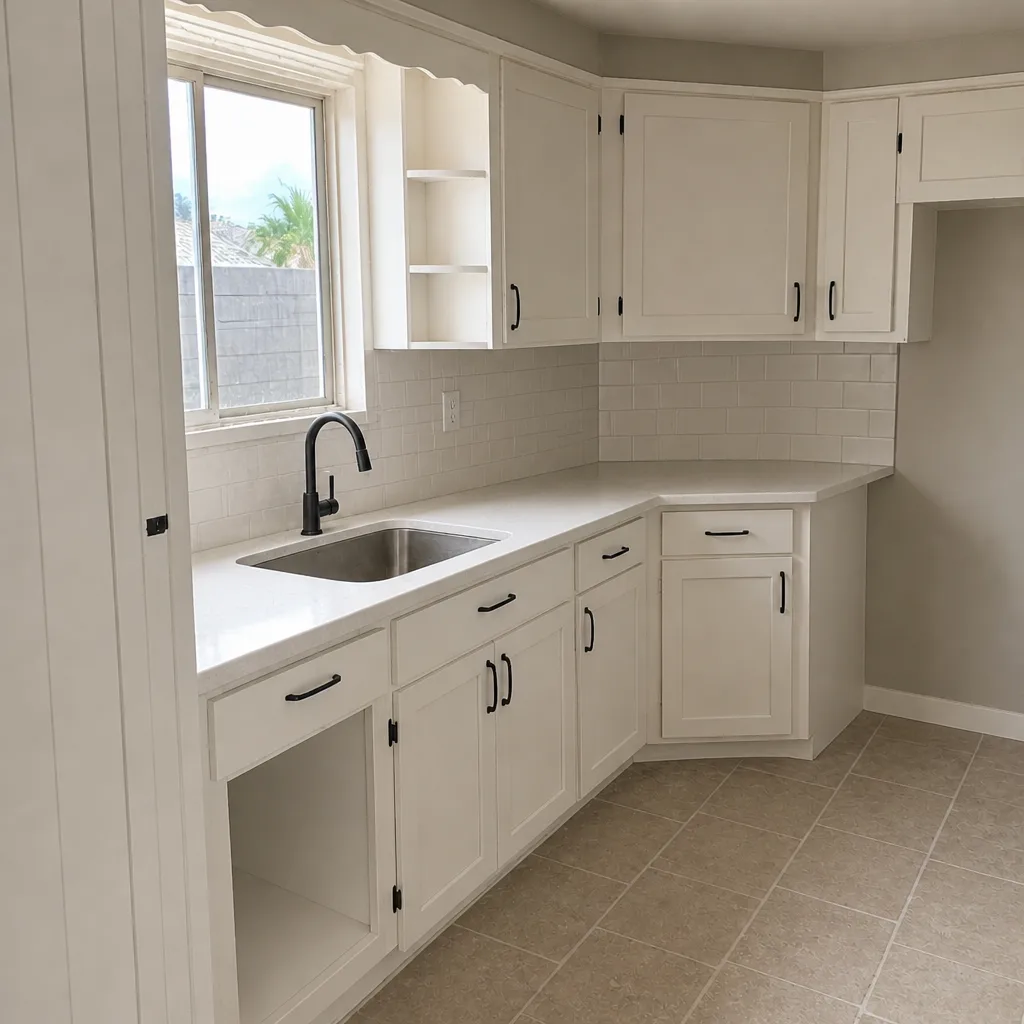 After
When to Call a Professional
Some paver jobs are safe to tackle as a homeowner project: a small front walkway, a short patio edge, a re-sanding of an existing driveway. Anything that involves the driveway itself, caliche excavation, slope correction against the house, or HOA architectural review is worth bringing in a pro. A driveway is the largest hardscape on the property, it sits at the intersection of vehicle weight and water runoff, and any base or drainage mistake is invisible until it’s failing.
If your existing driveway is heaving, cracking at the joints, or shipping sand out of the joints every season, those are all signs the base or the joint sand is already compromised. Re-sanding or re-grading early is a small fix compared to a full re-install. If the driveway is more than eight years old and shows any of those signs, an inspection before the next monsoon is worth doing.
Groundwork Construction Co. of Mesquite offers free estimates in Mesquite. Our technicians have up to 12 years of experience on desert hardscape installs, we pull the work that needs permits and pass the inspections, and every project is backed by our 730-Day Done Right Promise. Call (888) 413-6358 to schedule a free estimate and design consult. Calls are answered by a live person 24/7, so you’ll get a real conversation the first time you pick up the phone.
Frequently Asked Questions
A paver driveway in Mesquite typically runs from around $12 to $22 per square foot installed, which is higher than national averages because of caliche excavation, the deeper compacted base local soil demands, and HOA compliance work. A 400-square-foot driveway usually lands in the $5,000 to $9,000 range depending on the paver type, base depth, and drainage work; a 600 to 800-square-foot driveway with a premium paver (Belgard, Unilock, or clay brick) can run into the mid-to-high five figures. Call (888) 413-6358 for an exact quote – estimates are free.
The heat cycle. Mesquite’s 110°F summer afternoons and near-freezing winter nights move the soil dramatically, and if the base is shallow or the pavers aren’t rated for sustained high heat, the field can’t absorb the movement. Cracking almost always traces back to base depth or material choice, not the pavers themselves. A proper install at 6 to 8 inches of compacted base with a heat-rated paver holds up for well over a decade.
Yes, in most Mesquite neighborhoods. Architectural review committees typically restrict paver color to desert tones and may require specific border patterns or cap coverage area. Get written approval with the manufacturer, color name, and coverage area on the application before you buy the material. Rejection after purchase is the expensive mistake. A contractor who works in Mesquite regularly knows how to route the paperwork.
Polymeric sand, ideally a desert-rated product. Plain jointing sand blows out of the joints under Mesquite’s wind and sun within a season and washes away with the first monsoon. Polymeric sand locks into a semi-flexible joint that resists UV, blocks weeds, and keeps water out of the base. Choose a product rated for high-heat climates, since some older formulations get brittle under prolonged exposure.
For a residential driveway, plan on 6 to 8 inches of compacted crushed aggregate, installed in lifts of 2 to 3 inches with a plate compactor. That’s meaningfully deeper than the 4-inch base national guidance often recommends. The reason is caliche: Mesquite’s hard, cemented soil layers prevent drainage and drive more ground movement, so the base has to be built to absorb that and keep the pavers locked in place for the long run.
A typical Mesquite paver driveway takes 3 to 5 working days from excavation to final walkthrough, depending on square footage, base depth, drainage work, and any caliche removal. Add 1 to 2 weeks for HOA approval before installation begins. After joint sanding, keep vehicles off for at least 24 hours to let the polymeric sand cure. Call (888) 413-6358 to schedule a free estimate and get a timeline for your specific lot.
The Bottom Line
A paver driveway built for Mesquite isn’t the same job as one built for a wetter climate. The base needs to go deeper – 6 to 8 inches of compacted aggregate over a proper geotextile separator – because caliche soil doesn’t drain and the heat cycle moves it. The pavers need to be rated for sustained 110°F surfaces, not just for looks. The drainage plan needs a real 2% slope away from the house, and the joint sand needs to be polymeric and desert-rated, not plain sand. And the HOA needs to sign off on the color and material before anything ships. Get those four things right and your Mesquite driveway is a decade-plus project, not a three-year one. Get them wrong and no amount of grading or re-sanding fixes it. For a closer look at the local install process, see Driveway & Pavers in Mesquite, and when you’re ready, call (888) 413-6358 for a free estimate. Groundwork Construction Co. of Mesquite brings a 730-Day Done Right Promise to every paver driveway, backed in writing and built to last.
Written by the team at Groundwork Construction Co. of Mesquite.