Last updated November 18, 2026






Free written scope consultation - allowances, timeline, and change-order rules on paper before a single trade is scheduled
Fence Installation Maintenance Schedule: What to Do and When
Wood fences in the desert don’t rot from rain. They degrade from UV and thermal cycling, and the stain-and-seal timeline that keeps a fence healthy in Oregon will leave yours gray and cracking in under three years here. A Mesquite fence faces four separate stress events every year: spring windstorms, the summer UV peak, monsoon moisture, and the winter freeze. Line your maintenance up with those windows and you’ll spend about two hours a year protecting a structure that costs thousands to replace. This guide lays out exactly what to do, when to do it, and what most homeowners get wrong.
Quick Answer
In Mesquite, inspect your fence in March and again in September, re-stain wood fencing every 2 to 3 years with a UV-blocking penetrating stain rather than a surface film, and check post bases at the ground line after every monsoon event. Vinyl and metal fences need an annual wash and hardware check, not a “set it and forget it” approach. The seasonal calendar matters more than the product you buy.
Styles & brands we work with
- Kitchen remodeling
- Bathroom remodeling
- Home additions & ADU
- Roofing
- Windows & doors
- Driveway & pavers
- Fence
Table of Contents
- Why Desert Fences Fail Differently
- The Mesquite Seasonal Maintenance Calendar
- How Often to Re-Stain Wood Fencing in High UV
- Post-Monsoon Inspection Checklist
- Checking Gate Hardware for Thermal Expansion Damage
- Vinyl and Metal: The Maintenance Most Homeowners Skip
- What to Look for in Stain and Sealant Products
- When to Repair and When to Replace
Why Desert Fences Fail Differently
Most fence maintenance advice online is written for wet, moderate climates. It assumes the main enemy is moisture and the main failure mode is rot. That’s not what happens in Mesquite. Here, wood fails from the outside in. Ultraviolet light breaks down the lignin in wood cells, which is the natural glue holding the fibers together. Once that glue weakens, the surface turns silver-gray and the fibers start to check and split. Rain is a secondary concern. The sun is the primary one.
That distinction changes your whole maintenance strategy. In a rainy climate, you seal to keep water out. In Mesquite, you seal to keep UV light off the wood and to slow the moisture exchange that comes with thermal cycling. Daytime surface temperatures on a south-facing wood fence can run well above ambient air temperature, then plunge overnight. Wood expands and contracts with that swing. Over a season, fasteners loosen, boards cup, and joints open up. This is why “I stained it two years ago” means something very different in Mesquite than it does in a coastal town.
The four stress events we plan around are consistent year to year:
- Spring windstorms (March – May): gusty fronts push on fence panels and work loose fasteners and posts.
- Summer UV peak (June – August): the harshest sunlight of the year, when unprotected wood degrades fastest.
- Monsoon moisture (July – September): sudden heavy rain that erodes soil around post bases and drives water into open joints.
- Winter freeze (December – February): overnight freezes that stress wood fibers, crack rigid coatings, and tighten metal hardware.
None of those windows line up neatly with the generic “stain in fall” advice you’ll find in most guides. If you’re planning a new fence or a replacement, our Fence Installation in Mesquite page covers materials and build details that hold up to this climate.
The Mesquite Seasonal Maintenance Calendar
Here’s the schedule we recommend to homeowners across Mesquite. It’s built around the four stress events above, not around a generic spring-and-fall rhythm.
Spring (March – May): Inspect and Prep
- Walk the full fence line and look for leaning posts, loose boards, popped nails, and gaps between panels.
- Test the stain by sprinkling a few drops of water on the wood. If it beads, the finish is still working. If it soaks in immediately, it’s time to re-stain.
- Check post bases for soft wood and soil erosion before the winds pick up.
- Tighten gate hinges, latches, and any loose fasteners.
Late Spring (May): Stain If Needed
Apply stain or sealant once overnight temperatures are reliably above 50°F and no rain is forecast for 48 hours. Late spring is the sweet spot before the summer UV peak.
Summer (June – August): Protect and Monitor
Keep sprinklers from hitting the fence directly. Constant water spray plus UV is the fastest way to break down a finish. Check for new checking and splitting on the sun-facing side, which usually takes the most abuse.
Monsoon Season (July – September): Inspect After Every Major Storm
This is the highest-risk window for hidden structural damage. Run the post-monsoon checklist below after any heavy rainfall event.
Winter (December – February): Freeze Check
Look for cracks that opened during the freeze cycle, especially on rigid film coatings and painted metal. Confirm gate hardware still operates smoothly after cold nights.
How Often to Re-Stain Wood Fencing in High UV
In most of the country, wood fencing gets re-stained every 3 to 5 years. In Mesquite, plan on every 2 to 3 years, and budget for the shorter end on south- and west-facing runs. The high-UV desert intensifies the sun exposure and accelerates the breakdown of any finish. A fence on the west side of a property takes direct afternoon sun from May through September and will always need attention first.
The reason for the shorter timeline is in how the two main stain types behave:
- Penetrating oil-based stains soak into the wood fibers and protect from the inside. They don’t build a film, so they don’t peel, but they wear away. In a high-UV climate, expect to reapply every 2 to 3 years.
- Surface film stains (solid color or latex-based) sit on top of the wood and form a shell. They block UV well, but in desert thermal cycling that shell cracks and peels, and then the peeling itself becomes a maintenance job. They can look good for the first couple of years but often need stripping when they fail.
Our general recommendation for Mesquite homes: use a penetrating oil-based stain with UV blockers on most fencing, and reserve solid-color film stains for a specific decorative look where you’re prepared to maintain it more carefully. Either way, reapply before the finish fails, not after. Once wood silver-grays and starts to check, you’re restoring, not maintaining, and the labor cost climbs.
Post-Monsoon Inspection Checklist
Monsoon rain doesn’t just get fences wet. It moves dirt. That’s the part most homeowners miss. Water running along a fence line scours soil away from the bottom of posts, and a post that loses its soil support can shift or lean without any visible surface damage. By the time you notice a lean, the post may already be compromised. Here’s the checklist to run after any major monsoon storm.
- Walk the base of every post. Look for a gap, a hollow, or exposed concrete where soil used to be. A post base that’s visibly undermined needs attention.
- Check for lean with a level or a straight edge. Don’t trust the eye. A 1-inch lean over an 8-foot post may not look like much until it becomes a gate that won’t close.
- Probe the wood at the ground line. Use a screwdriver. If it sinks easily into soft wood, that post has moisture damage and may need replacing.
- Re-firm the soil around post bases that have eroded, and consider a gravel or rock border at ground level to reduce future scouring.
- Look for standing water paths. If the storm carved a channel against your fence, that spot will erode again next year. Redirect the drainage if you can.
- Re-check fasteners and joints. Water-driven movement often loosens nails and screws you just tightened weeks earlier.
If you’re in a high-wind or flood-prone pocket of Mesquite, this inspection is worth doing annually even if the season was dry. Erosion can come from a single intense storm, not a full season.
Checking Gate Hardware for Thermal Expansion Damage
Metal behaves differently after a desert summer. A hinge, latch, and set of bolts that felt snug in April can be loose, misaligned, or seized by September. Metal expands and contracts with the daily temperature swing, and over a full summer the constant cycling works fasteners loose and stresses the pivot points. The gate is the heaviest moving part of any fence, so it takes the most load and shows the most wear.
Run this check every fall and spring:
- Test the swing. Open and close the gate fully. It should move without dragging or catching. A gate that suddenly sags or binds is usually a hinge or post issue, not the gate itself.
- Check hinge screws. Tighten any that have backed out. If a screw hole is stripped, replace with a slightly larger screw or a threaded insert rather than filling it with the same screw.
- Inspect the latch and strike. If the gate no longer latches cleanly, the post or gate frame may have twisted from thermal cycling. Realign before it gets worse.
- Lubricate metal moving parts with a dry or silicone-based lubricant. In a dusty desert climate, avoid greasy lubricants that trap grit.
- Look for rust at the bottom of metal gates. Ground moisture and morning dew attack the lowest metal. Touch up with rust-inhibiting paint.
A gate that no longer closes is more than a nuisance. It’s the first sign that the fence structure is settling or that a post has shifted.
Vinyl and Metal: The Maintenance Most Homeowners Skip
Low-maintenance is not the same as no-maintenance. This is one of the most common misunderstandings we see from homeowners in Mesquite. Vinyl and metal fencing require a fraction of the work that wood does, but they still need an annual routine. Skip it, and you’ll get staining, hardware failure, and premature discoloration that undercuts the whole reason you chose a low-maintenance material in the first place.
Vinyl Fencing
- Wash once a year with mild soap and a soft brush or a low-pressure garden hose. Desert dust and sprinkler minerals build up on vinyl and can leave a dull film. Avoid high-pressure washing, which can force water into seams.
- Check panels and posts for movement. Vinyl is rigid but not unbreakable. Post movement after a windstorm can crack a rail.
- Inspect the bottom rail for dirt buildup that can trap moisture.
- Watch for discoloration on the sun-facing side, which can happen even on UV-stabilized vinyl over many seasons.
Metal Fencing (Ornamental Steel, Aluminum)
- Wash annually to remove dust and mineral film.
- Touch up paint or powder coat wherever you see rust or a chip. Metal in a desert climate rusts slowly, but scratches open the door.
- Tighten all fasteners and check for loose panels once a year, especially after spring winds.
- Inspect hinges and latches on gates the same way you would on wood.
Annual vinyl and metal maintenance in Mesquite takes maybe 30 minutes per 100 feet. That’s it. But it keeps the fence looking right and catches small problems while they’re cheap to fix.
What to Look for in Stain and Sealant Products
Not all stains are built for the desert. Product choice matters as much as timing in a high-UV climate, and the wrong product will fail faster than the wood underneath it. Here’s what to look for on the label.
- UV blockers (transparent iron oxide, or similar): this is the single most important ingredient. Look for a stated UV inhibitor, not just “protects from sun.”
- Penetrating oil-based formula for wood: soaks in and protects from within, without a film to peel. The tradeoff is that it needs reapplication sooner, which is fine in Mesquite.
- Water repellent, not water proofer: you want the wood to be able to breathe. A fully sealed surface traps moisture inside and accelerates failure.
- Consistent color across batches: if you’re matching an existing finish, buy all cans at once from the same lot.
- Coverage estimates that account for porous weathered wood: the manufacturer’s square-footage number assumes sound wood. On dry wood that hasn’t been stained recently, expect to use more product.
When we install a fence, we’re careful to match materials and finishes to the home and the property. Quality partners like James Hardie on adjacent exterior work, and consistent material brands on the fence itself, keep the whole property looking coherent. The same care applies to your driveway and hardscape, which we cover on our Driveway & Pavers in Mesquite page.
When to Repair and When to Replace
Every fence reaches a point where repair stops being worth it. Here’s the general rule we apply: if more than about a quarter of the posts need replacing or more than a third of the boards are beyond re-staining, replacement usually costs less over the next five years than repeated repairs. A fence with sound posts and framing is a repair job. A fence with soft, wobbly posts is a replacement job, even if it looks acceptable from the street.
The specific signals that push toward replacement:
- Multiple posts that move when you push them. Post replacement is the most labor-intensive fence repair, and once several posts are failing, you’re rebuilding anyway.
- Widespread wood checking and splitting. If more than a third of the boards are split, they’ll never hold a finish.
- Repeated gate failures. If a gate keeps sagging no matter how often you repair it, the post or frame is compromised.
- Visible lean across multiple panels. This often signals a foundational problem with the installation, not just maintenance.
If you’re at the replacement stage, it’s worth thinking about whether the fence is part of a larger project. Homeowners planning a fence alongside an addition or outbuilding often find it makes more sense to design both at once, and our Home Additions & ADU in Mesquite page covers that kind of combined work.
Common Mistakes to Avoid
- Following a coastal-climate staining schedule. Re-staining every 3 to 5 years is the standard advice online, but that timeline leaves Mesquite fencing unprotected before the next UV season. Plan on 2 to 3 years here.
- Sealing before the wood is ready. Staining over damp wood or over a still-failing finish traps moisture and causes peeling. Test the surface before you apply anything, and strip old film coatings if they’re peeling.
- Ignoring post bases after monsoon season. The visible fence can look fine while a post is silently undermined. Always inspect the ground line, not just the board faces.
- Assuming vinyl and metal need zero maintenance. A decade of dust and mineral film can discolor vinyl and hide rust on metal. A 30-minute annual wash prevents it.
- Skipping gate hardware checks. A gate that suddenly sags mid-season often had a hinge failing for months. Seasonal hardware checks catch it early.
- Using surface film stains in a desert and expecting them to last. They can, but they crack and peel under thermal cycling, so they need stripping when they fail. Penetrating stains are the safer bet for most fencing.
- Overspray from sprinklers hitting the fence. This is one of the most overlooked causes of early fence failure in Mesquite. Every irrigation head that sprays the fence should be adjusted or replaced with drip.
See the difference
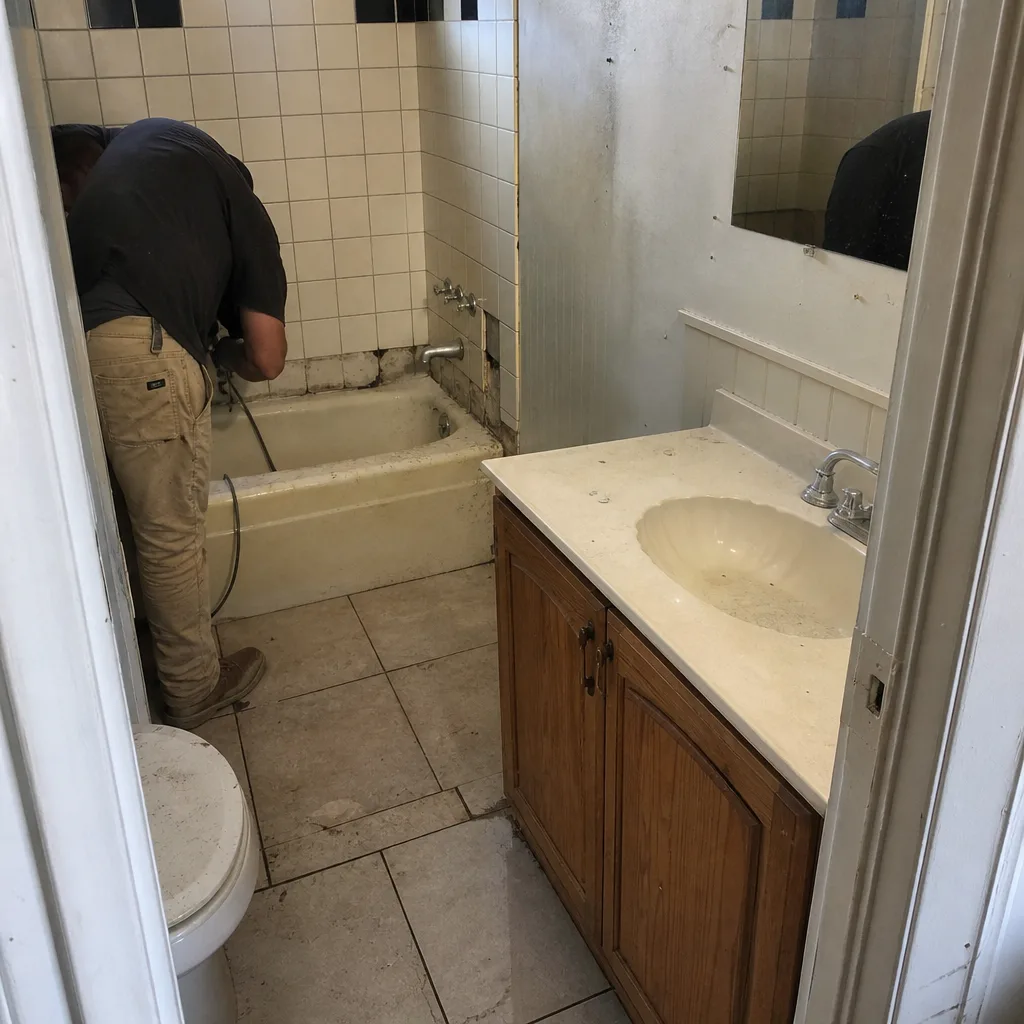 Before
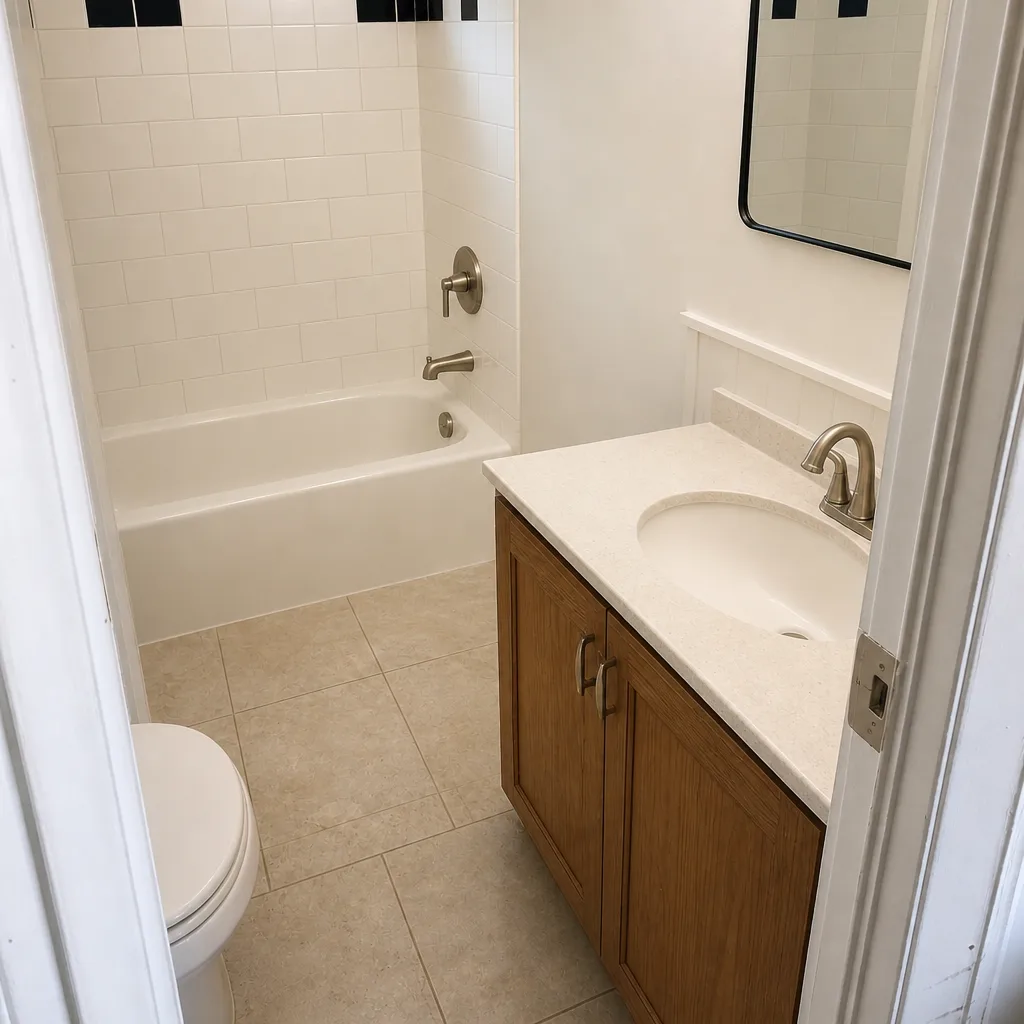 After
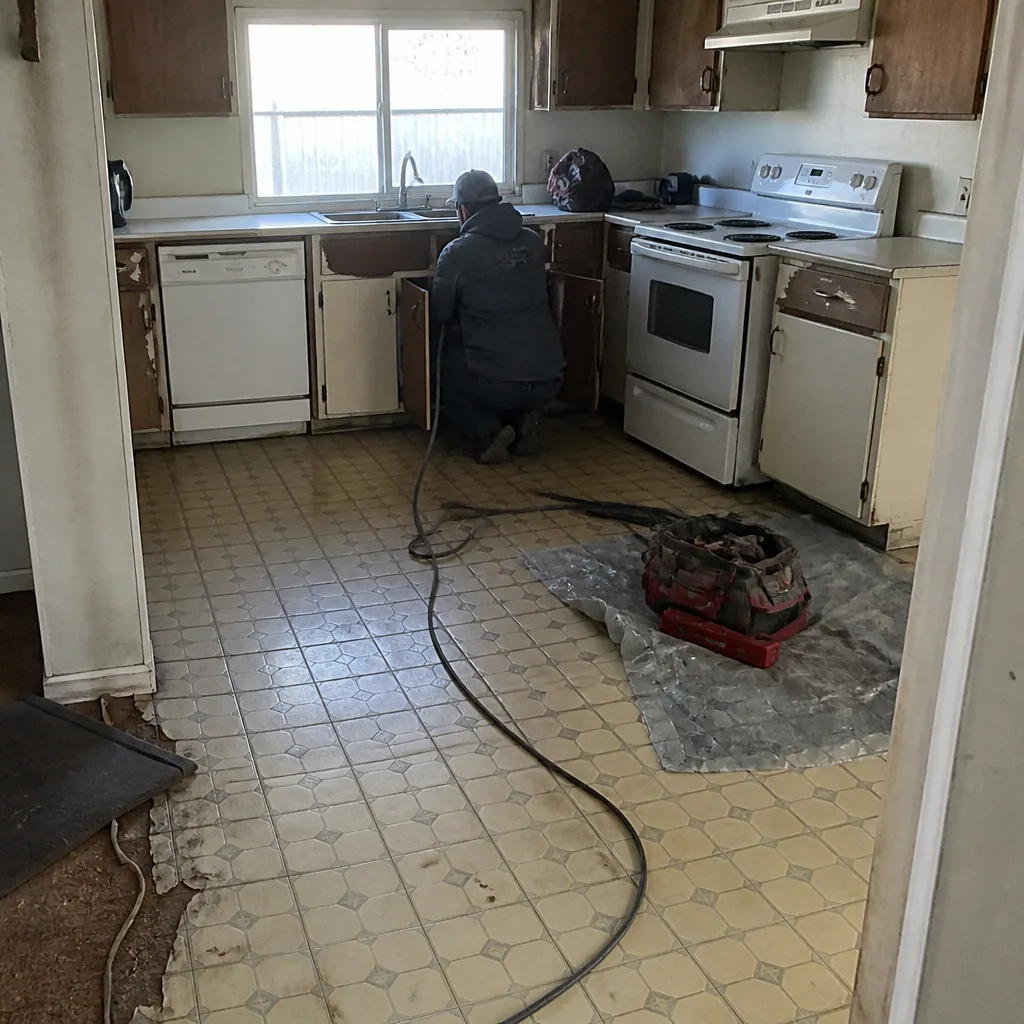 Before
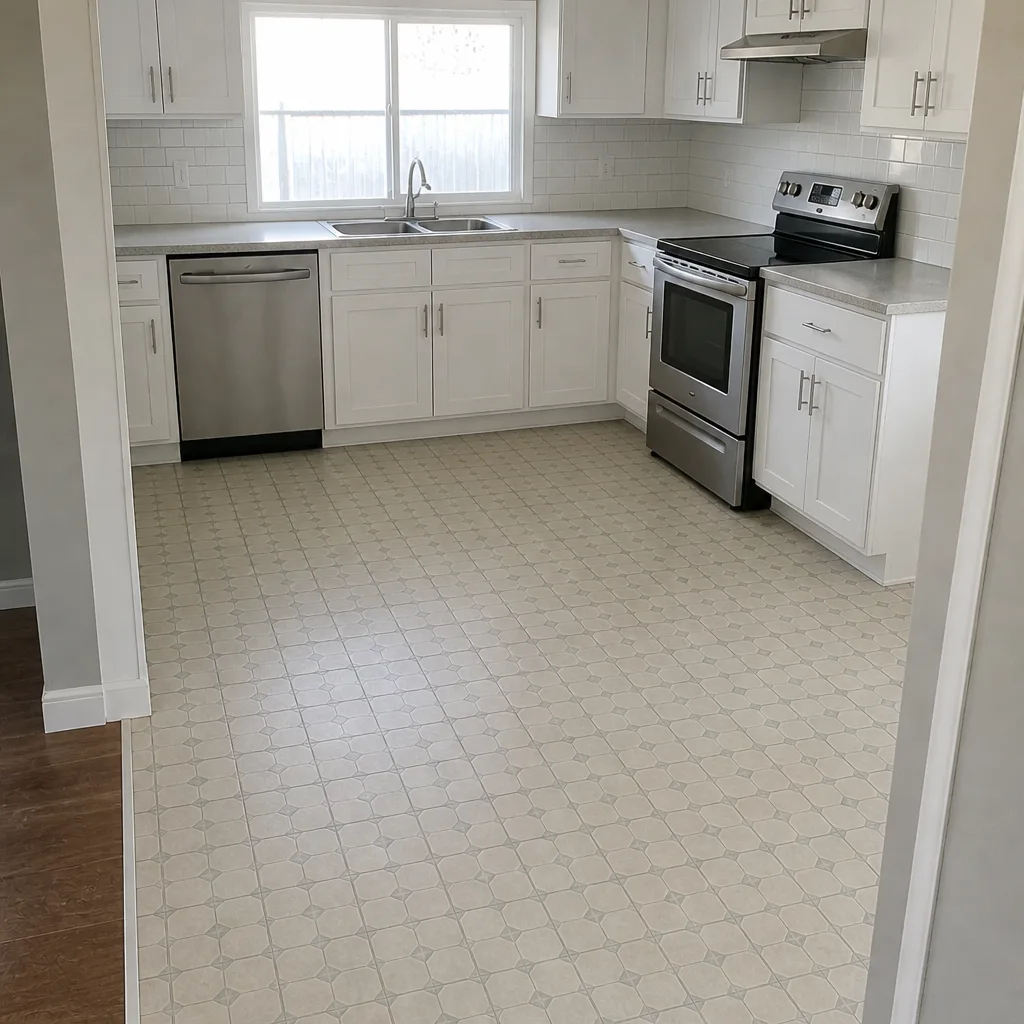 After
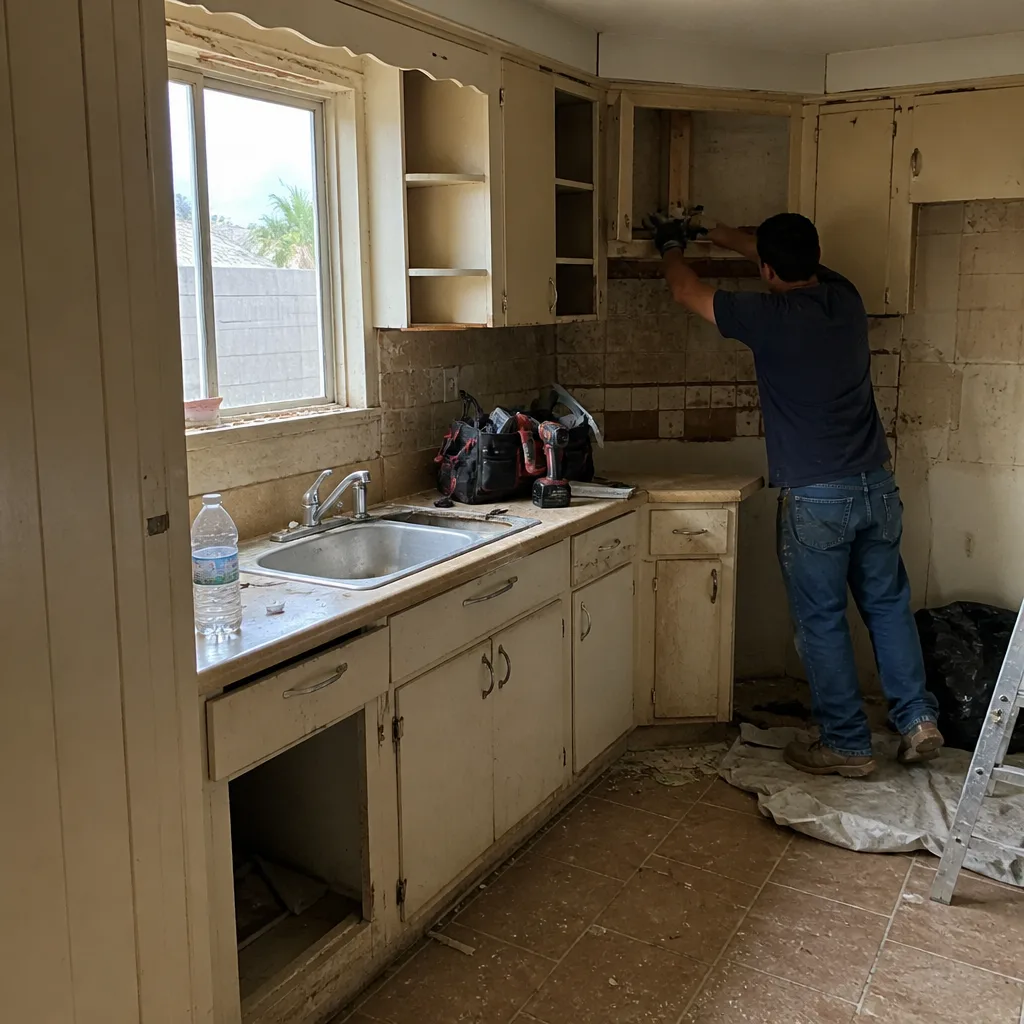 Before
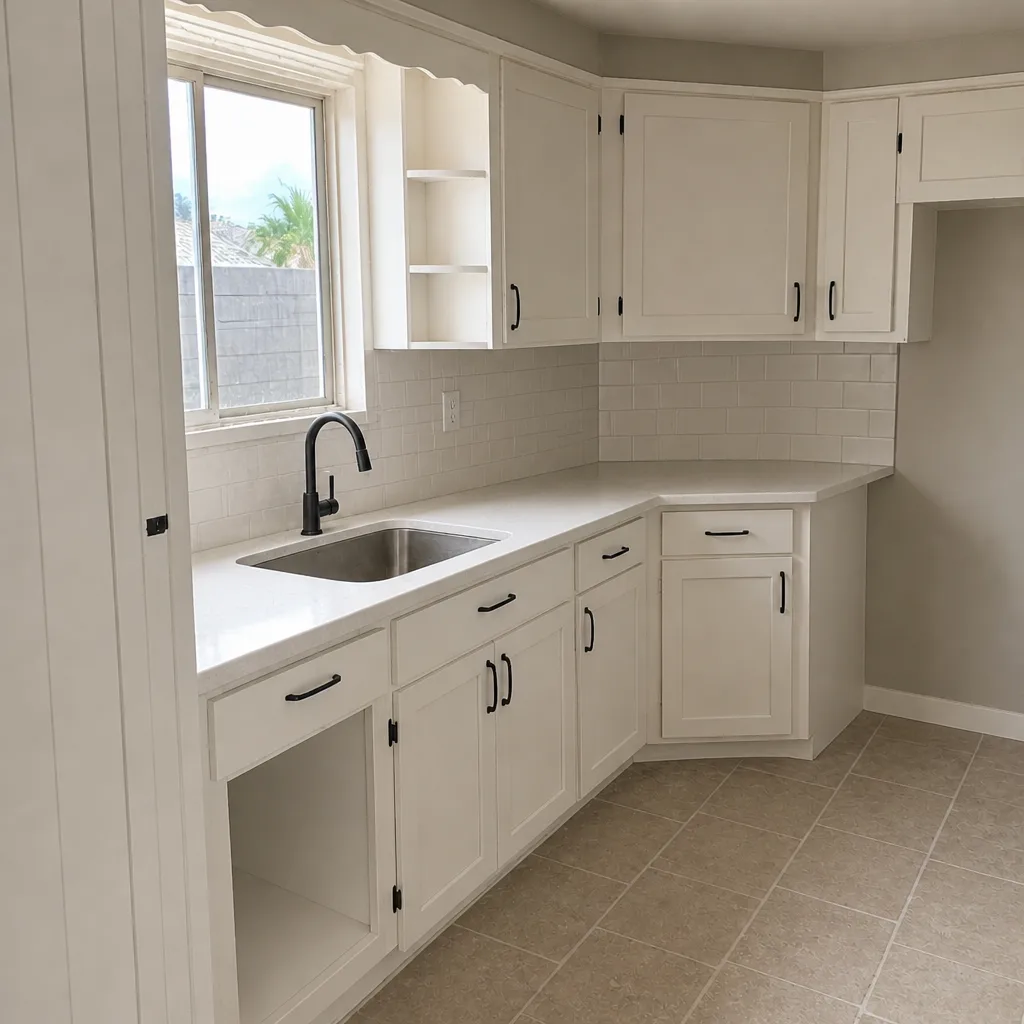 After
When to Call a Professional
Some fence calls are DIY-friendly. A loose board, a new latch, a coat of stain. Others are structural, and getting those wrong costs more than the repair would have. Call a professional when posts are moving, when a gate has sagged even after you tightened the hardware, when soil erosion has undermined more than one post base, or when the wood at the ground line is soft enough that a screwdriver sinks in. Replacement is a professional job too, especially when it involves setting posts to the correct depth and alignment to survive desert wind. Groundwork Construction Co. of Mesquite offers free estimates in Mesquite – call (888) 413-6358. Our technicians have up to 12 years of experience, arrive background-checked and in uniform, and every project is backed by our 730-Day Done Right Promise. Upfront pricing, no surprises.
Frequently Asked Questions
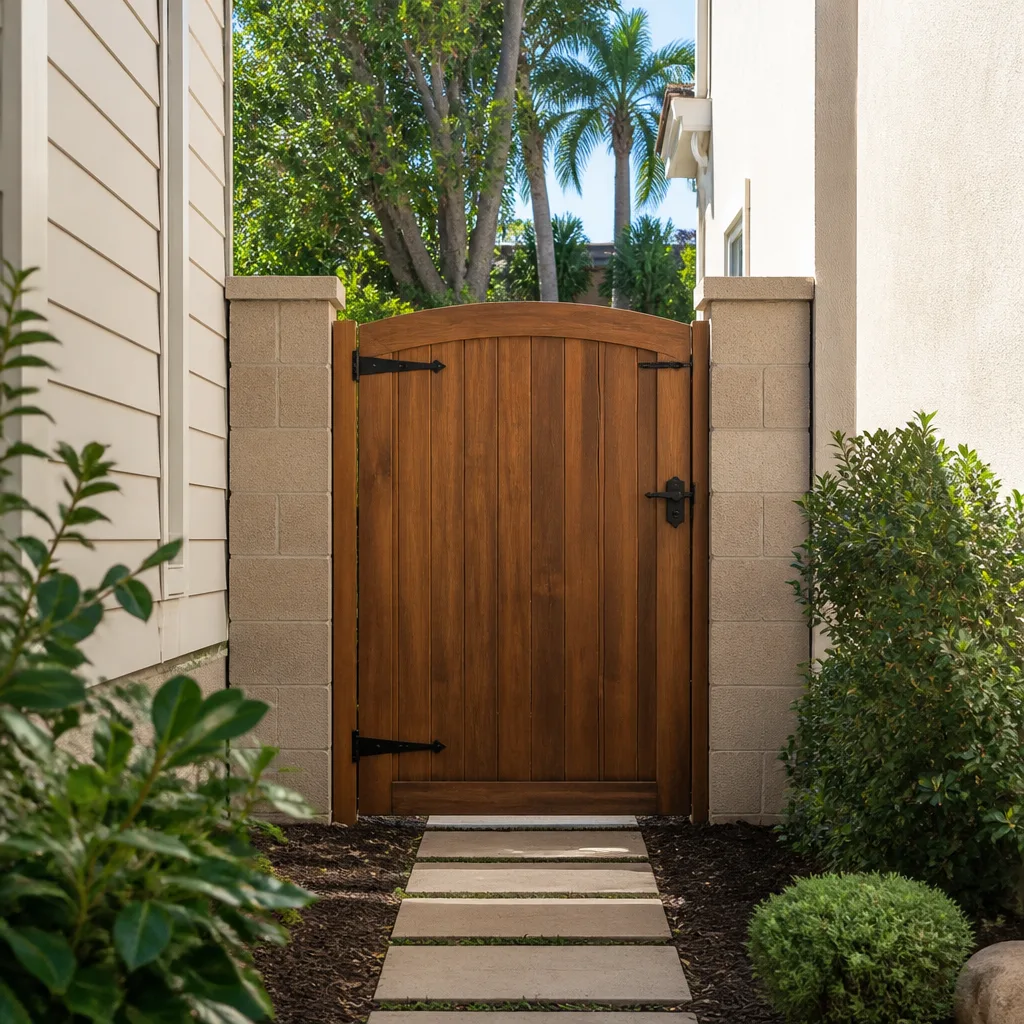
Every 2 to 3 years with a UV-blocking penetrating stain. Mesquite’s high-UV desert sun breaks down finishes faster than moderate climates, so the 3-to-5-year schedule you’ll read online doesn’t apply here. South- and west-facing runs may need the shorter end of the range. Call (888) 413-6358 for a free estimate if you’d rather have the work handled start to finish.
UV radiation and thermal cycling, not moisture. Ultraviolet light breaks down the lignin in wood fibers, causing the surface to silver and check, while daily temperature swings expand and contract the wood and loosen fasteners. Rain matters, but it’s a secondary stress. Desert fences that are protected from UV last dramatically longer than ones that aren’t.
You need to wash it once a year with mild soap and check for shifting panels after windstorms. Low-maintenance is not the same as no-maintenance. A 30-minute annual wash keeps vinyl looking right, prevents dust and mineral film buildup, and lets you catch a problem before it gets expensive.
Check the ground around every post base for erosion or hollowing. Soil that’s been washed away from a post can leave the fence visibly fine but structurally compromised. Also look for lean using a level, probe the wood at the ground line for softness, and re-check fasteners that may have loosened from movement.
Thermal expansion of metal hardware and the natural movement of seasonal temperature cycles. Hinges, latches, and screws loosen or seize over a full summer, and the gate may sag while the frame stays level. Tightening hardware and lubricating moving parts with a dry or silicone-based product usually fixes it. If it doesn’t, the post may have shifted.
When more than a quarter of the posts need replacing or more than a third of the boards are split and can’t hold a finish. Sound posts with failing boards is a repair job. Multiple wobbly posts or widespread splitting is a replacement job. Call (888) 413-6358 for a free estimate – we’ll tell you which one you’re looking at, in writing.
The Bottom Line
A Mesquite fence survives four seasonal stress events a year, and the maintenance schedule that keeps it solid is built around those windows, not a generic fall-staining routine. Inspect in spring, stain every 2 to 3 years with a UV-blocking penetrating product, walk the post bases after every monsoon storm, check gate hardware seasonally, and wash vinyl and metal once a year. That routine costs maybe two hours annually and prevents the structural failures that cost thousands. If any of it lands at the “this needs a pro” stage, or if you’re ready to replace a fence that’s past its run, we’re here to help. Groundwork Construction Co. of Mesquite backs every project from Groundwork Construction Co. of Mesquite home to finish line with the 730-Day Done Right Promise. Call (888) 413-6358 to schedule your free estimate – the number you see is the number you pay.
Written by the team at Groundwork Construction Co. of Mesquite.