
Last updated November 18, 2026



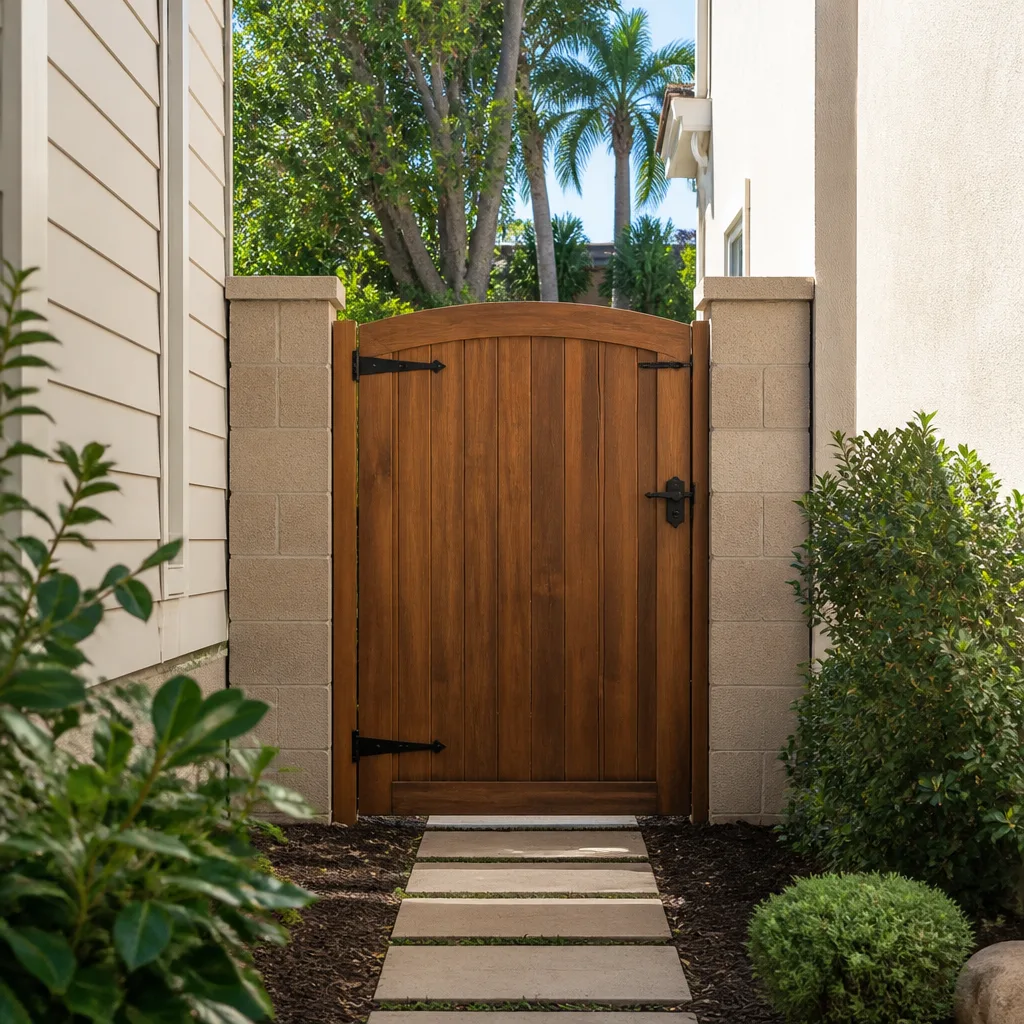




Free written scope consultation - allowances, timeline, and change-order rules on paper before a single trade is scheduled
Seasonal Construction Care for Mesquite: Year-Round Homeowner’s Guide
February in Mesquite can drop to 28°F overnight and hit 65°F by afternoon. That 37-degree daily swing is one of the most damaging forces on stucco, caulk joints, and concrete flatwork, and it happens repeatedly in a window most homeowners think of as “off-season.” Meanwhile, the heat everyone worries about in July is actually the wrong time to pour or patch certain concrete. This guide breaks down what Mesquite’s climate really does to a home’s exterior over the course of a year, assigns the right tasks to the right season, and shows you the 20-minute checks that prevent most of the repairs we’re called out to fix.
Quick Answer
Seasonal construction care in Mesquite means matching maintenance to four distinct stress periods: freeze-thaw cycling in winter (December – February), pre-heat-season sealing in spring (March – May), protected monitoring during peak heat (June – September), and a full exterior audit in fall (October – November). The single highest-value habit is a quick quarterly inspection of caulk joints, flashing, and flatwork, logged in writing so you can catch small failures before they become structural repairs. Most of it takes 20 minutes and a phone camera.
Styles & brands we work with
- Kitchen remodeling
- Bathroom remodeling
- Home additions & ADU
- Roofing
- Windows & doors
- Driveway & pavers
- Fence
Table of Contents
- Why Mesquite’s Climate Is Harder on Homes Than It Looks
- Winter (December – February): The Freeze-Thaw Inspection Protocol
- Spring (March – May): Pre-Heat-Season Sealing Checklist
- Summer (June – September): What to Watch and What Not to Touch
- Fall (October – November): The Exterior Audit Window
- How to Build a One-Page Annual Maintenance Log
- Common Mistakes to Avoid
- When to Call a Professional
Why Mesquite’s Climate Is Harder on Homes Than It Looks
On paper, Mesquite looks simple: hot and dry. In practice, this corner of Nevada puts construction materials through four separate stress cycles a year, and each one attacks different components. The winter pattern is the most overlooked. Nightly lows below freezing combined with daytime highs in the 50s and 60s create repeated freeze-thaw cycling, which is exactly the mechanism that widens hairline cracks in stucco and masonry and opens the caulk joints around windows and doors. Water gets in during a thaw, freezes overnight, expands, and pushes the gap wider. Do that 30 or 40 times between December and February and a 1/16-inch crack becomes a real leak path by March.
Spring is the drying-out window. Sustained triple-digit heat arrives fast in Mesquite, and once it does, any gap still open going into late May is stuck that way until fall. Summer is peak thermal expansion: concrete slabs, roof underlayment, and wood framing all move, and sealants cure at different rates depending on which side of the house gets afternoon sun. Fall is the calm before the winter cycling starts again, and it’s the best window of the year for a thorough exterior audit because the temperatures are moderate and you can actually see what each component looks like when it isn’t fighting the weather.
We’ve seen this pattern play out across Mesquite neighborhoods for years. In Sun City Mesquite, we regularly find the same three items failing together in mid-winter: window perimeter caulk facing north, stucco hairline cracks above slab level, and driveway expansion joints that were never refilled after installation. In newer builds off Pioneer Boulevard, the issues usually start at year three, when the builder’s original caulk hits the end of its service life at the same time the first real freeze-thaw cycle hits it. In the older homes closer to the downtown core, the story is cumulative: 15 or 20 winters of cycling on masonry without any crack monitoring. None of these are exotic problems. All of them are cheap to catch early and expensive to fix late.
The other piece is that Mesquite’s dry air accelerates the aging of sealants and paints. A standard exterior caulk rated for 10 years in a humid climate might be doing well to hold 6 in Mesquite’s UV index and low humidity. That’s not a materials failure; it’s a climate fact worth building into your maintenance schedule.
Winter (December – February): The Freeze-Thaw Inspection Protocol
Winter is not the off-season for home care in Mesquite. It’s the season when the daily temperature swings do the most work on your envelope, and it’s when a 20-minute walk-around prevents most of the leaks, cracks, and flatwork damage we end up repairing in spring.
The core mechanism to understand is frost wedging. Water enters a small gap or crack during a warm afternoon, freezes that night when the temperature hits 28°F, expands roughly 9%, and pushes the crack slightly wider. The next afternoon it thaws, water goes deeper, and the cycle repeats. Stucco, mortar joints, and concrete expansion joints are all vulnerable because they’re porous enough to absorb water and rigid enough to crack when it expands.
Here’s the inspection protocol we recommend running twice in winter, once in early December and once in mid-February:
- Walk the perimeter at mid-morning. Wait until the temperature has risen above freezing so you’re not looking at frost-obscured surfaces. Bring a phone flashlight for shaded sides of the house.
- Check every stucco surface for hairline cracks. Anything narrower than a credit card edge is cosmetic; anything wider needs monitoring or repair. Photograph and note the date.
- Test caulk joints around windows, doors, and utility penetrations. Press with a fingernail. If the caulk is stiff, cracked, or has pulled away from one surface, it’s failed and needs replacing before the next freeze.
- Inspect concrete flatwork at expansion joints and edges. Driveways, patios, and walkways all show freeze-thaw damage first at the joints. Look for spalling (surface flaking) or widened joint gaps.
- Check masonry mortar lines on any brick or block walls, planters, or pillars. Failed mortar shows as crumbly, sandy joints. This is not a DIY repoint if the wall is structural; call a professional.
- Look at roof penetrations and flashing from the ground with binoculars. Do not walk a roof in freezing or frost conditions; a Mesquite roof can be frost-slick even when the sun is up.
- Log every finding with a date and photo. This becomes the basis for the maintenance log we’ll cover later in this guide.
One safety note we take seriously: any repair that involves climbing on the roof, working from a ladder above 6 feet, or repointing structural masonry is a job for a trained, insured professional. Frost and dew make Mesquite roofs and ladder placements unpredictable in winter, and the injury risk isn’t worth the savings on a small repair. We’d rather flag that clearly than have a homeowner find out the hard way. If you need actual roof work done after an inspection, a Groundwork Construction Co. of Mesquite home consult will get you a free assessment.
Spring (March – May): Pre-Heat-Season Sealing Checklist
Spring in Mesquite is a short, golden window. Once June arrives and daytime highs lock into the triple digits, any gap or failed joint you didn’t address going into May stays that way until October, because many of the sealants and patching products you’d use perform poorly or fail outright in peak heat. The goal of spring is simple: close everything before the heat seals it shut.
The checklist below is the one we walk homeowners through when they ask what to prioritize in March and April:
- Re-caulk every exterior joint that failed the winter fingernail test. Use a UV-rated exterior sealant rated for stucco, masonry, and metal flashing. Not interior caulk. Not silicone on stucco, which doesn’t adhere well to the porous surface.
- Service roof flashing at every penetration. Chimneys, vents, skylights, and any roof-to-wall transition all need the flashing sealant checked and refreshed before the UV intensity climbs. This is the item we see fail most often in Mesquite homes built 5 to 10 years ago.
- Fill driveway, patio, and sidewalk expansion joints with a rated joint filler. Spring is the right time because the joint has had all winter to stabilize and the temperatures are moderate enough for the filler to cure properly.
- Wash and inspect exterior paint or stain. Failing paint is easy to spot in spring light; catching it in April means you can recoat before UV makes it worse. James Hardie fiber cement siding, which we install on many Mesquite homes, needs recoating roughly every 10 to 15 years, but an annual inspection keeps you ahead of it.
- Test irrigation and exterior hose bibs. Freeze damage to hose bibs is common in the Mesquite winter pattern, and the failure often shows up as a slow leak that only becomes visible once you turn the water on in spring.
- Clear roof valleys and gutters of debris. Even in a dry climate, mesquite pods, seed pods, and dust accumulate in valleys. When the summer monsoon rains arrive in July and August, that debris is what causes the leaks.
If the winter inspection found anything that’s beyond caulk-level repair, spring is when you want that work scheduled. Roof repairs, stucco patching, and any exterior envelope work all genuinely benefit from moderate spring temperatures and low humidity, and a contractor can complete the job before the heat sets in.
Summer (June – September): What to Watch and What Not to Touch
Summer is when most Mesquite homeowners assume the most work should happen. The opposite is usually true. Peak heat is the wrong window for certain repairs and the right window for monitoring. Knowing the difference saves money and prevents failures.
Here’s what we tell every homeowner who asks about summer work:
Do monitor these during summer
- Watch for new stucco cracks after the first big temperature spike in June. Thermal expansion can open cracks that weren’t there in May. Photograph them.
- Track any wood trim or fascia that starts to cup or split. Low humidity shrinks wood, and summer is when it moves most.
- Monitor interior wall corners and ceilings near the roof for hairline cracks. These can be thermal, or they can indicate foundation movement. Note the location and whether it grows.
- Check the attic and any unconditioned space for heat-related deterioration. Mesquite attics can exceed 140°F, which accelerates the aging of any roofing underlayment or insulation facing left exposed.
Do not schedule these during peak summer heat
- Concrete flatwork repairs and new pours. Concrete cures by hydration, and in 110°F heat with low humidity, the surface dries out before the concrete has finished curing. The result is shrinkage cracks, surface crazing, and a repair that fails within a year. Spring or fall is the right window for concrete work in Mesquite.
- Roof sealant and flashing repairs. Most roof sealants need ambient temperatures below roughly 90°F to cure properly. Doing a flashing repair on a July afternoon looks done, but the sealant will fail in the first cold snap. Spring or early fall is the right time.
- Exterior caulking on sun-facing surfaces. The stucco or siding needs to be cool and dry when the caulk is applied. Working a west-facing wall at 4 p.m. in August is a waste of a good tube of caulk.
- Stucco patching on any sun-exposed wall. Same principle as concrete: the patch compound cures faster than it can bond, and it fails. Fall or spring is correct.
The big exception is emergency work. A roof leak during a July monsoon doesn’t wait for cooler weather, and neither should you. The point isn’t to avoid all summer construction; it’s to distinguish between urgent repairs and work that will actually perform better in a different season.
If you’re planning an exterior project that needs cooler temperatures, summer is the right time to schedule it for fall. A Driveway & Pavers in Mesquite job, for example, is best installed in spring or fall, but getting the design and estimate done in summer keeps the project moving on schedule. Similarly, if you’re considering a Fence Installation in Mesquite project, summer is a good time to plan and fall is the right installation window.
Fall (October – November): The Exterior Audit Window
Fall is the single most underused maintenance window in Mesquite. The temperatures are moderate, the UV intensity is dropping, and you’re looking at the house right before the winter freeze-thaw cycling begins. Everything you catch in October is something you’re not repairing in March.
This is the season where we recommend the most thorough inspection of the year, because it’s the last good window before conditions change. Here’s the audit we walk homeowners through:
- Full perimeter walk, camera in hand. Photograph every wall, every roof-facing edge, every penetration. Get shots from the same angles each year so you can compare.
- Check every exterior caulk joint you haven’t touched since spring. If any have failed in the summer heat, this is the time to replace them. Late October caulk work will hold all the way through the winter.
- Inspect the roof and every flashing point from a safe position. Ground-level binocular inspection is fine; roof walking in fall is a professional’s job. If you see lifted shingles, cracked pipe boots, or any kind of exposed underlayment, get an opinion.
- Test gutters and downspouts by running water through them. A blocked downspout is a slow foundation wetting problem; catching it in October prevents the winter freeze damage that follows.
- Look at your driveway, patio, and walkways one more time. Any new cracks or spalled edges need to be filled or repaired before the winter cycling starts. This is the most impactful fall task in Mesquite.
- Walk the fence line and check every post, rail, and picket. Wood fences in Mesquite take a beating, and a post that’s starting to rock is a post that will lean further after one more wet winter.
- Note any changes from last year’s log. Growth in a crack or a new gap at a joint is a signal. Stability is normal. Document everything.
If your fall audit turns up a repair that needs more than caulk or joint filler, fall is also the best season to have that work scheduled. Roof replacement, stucco repair, and any concrete or paver work all perform best in October and November temperatures. A Home Additions & ADU in Mesquite project, if you’re considering one, is best scoped and scheduled in fall for a spring or early summer build, when the framing and drywall phases can move through moderate temperatures.
How to Build a One-Page Annual Maintenance Log
The single habit that separates homeowners who stay ahead of problems from homeowners who get surprise bills is documentation. A one-page maintenance log makes it easy to see what changed from year to year and, importantly, gives you a defensible record if you ever need to make a warranty claim on roofing, siding, or window components. Manufacturers like GAF, CertainTeed, Owens Corning, Andersen, and Pella all have warranty terms that hinge in part on documented maintenance, and a phone photo with a date is enough to establish that.
Here’s the structure we recommend:
Columns to include
- Date of inspection
- Season (Winter/Spring/Summer/Fall)
- Component inspected (Stucco, Caulk Joint, Concrete Flatwork, Roof Flashing, etc.)
- Location on the house (North-facing wall, Front driveway, Rear patio, etc.)
- Condition (Stable / Monitor / Repair needed)
- Action taken (None / Sealed / Patched / Called contractor)
- Photo reference (filename or date-tagged phone photo)
Rules that make the log useful
- Log every inspection, even if you found nothing. The absence of a problem is a data point if something shows up later.
- Always use the same photo angles. North wall from the northwest corner, front driveway from the street, rear patio from the sliding door. Comparison only works when the frame is consistent.
- Note the weather context, not just the date. “Inspected 5 days after the first hard freeze” is more useful than “Inspected in December.”
- Keep the log where you’ll find it. A single paper page in a drawer or a notes app entry both work; a document in a folder you never open doesn’t.
- Add a “warranty” note if applicable. If any component is still under a manufacturer warranty, note the installation date and the warranty holder. When you sell the house, this log is a real selling point.
The log format is less important than the habit. Two or three 20-minute sessions a year, with photos, captures nearly everything that’s going to fail. That’s the whole system, and it’s the thing we wish more Mesquite homeowners had in place before they call us.
Common Mistakes to Avoid
- Ignoring winter because “it’s just Mesquite.” The single biggest mistake we see is homeowners skipping December and February inspections because the local climate feels mild. The 37-degree daily swing is exactly what does the damage, and it only happens in those months.
- Doing concrete repairs in July. Patching a driveway crack in 112°F heat with low humidity produces a repair that cracks within a year. Spring or October is the correct window in Mesquite.
- Using interior caulk on exterior joints. Interior caulk won’t survive a single Mesquite summer. It fails within months and leaves the joint looking sealed when it isn’t, which is worse than leaving it uncaulked.
- Caulking over existing cracks without cleaning. Caulk doesn’t bond to dust, loose paint, or old failed sealant. If you don’t clean and remove the old material first, whatever you apply will peel off within one season.
- Skipping the roof inspection because the ground looks fine. Roof flashing failures and pipe boot cracks often don’t show up until the first monsoon, at which point you’re dealing with interior water damage. A ground-level binocular check twice a year catches most of it.
- Not documenting repairs for warranty purposes. Roofing, window, and siding manufacturers ask for maintenance evidence when a claim comes in. A dated phone photo and a one-line log entry are the difference between a warranty honored and a warranty denied.
- Treating foundation cracks as cosmetic without any monitoring. A hairline crack that doesn’t grow is normal settling. A crack that widens over 6 months is a signal to get a professional assessment. The maintenance log is what tells you which is which.
When to Call a Professional
Most of the annual care we’ve described in this guide is homeowner territory: caulk joints, joint filler, visual inspection, photography, and the log. There are specific scenarios, though, where the cost of getting it wrong is high enough that it’s worth calling a professional rather than attempting it yourself. Roof work at any height falls into that category; so does any repair to structural masonry, stucco that’s honeycombed or lifting off the substrate, and any flatwork repair that involves more than a surface crack fill. Freeze damage to plumbing inside a wall, foundation cracks that are actively growing, and any repair where you can’t tell if the underlying substrate is sound are all situations where a professional assessment prevents a much bigger repair later.
If you’re not sure whether a finding from your winter inspection or fall audit is homeowner-level or professional-level, that’s also a valid reason to call. Groundwork Construction Co. of Mesquite offers free estimates in Mesquite, and we’ll tell you honestly if it’s a caulk job you can handle in an afternoon or a repair that needs to come off your list and onto ours. Call (888) 413-6358. Every project we take on is backed by our 730-Day Done Right Promise – if it’s not done right, we make it right, and that covers the full workmanship period for any repair or installation we complete. Our technicians bring up to 12 years of experience on the exterior trades, and every project we run comes with upfront pricing before we start, so the number you see is the number you pay.
See the difference
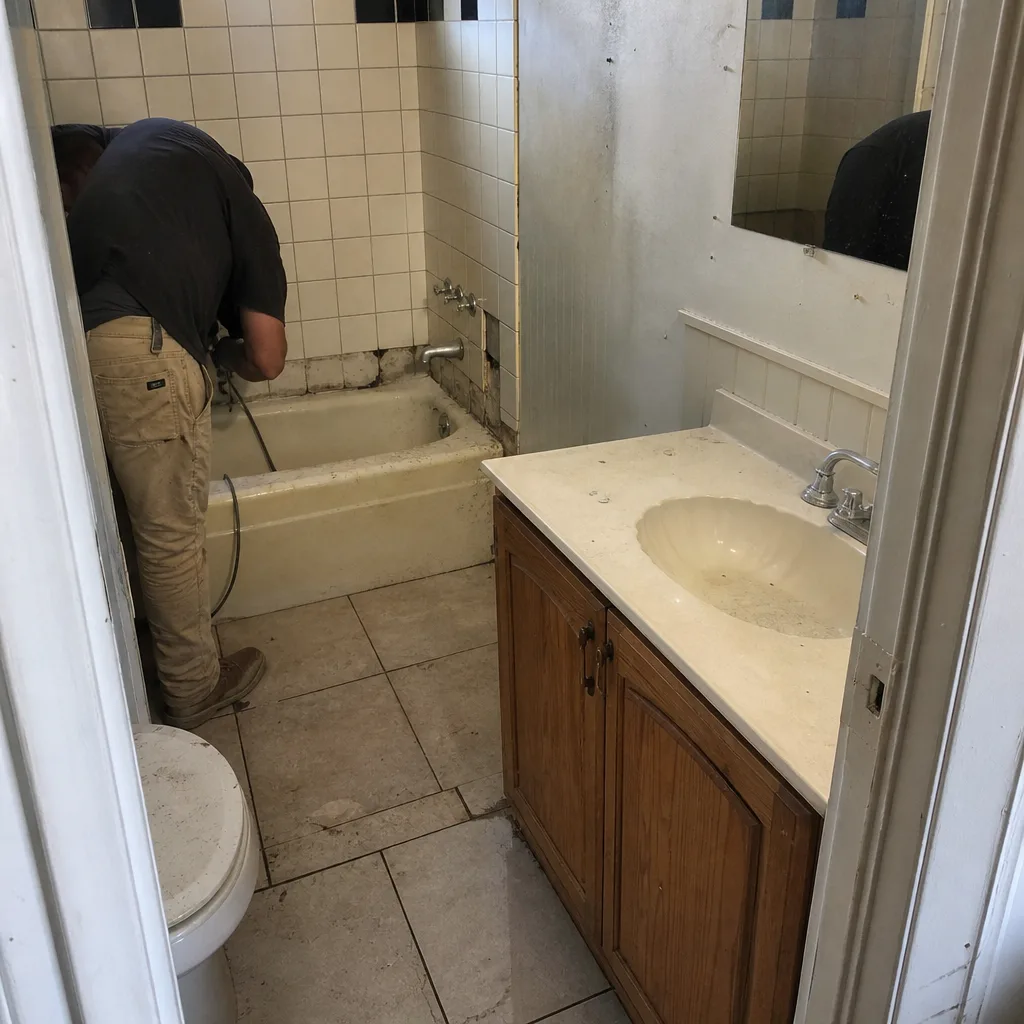 Before
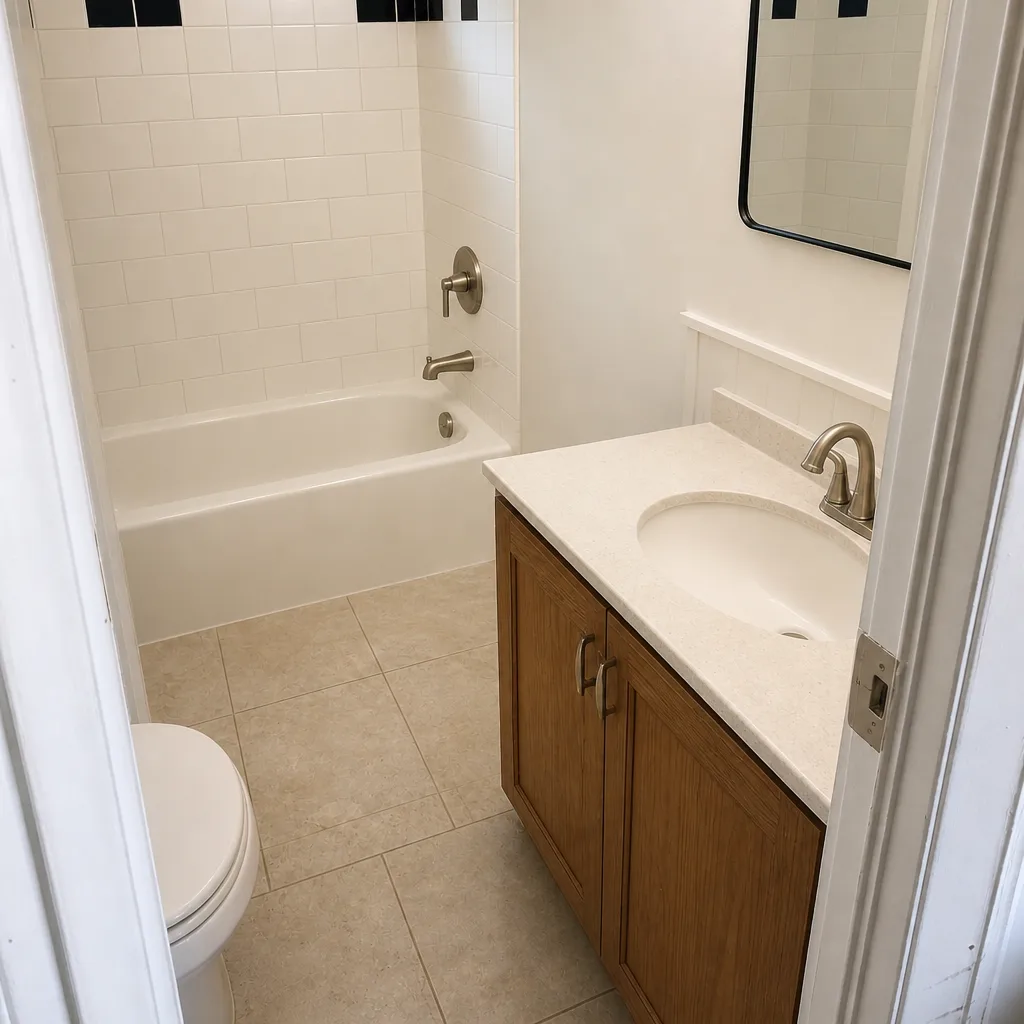 After
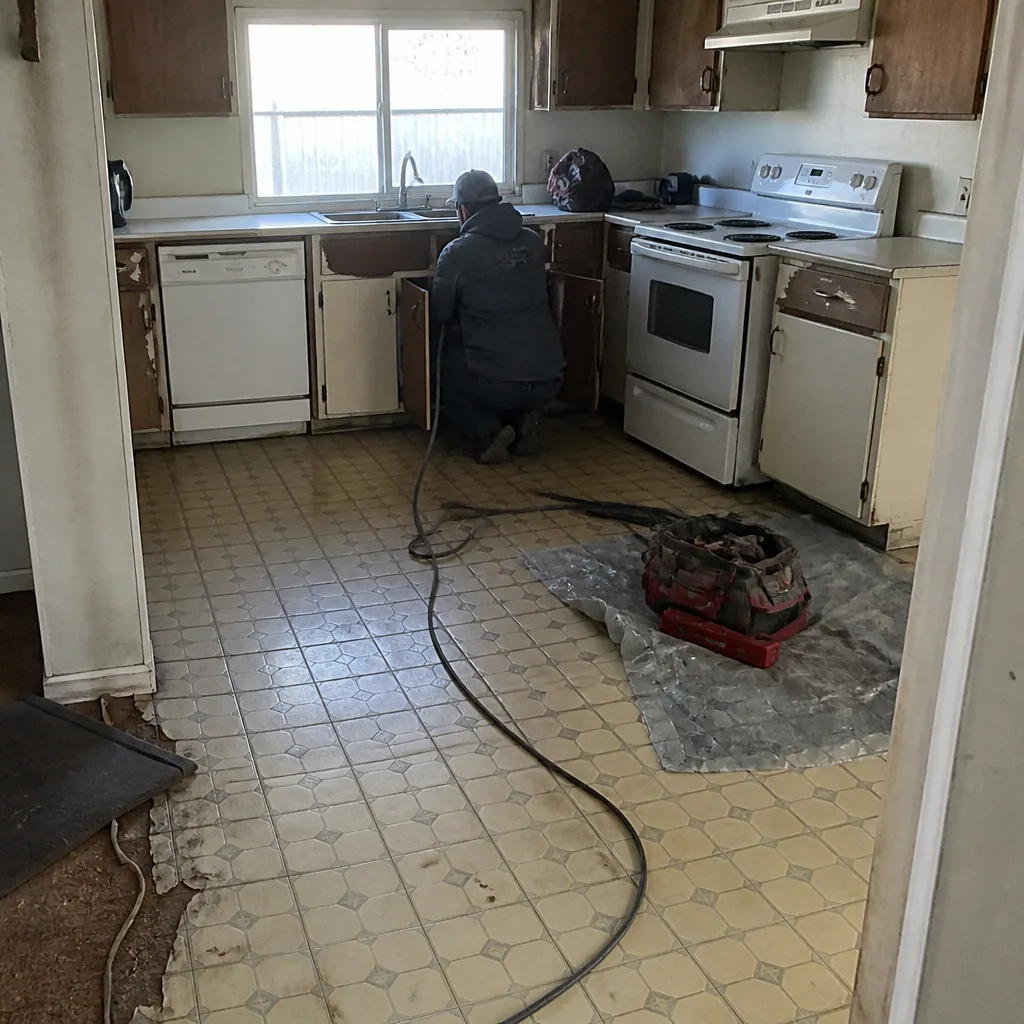 Before
 After
 Before
 After
Frequently Asked Questions

Twice a year minimum, with a quick follow-up in each season if you can manage it. The two non-negotiable inspections are early December (before the deep freeze) and mid-October (before the first cold snap). A spring check in late April closes the loop before summer heat locks anything in, and a quick July check catches thermal expansion cracks right when they appear. The whole set takes about 20 minutes per visit with a phone camera.
No, and we strongly recommend against it. Concrete in Mesquite needs ambient temperatures under roughly 90°F during the cure period, which rules out most of June through September. Patching a crack in July typically produces a repair that fails within a year because the material dries before it cures. Wait for September or early October. Call (888) 413-6358 for a free concrete or paver estimate and we can schedule the work for the correct window.
Freeze-thaw cycling in winter, without a close second. The pattern of nightly lows in the high 20s and daytime highs in the 50s and 60s drives repeated expansion and contraction in every crack, joint, and caulk line on the exterior of your home. Stucco, concrete flatwork, and masonry joints all fail on this cycle if they’re not inspected and sealed in the fall. Homeowners who add a fall audit to their routine typically avoid 70 to 80% of the freeze-thaw damage we see in homes that don’t.
Sometimes, and it depends on the warranty and the component. Manufacturers like GAF, CertainTeed, and Owens Corning cover material defects and, in some cases, installation failures, but most of them ask for a documented maintenance history before they’ll process a claim. The maintenance log we describe in this guide is exactly what those claims departments want to see. If you’re within a contractor’s workmanship window, that’s a separate coverage that usually has its own terms. Our 730-Day Done Right Promise covers our workmanship for the full 730 days – if it’s not done right, we make it right.
For most exterior projects, yes. October and November give you moderate temperatures, low UV intensity, and enough time before the freeze window to let sealants, patching compounds, and paint fully cure. Roof replacement, stucco repair, concrete work, and paver installation all perform better in fall than in peak summer or deep winter. Spring runs a close second. Summer is the worst window for sealants and concrete, and winter is risky for anything that needs consistent temperatures to cure. Call (888) 413-6358 for a free fall estimate.
We work from a curated list of verified brand partners across every trade. On roofing specifically, we install GAF, CertainTeed, and Owens Corning systems, and on siding we install James Hardie fiber cement. For windows and doors, we work with Andersen and Pella. For paver and hardscape work, we use Belgard. On bathroom and kitchen components we install Delta, American Standard, Toto, and Schluter waterproofing systems. The point is that homeowners get to choose quality rather than whatever happens to be stocked. Every project is covered by our 730-Day Done Right Promise and comes with the same upfront pricing you’d get on any project we run.
The Bottom Line
Mesquite’s climate is four seasons of construction stress disguised as one long hot summer. The work that actually protects your home is modest: two real inspections a year, one in October and one in December, a spring sealing pass before the heat locks gaps in, and a summer discipline about not scheduling concrete or sealant work in triple-digit temperatures. Add a one-page maintenance log with dated photos, and you’ll catch most failures while they’re still cheap. The rest is knowing when a finding is a homeowner task and when it’s a professional one. If you want a second set of eyes on your home’s exterior, Groundwork Construction Co. of Mesquite offers free estimates. Call (888) 413-6358 to schedule yours and get a written line-item scope before you commit to anything.
Related Reading
- Driveway & Pavers in Mesquite – installation timing and seasonal care for flatwork and hardscape
- Fence Installation in Mesquite – post, rail, and material choices that hold up to Mesquite temperature swings
- Home Additions & ADU in Mesquite – how seasonal scheduling affects framing, drywall, and exterior envelope work on additions
- Groundwork Construction Co. of Mesquite home – full service overview for roofing, siding, windows, and envelope work
Written by the team at Groundwork Construction Co. of Mesquite.