
Last updated November 18, 2026








Free written scope consultation - allowances, timeline, and change-order rules on paper before a single trade is scheduled
Windows & Doors Troubleshooting: Common Problems and How to Fix Them
A door that sticks every July and gaps every January isn’t a hardware problem. It’s a framing or installation problem wearing a hardware costume, and adjusting the strike plate is just buying time until the next season. We see this constantly in Mesquite, where summer highs push past 110°F and winter nights dip toward freezing. That swing moves wood, vinyl, and even aluminum in ways homeowners never expect. This guide teaches you to diagnose the cause before you touch a screwdriver. You’ll learn the difference between thermal movement and structural settlement, how to read condensation correctly, and the right sequence for chasing a leak so you don’t void a warranty chasing the wrong part.
Quick Answer
Most window and door problems trace back to three root causes: seasonal thermal movement, a failed seal in the insulated glass unit, or original installation errors at the frame and rough opening. Hardware adjustments fix symptoms temporarily. Durable fixes address alignment, flashing, and weather sealing at the frame level. If a problem gets worse year over year rather than cycling with the seasons, it’s structural and needs professional evaluation.
Styles & brands we work with
- Kitchen remodeling
- Bathroom remodeling
- Home additions & ADU
- Roofing
- Windows & doors
- Driveway & pavers
- Fence
Table of Contents
- The Root-Cause Diagnostic Tree for Five Common Complaints
- Thermal Movement vs. Structural Settlement: How to Tell Them Apart
- IGU Failure: Surface Condensation vs. Between-Glass Fogging
- When Weatherstripping Replacement Actually Works
- The Correct Diagnostic Sequence for a Leaking Window
- Difficult Operation: Tracks, Rollers, and Hinges
- Visible Daylight Gaps: What They Really Mean
- A Maintenance Calendar for Mesquite Homeowners
The Root-Cause Diagnostic Tree for Five Common Complaints
Before you replace a single part, run the complaint through a diagnostic sequence. In our experience, homeowners jump to the hardware because it’s visible. The cause usually sits somewhere else. Here’s how we work through the five most common complaints.
- Sticking door or window. Check whether the stick is seasonal or constant. Seasonal means thermal movement in the frame or slab. Constant means hinge wear, settling, or a swollen substrate. Test the gap at the top and bottom of the door with a flashlight at night.
- Drafts. Hold a lit incense stick or a tissue near the frame edges on a windy day. If the tissue flutters at the frame perimeter, weatherstripping or caulking failed. If it flutters at the sash itself, the sash seal or IGU gasket failed.
- Condensation. Determine which surface collects moisture. Inside the room means a humidity and ventilation issue. Between the panes means a failed IGU seal. On the exterior means normal dew point behavior during cold mornings.
- Difficult operation. Test the track, roller, and hinge separately. Lift a sliding window out of its track and check for debris. If a swinging door drags at the bottom latch side, the frame is out of square.
- Visible daylight gaps. Trace the gap from corner to corner. A gap at one corner only suggests frame racking. A uniform perimeter gap suggests the unit was undersized at installation, a common shortcut we find in older Mesquite tract homes.
If the complaint clears on its own after a season change, you’re looking at thermal movement and a maintenance fix. If it compounds year over year, it’s structural and deserves a professional look. Either way, the diagnostic sequence should come before any purchase. For broader project planning around these repairs, our Groundwork Construction Co. of Mesquite home page lays out the full scope of what we handle.
Thermal Movement vs. Structural Settlement: How to Tell Them Apart
This is the single most important distinction in window and door troubleshooting, and it’s the one homeowners miss most. Thermal movement is normal, cyclical, and self-correcting. Structural settlement is progressive and requires intervention.
- Thermal movement follows temperature cycles. Doors that stick in July free up in October. Windows that whistle in January go quiet in April. The change is predictable within a few weeks of the season shift.
- Structural settlement worsens in one direction. A door that stuck slightly last year now drags hard this year and won’t close without force. Gaps at corners widen instead of appearing and disappearing.
- Cracks near openings tell the story. Diagonal cracks propagating from the corners of a window or door frame point to foundation or header movement. Hairline cracks in drywall texture near the trim are usually cosmetic.
- Door slab geometry is a great indicator. A slab that’s perfectly rectangular but sticks means frame movement. A slab that’s visibly twisted or out-of-square means the unit itself has warped or the wall has settled.
Mesquite’s climate amplifies thermal movement. The desert swing between a 115°F summer afternoon and a 65°F night is a nearly 50-degree daily cycle. Vinyl and aluminum expand and contract across those swings, and wood doors absorb and release moisture. We see more seasonal sticking in Mesquite than in coastal or humid climates simply because the daily range is so wide. If your door has stuck every July for three years but always frees up, that’s the climate, not a defect. If the same door now drags in April too, the frame has moved and it’s time to investigate.
A cheap diagnostic tool is a four-foot level held against the hinge side of the door frame. If the frame is plumb but the door binds, the slab or hinge placement is the issue. If the frame is out of plumb by more than about 1/8 inch over four feet, suspect settling and have it checked. Do the same at the head jamb. A frame that’s plumb at the hinges but racked at the top will bind every door you install in it.
IGU Failure: Surface Condensation vs. Between-Glass Fogging
Condensation on a window is not automatically a window problem, and misreading it costs homeowners hundreds of dollars on units they didn’t need. The location of the moisture is everything.
- Condensation on the interior glass surface: an indoor humidity and ventilation issue. Winter humidity above roughly 40% combined with cold exterior glass creates condensation. Kitchen and bathroom exhaust fans, a whole-house dehumidifier, or better air circulation usually solves it. The window is doing its job.
- Condensation on the exterior glass surface: normal dew point behavior on cold mornings. It dissipates as the sun rises. Not a defect.
- Fogging, milky haze, or droplets between the panes: a failed seal on the insulated glass unit (IGU). The desiccant inside the spacer has been exhausted, and moisture has entered the sealed airspace. The only fix is replacing the glass unit. The frame and sash usually stay.
One test clarifies the picture. Run a fingernail across the foggy spot on the interior surface. If the moisture is on the glass you can touch, it’s a room humidity issue. If the fog lives behind the glass and your fingernail finds dry glass, the IGU has failed. We see a lot of IGU failures in Mesquite homes built in the 2000s, where the original units are now 20-plus years old and the perimeter seal has aged out under UV. Quality replacement glazing from partners like Andersen holds up better in this sun load, and when we quote a window replacement the number you see is the number you pay.
IGU replacement is normally much cheaper than a full unit replacement. Frame and sash stay in place, the glazing is swapped, and the room stays livable through the day. That said, if three or more IGUs in the same elevation have fogged within a couple of years, the units are probably at the end of their service life as a set and full replacement becomes the better long-term call.
When Weatherstripping Replacement Actually Works
New weatherstripping solves a draft only when the draft is genuinely caused by worn or compressed weatherstripping. If the frame is out of alignment, fresh weatherstripping will compress unevenly, tear within a season, and mask the real problem.
Here’s the test. Close the door or window and look at where the weatherstripping meets the frame. It should compress evenly along its full length. If it’s mashed flat in the middle and untouched at the ends, the frame is out of square, the sash is warped, or the hinges are worn. Replacing the stripping in that condition produces the same result within weeks.
- Inspect the strip along its full length. Look for flattening, splits, brittleness, or gaps between sections.
- Test compression with a dollar bill. Close the door on a paper bill and pull. If it slides out easily along one section and resists along another, alignment is off.
- Check the corners. Most weatherstripping fails at corners first because that’s where the compression geometry is imperfect.
- Replace only sections that are actually compressed or deteriorated. A full replacement on an aligned frame is fine as preventive work. A full replacement on a misaligned frame is wasted money.
- Recheck the bill test after replacement. If it still slides out easily at the same spot, the frame or sash needs realignment.
In Mesquite, the weatherstripping killer is UV plus heat cycling. A south-facing door will age its weatherstripping two to three times faster than a shaded one. Quality materials like the kind spec’d with CertainTeed and similar partners hold their memory longer, but no weatherstripping outlives a bad frame. If your Mesquite home has a door that’s eaten three sets of weatherstripping in as many years, the frame is the problem.
The Correct Diagnostic Sequence for a Leaking Window
When water shows up inside around a window, the instinct is to blame the window unit. In our experience, most window leaks aren’t the window. They’re the flashing, the sealant joint, or the rough opening detail behind the unit. The order you diagnose in matters because warranty claims can hinge on identifying the actual source. If you file a claim on a defective unit and the failure was flashing, the claim is denied.
- Rule out the roof and wall above. Water travels. A leak showing at a window head is often water entering 10 feet uphill. Check the roof-wall intersection, the siding above, and any penetrations like vents or hose bibs.
- Inspect the flashing. Look at the head flashing above the window and the sill pan below. Failed or missing sill flashing is the single most common cause of window leaks we find. It’s also invisible from inside the room.
- Check the sealant joints. Caulking cracks and pulls away over time, particularly in a desert climate where UV exposure is intense. Look for gaps along the perimeter of the window and where the window meets the wall cladding.
- Test the unit itself. Check the weep holes at the bottom of the frame. Blocked weep holes trap water and push it inside. Confirm the glazing gaskets are intact.
- Only after ruling out one through four do you suspect the window unit as defective. At that point, a warranty claim is legitimate and defensible.
GAF and Owens Corning roofing components come into play when the leak source is above the window. We’ve chased leaks in Mesquite that looked like window failures and turned out to be deteriorated roof-to-wall flashing. Doing the diagnostic sequence in this order saves money, saves time, and protects the warranty claim if the unit really is at fault.
Difficult Operation: Tracks, Rollers, and Hinges
Sliding windows, sliding patio doors, and casement windows almost never fail at the operator. They fail at the roller, the track, or the hinge. A simple diagnostic sequence sorts out which.
- Sliding glass doors that drag: the roller assembly under the door panel has worn, flattened, or seized. Lift the panel out, look at the roller wheels, and check for flat spots. Rollers are usually adjustable with a screwdriver. If the adjustment range is exhausted, replacement rollers are inexpensive.
- Sliding windows that stick: debris in the track is the most common cause. A vacuum, soft brush, and silicone spray on the track solves most of them. Avoid oils that attract dust.
- Casement windows that crank hard: the operator mechanism has stripped, or the sash is binding against the frame. Test by disconnecting the operator arm and swinging the sash by hand. If it swings free, the operator is the problem.
- Swing doors that bind at the top: top hinges have worn or the jamb has settled. Check the gap at the top of the door along its width. Uneven gap means the head jamb has moved.
Adjustment, cleaning, and lubrication resolve most operation complaints. Replacement parts for brand-name operators are worth using when available. Avoid generic aftermarket operators on quality units. The tolerances are different and the mechanism will strain or fail. For additions and new openings where these problems are being designed out from the start, our Home Additions & ADU in Mesquite team specifies hardware and opening details that hold up under the local climate load. When exterior layout and access are part of the job, our Driveway & Pavers in Mesquite service coordinates with the same crews so the whole exterior reads as one plan.
Visible Daylight Gaps: What They Really Mean
A gap you can see daylight through is a diagnostic goldmine. Its shape tells you the cause before you ever pick up a tool.
- Gap at one corner only. The frame is racked. This is usually settling or a header that’s sagged, and adjusting the hinge or latch does nothing permanent.
- Uniform gap around the full perimeter. The unit was undersized at installation. We find this in some of the older Mesquite tract homes where rough openings were cut generously and the unit was shimmed and caulked instead of properly sized.
- Gap at the strike side of a door. The door has moved relative to the frame, or the latch isn’t engaging. Test by pressing the door closed with your hand. If it stays closed without the latch catching, the strike plate is out of position. If the gap reopens, the frame has moved.
- Gap along the head only. The door slab has swelled at the bottom, or the hinges have compressed the top jamb. Common in wood doors that see moisture.
- Gap along the hinge jamb after new installation. Installation error. The frame wasn’t shimmed correctly at the hinge side. This one never fixes itself and should go back to the installer.
Seal a visible gap only after you understand why it’s there. Caulk over a racked frame hides the symptom while the settlement continues. In Mesquite, we’ve seen gaps appear at the base of patio doors after a single summer when the slab underneath dried and shrank. Those are frame-level issues that respond to shimming and re-flashing, not to more caulk.
A Maintenance Calendar for Mesquite Homeowners
A little scheduled attention goes a long way in this climate. Here’s a calendar we recommend to Mesquite homeowners based on what actually fails here.
- Spring (March – April): Inspect and clean all window and door tracks. Test weatherstripping compression. Lubricate sliding hardware with silicone spray. Check weep holes on windows.
- Early summer (May): Walk the exterior perimeter. Inspect sealant joints at every window and door. Re-caulk any joints that have pulled away, split, or turned chalky. This is the highest-value maintenance window before peak heat.
- Mid-summer (July – August): Note any doors or windows that stick or drag during peak heat. This is your thermal baseline. Don’t adjust hardware yet – just document.
- Fall (October): Repeat the door and window inspection after the first cool snap. Compare to the summer baseline. If sticking was thermal, everything returns to normal. If problems persist, the frame has moved.
- Winter (December – February): Do the draft test. If drafts have appeared along the frame that weren’t there in the fall, weatherstripping or caulking needs attention. Check interior condensation and adjust interior humidity.
Two clean dry seasons with no progressive change is the goal. Two consecutive seasons of worsening sticking, widening gaps, or new drafts means it’s time to call in a professional for a real evaluation. A quick inspection by a trained technician saves months of guesswork. For exterior fencing and gate issues that interact with door alignment on Mediterranean-style entries, our Fence Installation in Mesquite page covers those details.
Common Mistakes to Avoid
- Adjusting the strike plate on a door that sticks seasonally. You’ll move the plate, the season will change, and now the door latches loose in the winter. Diagnose the movement cycle first.
- Replacing weatherstripping on a misaligned frame. The stripping destroys itself within a season and you’re back where you started with less money – common in Mesquite where UV amplifies the failure curve.
- Assuming a foggy window means a full window replacement. On a branded unit, the IGU alone can usually be swapped for a fraction of the cost of a new window.
- Caulking over a leaking window before checking flashing. Caulk hides the symptom for one wet season at best, and it can make a legitimate warranty claim harder to prove later.
- Ignoring progressive gaps and dragging doors. What looks like a minor annoyance in year one is often a settling story in year three. Catch settlement early.
- Oiling sliding tracks. Oil attracts dust and grime, so a track that was slow gets slower. Silicone spray is the right lubricant.
- Skipping the annual exterior sealant walk. In Mesquite, one missed summer of caulk maintenance can mean a leak you didn’t need to have.
See the difference
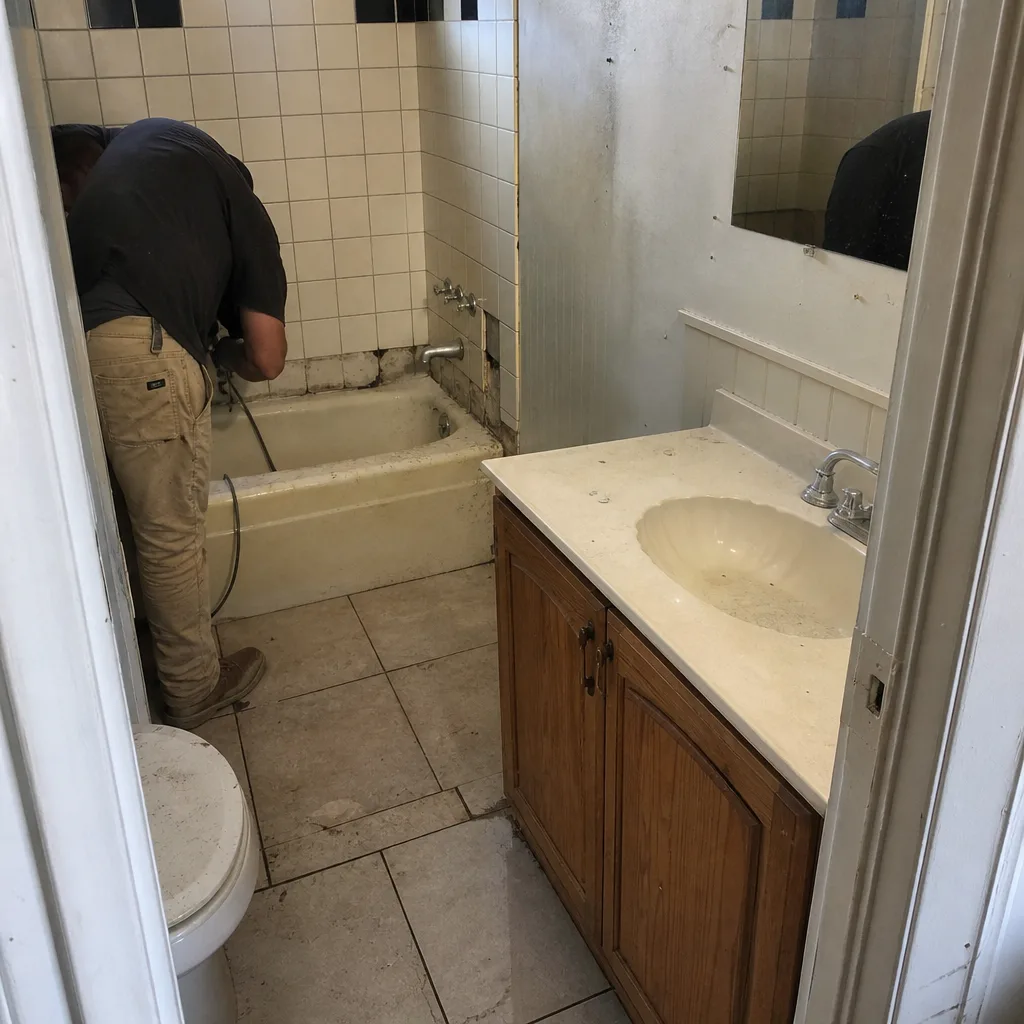 Before
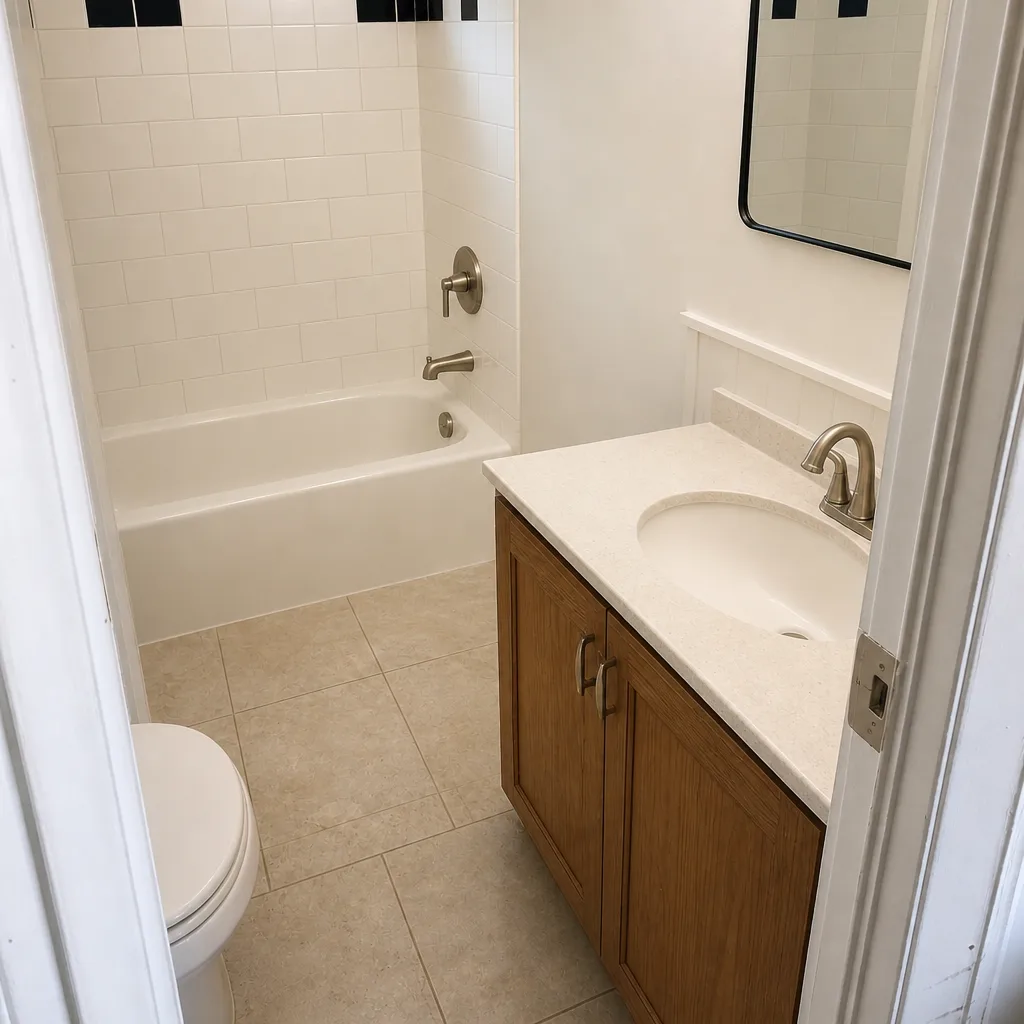 After
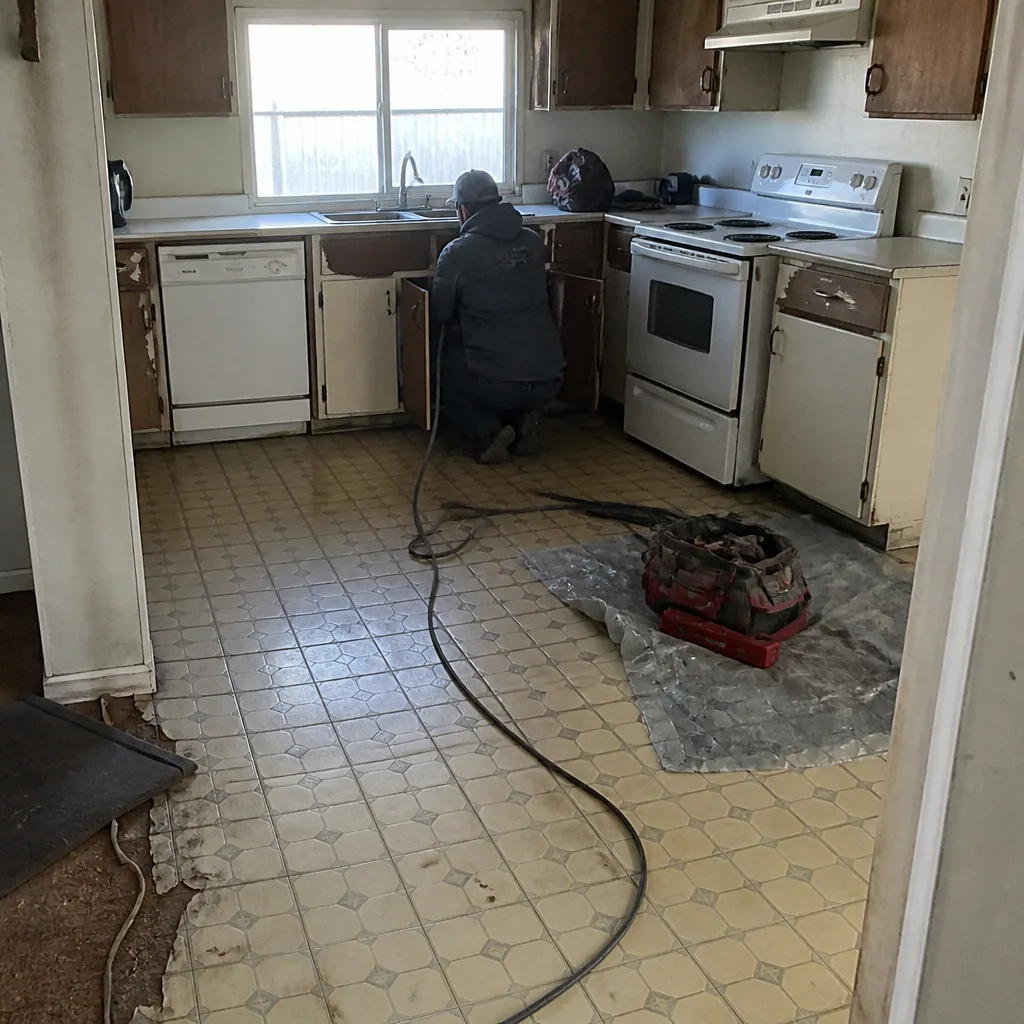 Before
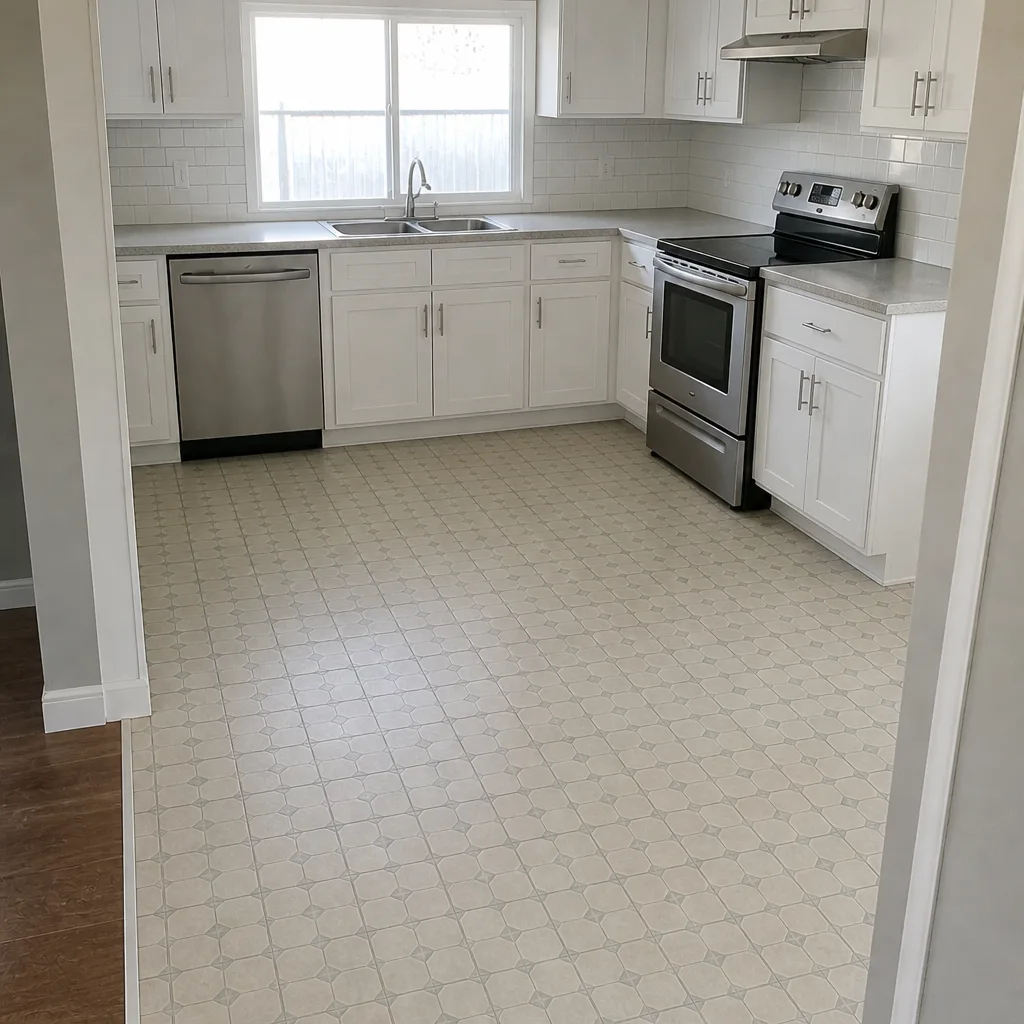 After
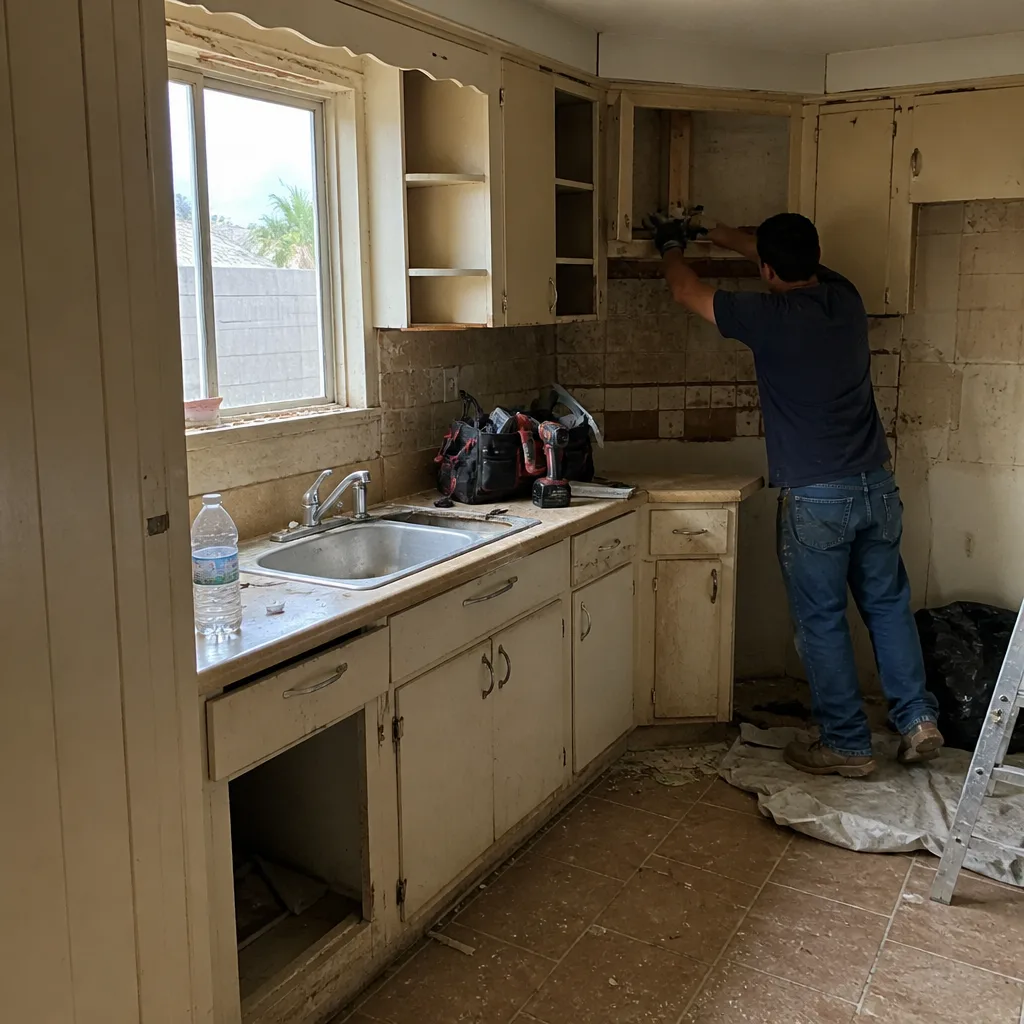 Before
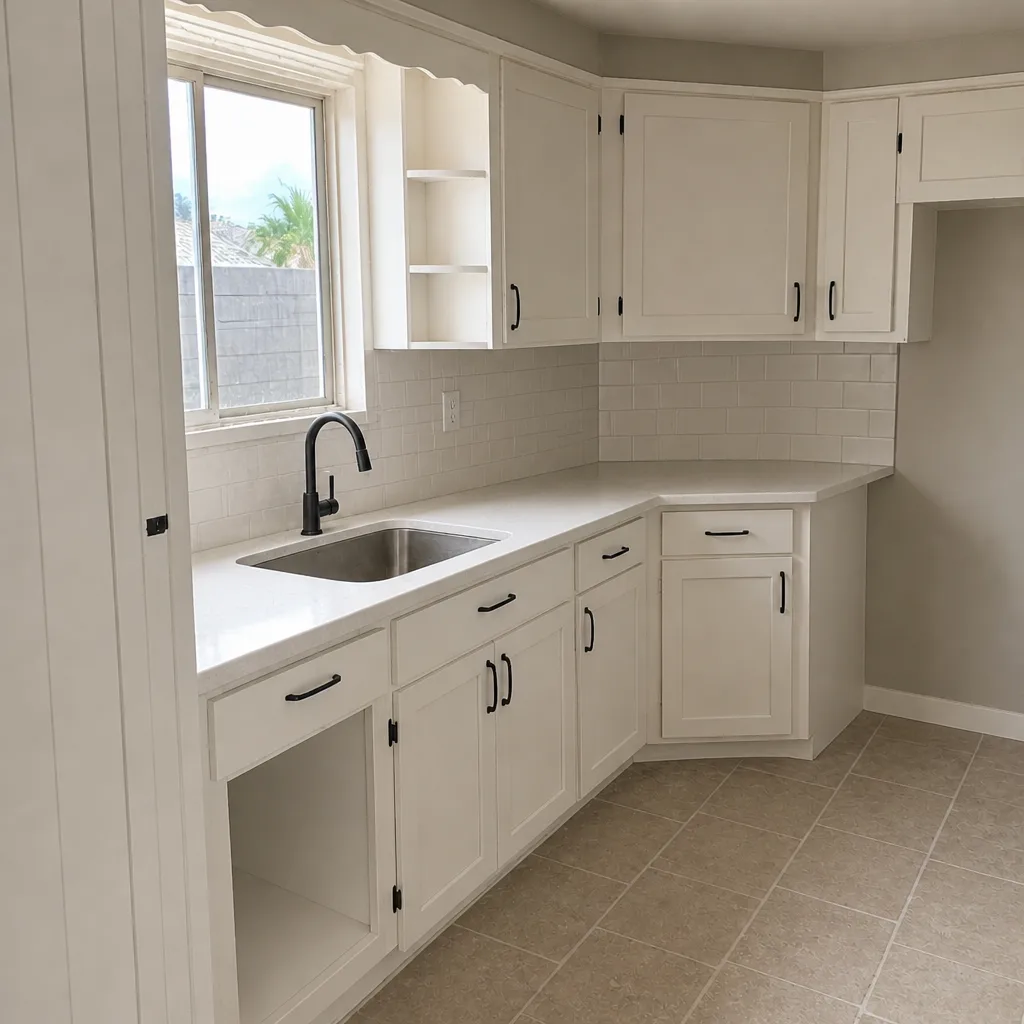 After
When to Call a Professional
Call a professional when a problem is progressive rather than cyclical, when you can see daylight gaps at corners, or when water has entered around a window more than once. Also call when a door or window requires adjustment more than once a year, when a fogged window shows moisture across more than a third of the pane, or when you suspect settled framing. Groundwork Construction Co. of Mesquite offers free estimates in Mesquite – call (888) 413-6358 to schedule yours. Our technicians have up to 12 years of experience with window and door diagnostics, and every project is covered by our 730-Day Done Right Promise. That means if it’s not done right, we make it right. Calls are answered by a live person 24 hours a day, 7 days a week, so you’re not stuck in a voicemail loop waiting for Monday.
Frequently Asked Questions

Typical repairs range from around $150 for a hardware adjustment or weatherstripping replacement to $400 – $900 for IGU replacement on a standard-size window, and higher for frame realignment or flashing repair. Exact pricing depends on unit size, brand, and whether parts need ordering. Call (888) 413-6358 for an exact quote – estimates are free.
No. We quote upfront pricing and the number you see is the number you pay. If we open a wall or frame and find something no one could have seen, we stop and discuss it with you before proceeding, with a written adjustment. No surprise charges appear after the fact. Call (888) 413-6358 to schedule your free estimate.
Yes, when permits are required, the local pro we connect you with pulls them and handles inspections. Window and door replacements in Mesquite generally require a permit when the opening size changes or when egress windows are involved. We coordinate those on your behalf. Call (888) 413-6358 for details on your specific project.
Most repairs – hardware adjustment, weatherstripping, IGU swap – are completed in a single visit, often within two to three hours. Frame realignment or flashing repair may take a full day. Full unit replacement runs longer and depends on the number of units. Call (888) 413-6358 for a realistic timeline on your project.
That’s thermal movement. Heat expands the door slab or the frame, or both, and the door binds. The fix is normally weather-seal tuning and hinge adjustment rather than a full replacement. If the sticking has gotten worse over multiple summers, the frame has likely moved and needs a professional inspection. Call (888) 413-6358 to have it looked at.
No. Fogging between the panes means a failed IGU seal and requires glass replacement, but the frame and sash usually stay. Fog on the interior surface is a humidity issue, not a window issue. A quick test: run a fingernail across the fog. If it’s dry, the problem is inside the glass. If it’s wet, it’s room humidity. Call (888) 413-6358 if you’re unsure.
The Bottom Line
Diagnose the cause before you buy the part. Thermal movement is cyclical and responds to maintenance. Settlement is progressive and needs professional intervention. Condensation on the interior means humidity, between the panes means an IGU replacement, and on the exterior usually means nothing. Look for the flashing before you blame the window when water is coming in. Weatherstripping fixes drafts only when the frame is aligned. Read the shape of a daylight gap. In Mesquite, the climate stress is real, but most failures are predictable and preventable with a simple annual maintenance calendar. When in doubt, get a professional diagnosis before the problem compounds. Our team at Groundwork Construction Co. of Mesquite is glad to help – call (888) 413-6358 for a free estimate, backed by the 730-Day Done Right Promise and 0% financing for 18 months so the work fits your budget, not the other way around.
Written by the team at Groundwork Construction Co. of Mesquite.