Last updated November 18, 2026

Free written scope consultation - allowances, timeline, and change-order rules on paper before a single trade is scheduled
Choosing the Right Construction Brand: A Buyer’s Guide for Mesquite
Two contractors can bid the same bathroom remodel at nearly the same number and deliver wildly different results at the ten-year mark. Same square footage. Same timeline on paper. The difference almost always comes down to the product lines they put behind the drywall, under the shingles, and beneath the tile. Most homeowners never ask a single question about materials because nobody told them there was a question to ask. This guide changes that. We’re going to walk through where brand choices actually matter in a Mesquite build, how to make a contractor justify what they spec, and how to tell the difference between a real material partnership and a logo on a proposal. By the end you’ll know which questions to ask and what the answers should sound like.
Quick Answer
The brand of construction materials your contractor specifies matters more than most Mesquite homeowners realize, because brand-level differences in roofing systems, stucco, concrete mixes, and waterproofing hold up very differently under sustained desert heat, intense UV, and the monsoon swings this valley gets every summer. The right contractor can explain exactly why they spec a specific product for a specific application, backs that choice with manufacturer warranty documentation and their own workmanship guarantee, and puts both in writing before work begins. If a contractor can’t answer a materials question without getting defensive, that’s your answer.
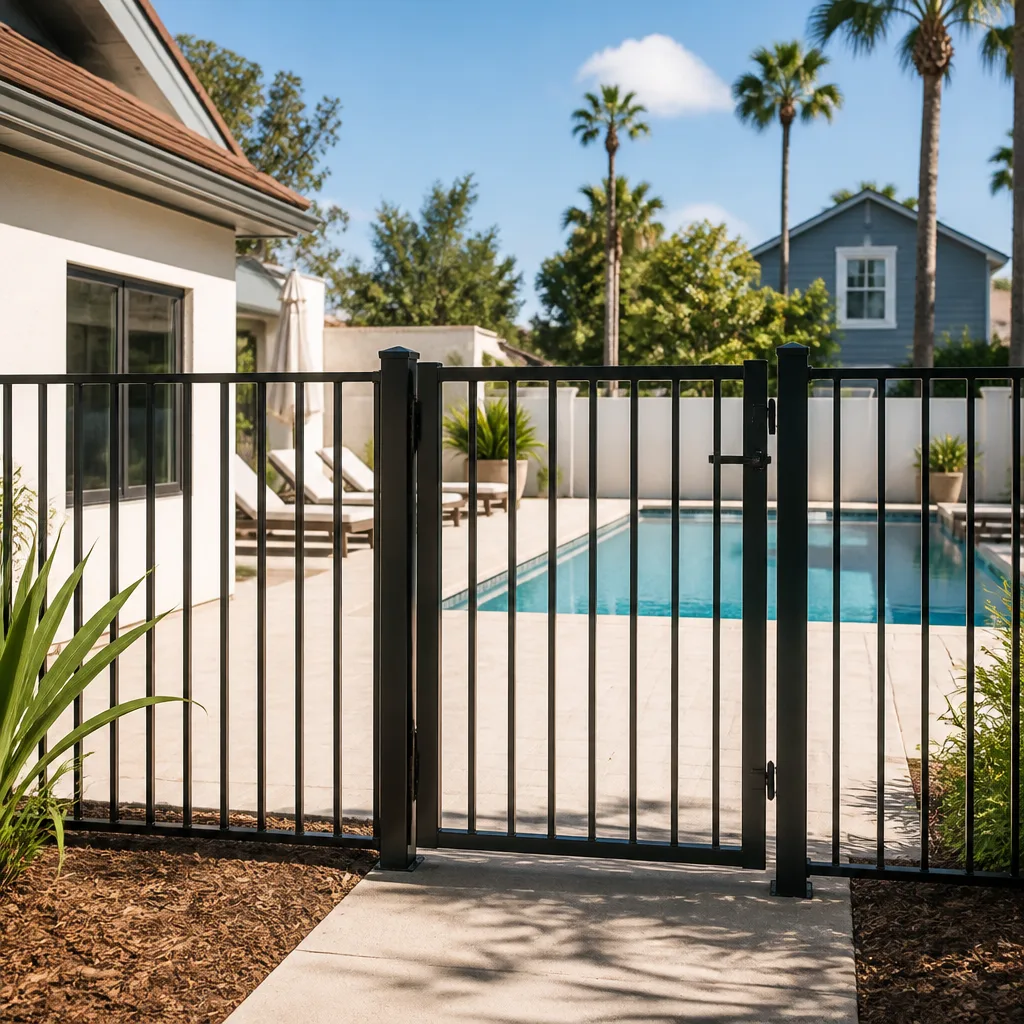
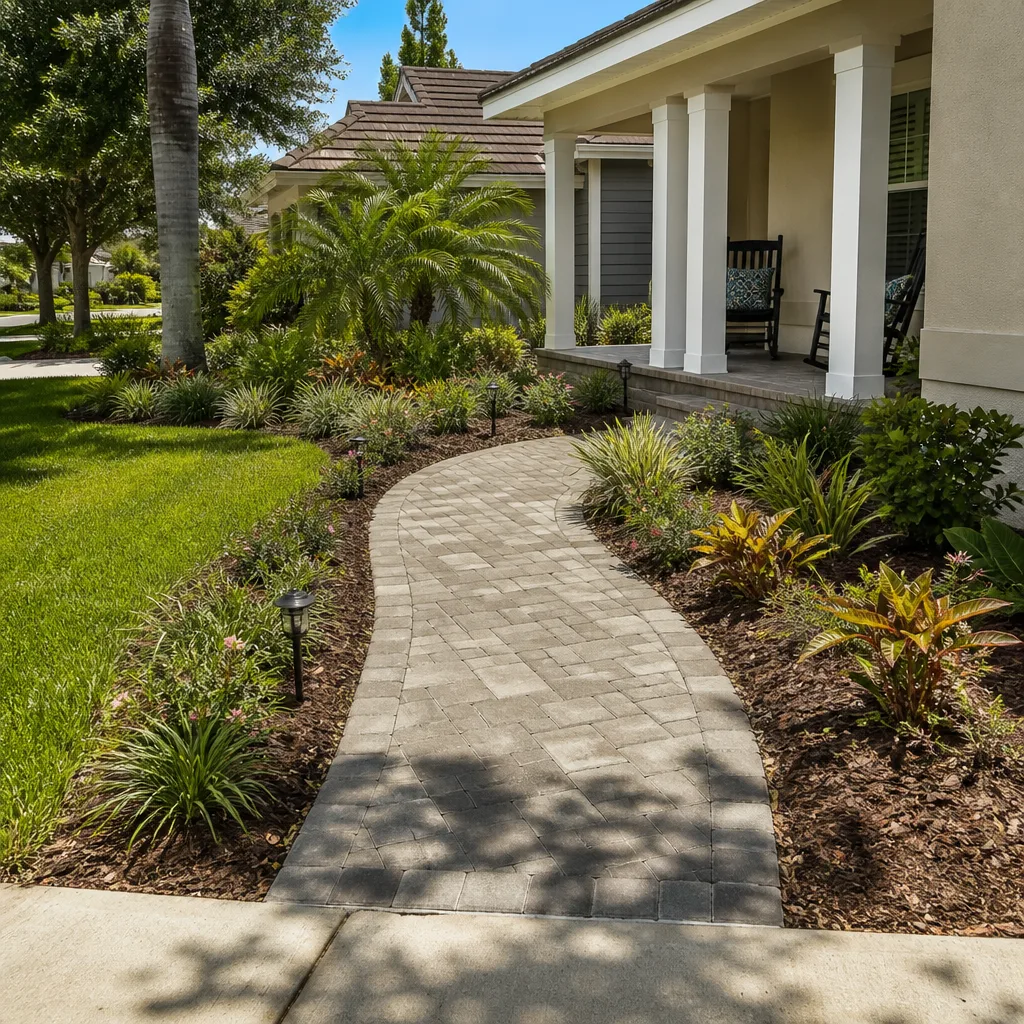
Styles & brands we work with
- Kitchen remodeling
- Bathroom remodeling
- Home additions & ADU
- Roofing
- Windows & doors
- Driveway & pavers
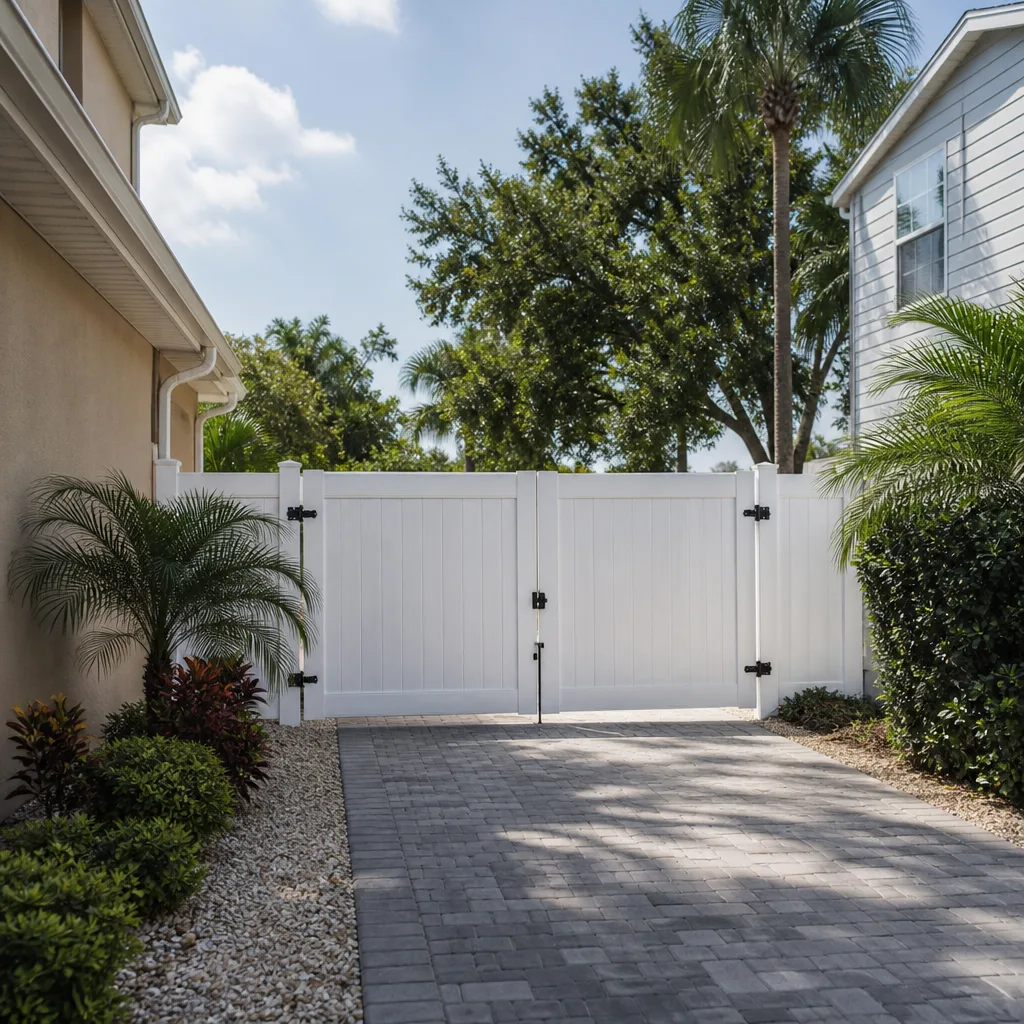
- Fence
Table of Contents
- Why Material Brand Choice Matters in Mesquite
- The Four Material Categories Where Brand Actually Changes Performance
- The Questions That Separate Performance Specs From Habit Specs
- What Real Brand Partnerships Signal About Your Contractor
- Manufacturer Warranty vs. Workmanship Warranty: Why You Need Both
- Red Flags in Material Selection
- Common Mistakes to Avoid
- When to Call a Professional
Why Material Brand Choice Matters in Mesquite
Mesquite sits in a stretch of the Mojave where summer surface temperatures on a dark roof can push past 160°F, and where the temperature swing from a July afternoon to a July night regularly runs 30 degrees or more. That swing is the real test. Materials expand and contract against it every single day for years, and the brands that perform in a lab in the Midwest are not always the brands that perform here. Roofing granules that shed in a 12-year Phoenix or Mesquite exposure aren’t the same granules that shed in year 25. Concrete mixes that set fine in mild humidity can crack under rapid desert moisture loss if the admixture package wasn’t formulated for it.
We’ve seen this play out in the neighborhoods around Mesquite Boulevard and out toward the Sun City Mesquite communities, where homes built within a few years of each other end up with dramatically different roof life and stucco condition depending on what the original builder used. The homeowner on one side of the block is looking at a 20-year roof that’s still going. The homeowner two houses down is already getting bids on a replacement at year 12. Same sun. Same wind. Different product.
This is why we treat material specification as a design decision, not a procurement detail. A roof is not a roof is not a roof. Neither is a stucco system, a slab, or a shower waterproofing membrane. And a contractor who treats those things as interchangeable commodities is telling you something about how they think about your house. Our view, and one we’ll defend on any job site: the brand of materials is one of the most reliable proxies for how a project will hold up, right alongside the craftsmanship of the crew installing it.
The Four Material Categories Where Brand Actually Changes Performance
Not every material category has meaningful brand differences. Drywall is drywall. Studs are studs. But in a Mesquite climate, four material families separate the field in ways that show up on your repair bills in 5, 10, and 15 years. These are the categories worth grilling your contractor on.
1. Roofing Systems (Asphalt Shingles and Underlayment)
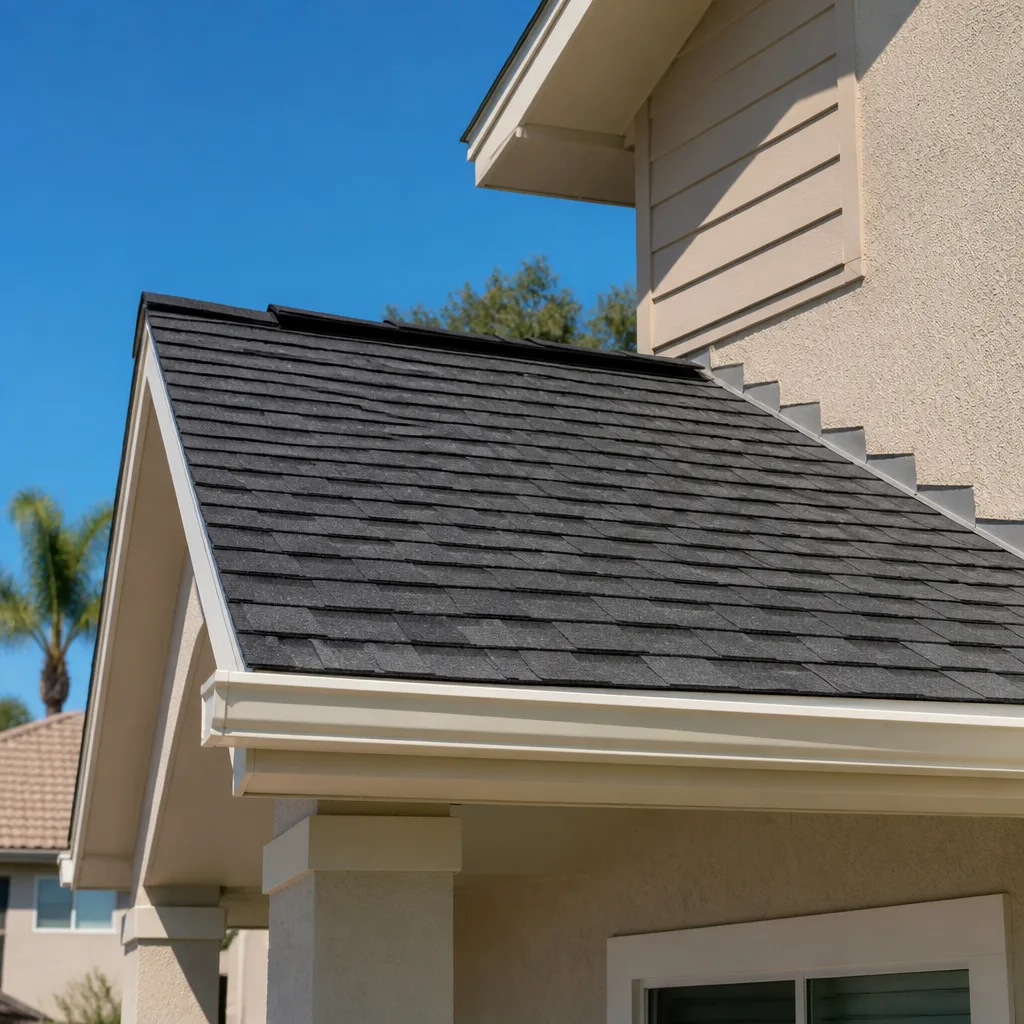
Shingle performance in the desert is dominated by granule adhesion, mat construction, and solar reflectivity. Premium lines from manufacturers like GAF and CertainTeed run through proprietary granule blends and mat formulations designed to resist thermal cycling and UV breakdown, and the difference shows up around year 12 to 15, when discount shingles start losing granules and curling at the edges while premium systems are still laying flat. The underlayment underneath matters just as much. A premium synthetic underlayment performs through the heat far differently than the felt many contractors still install by default because it’s cheaper and available.
2. Stucco Systems (Three-Coat vs. One-Coat and Admixtures)
Stucco is standard on most Mesquite exteriors, and the brand of the system components matters more than the stucco itself in many cases. The base coat, the fiber mesh, the weep screed, and the acrylic finish all come from a manufacturer with their own formulations, and the difference between a properly built three-coat system from a tested manufacturer and a quick one-coat install from a commodity line can affect cracking, water intrusion, and color retention after 8 to 10 years of desert sun.
3. Concrete Admixtures and Mix Design
A concrete mix is not a bag of cement and sand. The admixture package, which controls set time, water reduction, air entrainment, and shrinkage, is proprietary to the ready-mix supplier and formally tied to the mix design. In desert pours, where surface moisture evaporates fast and the slab wants to crack, the difference between a mix designed for hot-weather placement and a generic mix is whether your driveway or patio has shrinkage cracks in year two or year ten. Ask your contractor who their ready-mix supplier is and whether the mix is specified for hot-weather placement. A professional with a real supplier relationship knows the answer instantly.
4. Waterproofing Membranes (Wet Areas and Roof Decks)
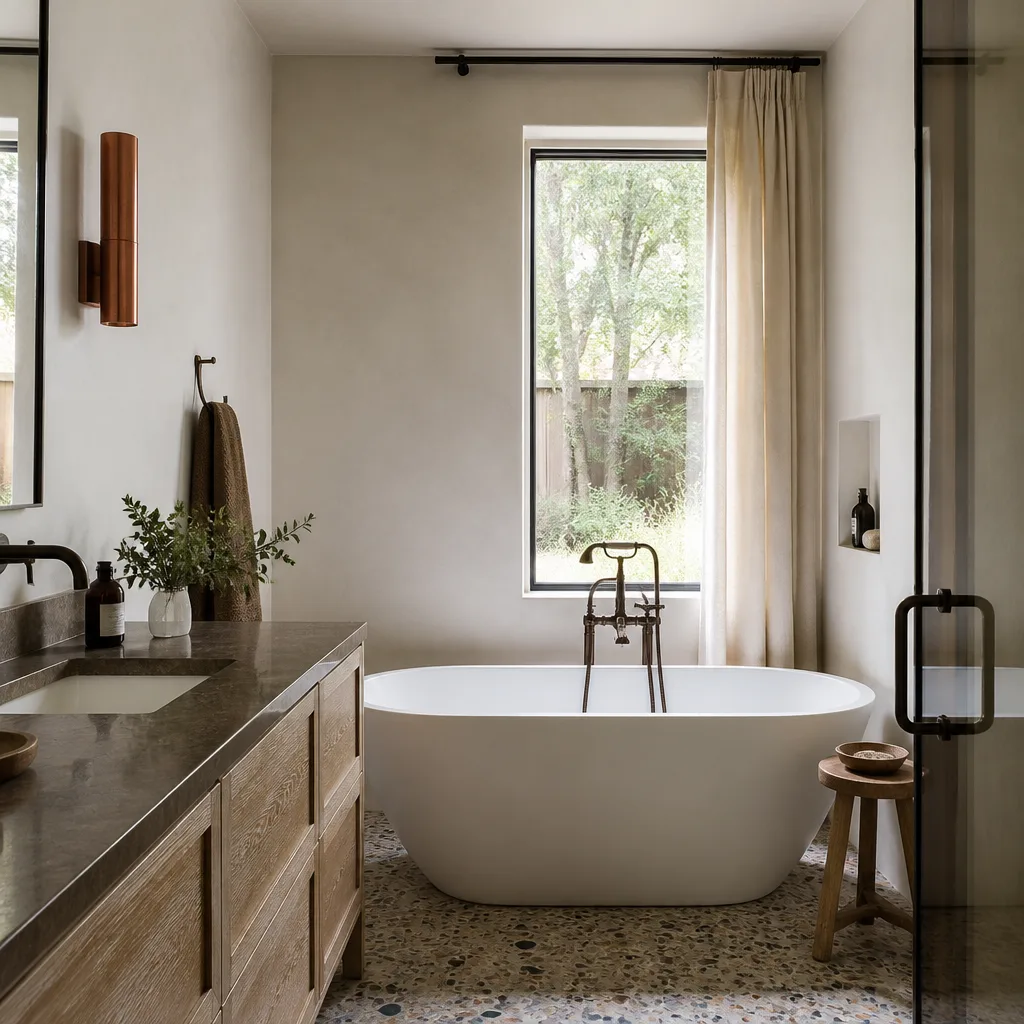
Waterproofing is one of the few places where brand choice has a hard performance ceiling. Sheet membranes, liquid-applied membranes, and cementitious products from established manufacturers carry individual manufacturer warranties and have been tested through decades of exposure data. Discount membranes with no name behind them fail silently, and silent failure in a shower means a $6,000 bathroom tile install comes apart at year six because the pan leaked behind the wall. Kohler and Moen fixtures get the attention, and they should, but the membrane behind the tile is where the real risk lives.
The Questions That Separate Performance Specs From Habit Specs
Here’s the honest part. Most contractors spec the same materials on every job, not because they’ve compared them, but because that’s what their distributor stocks, what their crew used on the last 50 jobs, or what a sales rep sold them at a contractor breakfast. That’s a habit spec. A performance spec is different: the contractor compared options, tested them in real conditions, and chose deliberately. You can tell the difference in about 30 seconds of conversation. Here’s how, step by step.
- Ask “why that brand specifically?” about at least two materials on the bid. If they say the distributor stocks it, that’s a habit spec. If they say something like “we use this shingle because the mat construction holds up in a thermal cycle 30 times colder at night than this shingle’s rated to” or “we use this membrane because the manufacturer approves it over the specific backer board we’re using” – that’s a performance conversation.
- Ask who their rep is at the manufacturer. Contractors who use premium materials have a working relationship with a manufacturer or distributor rep who provides technical support, warranty clarification, and installation training. Contractors who don’t use premium materials often don’t know their manufacturer rep’s name because they never need technical support.
- Ask to see the manufacturer’s installation requirements in writing. Every major manufacturer publishes installation instructions and their warranty conditions specify “installed per manufacturer’s published instructions” as a condition of coverage. A contractor who has never looked up those instructions for the product they’re installing is a warranty risk to you, because the manufacturer will deny the claim.
- Ask what happens if the specified brand isn’t available. Supply chains have interruptions. A good contractor has a documented alternate that’s been reviewed for equivalent performance, and they’ll tell you what it is and get your approval before substituting. A contractor who hand-waves the question will hand-wave in the middle of your project.
- Ask about the last time they changed a material spec. Contractors who pay attention will tell you something specific they switched, why, and what they switched to. If they’ve never changed a spec in 10 years, they’re not evaluating, they’re defaulting.
None of these questions are adversarial. A good contractor enjoys answering them. If your contractor gets defensive or evasive, that’s information. Take it.
What Real Brand Partnerships Signal About Your Contractor
You’ll see a lot of contractor websites list brand logos these days, and it’s easy to assume the logos are marketing decoration. Some are. But a real brand partnership carries three specific benefits that flow straight to the homeowner, and it’s worth understanding what they are so you can separate real partnership from decoration.
- Warranty backing. Manufacturers extend stronger warranty terms to certified installers than to uncertified installers. Some premium lines restrict their best warranty tiers to contractors who’ve completed manufacturer training and been formally approved. If your contractor isn’t approved for a product line, you may be getting a lesser warranty than you’d get from a certified installer even though the product looks identical on the truck.
- Technical support during the project. When a job hits an unusual condition, tight detail, or complicated transition between materials, manufacturers back their approved partners with technical support reps who review details and give written guidance. That support directly reduces your risk, because it means the trickiest parts of your installation get reviewed by the manufacturer’s engineers.
- Installation training for the crew. Premium products often have install quirks that don’t get taught in a generic training course, and manufacturer-specific training is where a crew learns those details. This is behind-the-scenes, but it shows up at the 10-year mark when your install is still performing.
For Mesquite homeowners looking at a kitchen remodel, this is exactly why we spec cabinetry from a proven manufacturer line rather than whatever the trim supplier happens to have on hand, and why the countertop choices from quartz brands like Caesarstone come with real warranty documentation rather than a verbal promise from the fabricator. From foundation to finish line, the brands behind the work are what let you trust a long-horizon warranty. A real partnership gives your contractor access to warranty backing, technical support, and installation training. A logo on a website gives you none of it.
For the full picture of how material choice plays out across projects, our team covers the specifics in Groundwork Construction Co. of Mesquite home.
Manufacturer Warranty vs. Workmanship Warranty: Why You Need Both
Two warranties are involved in every construction project and they cover completely different things. Homeowners conflate them constantly, and when a problem hits, the confusion is expensive. Here’s the clean breakdown.
The Manufacturer Warranty
A manufacturer warranty covers the product itself, not the installation. If your shingles fail because of a manufacturing defect, the manufacturer covers the replacement shingles. It does not cover the labor to tear off and reinstall them, and it does not cover the collateral damage to the deck, drywall, or interior that resulted from the failure. And here’s the part that trips people up: manufacturer warranties almost always require installation per the manufacturer’s published instructions. If your contractor installed the product wrong, the manufacturer can and will deny the claim, and you’re left with a warranty that provides nothing.
The Contractor’s Workmanship Warranty
A workmanship warranty covers the installation, which is where most failures actually originate. Roofing failures are overwhelmingly installation failures, not product failures. Same with shower waterproofing. Same with concrete slabs. If that’s true, and it is, then a workmanship warranty is the warranty that actually matters on most projects. It’s also the warranty most contractors quietly leave vague in the paperwork, because the length and terms of that guarantee are where a contractor’s confidence gets tested.
What Both Together Give You
You need both documented before work begins, in writing, in the project contract, with the specific warranty terms spelled out. Product warranty from the manufacturer. Workmanship warranty from the contractor. If either one is verbal, unbounded, or missing from the contract, don’t sign. We answer this directly with our 730-Day Done Right Promise, one of the longest workmanship guarantees in the residential construction space: if it’s not done right, we make it right, and it’s in writing before we start. That’s a different kind of commitment than “we stand behind our work” in a handshake and a smile. It’s the kind you can actually use when it matters.
Red Flags in Material Selection
Material problems rarely announce themselves. They sit quietly in the contract, appear as a substitution at the truck, or show up on a spec sheet that never matches the actual product. Watch for these specific patterns.
- Products with no manufacturer presence. If the product specified on the bid doesn’t have a manufacturer website, published installation instructions, and a real technical support phone number you could call today, that’s a red flag. Unbranded materials can’t carry a real warranty because there’s no manufacturer to back it.
- Unapproved substitutions mid-project. The bid says one product, the truck delivers another, and the contractor says “it’s basically the same thing, we had to swap.” That’s a serious violation of your contract and a downgrade you didn’t agree to. Any legitimate substitution is disclosed in writing with your approval before install.
- Spec sheets that don’t match what shows up. If your bid says “premium shingle” and the truck delivers a low-tier product from the same manufacturer, you were sold a brand and delivered a line. Always request the actual model number and check the label at delivery.
- No line-item materials breakdown in the proposal. If the proposal just says “roofing” and “materials,” and you can’t see which brand and line you’re getting, there’s no way to verify the install plan or compare against another bid. Ask for line items, brand names, and model numbers.
- Contractor can’t explain compatibility between materials. Roofing systems, waterproofing, and tile systems all have compatibility requirements between the product layers. If your contractor can’t tell you why the specified membrane is compatible with the specified backer board, they haven’t thought about failure modes.
- Verbal-only warranty terms. If the warranty is a conversation and not a document, you don’t have a warranty. Period.
Material choices also tie directly into how a home performs over time, which is why we walk every Mesquite client through spec decisions on Home Additions & ADU in Mesquite with the same level of detail we apply to primary-structure work.
Common Mistakes to Avoid
- Comparing bids on price alone. A bid $3,000 lower than the next one is often $3,000 lower because premium materials were swapped for commodity lines. Force a brand-and-model comparison on the line items before you decide. In our view, that comparison alone clarifies 90% of the “why is one bid cheaper” question.
- Not asking for the warranty in writing. Verbal workmanship guarantees evaporate the day the last truck leaves. Get the specific terms, the length, and the process for filing a claim in the signed contract. If a contractor hesitates to put it in writing, that’s the answer to whether or not you should hire them.
- Assuming the logo on the truck means a manufacturer partnership. Plenty of contractors put manufacturer logos on their marketing materials without a formal partnership. Ask the contractor what their relationship is with the manufacturer and whether it comes with any specific warranty tier or technical support.
- Letting a contractor hand-wave a substitution. “It’s the same thing, different brand” is almost never true. If a product gets swapped mid-project, the swap needs to be documented in writing with the specific product name and model number, approved by you, and reflected in the warranty documents.
- Ignoring how materials perform in Mesquite specifically. A spec that works fine in coastal California can fail in a Mojave thermal cycle. Local experience with local conditions is real and it’s what keeps your install performing through year 10.
- Skipping the manufacturer warranty registration at install. Most manufacturer warranties require the homeowner to register the product within a specific window after installation, and the contractor’s paperwork should include a copy of the registration confirmation. If you don’t have that document, your manufacturer warranty may not be enforceable.
- Believing “trusted partner” language without evidence. Trust is built on documented material specs, real warranty terms, and references from similar projects, not on marketing copy.
When to Call a Professional
If you’re planning a kitchen, bathroom, roof, window, fence, driveway, or addition project in Mesquite and you don’t yet know how to evaluate material brand specs, this is exactly the moment to bring in a contractor who can walk you through the choices. The right time is before the design is locked and before the contract is signed, because once the materials are specified and ordered, leverage is gone. If you’re replacing a roof that failed early, if you’re planning a shower rebuild where the waterproofing has to be right, if you’re installing concrete flatwork in summer heat, or if you’re doing a remodel where the finish progression depends on hidden compatibilities, this is professional territory. Free estimates give you a real conversation about what goes into the project, not a handshake on a number.
Groundwork Construction Co. of Mesquite offers free estimates in Mesquite – call (888) 413-6358.
See the difference
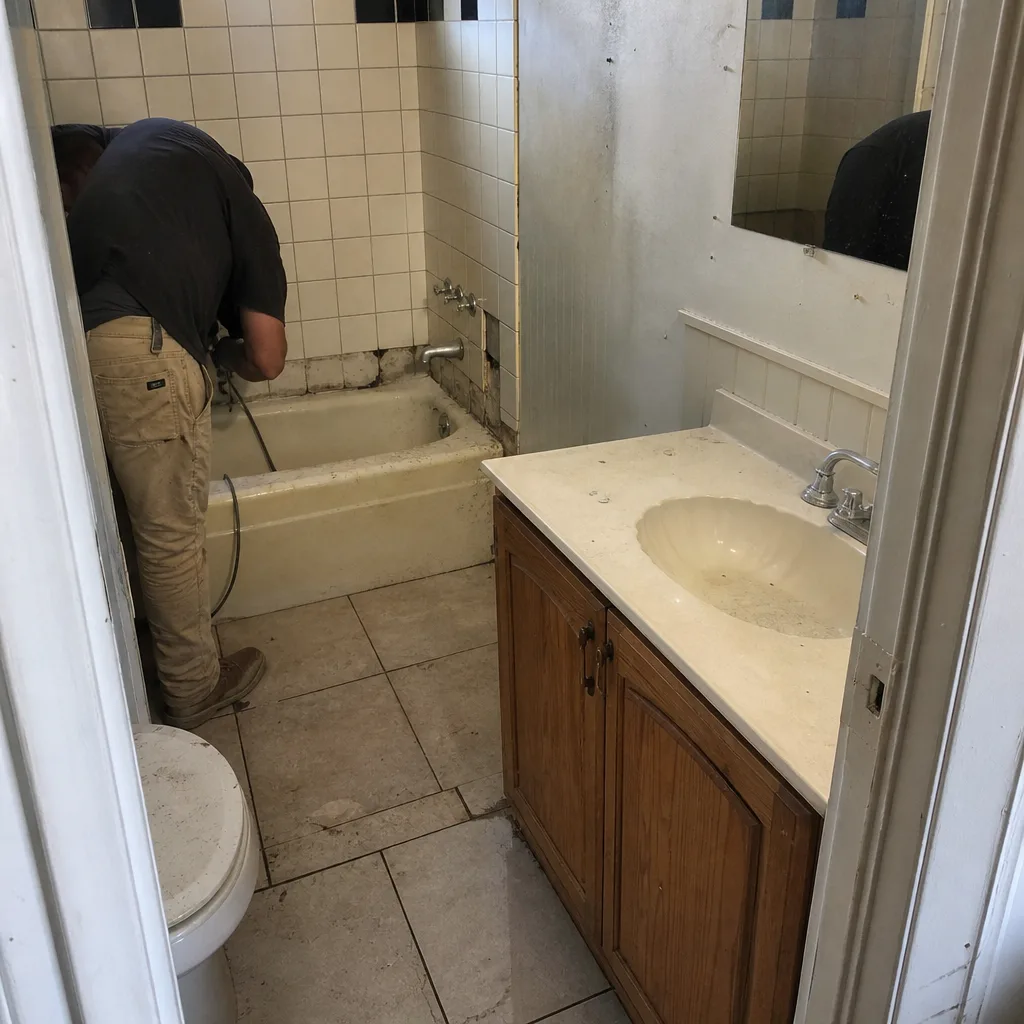 Before
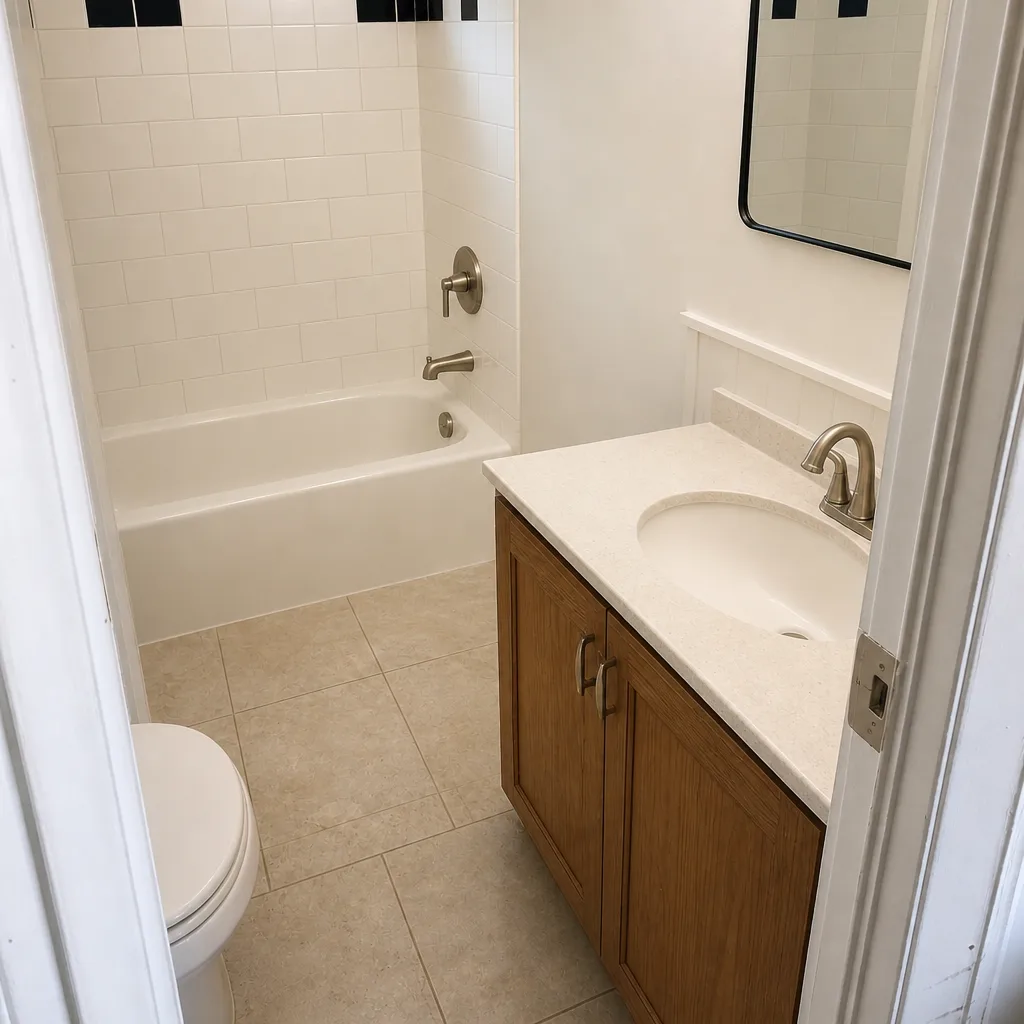 After
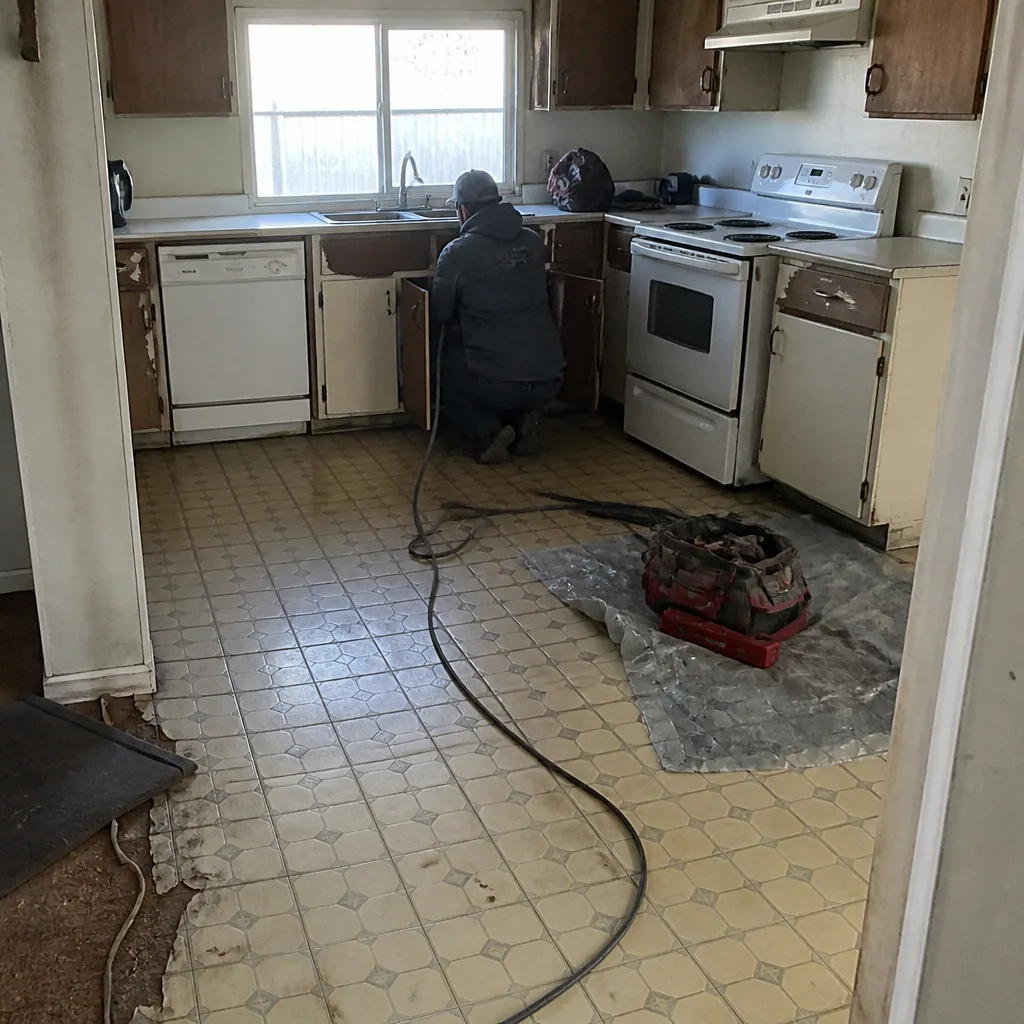 Before
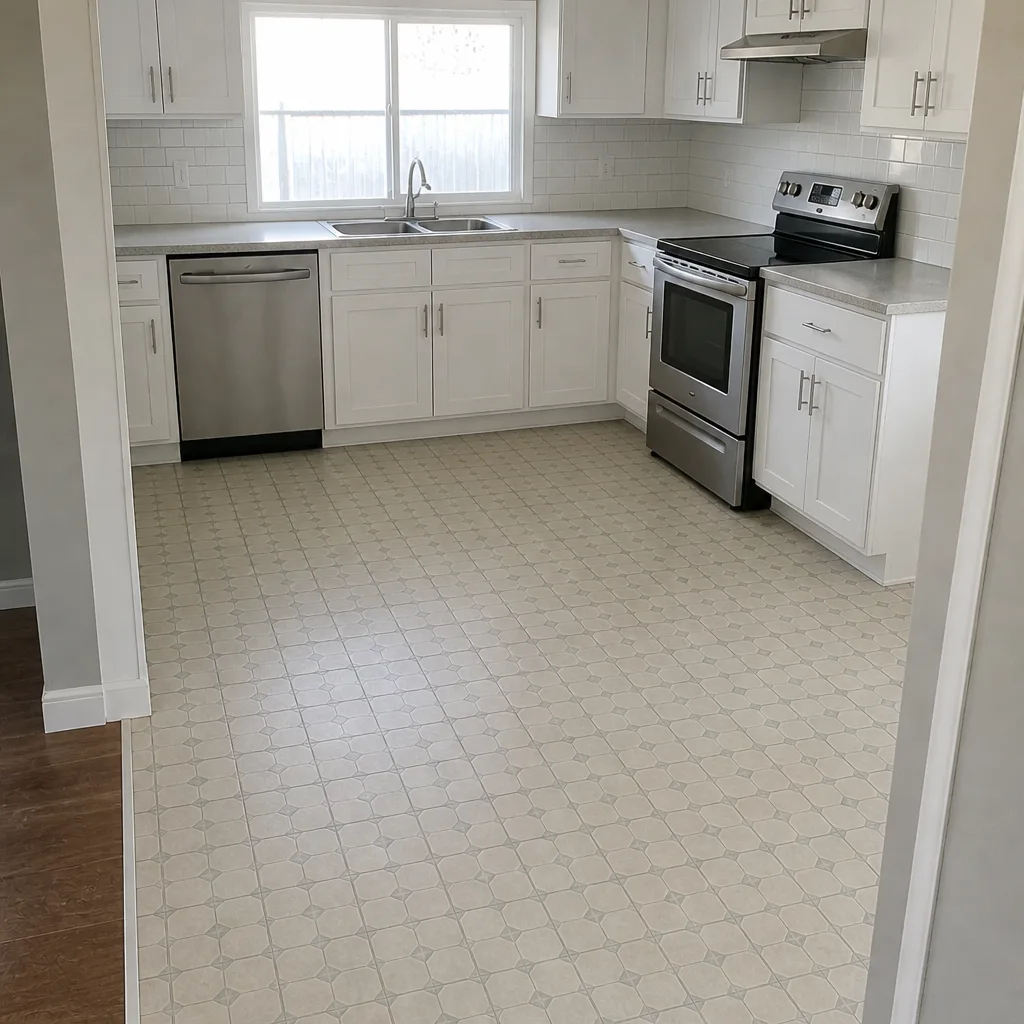 After
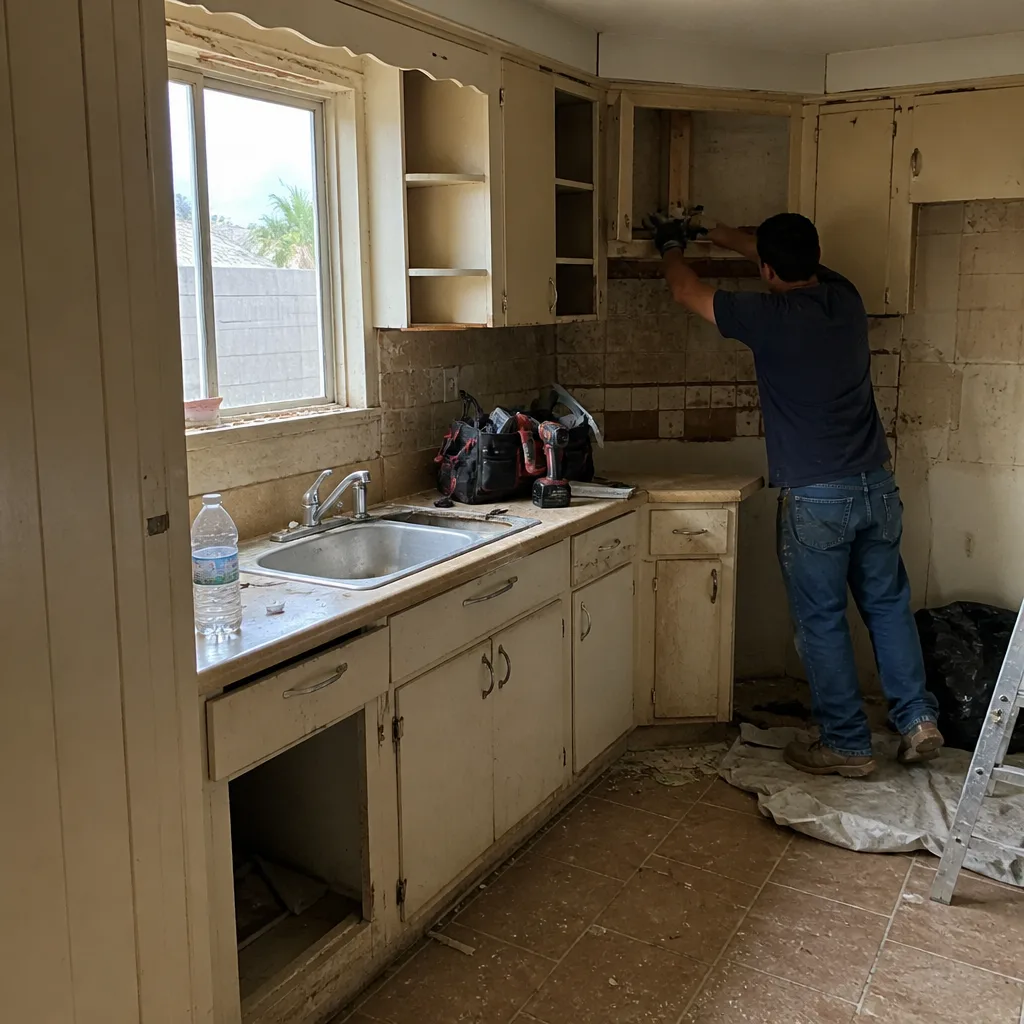 Before
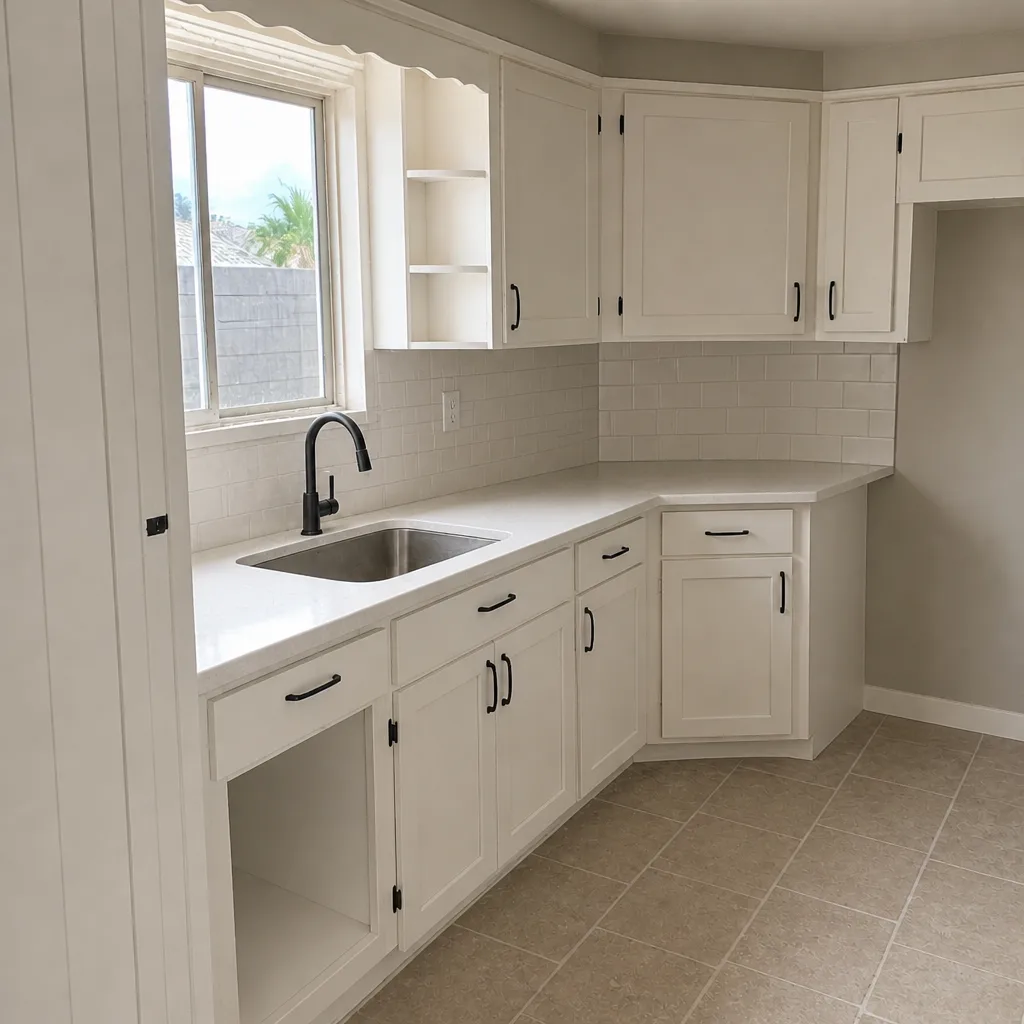 After
Frequently Asked Questions
Ask for the specific brand and model number of every material category in the bid, then verify it against the manufacturer’s product line on their website. If the bid says “premium shingle” without a name and line, or if the model number doesn’t correspond to a real product on the manufacturer’s site, that’s a commodity spec dressed up in premium language. Get line-item detail in the contract before work begins. Call (888) 413-6358 for an estimate that includes full material specifications.
Roofing shingles and underlayment, stucco system components, concrete admixture packages, and waterproofing membranes are the four categories where brand-level performance differences hold up under Mesquite’s heat and thermal cycling. Those are the categories where the cheapest option costs you the most at year 10. Other materials still matter, but the brand gap is smaller. If your contractor can’t speak to any of the four with specific reasoning, dig deeper.
A manufacturer warranty covers the product itself, while a workmanship warranty covers the installation. Both are necessary. Most failures originate in installation, so the workmanship warranty is often what actually covers you when something goes wrong. The manufacturer will deny claims where installation wasn’t per their published instructions, so documentation of a proper install is what makes the manufacturer warranty enforceable. Get both in writing before signing anything. Call (888) 413-6358 to see a workmanship guarantee in writing.
Premium materials typically cost more upfront and cost less over the life of the project. The math is straightforward: replacing a 12-year-old failing roof means paying for a roof twice. Hiring a good contractor who specs materials properly and stands behind the work with a written warranty is a different kind of cost decision than choosing the cheapest bid. If the math doesn’t work for the project you want, ask about the 0% financing option. Call (888) 413-6358 for a walkthrough and an estimate.
Ask the contractor their manufacturer relationship, then verify on the manufacturer’s own website. Many manufacturers list their approved or certified contractors on their site. If the manufacturer doesn’t list the contractor anywhere on their site, the “partnership” may be a marketing relationship rather than a technical one. Ask specifically what benefits the partnership provides you as a homeowner: warranty tier, technical support, installation training. Real partnerships give specific answers.
A materials section should include brand name, product line, specific model number, and the manufacturer’s published warranty terms for each material category. It should also state how substitutions are handled if a specified product becomes unavailable. If the bid says “materials included” without a list, ask for the list. If the bid lists brands but not lines, ask for the lines. If the bid lists lines but not model numbers, ask for model numbers. Each level of specificity reduces your risk. Call (888) 413-6358 for a no-cost estimate with line-item pricing.
The Bottom Line
Material brand choice is one of the most reliable proxies for how a construction project performs in Mesquite over the long term, because desert conditions stress certain material categories harder than most climates do. The four to watch are roofing systems, stucco, concrete admixtures, and waterproofing membranes. Ask your contractor to justify specific spec choices, verify they have real manufacturer partnerships, get both the manufacturer warranty and the workmanship warranty documented in writing, and watch for substitutions that show up on the truck but not on the contract. A contractor who welcomes those questions is showing you something a bid number never will. We answer calls live, 24/7, and we put our 730-Day Done Right Promise in writing. If a material spec list and a workmanship guarantee in writing feel like a fair baseline for a project you plan to live in for decades, call (888) 413-6358 for a free estimate.
Written by the team at Groundwork Construction Co. of Mesquite.