
Last updated November 18, 2026








Free written scope consultation - allowances, timeline, and change-order rules on paper before a single trade is scheduled
Windows & Doors Maintenance Schedule: What to Do and When
Weatherstripping on a south-facing door in Mesquite doesn’t last the five years the packaging suggests. With surface temperatures on those doors pushing past 150°F in July and UV exposure running high most of the year, that strip can flatten, crack, and stop sealing in half the advertised lifespan. And you usually don’t find out until the power bill jumps or you feel hot air pouring in around a closed door. This guide rebuilds the maintenance calendar around the conditions that actually degrade windows and doors in Mesquite: UV load, thermal cycling, and monsoon rain, rather than the generic spring/fall advice written for cooler climates.
Styles & brands we work with
- Kitchen remodeling
- Bathroom remodeling
- Home additions & ADU
- Roofing
- Windows & doors
- Driveway & pavers
- Fence
Quick Answer
In Mesquite, inspect and service windows and doors twice a year on desert timing: a pre-summer pass in April before the heat peaks, and a post-summer pass in October after UV and thermal stress have done their damage. Each pass covers weatherstripping, caulk, weep holes, hardware lubrication, and glass seal checks. Skip the calendar-based advice and follow the UV and temperature cycle instead.
Table of Contents
- Why the Standard Spring/Fall Schedule Doesn’t Fit Mesquite
- The Mesquite Windows and Doors Maintenance Calendar
- Weatherstripping: The Part That Fails First
- Exterior Caulk Inspection for Desert Climates
- Weep Hole Maintenance on Vinyl Windows
- Testing IGU Seal Integrity Before Failure Is Visible
- The Annual Hardware Lubrication Protocol
- Common Mistakes to Avoid
- When to Call a Professional
- Frequently Asked Questions
Why the Standard Spring/Fall Schedule Doesn’t Fit Mesquite
Most window and door maintenance guides are written for a climate with four distinct seasons and moderate UV. They tell you to check seals in spring and prep for winter in fall. That advice assumes the damage happens gradually over a long cooling season and that winter freeze-thaw is the main threat. Neither is true here.
In Mesquite, the dominant stressor is ultraviolet radiation combined with extreme thermal cycling. Your windows and doors don’t sit in a slow decline; they absorb an intense dose of sun for five or six months, then cool down in the fall. A dark-colored door facing west can hit 160°F on the surface while the interior side stays near 75°F. That temperature gap makes the door frame, the weatherstripping, and the caulk joint expand and contract against each other every single day, thousands of cycles over a summer.
What this means for your maintenance schedule:
- UV drives most of the damage. Caulk, weatherstripping, and vinyl all degrade from sun exposure faster than from temperature alone. South and west exposures take the worst hit.
- The critical inspection window is late April, not early spring. You want to catch problems before the punishing heat and before the monsoon rains arrive in summer.
- The second inspection window is October. That’s after a full summer of stress, when weatherstripping has flattened and caulk has started to chalk. This is when you catch what the summer did.
- Monsoon rain is the payoff moment. When the July and August storms hit, the condition of your weep holes and caulk joints determines whether water stays outside or finds a path into the frame.
We’ve seen this pattern repeat across neighborhoods throughout Mesquite. A homeowner who does the April and October passes avoids the costly surprises that show up as a spike in summer cooling costs or a damp spot on the drywall after a storm. The calendar isn’t the point; the UV and thermal cycle is.
The Mesquite Windows and Doors Maintenance Calendar
Here’s the schedule we recommend, built around the two inspection windows that match Mesquite’s actual conditions. Print it, stick it on the fridge, and treat the dates as firm.
April Pass (Pre-Summer)
- Inspect and replace weatherstripping on every exterior door, especially south and west-facing ones. Look for flattening, cracks, and gaps at the strike side and threshold.
- Walk the exterior caulk joints around all window frames and door surrounds. Note any chalking, cracking, or pulling away from the frame.
- Clear every weep hole on vinyl windows. This is the most forgotten task on the list and the one that matters most before monsoon season.
- Test IGU seal integrity with the acetone and pressure methods (covered below).
- Lubricate all hardware: tracks, hinges, locks, and rollers with the right product for the material.
- Adjust door thresholds and strike plates if a door has started sticking or dragging as the seasons shifted.
October Pass (Post-Summer)
- Re-inspect weatherstripping for the summer’s damage. This is where you’ll find most failures.
- Check caulk again. Summer UV is brutal on sealant; look for fresh cracks and shrinkage.
- Clean weep holes a second time after monsoon debris.
- Re-lubricate hardware before the cool season, when doors can bind differently.
- Check glass and frames for cracks that opened up over the summer.
- Inspect interior seals and trim for gaps that let conditioned air escape.
Two passes a year on this schedule catch the vast majority of problems before they get expensive. If you’re planning a bigger window or door project, our team at Groundwork Construction Co. of Mesquite home handles full replacement with a free design consult.
Weatherstripping: The Part That Fails First
Weatherstripping is the strip of foam, vinyl, or brush material that seals the gap around a door or window sash. It’s the cheapest part on the whole assembly and the one that fails fastest in Mesquite. On a west-facing door, the surface can hit 150°F and above during the summer, and that heat softens and compresses the foam or vinyl strip. Combined with daily thermal expansion, the strip flattens, loses its memory, and stops sealing. A strip rated for five years in normal conditions can be done in two or three here.
How to check it:
- The dollar-bill test. Close the door on a dollar bill at several points around the frame and pull. If the bill slides out with no resistance, the seal is gone at that spot.
- Visual inspection. Look for flattened, cracked, or torn strips. Foam weatherstripping that has gone shiny and hard is done.
- The light test. On a sunny day, look for daylight around the closed door frame from inside.
- The hand test. On a hot afternoon, feel for warm air coming in around a closed door.
When you replace it, choose the right material for the exposure. Vinyl or silicone bulb seals hold up better to heat and UV than basic open-cell foam. For doors in full sun, a magnetic or kerf-mounted seal lasts longer than stick-on foam. Check all four sides of a door: the two jambs, the head, and the threshold or door sweep. The threshold sweep is often the first to go and the easiest to overlook.
The same logic applies to window sashes. On sliding windows, look at the pile or brush seal in the track; on casement windows, look at the gasket around the sash edge. If the weatherstripping fails, you lose conditioned air, and in Mesquite that shows up fast on your summer power bill.
Exterior Caulk Inspection for Desert Climates
Exterior caulk is the seal between your window or door frame and the wall. In a wet climate, the main enemy of caulk is water. In Mesquite, it’s the sun. UV breaks down the polymers in the sealant, and the constant thermal expansion of the frame against the wall opens hairline cracks. Once those cracks form, air and moisture have a path in.
Here’s what to look for on your April and October walk-arounds:
- Chalking. Run your finger along the caulk. If it comes away with a white, powdery residue, the UV has started to break it down. That’s an early warning sign, not a failure yet, but it means the clock is running.
- Cracking. Look for small splits or a spiderweb pattern in the sealant. Cracks that go all the way through the bead are a failure and need replacement.
- Shrinkage. Caulk that has pulled away from the frame or the wall, leaving a gap at the joint, has shrunk and lost adhesion. This is common on the sun-facing side of a window.
- Hardening. Fresh caulk is flexible. If the bead is rigid and won’t compress when you press it, it’s cured out and can’t move with the frame anymore.
The pattern to watch is a window or door in full sun on the south or west side of the house. That joint takes the most thermal cycling and will fail before the shaded north side every time. If you see early signs of chalking in April, plan to re-caulk before monsoon season rather than waiting for visible cracks.
When you do re-caulk, use a high-quality exterior sealant rated for UV exposure, not a basic painter’s caulk. The prep matters as much as the product: clean the old bead out, remove loose material, and let the surface dry before applying. A bad caulk joint is a slow leak, and slow leaks cause damage that isn’t covered by the standard maintenance cycle. If you’re not comfortable on a ladder or the joint is above a hard surface, bring in a pro rather than risking a fall.
Weep Hole Maintenance on Vinyl Windows
Weep holes are the small slots or openings at the bottom of a window frame that let water drain out if it gets behind the sash. On a vinyl window, they’re the difference between water draining harmlessly to the exterior and water pooling inside the frame, soaking into the wall, and eventually causing rot or mold. During Mesquite’s monsoon season, the storms come hard and fast, and a blocked weep hole is a direct path for water to back up into the frame.
Why they get neglected:
- They’re tiny. Most weep holes are a quarter-inch or smaller, so a little dust, pollen, or insect nesting can plug them.
- They’re on the outside bottom edge. That’s exactly where dirt and debris collect.
- Many are covered by a small flap or cap. The cover protects against wind-driven rain but can hide debris underneath.
How to clean them safely:
- Locate all weep holes on each window (usually two or more per frame, at the bottom).
- Use a soft brush, a pipe cleaner, or a can of compressed air to clear the opening. Don’t use a sharp tool that could scratch through the frame.
- Flush with a little water if you can do it safely from a ladder or from the ground on a ground-floor window. Water should drain out freely.
- Check that the flap cover, if present, opens and closes and isn’t stuck.
- Repeat in the October pass after monsoon season.
This is a five-minute-per-window task that many homeowners never do, and it’s the single point that determines whether a monsoon storm leaves your frame dry or flooded. If you have second-story vinyl windows, get up there safely or bring in a professional rather than leaning off a ladder.
Testing IGU Seal Integrity Before Failure Is Visible
An insulated glass unit (IGU) is the sealed double or triple pane inside a window. It’s filled with gas or air and sealed at the edges to insulate. When that seal fails, you get fogging or condensation between the panes, which is the visible sign. But by the time you see fog, the seal has been gone for a while. Catching it early means you can plan the replacement instead of discovering it during a heat wave.
Two methods can help you check before failure becomes obvious:
The Acetone Test
This works on some units where the edge seal is a particular type of material. You wipe a small amount of acetone along the edge of the glass where it meets the frame and watch for a moment. On a failed seal, the acetone can wick in through the broken seal and create a smudge or dark line inside the unit. This is a technician’s method and isn’t reliable on every unit type, so treat a positive result as a flag rather than a final diagnosis. Don’t attempt this on coated or tinted glass without guidance; the wrong solvent on the wrong coating causes damage.
The Pressure Observation Method
This is safer for a homeowner. Watch a window’s inner panes as the outdoor temperature and pressure change over a day, or after a storm. A healthy sealed unit doesn’t move; a failed seal shows flexing, pumping, or a pulsing movement in the glass as pressure equalizes through the broken seal. Another sign is condensation inside the glass on a cool morning that clears later, or persistent fogging at the edges. Any of these means the seal is compromised.
What to do when you suspect a failed IGU:
- Document it. Note which window, which pane, and when the fog or flexing appears.
- Check your warranty. Many window manufacturers cover IGU seal failure for a period; the window unit here is often covered separately from the frame.
- Plan the replacement rather than replacing a whole window. Many failed IGUs can be replaced as a glass unit without tearing out the frame.
In Mesquite, the thermal swing between a 160°F south-facing pane and a 70°F interior puts real stress on that edge seal. Checking in April and October catches the seal failure before you notice fog in the middle of a heat wave. For window replacement with brands like Andersen and Marvin, see our Groundwork Construction Co. of Mesquite home or ask our team during the free estimate.
The Annual Hardware Lubrication Protocol
Windows and doors have moving parts: hinges, tracks, rollers, locks, and latches. In a dry desert climate, those parts wear differently than in a humid one. Dust and grit combine with heat to turn a dry track into a grinding one. The right lubricant keeps the mechanism smooth; the wrong one turns it into a dust magnet or attacks the finish.
Which Lubricant for Which Material
- Sliding window and patio door tracks (aluminum or vinyl). A dry silicone spray is the safest choice. It doesn’t attract dust and won’t degrade vinyl or aluminum. Avoid grease or oil, which collect grit and gum up.
- Hinges (steel or painted). A light machine oil or a dry-film lubricant works well. Wipe off the excess so dust doesn’t stick.
- Rollers in sliding doors. Check first whether the roller is sealed or open. Open rollers can take a dry silicone spray; sealed bearings shouldn’t be forced with solvent.
- Lock cylinders and latches. Use a dedicated lock lubricant, typically a graphite or dry-film product, applied sparingly. Don’t flood the keyway with oil.
- Casement window crank and hinges. Light machine oil on the mechanism, but keep it off the painted frame.
Which Products to Avoid
- WD-40 as a long-term lubricant. It’s a solvent and light lubricant, not a lasting one; it can wash away the proper lubricant and leave the part dry.
- Thick grease on tracks. It attracts dust in this climate and turns into an abrasive paste.
- Silicone on painted surfaces before it cures. It can interfere with touch-up paint or sealant.
- Any solvent on vinyl or tinted glass. It can cloud the surface permanently.
Apply lubrication in the April pass and again in October, after cleaning dust from the tracks and hinges first. Lubricating over grit just grinds it into the mechanism. A two-minute job per opening, done twice a year, keeps hardware moving smoothly for the long haul. A proper install protects the whole assembly, and our Home Additions & ADU in Mesquite work includes matching new windows to the existing maintenance rhythm.
Common Mistakes to Avoid
- Following a generic spring/fall schedule. A calendar written for a cooler climate tells you to service in early spring and prep for winter in November. In Mesquite, the first pass should be in April before the heat, and the second in October after the summer stress. The wrong timing means you miss the window when problems are cheapest to fix.
- Ignoring weep holes. Homeowners skip weep holes because they’re small and hidden, then discover them when a monsoon storm dumps water into a window frame. This is the most overlooked task on the entire list.
- Using the wrong lubricant on tracks. Putting heavy grease in a sliding door track in a desert climate attracts grit and wears the rollers faster. Stick with dry silicone spray for that application.
- Caulking over a cracked joint without cleaning it out. Layering new caulk over old, chalking sealant traps moisture and lets the new bead fail sooner. Prep matters as much as the product.
- Waiting for visible fog before checking IGU seals. By the time you see condensation between panes, the seal has been gone for a while. Test with pressure observation in April and October so you can plan instead of react.
- Replacing weatherstripping with basic open-cell foam in full sun. Foam is fine on a shaded door but fails fast on a west-facing one. Use vinyl or silicone seals on high-exposure doors.
- Skipping the ladder safety check. Second-story windows and high caulk joints are where homeowners fall. If you can’t reach it safely, that’s a job for a professional, not a leaning reach from a step stool.
When to Call a Professional
Some of this calendar you can do yourself with a few tools and an afternoon. But there are specific situations where calling a professional is the right call: a failed IGU seal you can’t confirm or a window replacement you’re planning for the summer; a south-facing door or window assembly that needs a full replacement rather than a weatherstripping swap; caulk joints above a hard surface you can’t safely reach; or water already getting inside a frame after a storm. If you’re seeing persistent fog in a window, sticking doors that you’ve already adjusted, or a monsoon leak at a window edge, those are signs of a deeper problem than routine maintenance. Groundwork Construction Co. of Mesquite offers free estimates in Mesquite – call (888) 413-6358 to schedule yours. This work involves glass, heavy window units, and in some cases work on upper stories, so a trained professional is the right choice for anything beyond basic maintenance.
Frequently Asked Questions
Twice a year: in April before the summer heat and in October after it. In Mesquite’s UV load, a sun-facing south or west window can show early chalking within a year of full exposure, so twice-yearly checks catch it before cracks form. Call (888) 413-6358 for a free estimate if you’re seeing cracks or shrinkage.
Heat and UV. A south or west-facing door in Mesquite can reach 150°F and above on the surface, and that thermal stress plus the daily expansion cycle flattens and cracks weatherstripping faster than in a cooler climate. A strip that lasts five years elsewhere may last two or three here depending on exposure.
You likely mean the IGU (insulated glass unit) seal test. There are two methods: the acetone test, which flags a broken edge seal on some unit types, and the pressure observation method, where you watch for glass flexing, pumping, or interior fogging as temperature and pressure change. Both flag a compromised seal before fogging becomes obvious; call us for a free assessment if you’re unsure.
Use a soft brush, pipe cleaner, or compressed air to clear the opening, then flush a little water to confirm drainage. Don’t use a sharp tool that could scratch the frame. Do this in April before monsoon season and again in October. If the windows are on an upper floor, bring in a professional rather than using a ladder.
Yes, twice a year on desert timing. Clean the track first, then apply a dry silicone spray, which doesn’t attract dust. Avoid grease or oil, which collect grit in this climate and wear the rollers. Locks and hinges take a light oil or dry-film lubricant.
Replace it when the IGU seal has failed and the unit is fogged, when the frame is cracked or water has gotten behind it, or when seals fail faster than you can maintain them. If the repair cost approaches a meaningful share of replacement, it usually makes more sense to replace. For replacement with brands like Andersen and Marvin, call (888) 413-6358 for a free estimate in Mesquite.
The Bottom Line
Window and door maintenance in Mesquite doesn’t follow the spring/fall calendar most guides suggest. Build your schedule around the UV and thermal cycle: an April pre-summer pass and an October post-summer pass. In each pass, check weatherstripping, inspect caulk for chalking and cracking, clear every weep hole, test IGU seal integrity, and lubricate hardware with the right product for the material. The tasks that matter most for this climate are the ones most often skipped – weep holes before monsoon season, and weatherstripping on the sun-facing doors. A two-pass routine catches most problems before they get expensive, and it beats the summer power-bill spike and the storm leak every time. For window and door work beyond basic maintenance, our team can help – our Driveway & Pavers in Mesquite and Fence Installation in Mesquite services follow the same protect-the-home logic, built to last and backed in writing with our 730-Day Done Right Promise.
When you’re ready for a closer look or a replacement plan, call (888) 413-6358 for a free estimate. Live person, 24/7.
Written by the team at Groundwork Construction Co. of Mesquite.
See the difference
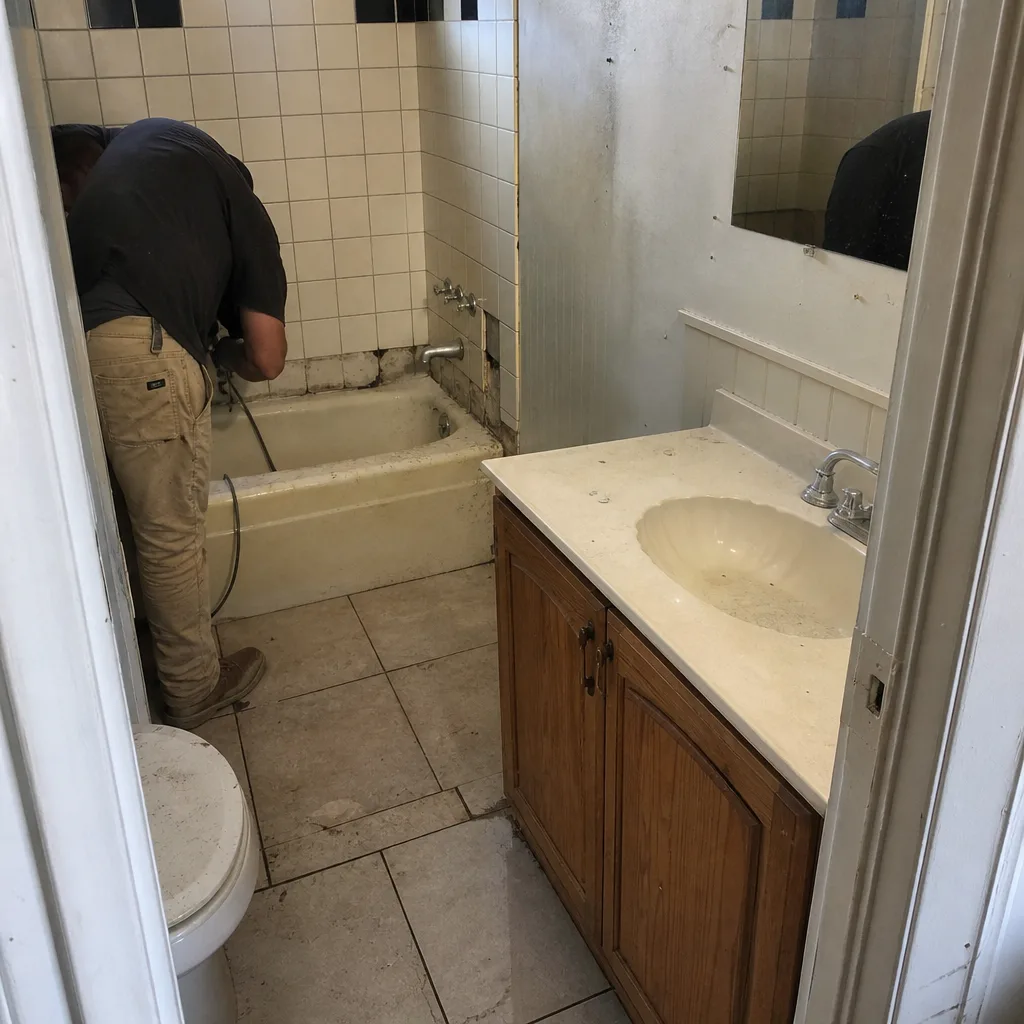 Before
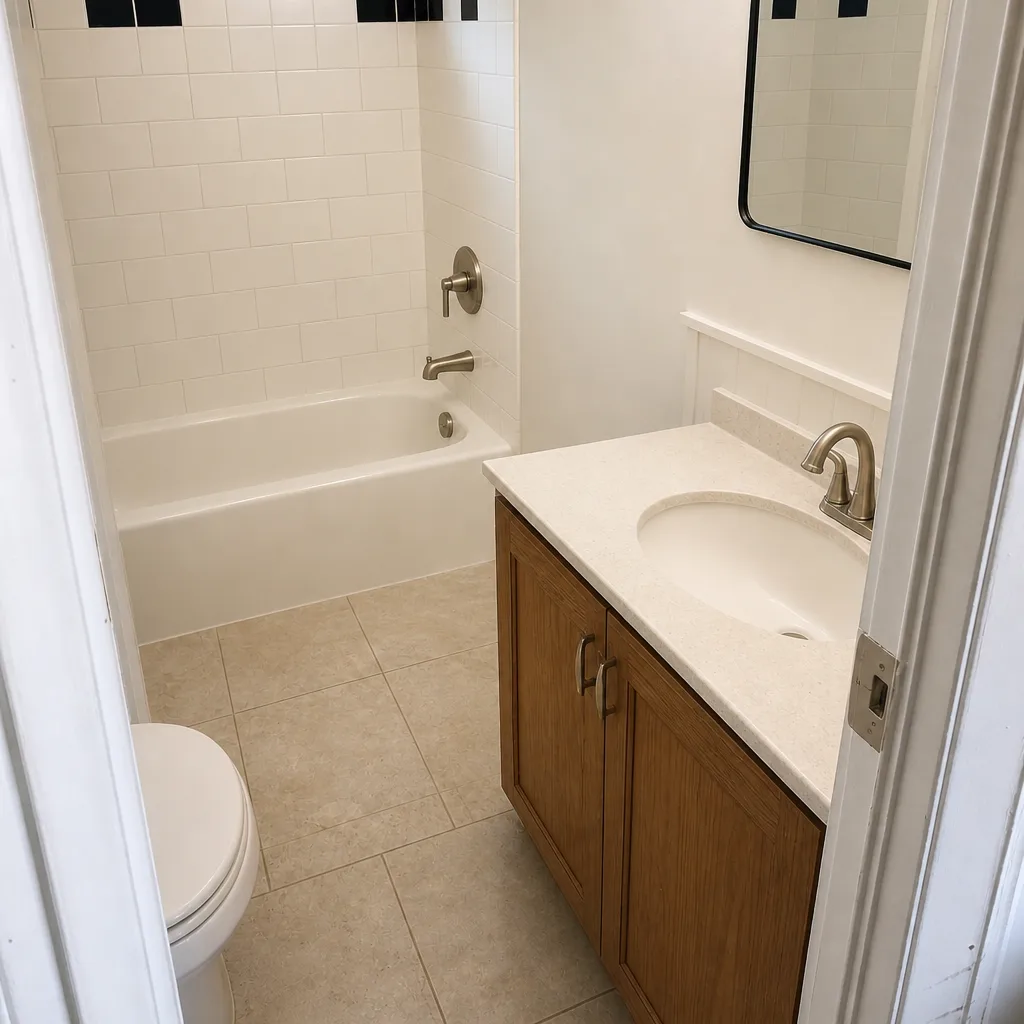 After
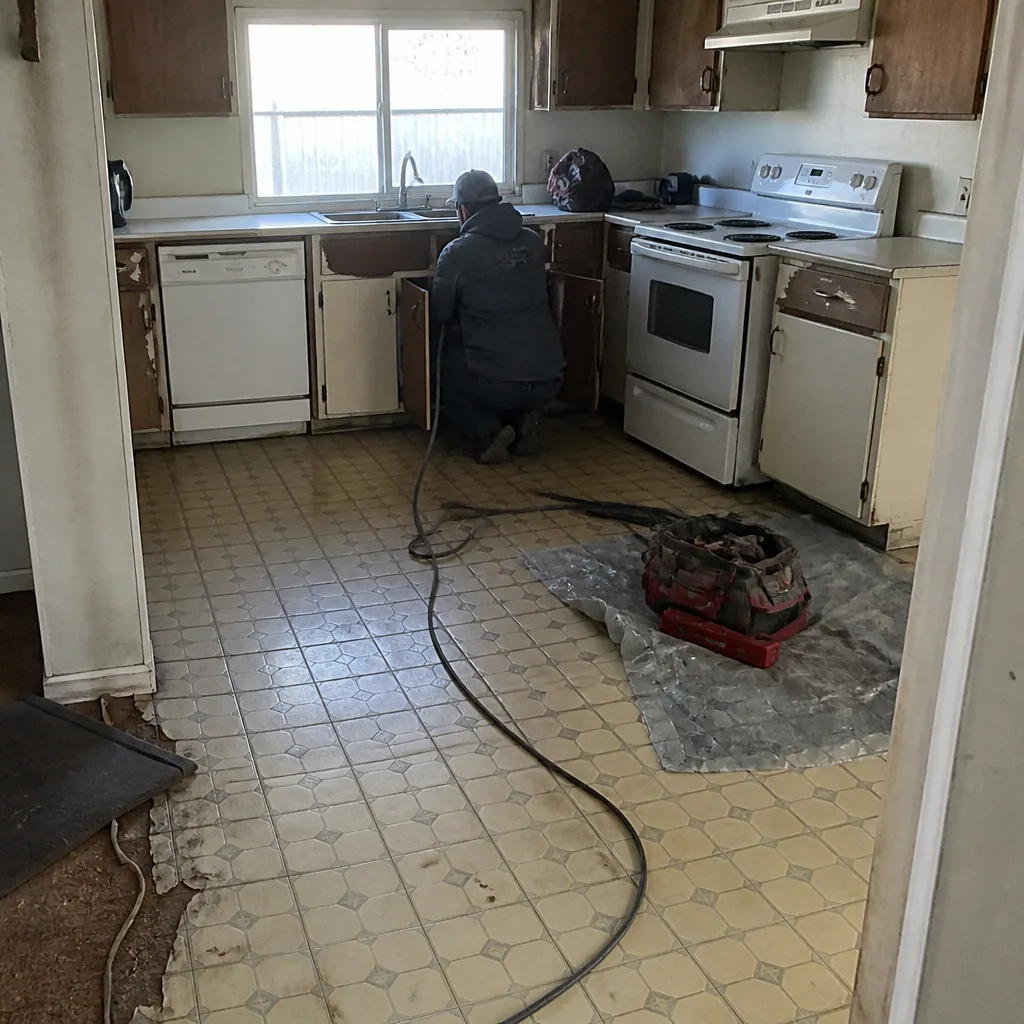 Before
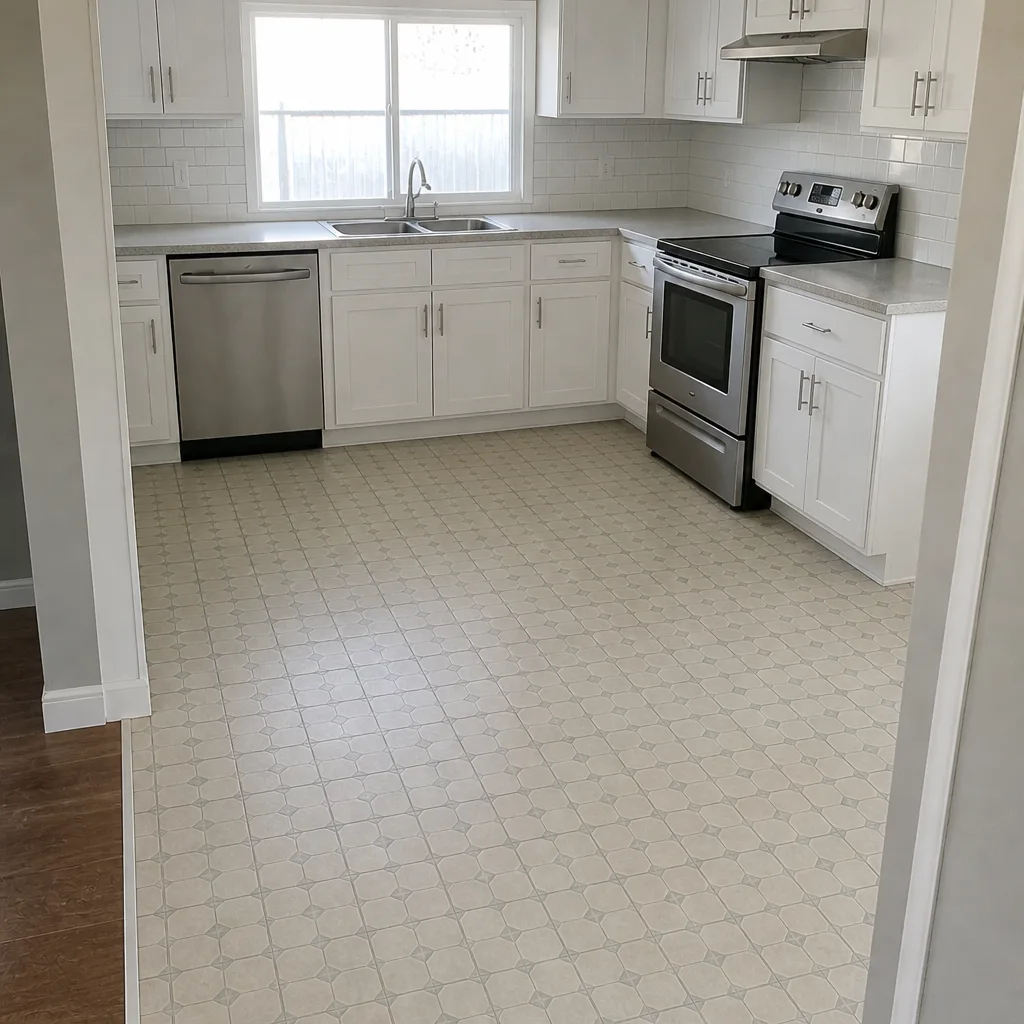 After
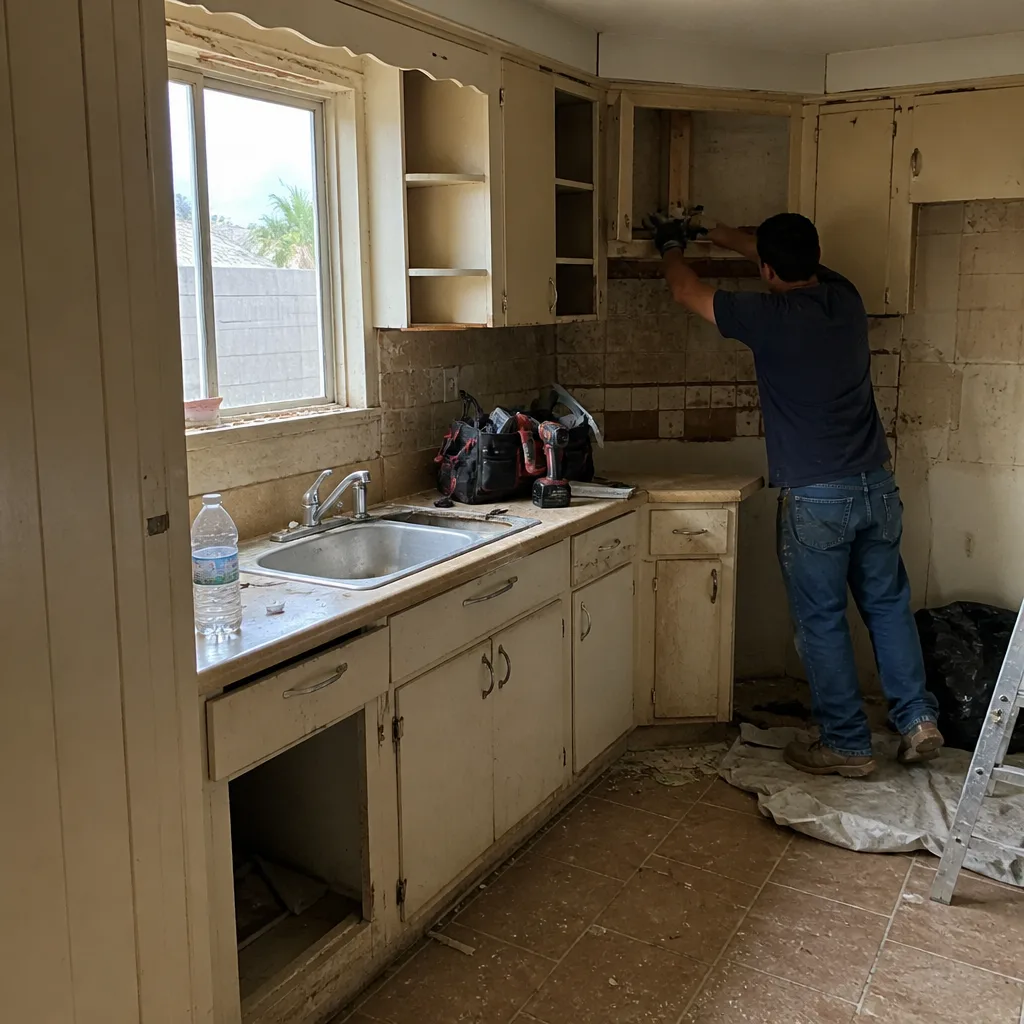 Before
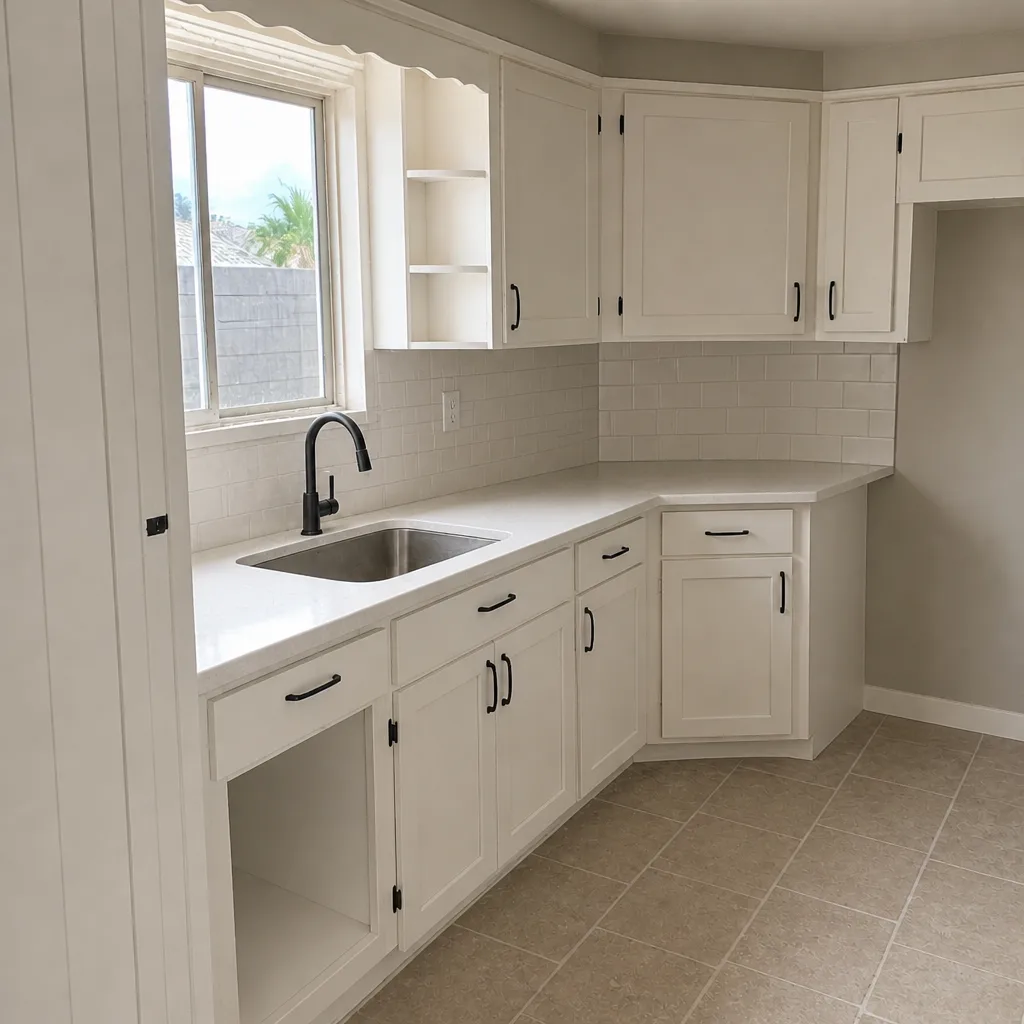 After