Free written scope consultation - allowances, timeline, and change-order rules on paper before a single trade is scheduled
New Detached ADU in Moapa Valley, NV: What the Build Really Takes
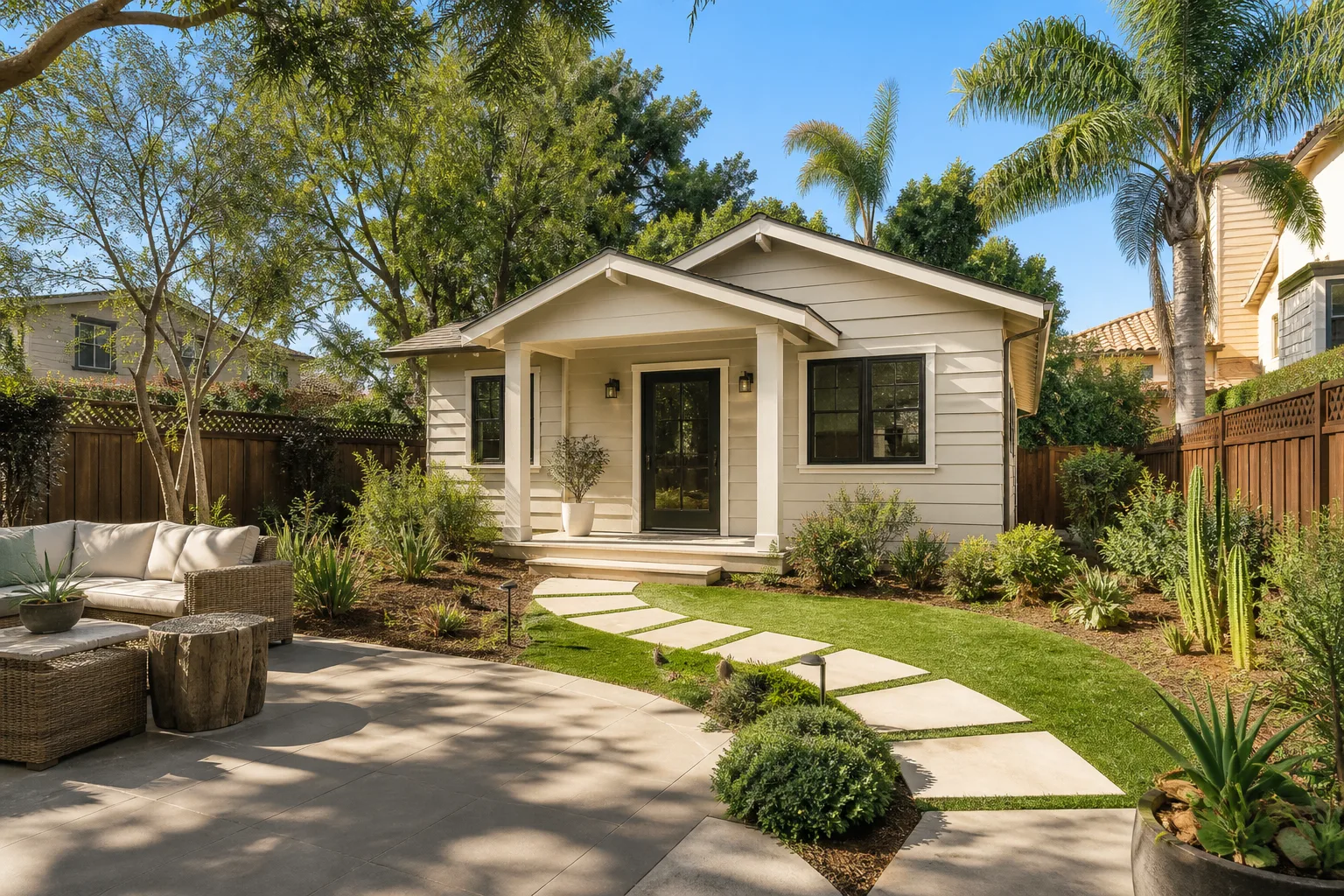
A new detached ADU in Moapa Valley runs $45,000 – $130,000 for a modest to mid-size unit, with full turnkey completed units on the larger end climbing toward $220,000 depending on size and site work. Most detached ADU builds here take 5 to 8 months from permit stamp to final inspection, and the largest chunk of that timeline is Clark County review of your grading, well, and septic plan before a shovel goes in the ground. Call (888) 413-6358 for a free on-site estimate and a written line-item scope.
How a New Detached ADU Gets Built Here, Stage by Stage
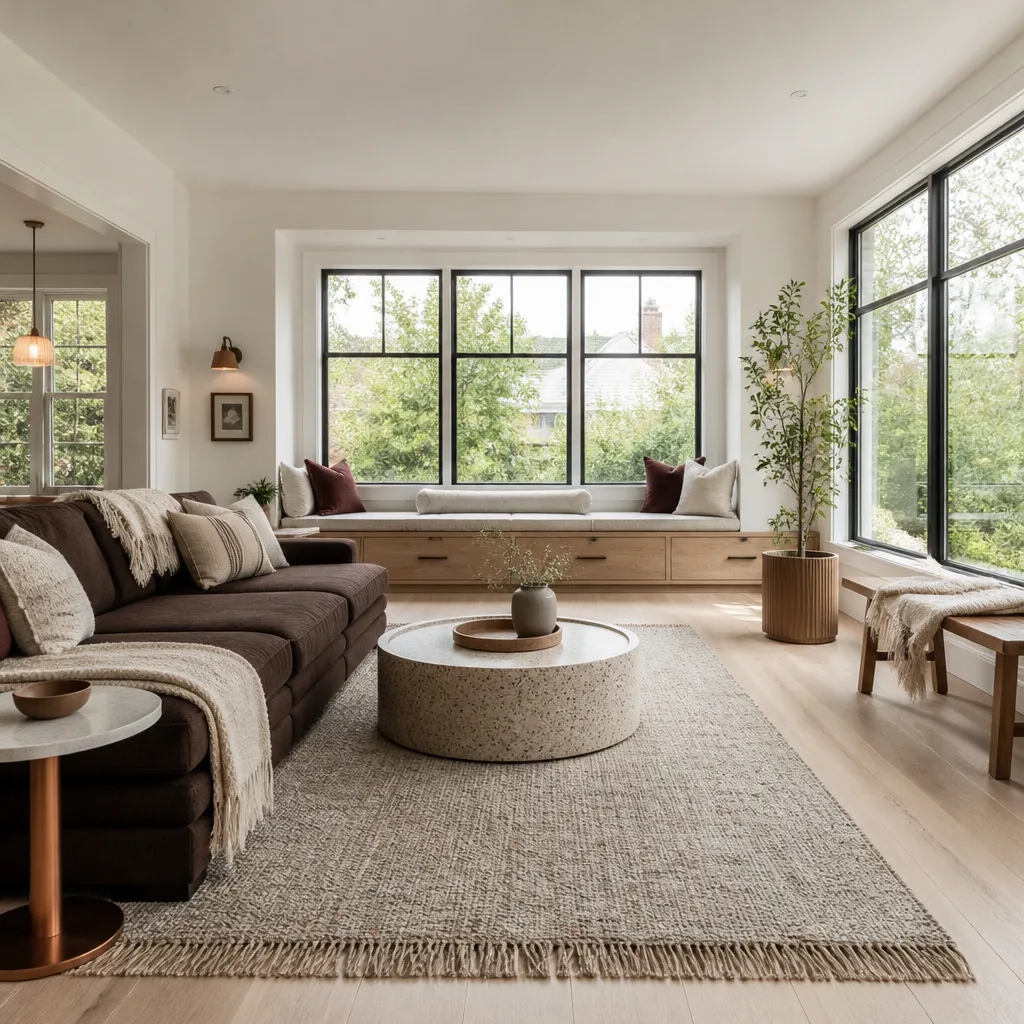
This is not a fast job, and anyone telling you it is hasn’t pulled a permit in unincorporated Clark County. Here’s the real sequence we run.
Stage 1: Site walk and feasibility (week 1)
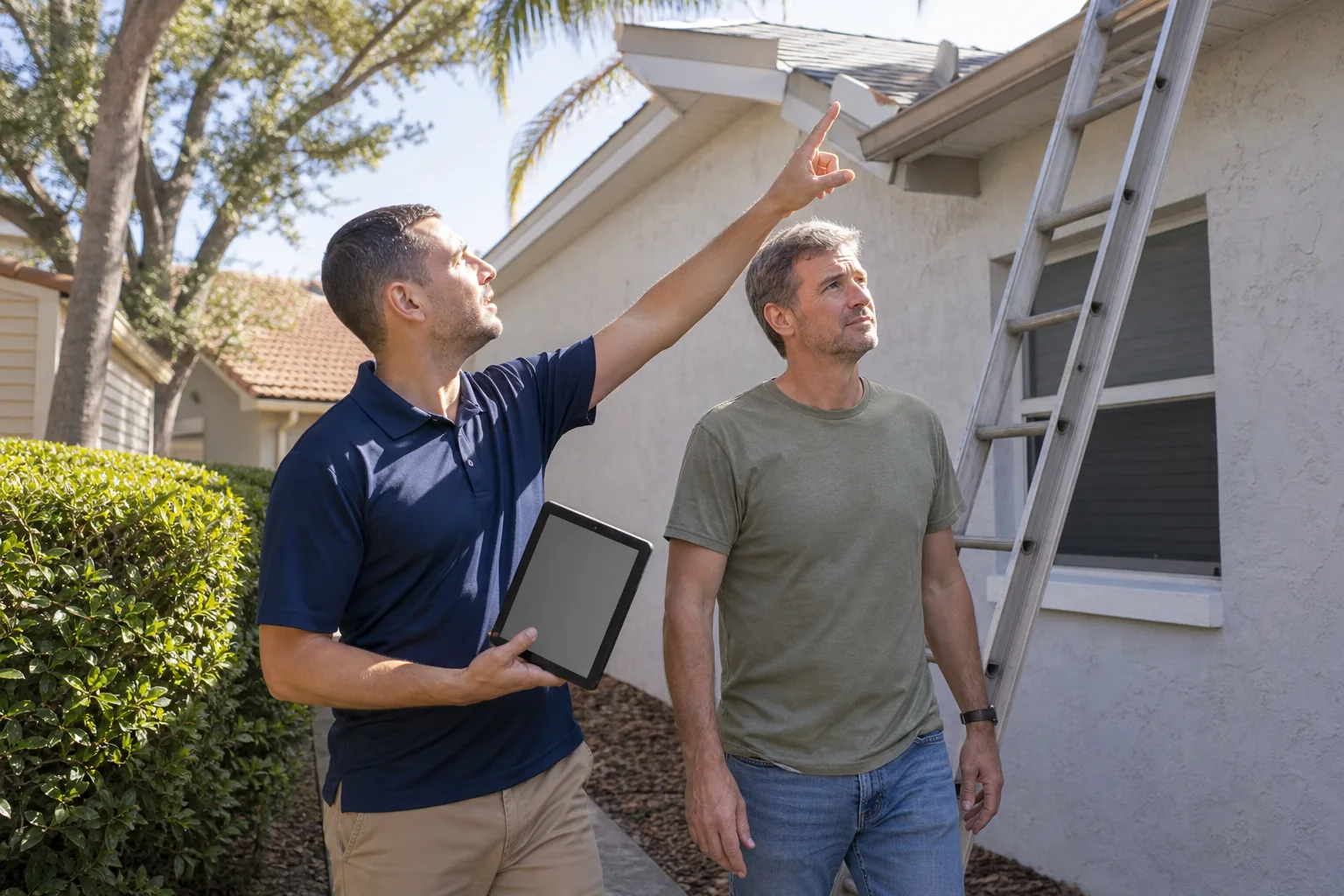
We walk the lot with you, check the setbacks against your parcel lines, and mark where the well head, septic tank, and drain field actually sit. In Moapa Valley, that first visit often turns up an old septic field closer to the build site than the owner remembered. You decide at this point whether the ADU goes behind the house, off to the side near the shop, or at the back of the lot facing the fields.
Stage 2: Design, engineering, and submittal (weeks 2 – 8)
Drafting and structural engineering take 2 to 3 weeks for a standard 600 to 900 sq ft plan. Then it goes to Clark County with well and septic siting documentation, a floodplain review package if your lot sits in the Mormon Mesa watershed runoff area, and a grading plan. Review alone can run 4 to 6 weeks, sometimes longer. This is the stage where you choose your footprint, your roof pitch, and whether you want a covered porch. Changes after submittal cost money and weeks.
Stage 3: Site prep, utilities, and foundation (weeks 9 – 16)
Clearing and grading come first, then trenching for water and power runs if the ADU needs its own service, then forms and pour. On the alluvial Muddy River soils, we call for a geotech report before designing the footing; expansive soil will crack a slab poured on guesswork. Summer pours happen early morning before the desert heat hits, using a heat-hardened mix. You’ll need to decide on separate metering versus tying into the house at this stage, because the trenching work is now or never.
Stage 4: Framing, roof, envelope, and rough-ins (weeks 17 – 26)
Framing goes up in 2 to 3 weeks for a single-story detached unit. Roof, windows, doors, and exterior wall go on before electrical, plumbing, and HVAC rough-in. Rough-in inspections happen in sequence. Impact-rated or wind-rated glazing is a decision you make before framing closes, not after.
Stage 5: Finish-out and final inspections (weeks 27 – 34)
Drywall, cabinets, flooring, fixtures, paint, and the punch list. Final inspection plus the certificate of occupancy. Many owners plan a family move-in or a rental start immediately after this, so we build the punch list into the timetable rather than treating it as an afterthought.
Styles & brands we work with
- Kitchen remodeling
- Bathroom remodeling
- Home additions & ADU
- Roofing
- Windows & doors
- Driveway & pavers
- Fence
The Options You’ll Actually Choose Between
Most of the cost swings on your ADU come from these decisions, not from the general contractor’s line item.
- Square footage. A 400 sq ft studio sits near the bottom of the range. A 900 sq ft one-bedroom pushes toward the top. Every additional 100 sq ft adds real dollars to foundation, framing, and finish.
- Slab vs. crawlspace vs. stem wall. Slab is the cheapest pour and works fine on stable soils. On expansive Muddy River alluvium, an engineered stem wall foundation reduces long-term cracking risk at a small premium.
- Pre-fab kit vs. stick-built. A manufactured or panelized shell saves 3 to 5 weeks of framing time and roughly 10 to 15 percent of construction cost, but limits the exterior style and sometimes complicates the Clark County submittal, which treats factory-built structures differently from site-built. Stick-built on-site is the norm here because it matches the surrounding farm structures and custom homes.
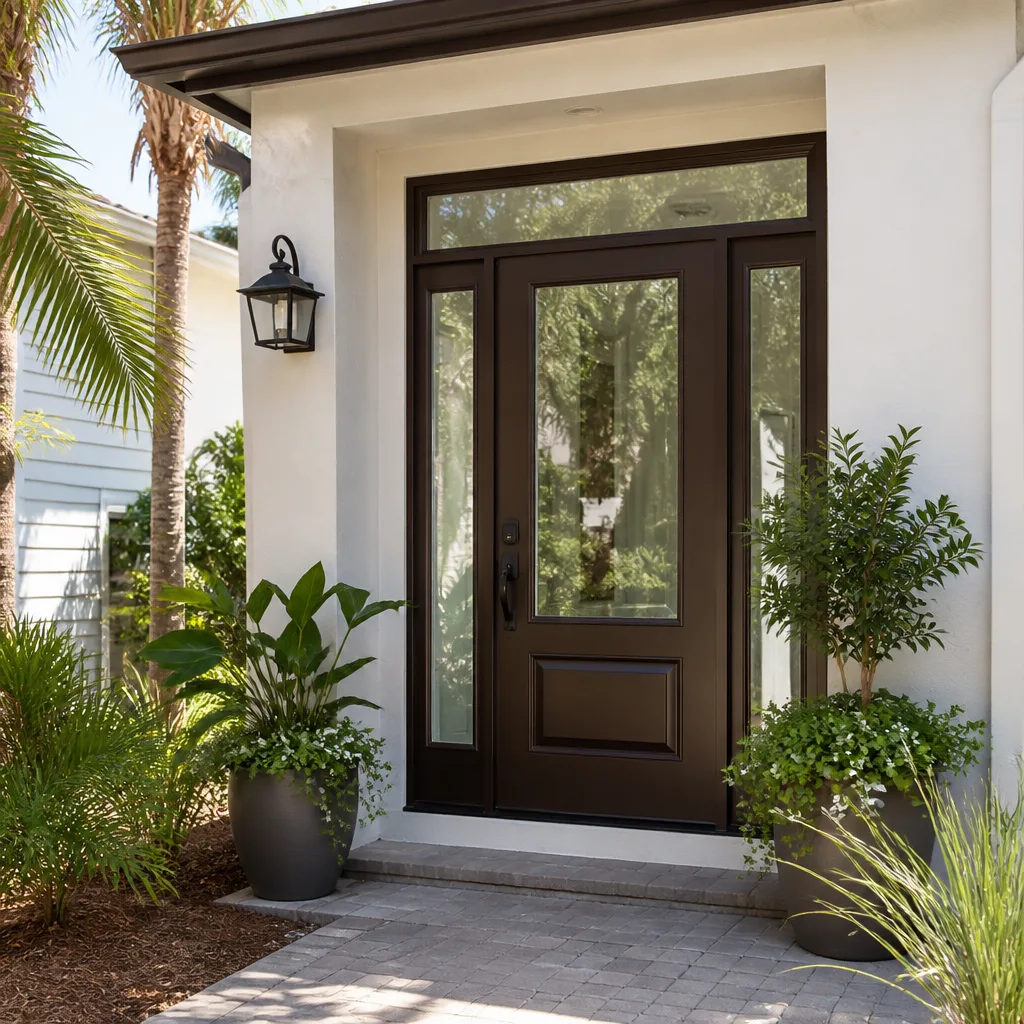
- Windows and doors. Impact-rated glazing is worth pricing here, not because of hurricane risk but because the valley gets violent monsoon wind gusts. Therma-Tru doors and impact-rated window units from brands like ES Windows hold up to that cycling far better than builder-grade stock.
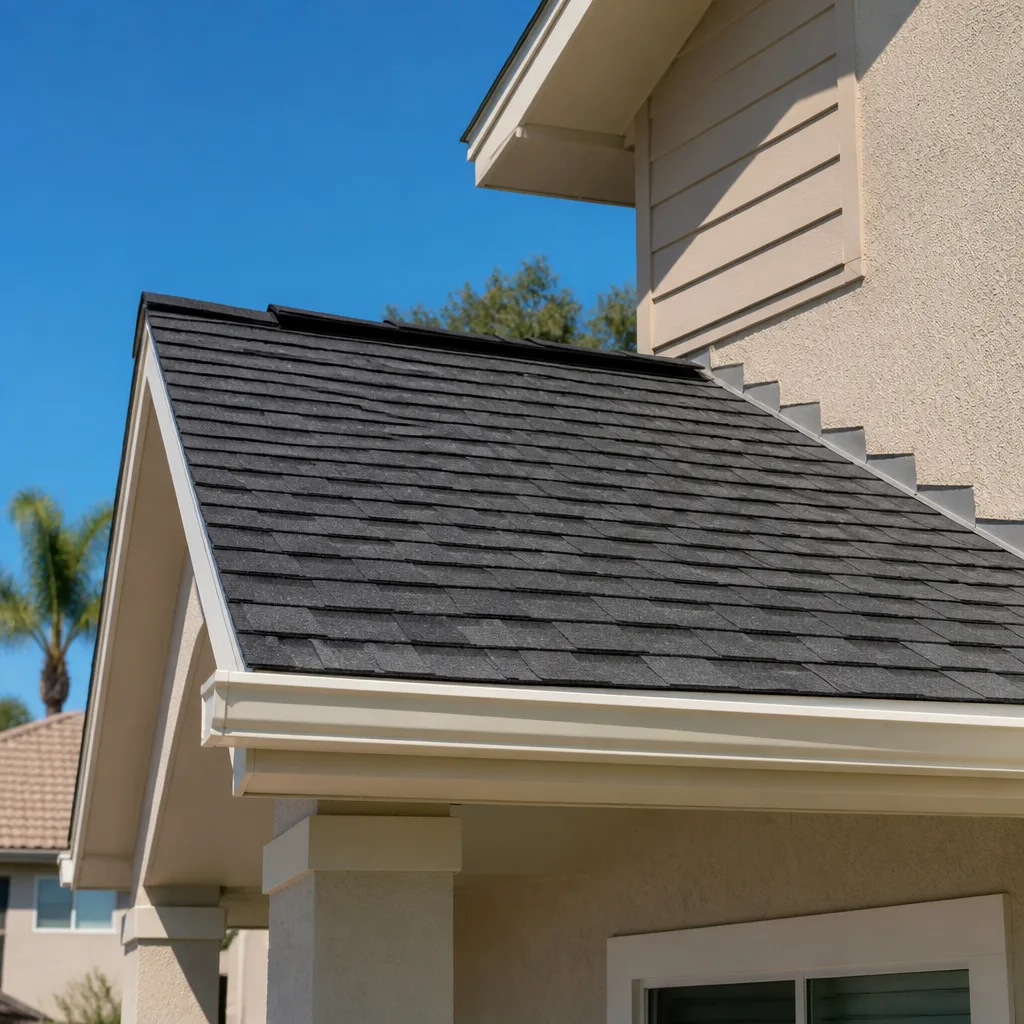
- Roof. Asphalt shingle is the low-cost standard. Standing-seam metal costs about twice per square but handles desert sun and monsoon hail better and lasts far longer. For a unit that will sit exposed on open acreage, metal is the honest recommendation if your budget allows it.
- HVAC and insulation. Standard central is fine for a unit under 800 sq ft. Mini-split units cost less to install and cool more efficiently in a single-room layout.
- Water and power tie-in. Shared meters save money up front. Separate service costs more but makes future rental or resale cleaner.
What a New Detached ADU Costs in Moapa Valley, NV
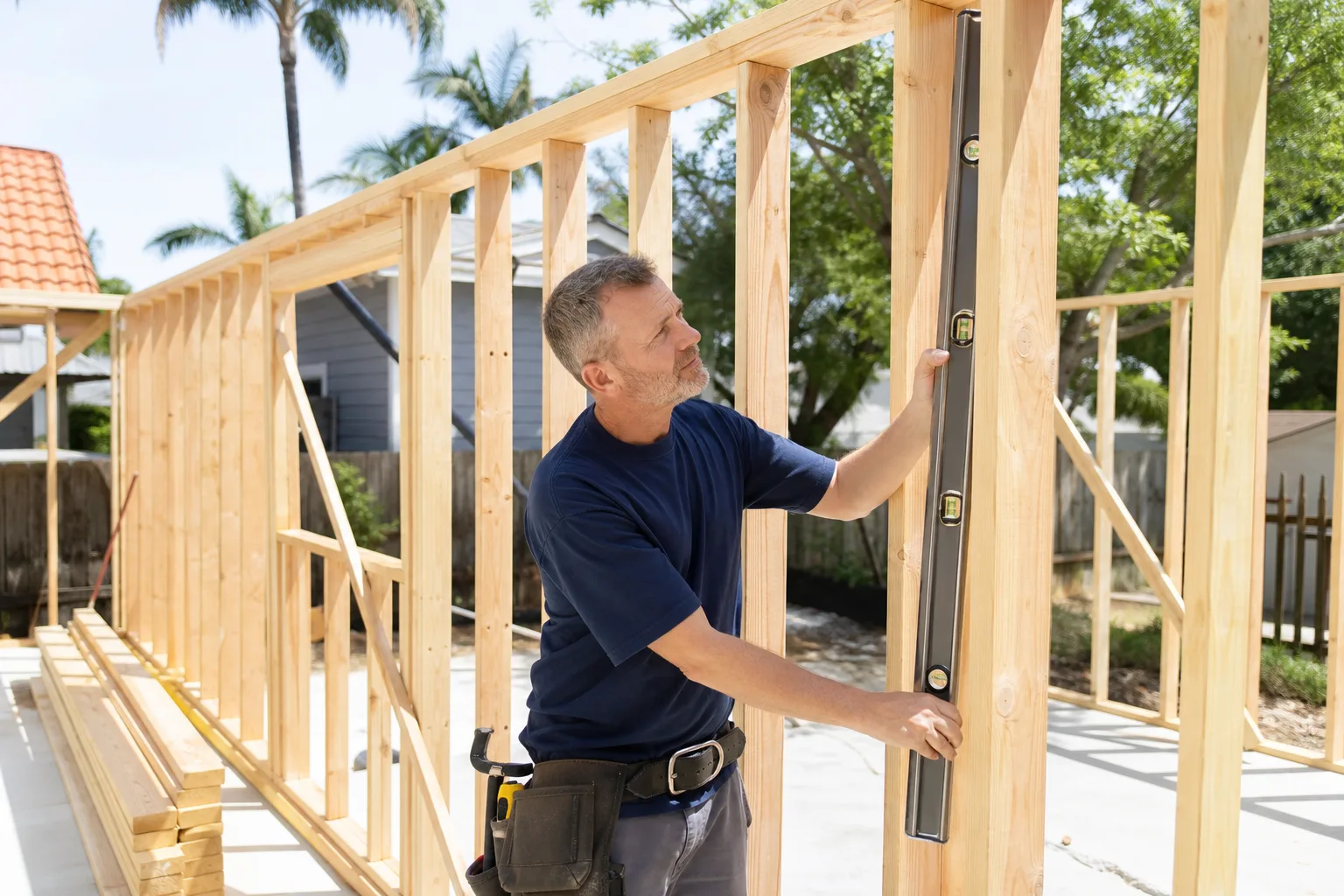
Plan on $45,000 – $130,000 for a standard detached ADU, with a fully finished larger unit reaching toward $220,000. A studio shell with basic finishes sits near $45,000. A 900 sq ft one-bedroom with full kitchen, bath, separate utility service, and metal roof comes in near the top of the range. These are the variables that move the number:
- Size – each 100 sq ft adds roughly $8,000 to $15,000 depending on finish grade.
- Site work – grading, clearing, extended utility runs, and geotech testing for expansive soils can add $8,000 to $20,000.
- Foundation choice – engineered stem wall over slab adds a few thousand dollars.
- Separate metering and service – $4,000 to $9,000 depending on distance from the existing panel.
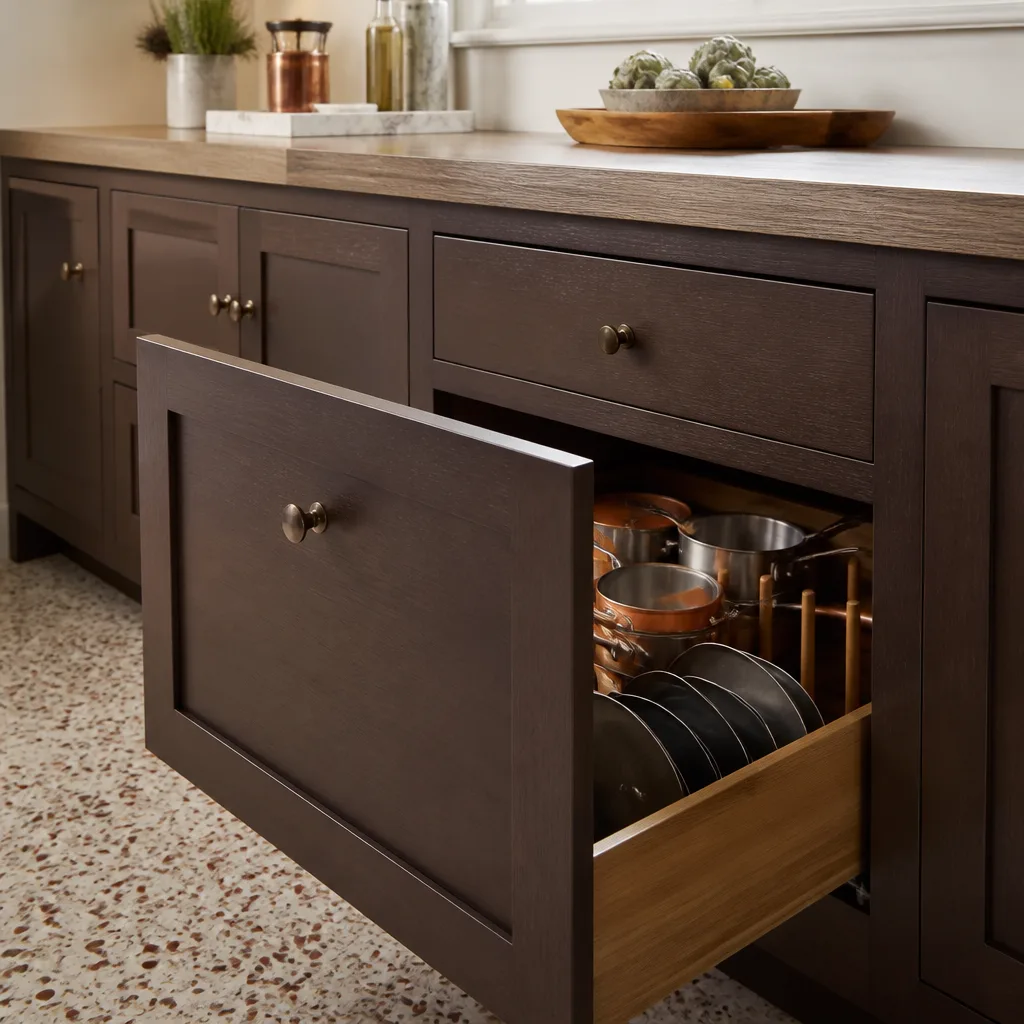
- Finish grade – standard cabinets and LVP vs. KraftMaid cabinetry and Cambria counters can swing the interior by $15,000 or more.
A written estimate from us lists framing lumber counts, window brands and sizes, roof material, and labor hours so you can see exactly what you’re buying. What typically isn’t included: landscape after the build, appliances beyond the standard package, and any well or septic repair work the county flags during review. Call (888) 413-6358 for a free on-site walk and a scope in writing.
See the difference
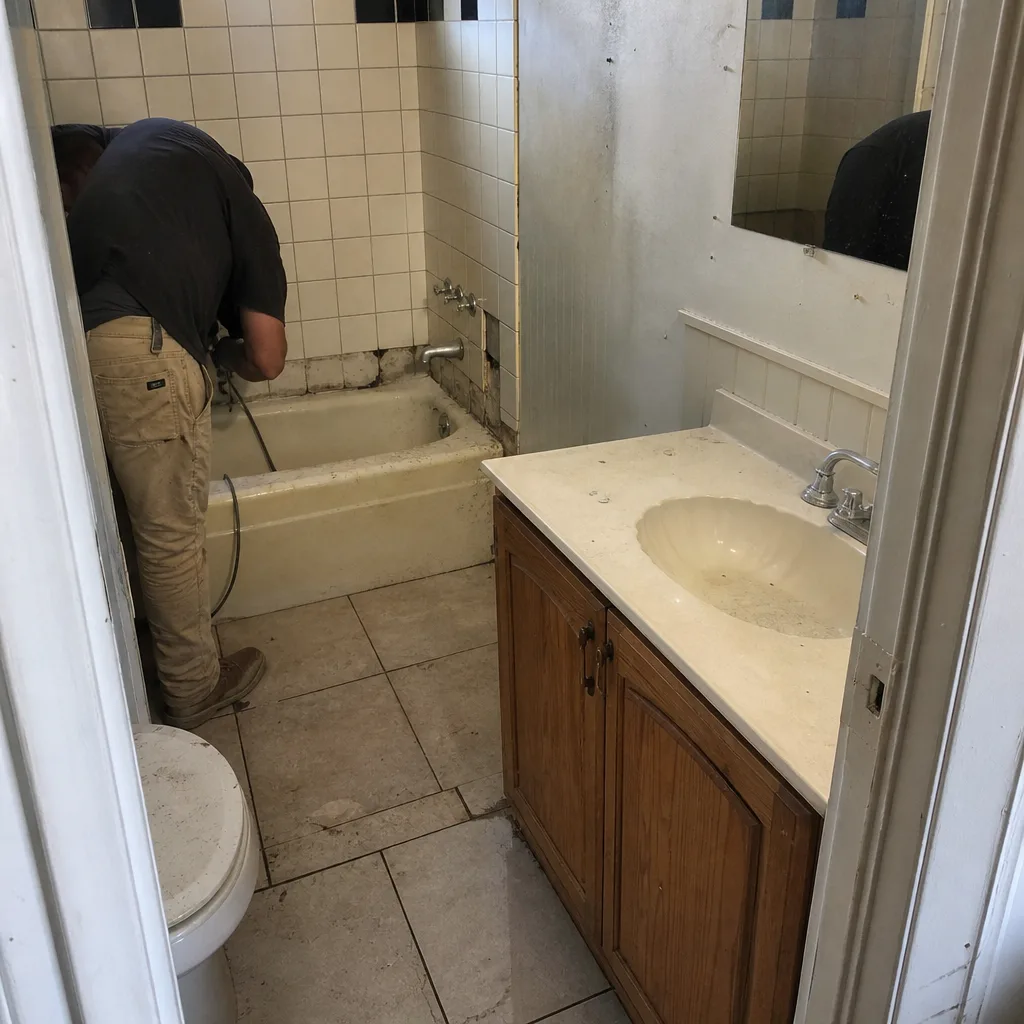 Before
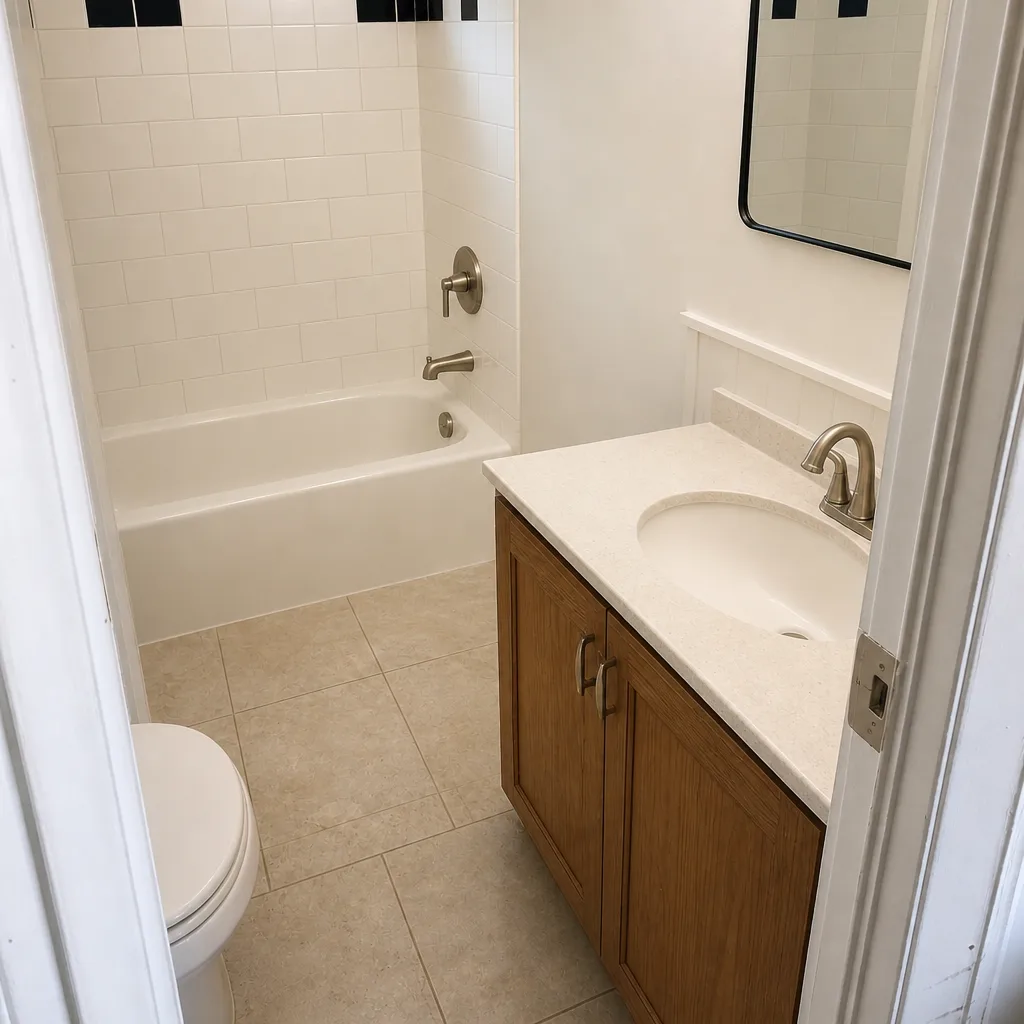 After
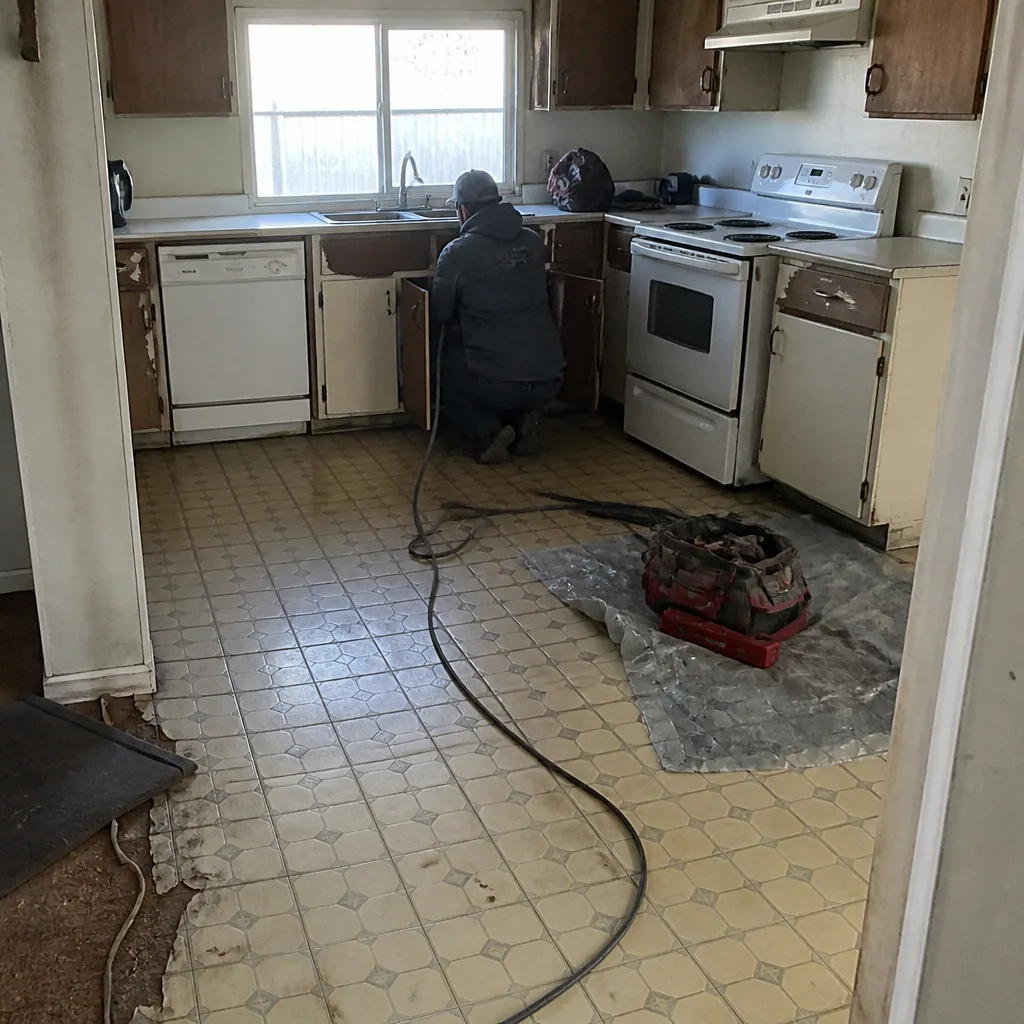 Before
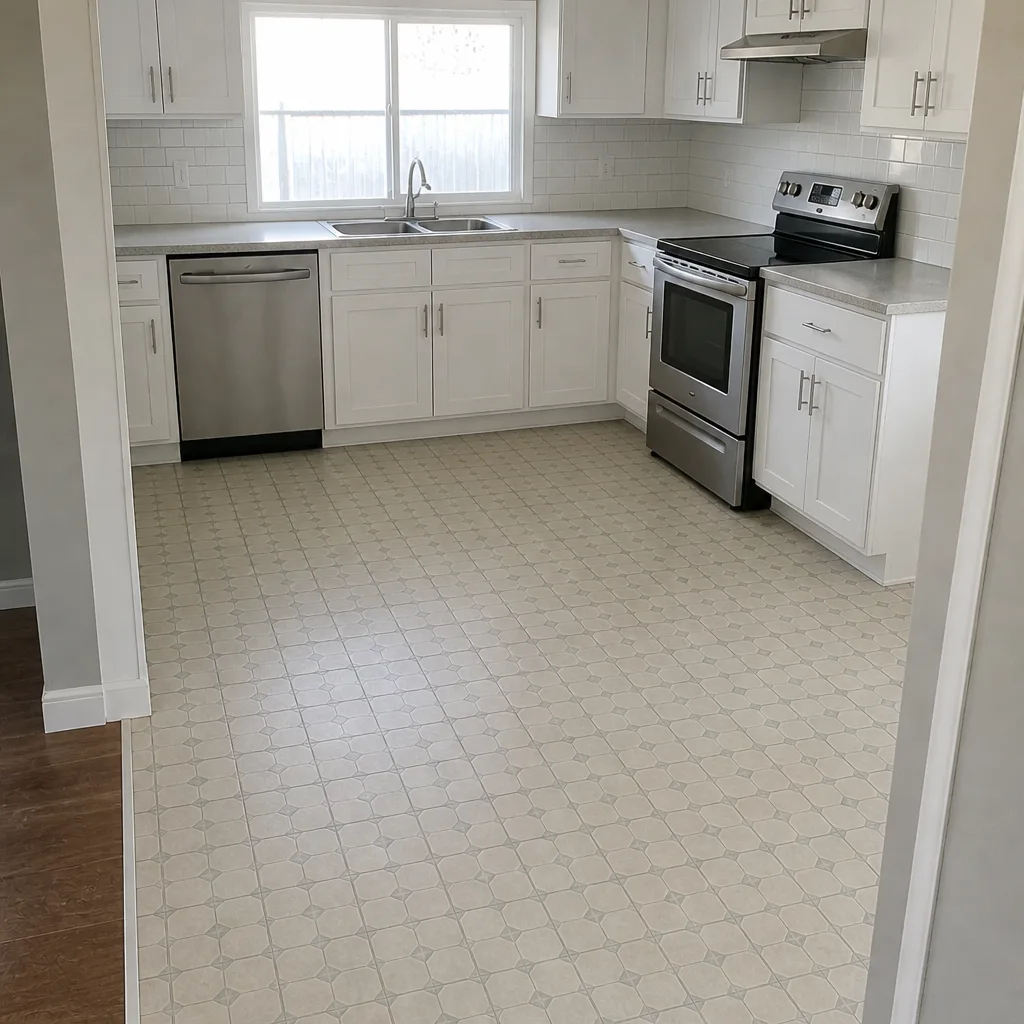 After
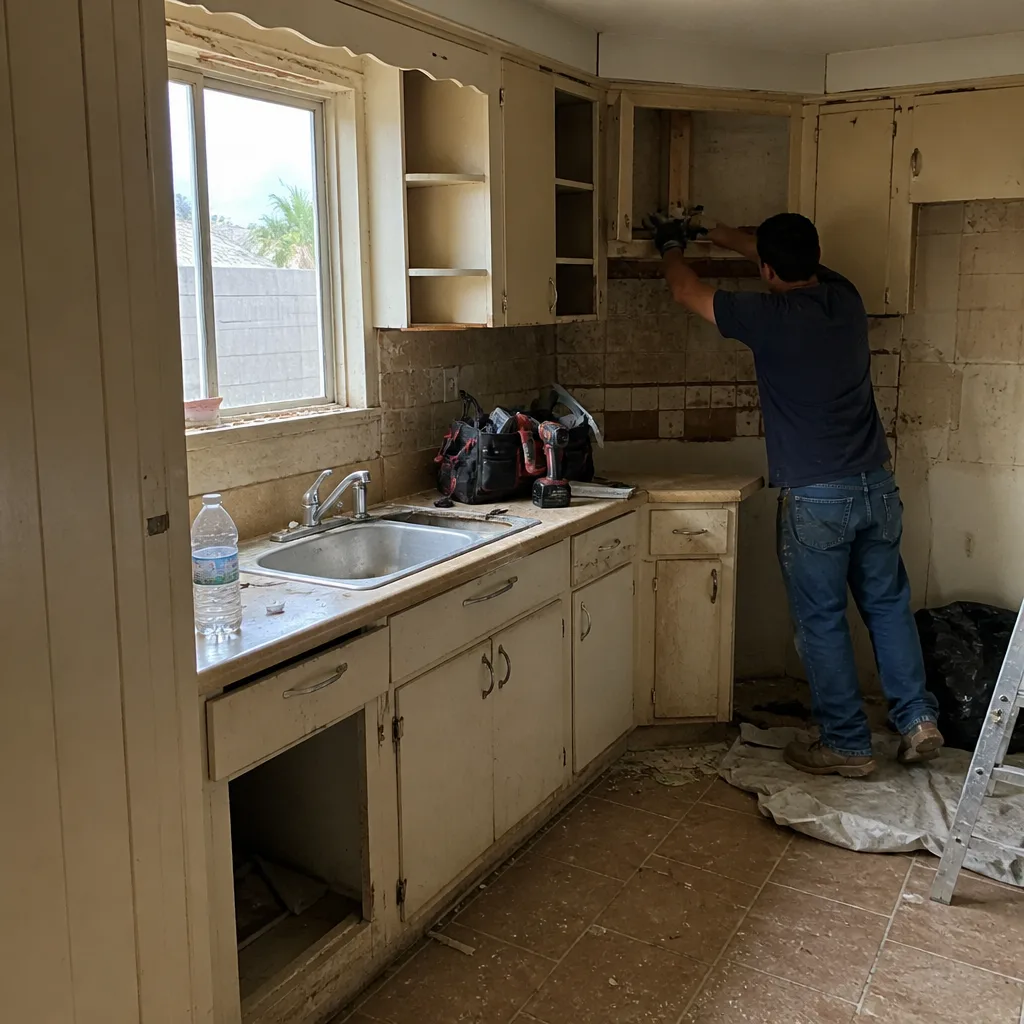 Before
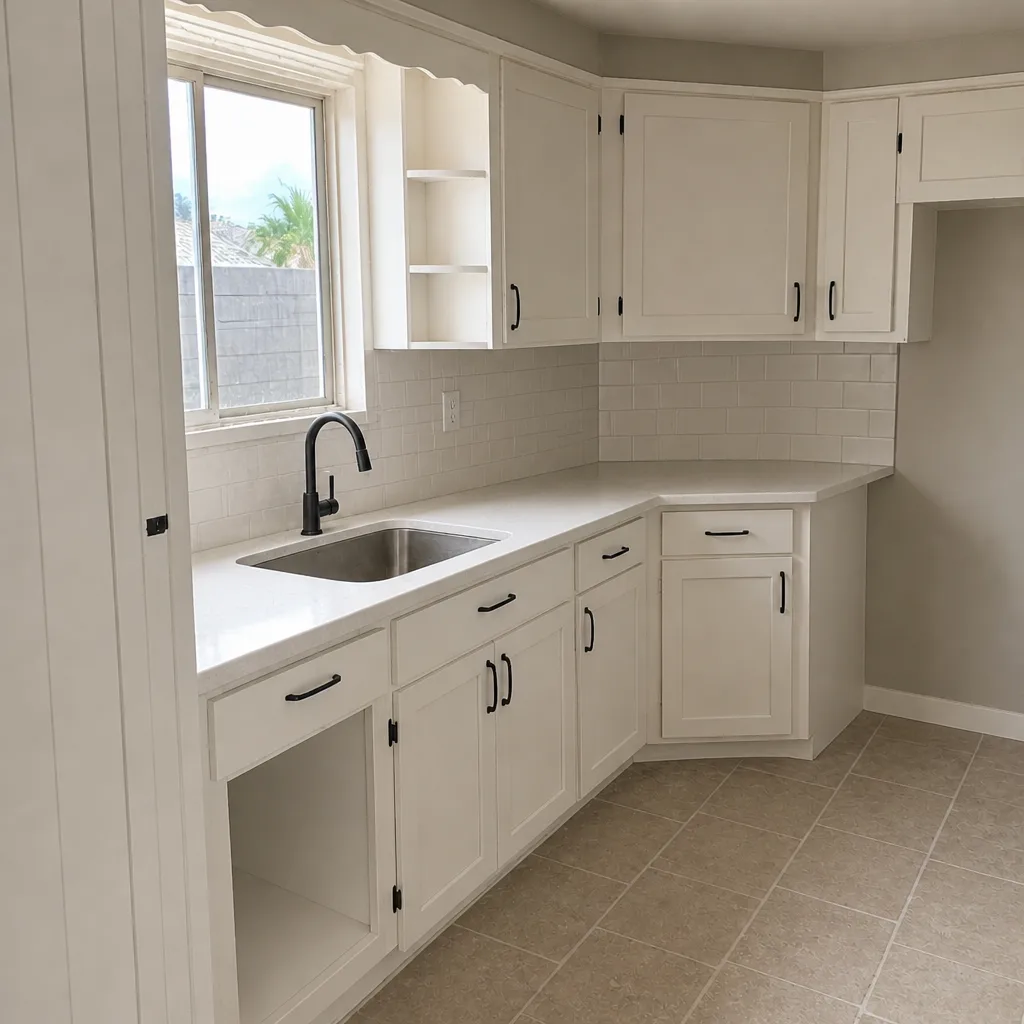 After
Why Moapa Valley Lots Make This Job Different
Moapa Valley isn’t a Las Vegas subdivision with a municipal permit counter. It’s an agricultural river valley, and virtually every detached ADU here is a ground-up build on unincorporated Clark County land. That means no HOA packet, no tract setback rules, but real Clark County well and septic siting review and floodplain scrutiny on every plan. The valley’s subsurface is Muddy River alluvium, which is expansive and drains unevenly, so footing design matters more here than on a graded suburban lot. Summer work schedules around 110°F heat, with early-morning concrete pours and heat-hardened mixes. The Mormon Mesa watershed sends fast monsoon runoff toward the river corridor, so grading, drainage, and floor elevation get reviewed with real seriousness. In Overton and Logandale, we routinely see ADUs placed behind an existing 1950s – 70s masonry ranch house where the old septic field runs under the planned footprint. In Warm Springs, near-well lots need extra care on trenching so we don’t nick a water line. We cover all of Moapa Valley, and if you’re extending utility runs or pouring an apron for the ADU, homeowners often pair this with Concrete Driveways & Concrete Work in Moapa Valley.
Serving Moapa Valley, NV – Our Local Coverage Area
We serve Moapa Valley and nearby communities. Use the map below to see the area we cover. If you’re nearby, we can almost certainly help.
Frequently Asked – New Detached ADU in Moapa Valley
Expect 5 to 8 months from signed contract to certificate of occupancy. Clark County permit review is the slowest stage, often 4 to 6 weeks, and well/septic siting adds time before construction even begins. Call (888) 413-6358 for a build schedule tied to your lot.
Yes, always. A detached ADU is a new dwelling unit and requires a full Clark County building permit, well and septic siting review, and floodplain evaluation if the lot’s grading feeds into the Mormon Mesa runoff area. The local pro we connect you with pulls the permits and manages every inspection.
Sometimes. If the ADU can sit clear of the existing well head, septic field, and electrical panel, no relocation is needed. On tight lots in Overton and Logandale, extending or relocating a service run is often unavoidable and adds $4,000 – $9,000. We confirm this at the site walk before design starts.
Plan for $45,000 – $130,000 for a standard unit, with larger homes reaching toward $220,000. Size, foundation type, separate metering, and finish grade drive the spread. Call (888) 413-6358 for a written line-item estimate for your specific lot.
Every project we take on is covered by our 730-Day Done Right Promise. That guarantee covers the finished work for two full years, and if something isn’t right, we make it right. It’s part of why a full project like an ADU fits our scope alongside a Home Additions & ADU in Moapa Valley package under our Home Additions & ADU service.
Get a Free On-Site Estimate for Your New Detached ADU
Call (888) 413-6358 for a free on-site estimate in Moapa Valley. A live person answers around the clock. We’ll schedule a walk of your lot, review setbacks, well and septic placement, and grading, then put the scope and price in writing with no change-order surprises. New detached ADU plans here deserve an honest number up front. That’s the call.
Written by the team at Groundwork Construction Co.